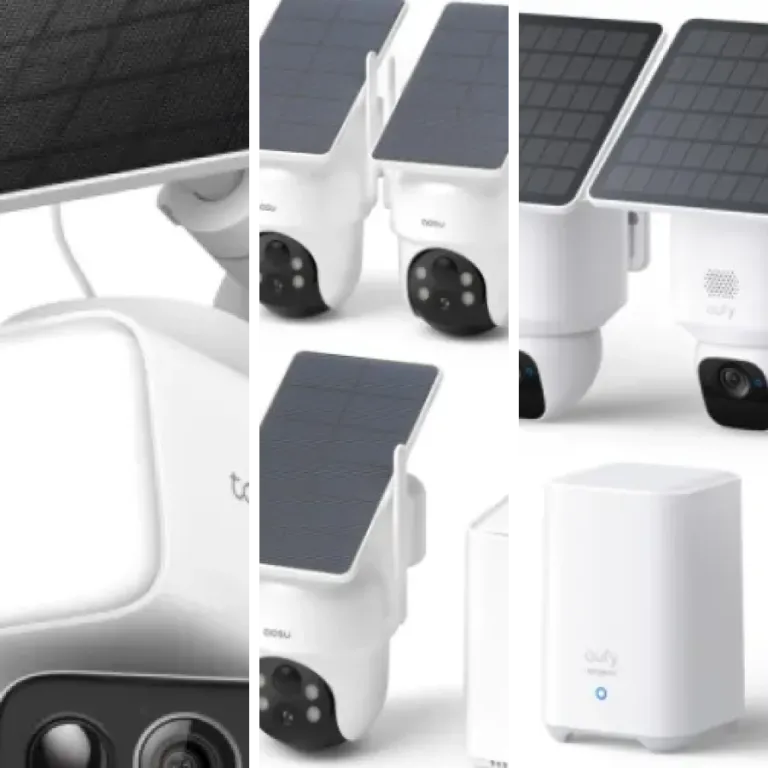
Key features that define the best solar powered security cameras
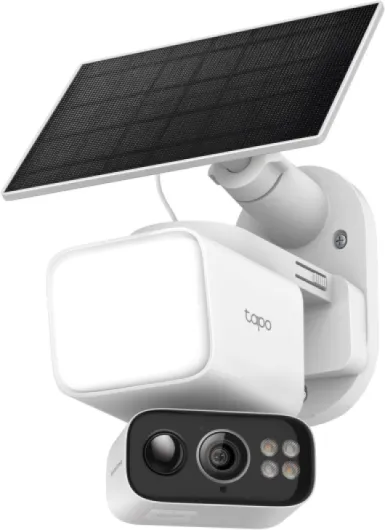
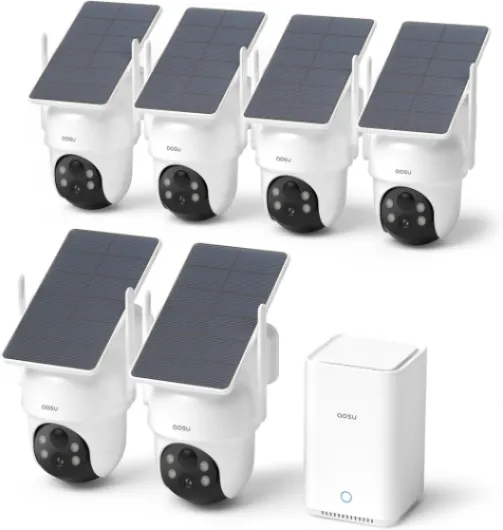
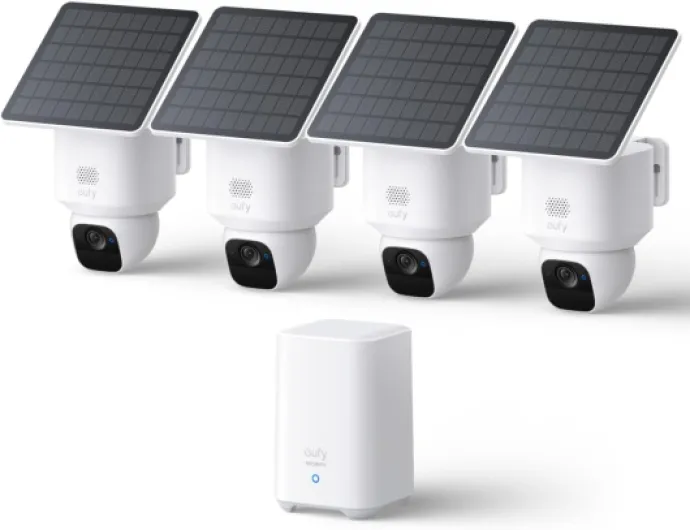
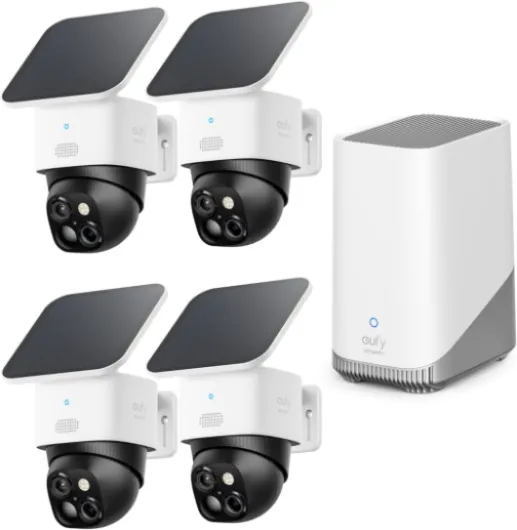
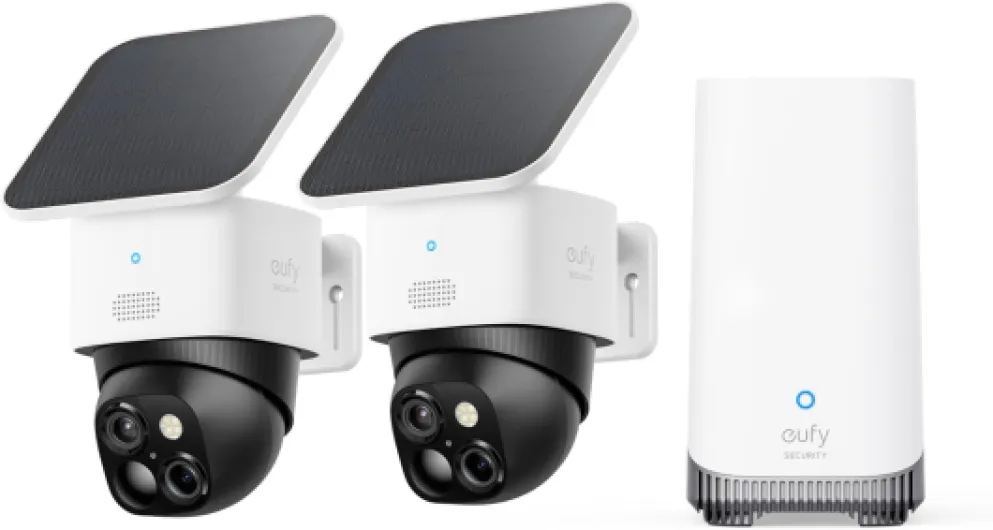
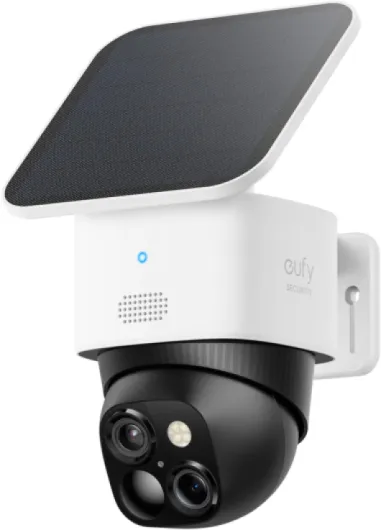
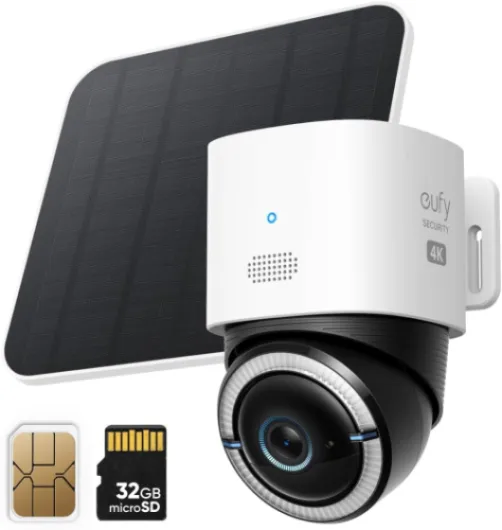
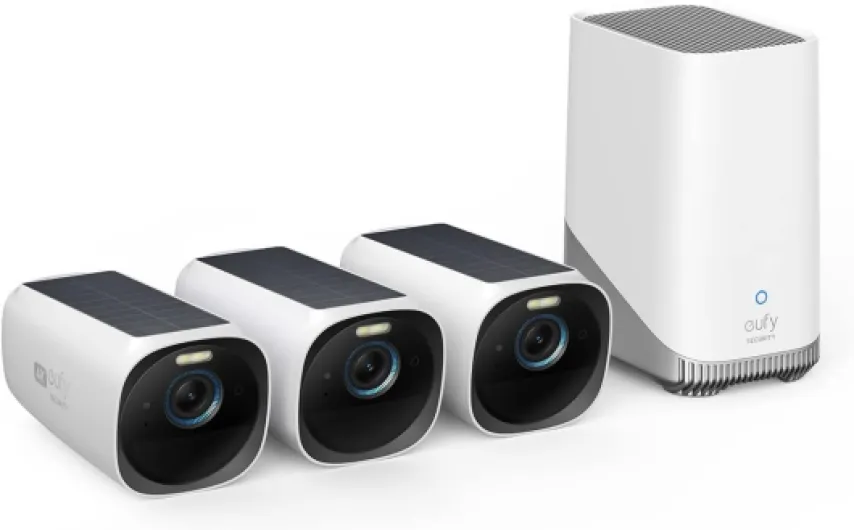
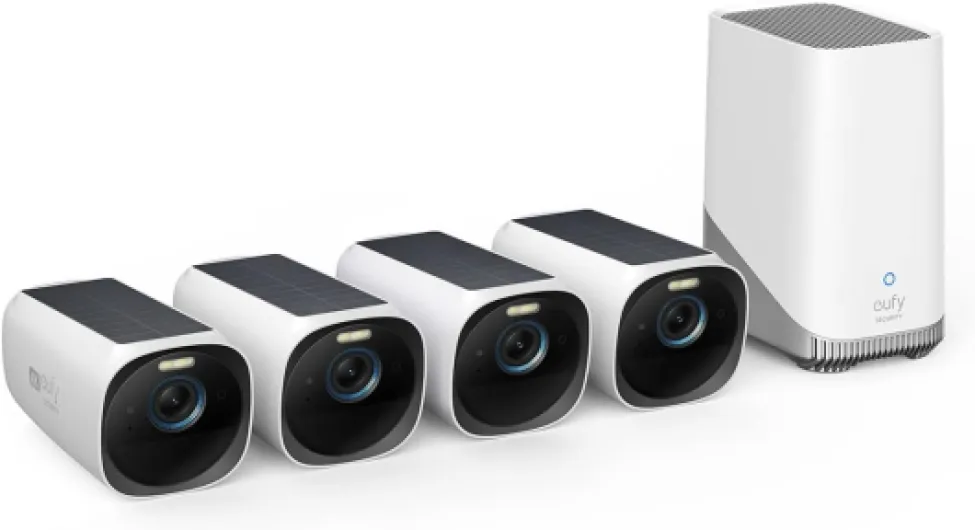
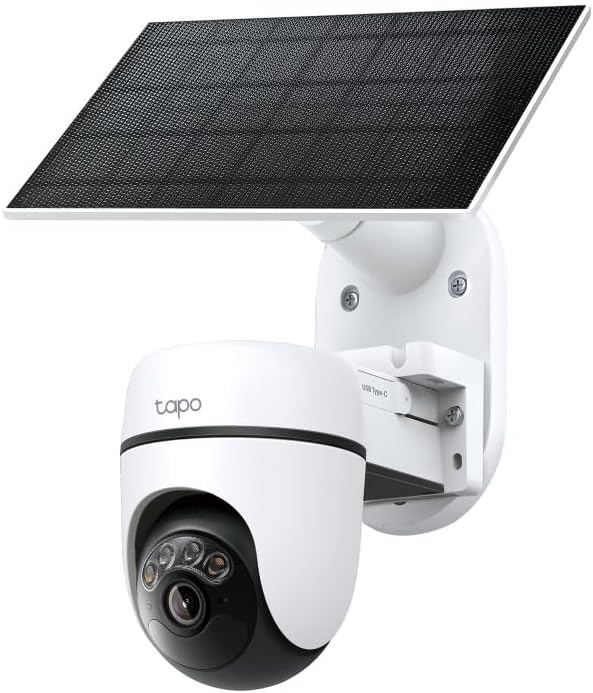
Several technical details separate an average camera from the best solar powered security cameras. First, the solar panel must generate enough power to keep the battery charged, even when the outdoor camera faces partial shade or cloudy skies. A high efficiency solar panel paired with a well sized battery ensures the security camera continues recording during long nights and busy days.
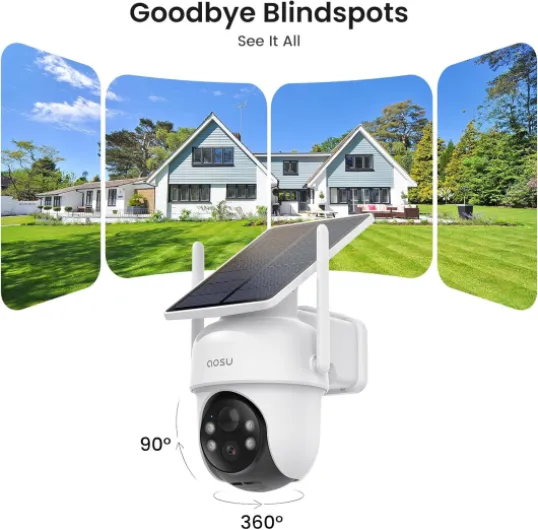
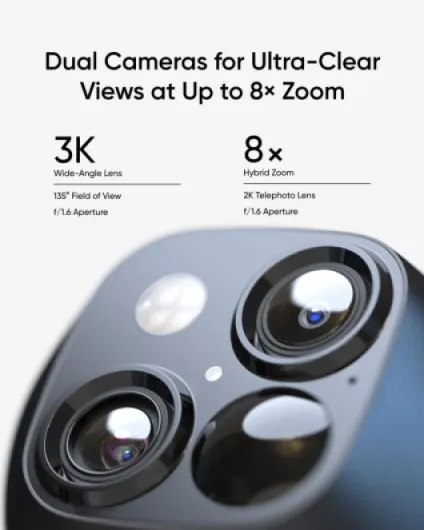
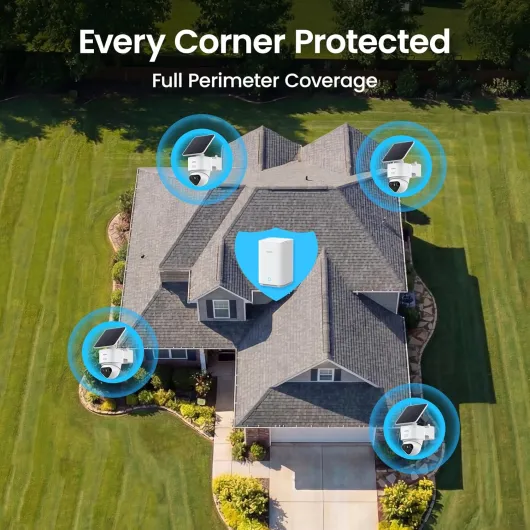
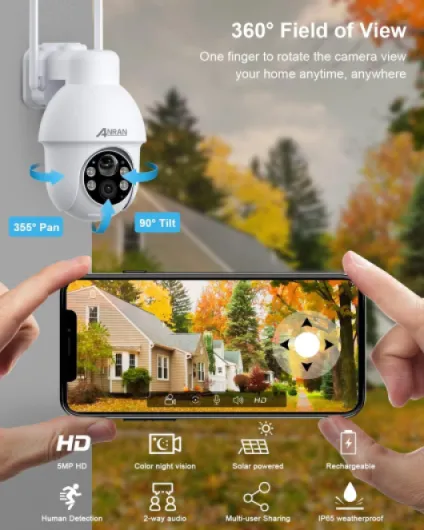
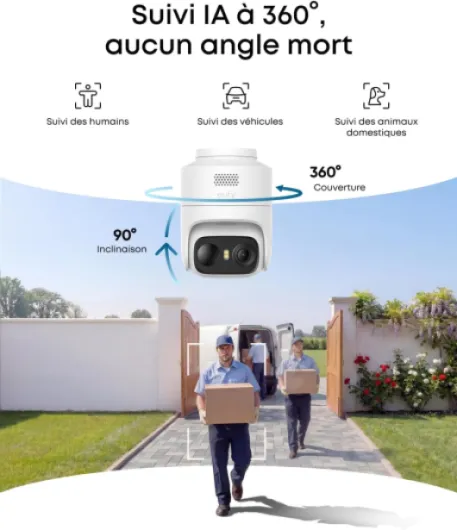
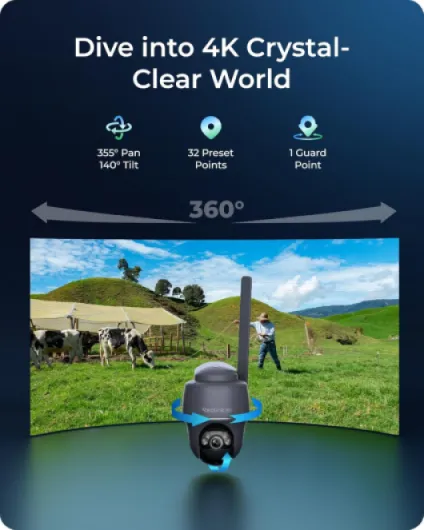
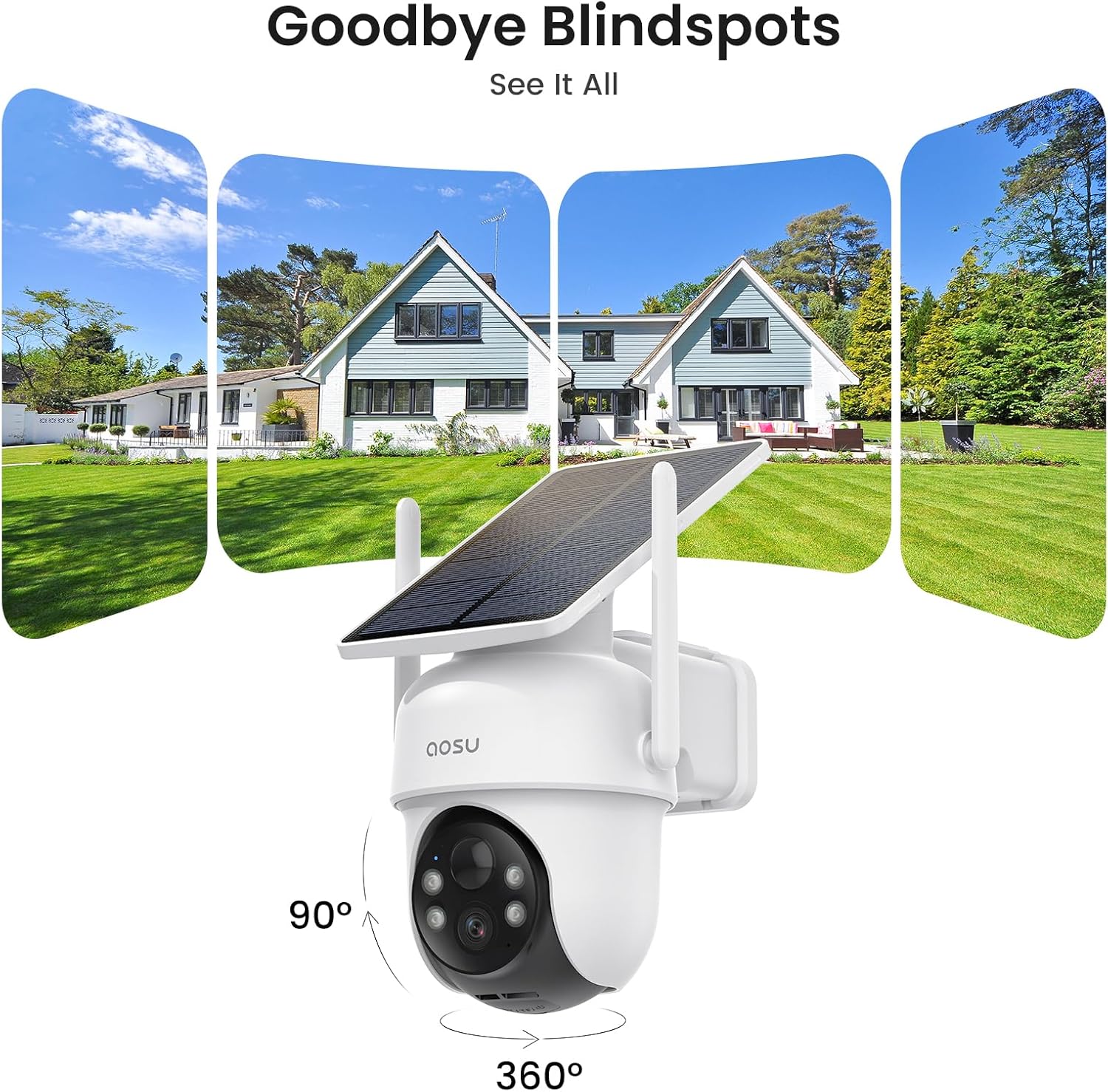
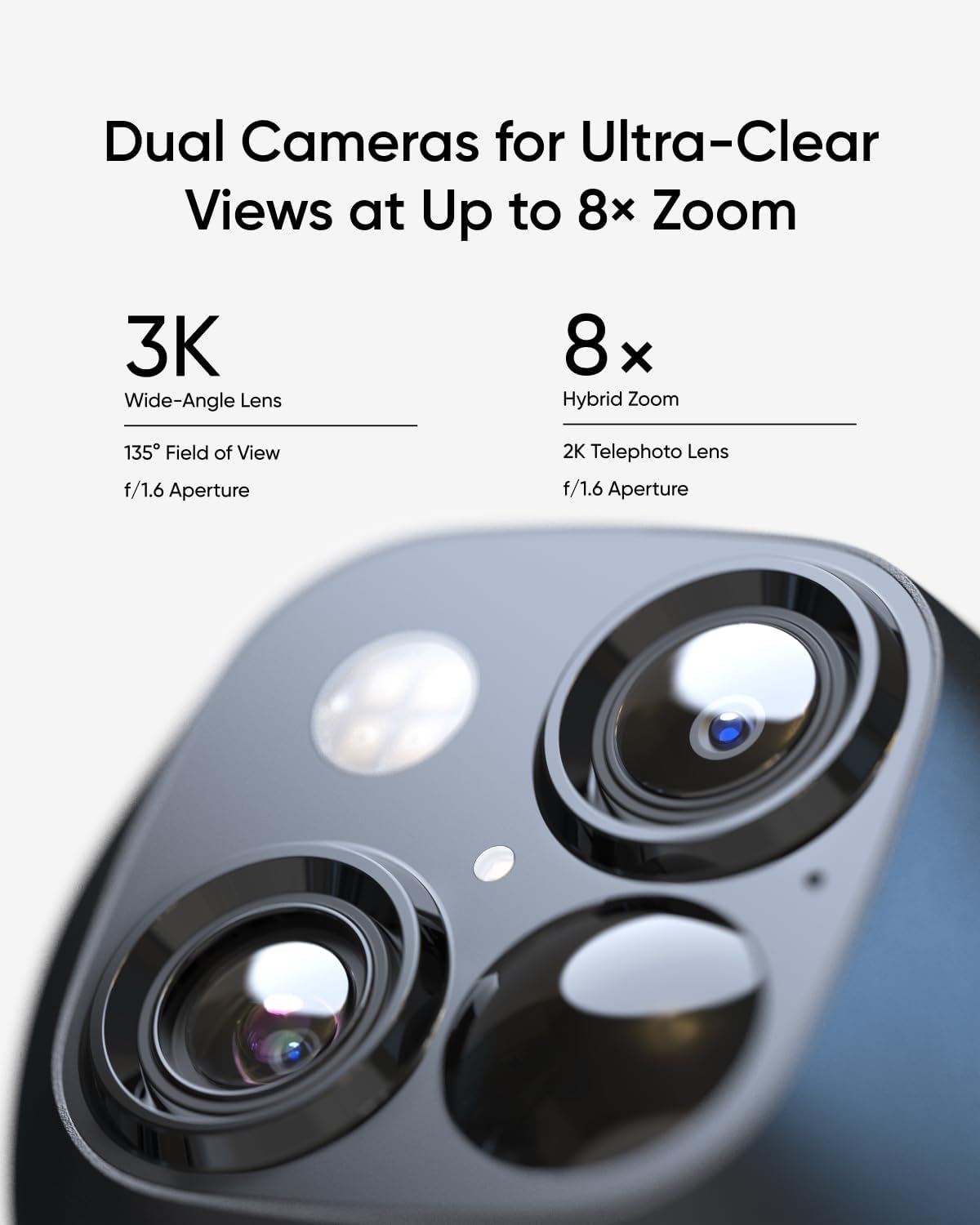
Field view is another critical factor when comparing solar cameras for outdoor security. A wide angle cam can cover driveways, gardens, and side paths, reducing blind spots and limiting the number of cameras you need, which directly affects cost and complexity. Some camera solar designs also allow flexible mounting so you can tilt the lens and panel independently for optimal coverage and solar power intake.
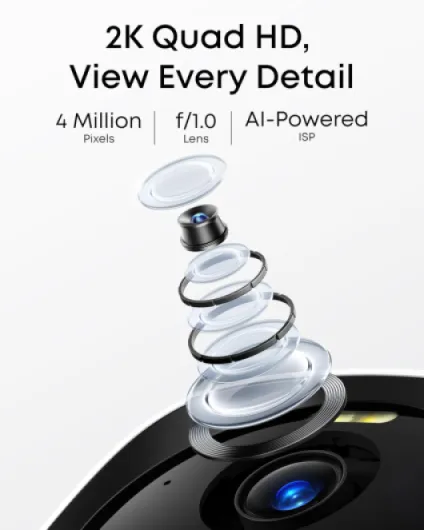
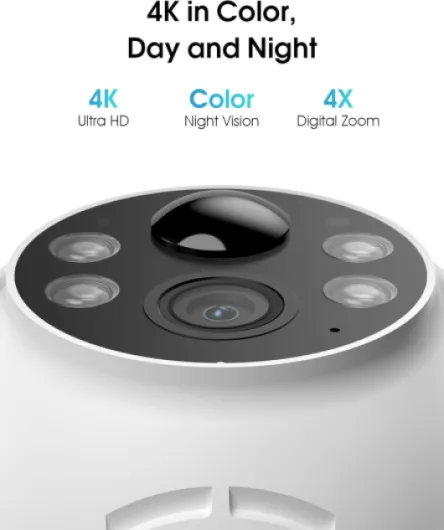
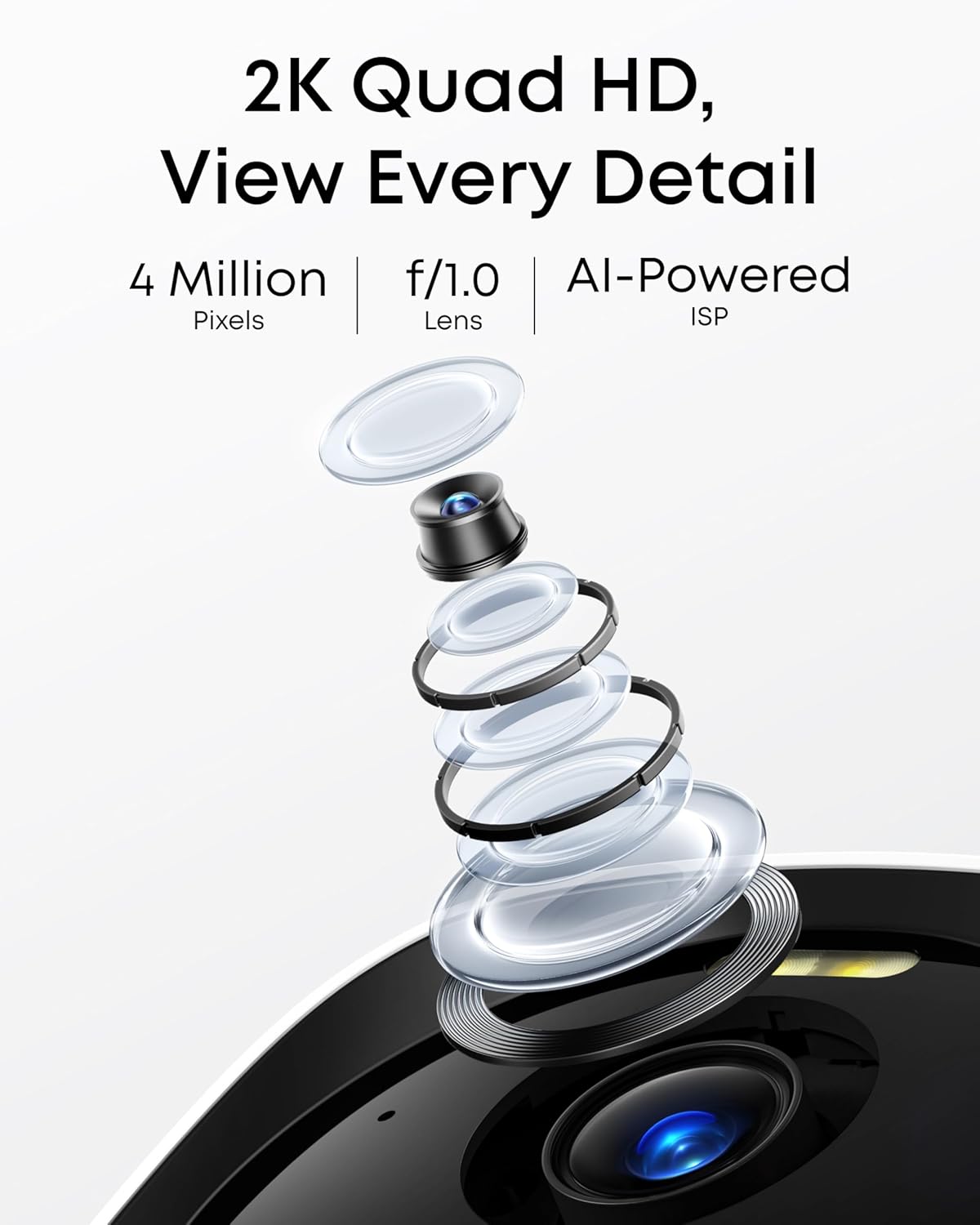
Night vision quality strongly influences how useful a solar powered security system feels in practice. Basic security cameras rely on infrared night vision, while more advanced models offer color night vision that preserves clothing tones, vehicle colours, and other details, which can be vital after an incident. When you evaluate pros and cons, pay close attention to how the camera handles low light, backlighting, and sudden glare from car headlights.
Smart home integration further enhances powered security performance for busy households. Many of the best solar powered security cameras now support Alexa Google or Google Nest ecosystems, allowing you to view the cam feed on smart displays and arm zones with voice commands, which simplifies daily use. For more advanced setups, pairing a solar powered outdoor camera with a dedicated app such as a smart doorbell platform can mirror the convenience described in this guide to a transformative home security app experience.
Comparing leading brands in solar powered outdoor security
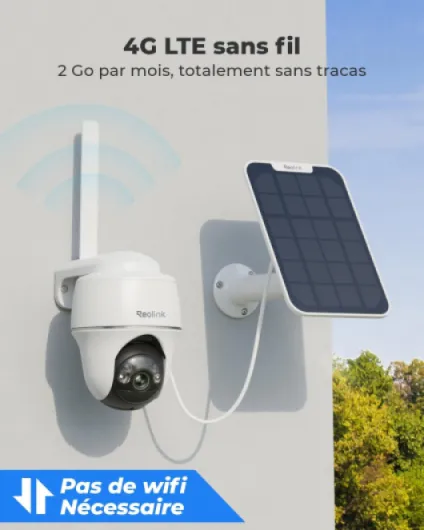
Among the best solar powered security cameras, Reolink, Arlo, Ring, and Google Nest dominate many shortlists. Reolink Argus and Argus Pro models are popular for flexible mounting, microSD recording, and optional solar panels that keep the battery topped up in most climates. These Reolink solar cameras often provide strong night vision and a generous field view, making them suitable for both front yards and remote outbuildings.
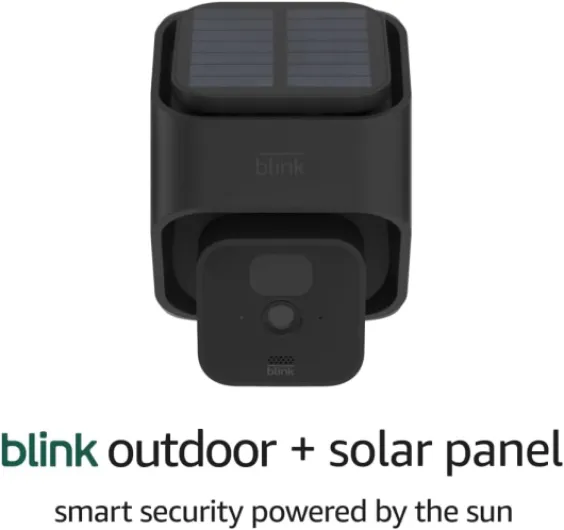
Arlo and Ring focus heavily on app experience and ecosystem integration. An Arlo outdoor camera or Ring cam can connect to Alexa Google setups, allowing you to pull up live feeds on smart speakers and televisions, which makes checking security cameras feel as natural as changing channels. Their solar panel accessories help maintain battery charge, although you should still review pros and cons such as subscription costs and cloud storage limits.
Google Nest offers camera solar options that integrate tightly with other Nest devices. For households already using Nest thermostats or alarms, adding outdoor solar cameras can create a unified security camera and energy management environment, which simplifies daily routines. These systems often emphasise intelligent alerts that distinguish people from passing cars or animals, reducing notification fatigue at night.
When comparing brands, consider how each powered security ecosystem handles alerts, storage, and emergency responses. Some homeowners pair solar powered cameras with additional devices such as panic alarms to create layered protection, similar to the approach outlined in this overview of how panic alarms enhance a home security camera system. Evaluating each camera, panel, and battery combination in the context of your wider security plan helps you choose the best solar solution for long term peace of mind.
Installation, placement, and power management for solar security cameras
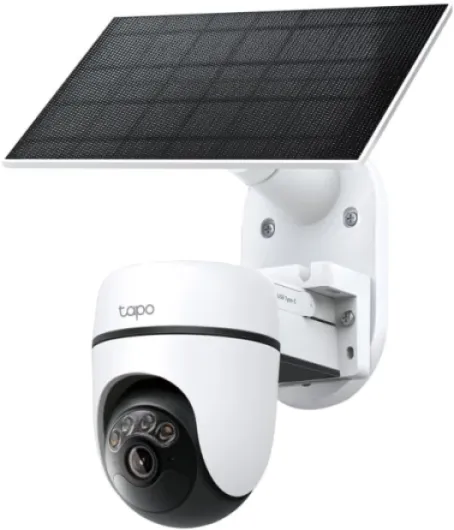
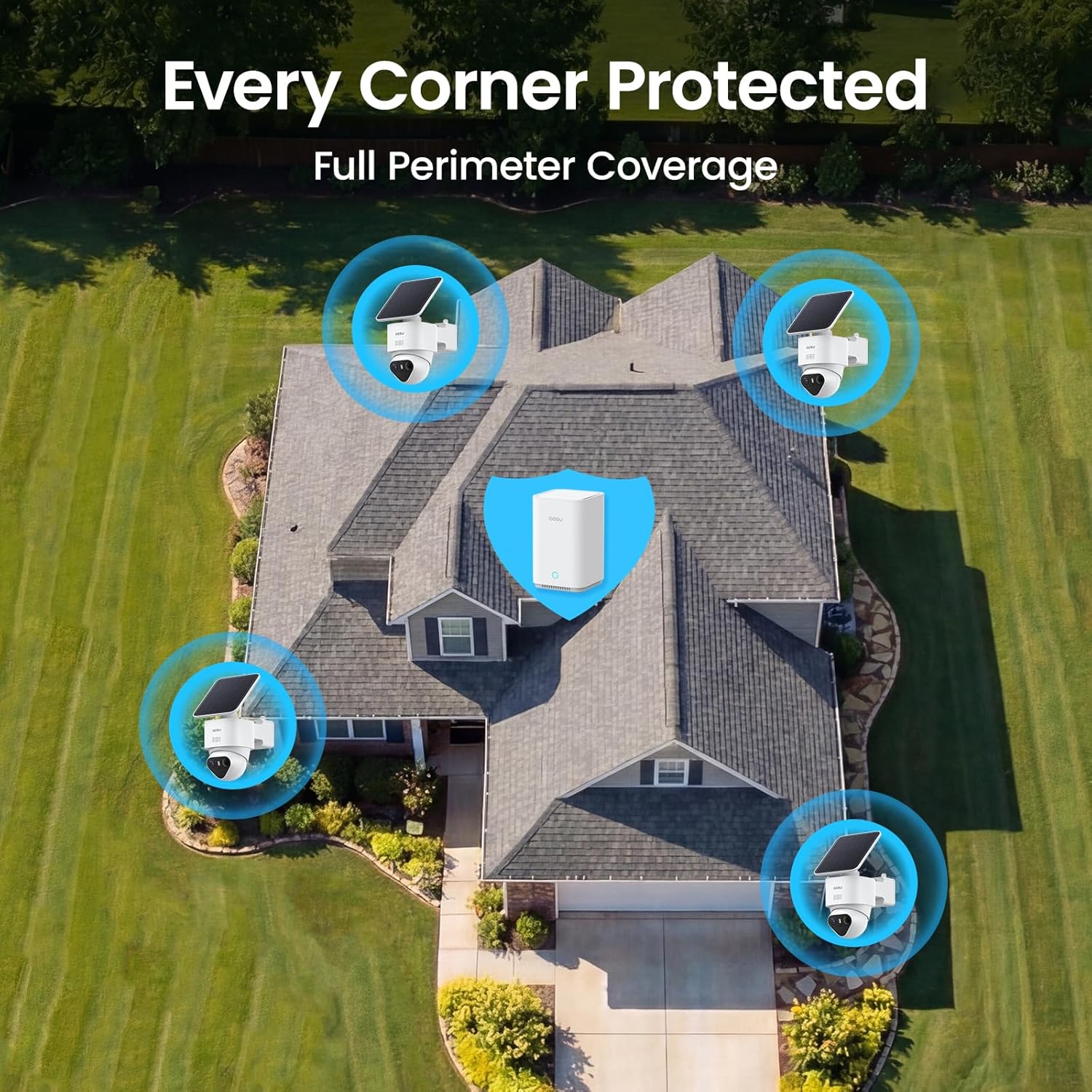
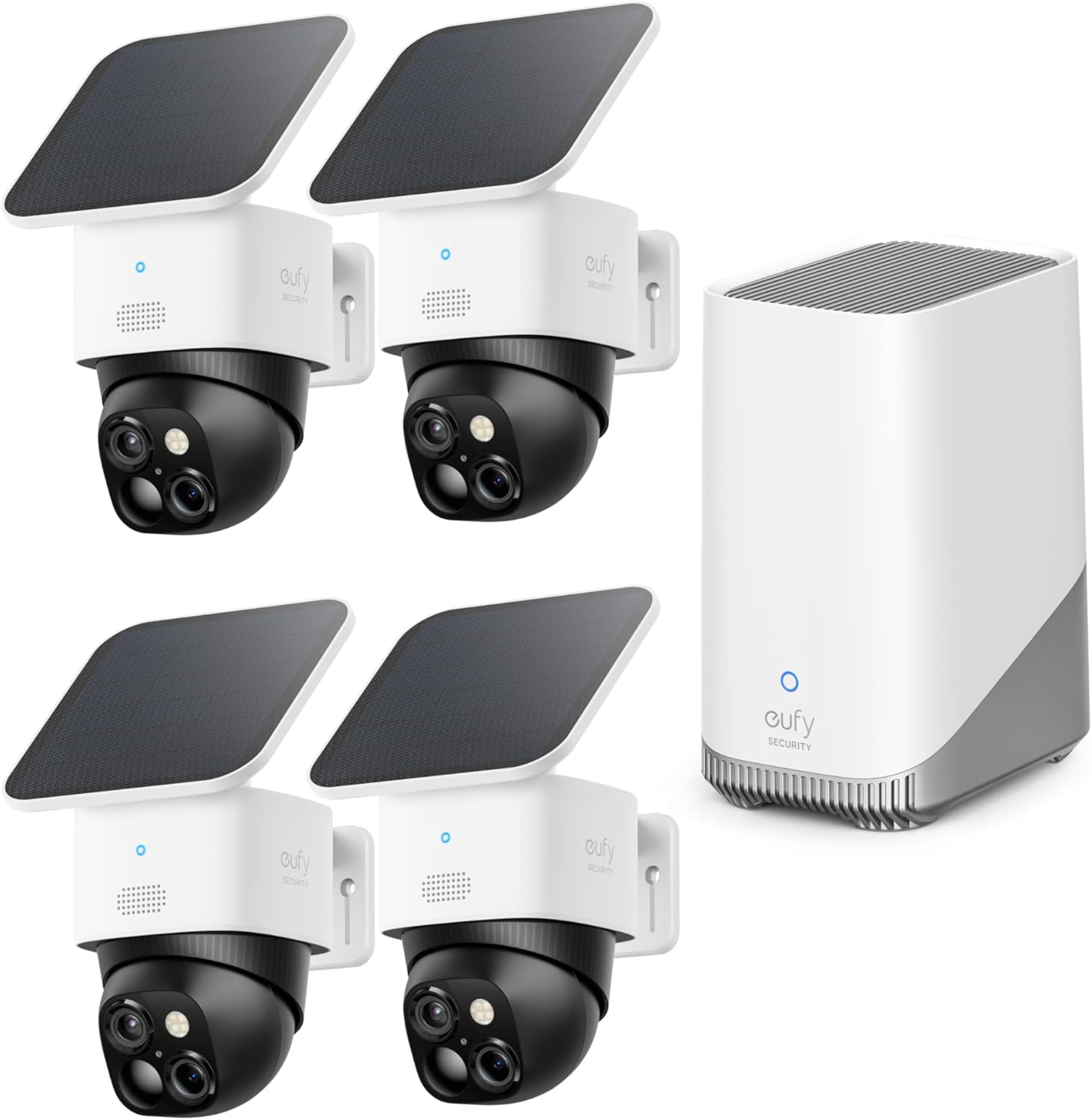
Even the best solar powered security cameras can underperform if installed poorly. Start by mapping where each outdoor camera should sit to cover entrances, driveways, and vulnerable windows, while also considering how the solar panel will receive direct light. A camera solar kit usually allows the panel to mount separately from the cam, giving you flexibility to chase better solar power angles.
Height and field view work together to shape overall security coverage. Mounting a security camera between 2,5 and 3 metres above ground often balances detail capture with protection against tampering, while a wide field view lens reduces the number of cameras required. For long narrow spaces such as side passages, a single powered security cam with a narrower but deeper view may perform better than a wide angle model.
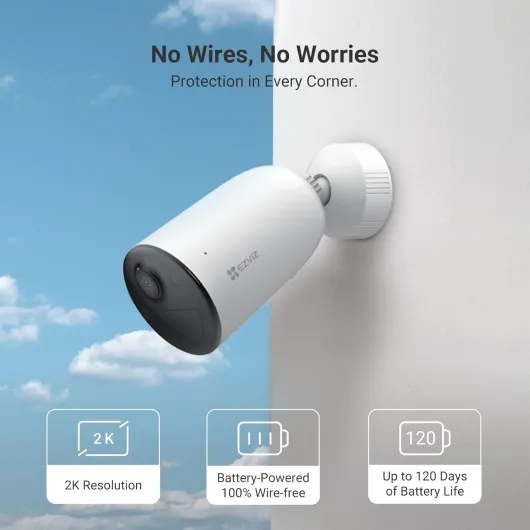
Battery and power management are central to solar powered reliability. A high capacity battery paired with an efficient solar panel helps the camera maintain night vision and motion detection throughout long winter nights, even when days are short, which is essential in northern regions. Some solar cameras offer power saving modes that reduce frame rates or recording length when the battery drops, preserving core security functions until sunlight returns.
Weather resistance and maintenance also influence long term performance. Outdoor solar panels accumulate dust, pollen, and bird droppings that reduce solar power intake, so a quick clean every few months can significantly improve charging efficiency and keep the battery healthier. For a broader perspective on how a complete system can support daily life, you can review this analysis of how a comprehensive home security provider transforms peace of mind, then adapt similar principles to your own solar security setup.
Evaluating pros and cons before buying solar powered security cameras
Choosing the best solar powered security cameras requires a clear view of pros and cons. On the positive side, a solar panel and battery combination reduces dependence on mains power, which is ideal for remote sheds, gates, and large gardens where wiring would be expensive. Solar security systems also continue recording during local power cuts, providing an extra layer of resilience for your home.
However, solar powered solutions are not free from limitations. In heavily shaded areas or regions with long periods of poor weather, the battery may struggle to stay charged, especially if the camera records frequent motion events at night, which can drain power quickly. In such cases, you may need larger solar panels, additional batteries, or a hybrid powered security setup that can fall back to wired power when necessary.
Cost is another important factor when comparing security cameras. While some Amazon listings highlight low prices for solar cameras, you should examine build quality, weather sealing, and night vision performance rather than focusing solely on the word best in marketing claims. A slightly more expensive Reolink Argus Pro, Arlo cam, or Ring outdoor camera with reliable solar power and strong field view may offer better long term value.
Privacy and data handling also deserve attention in any security camera decision. Cloud connected solar powered cameras that integrate with Alexa Google or Google Nest services can provide convenient access, but you should review how footage is stored, encrypted, and shared, which affects your overall risk profile. Balancing these pros and cons helps you select solar powered security cameras that align with both your technical needs and your comfort with connected devices.
Practical scenarios and expert guidance for solar powered home security
Real world scenarios highlight how the best solar powered security cameras perform beyond the spec sheet. A detached garage or garden office often sits far from mains outlets, making a camera solar kit with a dedicated panel and robust battery the most practical option. In such cases, a Reolink Argus or Argus Pro with wide field view and reliable night vision can monitor vehicles and tools without constant battery swaps.
For busy family homes, an outdoor solar camera near the front door can complement a smart doorbell. When integrated with Alexa Google or Google Nest, these powered security cameras allow you to check who is approaching, confirm deliveries, and monitor children arriving home from school, all through a single app. Some Arlo, Ring, and Reolink solar cameras also support two way audio, enabling quick conversations without opening the door at night.
Rural properties and holiday homes benefit strongly from solar security solutions. With no need for continuous mains power, solar panels and batteries keep security cameras running for weeks while the property is empty, which reduces the risk of unnoticed break ins or vandalism. In these environments, choosing the best solar powered security cameras with strong color night vision and robust weatherproofing becomes especially important.
When in doubt, consult professional installers or security specialists who understand camera placement, solar power calculations, and network reliability. Their guidance can help you avoid common cons such as under sized panels, poorly aimed cams, or weak Wi Fi coverage that undermines even the best solar equipment. Combining expert advice with careful product comparison ensures your solar powered security camera system delivers dependable protection in every season.
Key statistics about solar powered security cameras
- Up to 100 % of a solar powered security camera’s daily energy needs can be met by a correctly sized solar panel in regions with strong sunlight.
- Many outdoor solar cameras maintain continuous recording with an average of 3 to 4 hours of direct sun exposure per day.
- Wide field view lenses on modern security cameras can reduce the number of required devices by approximately 30 % in typical suburban homes.
- Battery only cameras without solar panels may require manual recharging every 4 to 8 weeks, depending on motion activity and night vision usage.
- Smart integrations with Alexa Google and Google Nest ecosystems can reduce manual app interactions by more than 40 % through voice commands and automations.
Common questions about the best solar powered security cameras
Are solar powered security cameras reliable in cloudy climates ?
Solar powered security cameras can remain reliable in cloudy climates if the solar panel and battery are correctly sized. High efficiency panels still generate power under overcast skies, while a larger battery stores enough energy to support night vision and motion recording. In very low light regions, choosing the best solar powered security cameras often means selecting models that also support optional wired backup power.
How long does the battery last on a solar powered security camera ?
The battery on a solar powered security camera typically lasts several days to a few weeks without additional charging. Actual duration depends on motion activity, recording settings, and how often night vision is active, which all influence power consumption. When paired with a well matched solar panel, the best solar powered security cameras can operate indefinitely with only occasional maintenance.
Can solar powered security cameras work without Wi Fi ?
Some solar powered security cameras can record locally to microSD cards even without Wi Fi. In this configuration, the camera continues capturing video, but you lose live viewing, remote alerts, and cloud backups until connectivity returns. For remote locations, many homeowners choose cameras that support both local storage and flexible network options to maintain security coverage.
What should I look for when buying a solar panel for my camera ?
When buying a solar panel for your camera, focus on power output, weather resistance, and cable length. The panel should provide enough wattage to keep the battery charged in your climate, while durable housings and waterproof connectors protect against outdoor conditions. Matching the panel to the specific camera model, such as a Reolink Argus or Arlo cam, ensures efficient charging and long term reliability.
Are solar powered security cameras difficult to install ?
Most solar powered security cameras are designed for straightforward DIY installation with basic tools. You typically mount the camera, position the solar panel for maximum sun exposure, and connect both to your Wi Fi network using a mobile app. Careful planning of field view, height, and cable routing helps you achieve professional results without specialist skills.