Key features to compare in the best indoor security cameras
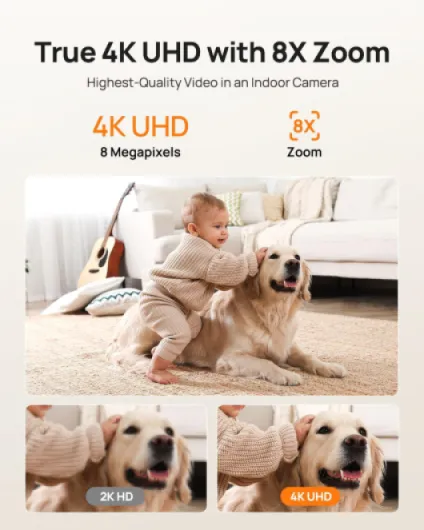
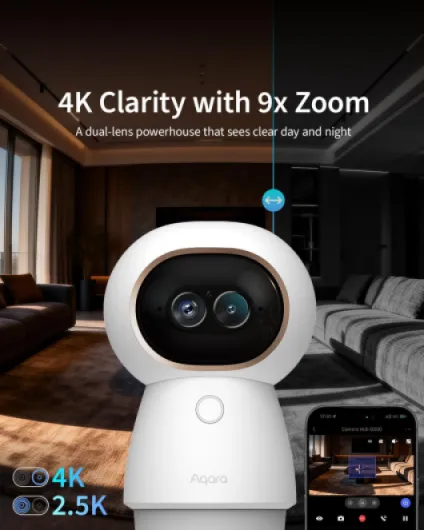
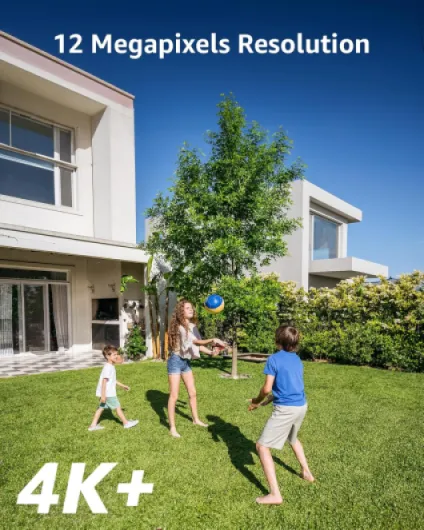
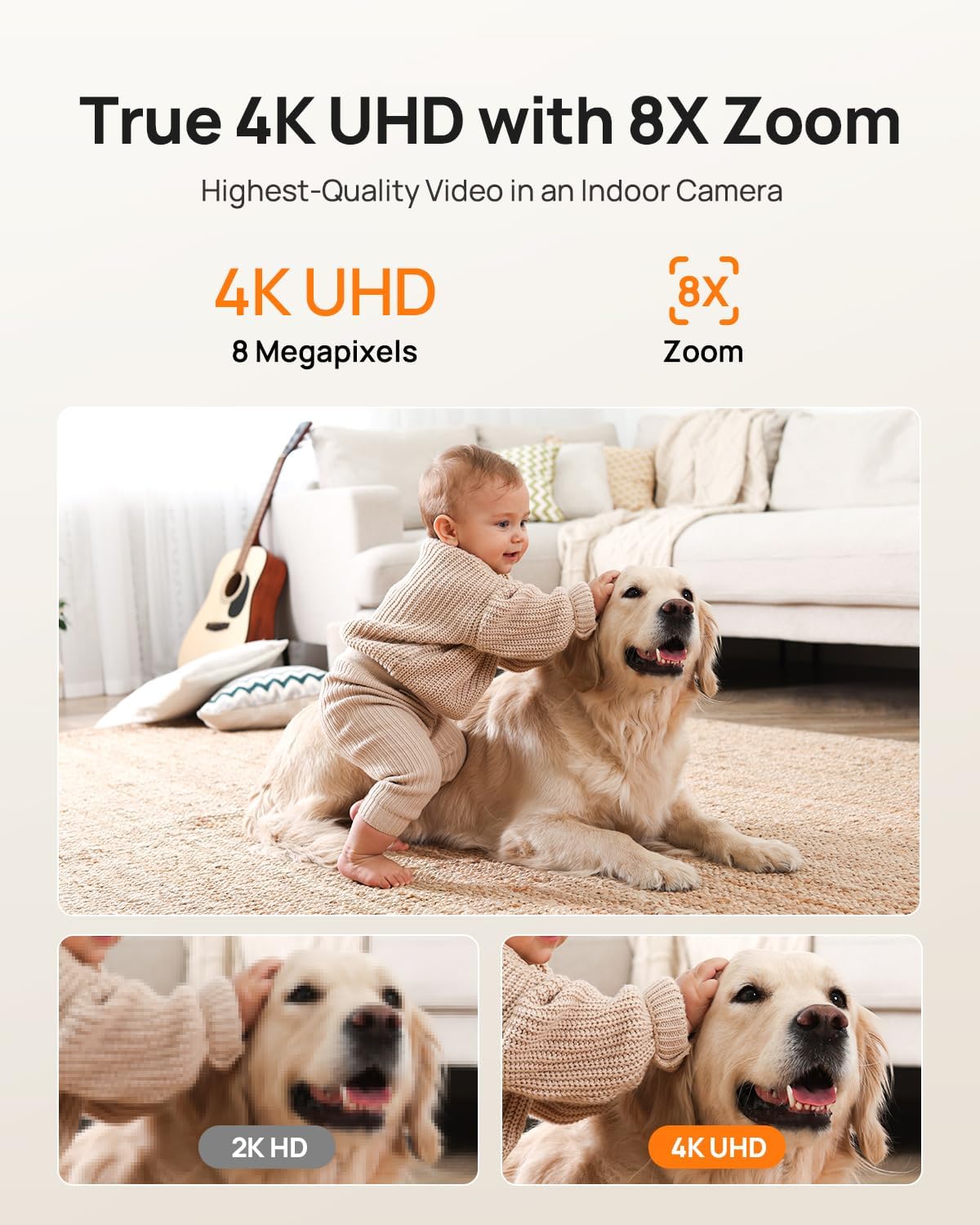
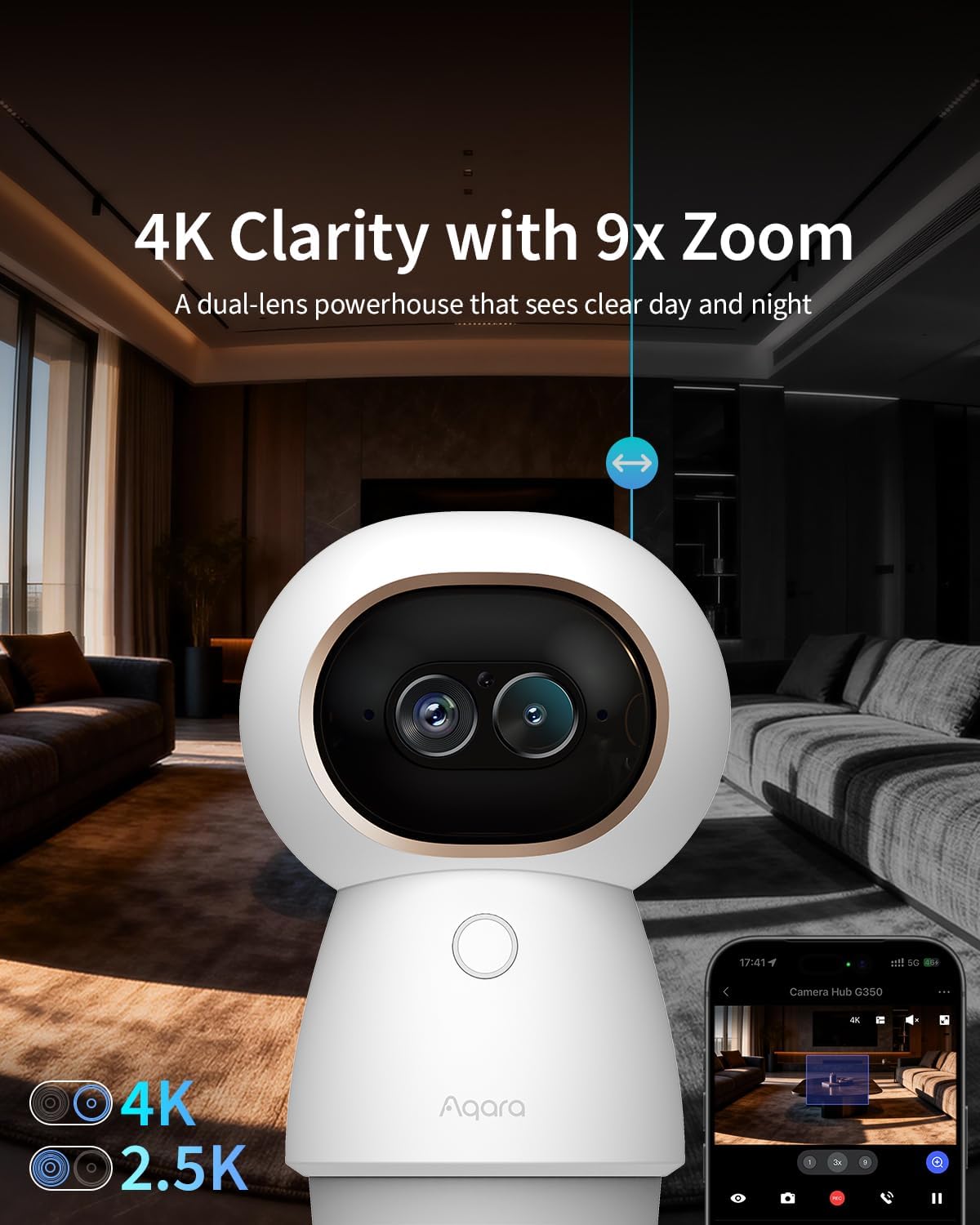
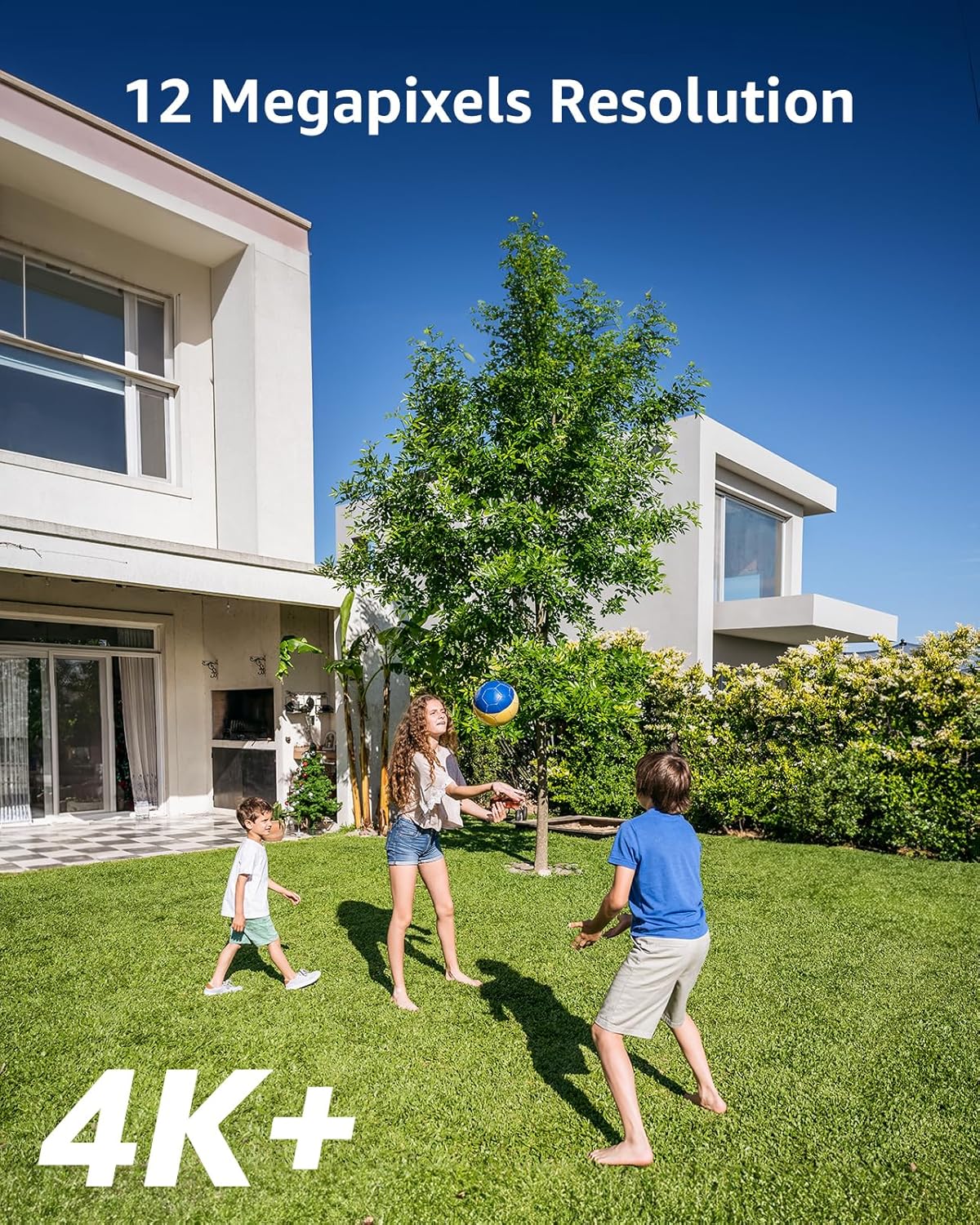
To identify the best indoor security cameras for your home, start with resolution, field of view, and low light performance. A good indoor camera should capture sharp images in both daylight and night vision, with minimal motion blur. Wide view angles help a single security camera cover more space, reducing blind spots and installation complexity.
Smart detection is now central to indoor security, because it reduces false alerts from shadows or pets. Many indoor cameras use person, package, or sound detection, and some tap into google or ring ecosystems for smarter notifications. When you compare features, check whether the cam supports zones, schedules, and quick mute options, especially if you work from home and need fewer interruptions.
Connectivity and ecosystem integration also shape your experience over time. A tapo indoor cam or tilt indoor model, for example, may integrate with alexa google routines, while a nest cam or ring indoor camera fits better into their own platforms. If you already use a smart alarm panel, reading about a smart home security hub can clarify which cameras, storage subscription options, and cloud services will work best together.
Comparing popular brands and ecosystems for indoor security
Brand ecosystems strongly influence which models qualify as the best indoor security cameras for your situation. A tapo indoor camera, a nest cam, a ring indoor cam, and a lorex wired camera all deliver video, yet they differ in storage, app design, and long term costs. Before choosing any cam, think about how many cameras you plan to add over time and how you want to manage indoor security across rooms.
Google and ring ecosystems emphasize seamless app experiences, voice control with alexa google, and tight integration with other smart devices. Tapo and lorex often focus on flexible storage, allowing a microsd card in the indoor camera plus optional cloud storage or a storage subscription. When you compare regular price and sale price offers, remember that ongoing cloud fees for multiple security cameras can exceed the initial hardware cost.
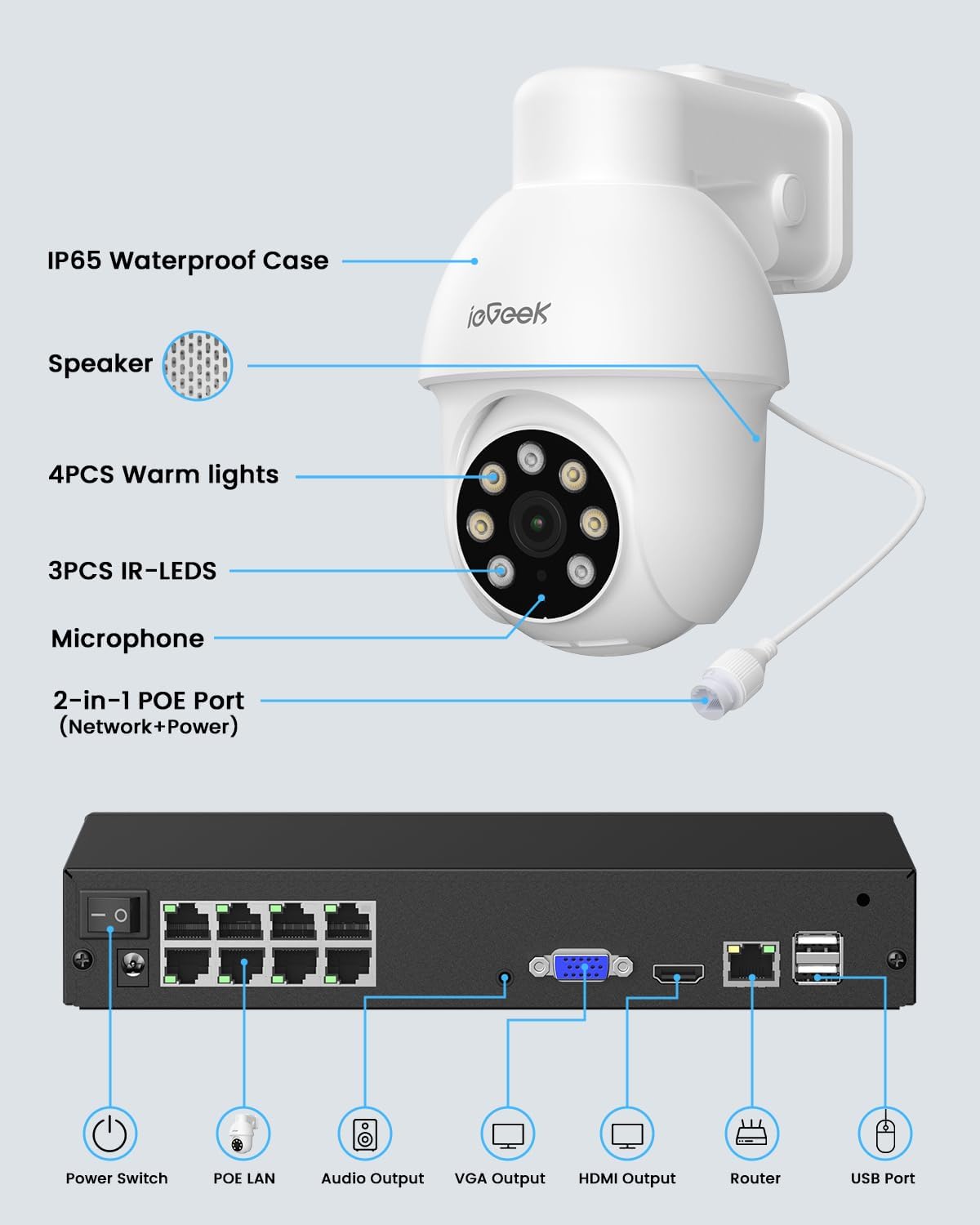
Some homeowners prefer a wired security camera for constant power, while others rely on a battery stick cam or compact indoor cam for easier placement. A pan tilt or tilt indoor model can follow movement, offering a broader view than a fixed lens indoor camera. To understand how indoor and outdoor cam choices work together, you can review this guide to outdoor security cameras with night vision and then see how an integrated security panel coordinates alerts, video, and automation.
Power, storage, and privacy choices for indoor camera setups
Power options shape how you deploy the best indoor security cameras in real homes. A wired indoor camera avoids battery changes and usually supports higher bit rate video, while a battery indoor cam or stick cam offers flexible placement away from outlets. Some cameras even combine wired and battery modes, letting you adapt as your indoor security needs evolve.
Storage decisions are equally important, because they affect both privacy and ongoing costs. Many indoor cameras offer a microsd card slot for local storage, plus optional cloud backup or a storage subscription for off site security. When you compare price and sale price offers, calculate the total cost of ownership, including any cloud storage, extra cameras, and potential upgrades to higher gen models.
Privacy controls should never be an afterthought when selecting a security camera or multiple security cameras. Look for clear options to disable the cam, schedule recording, and mask parts of the view, especially in bedrooms or home offices. Some indoor camera models include a physical shutter in color white that covers the lens, while others rely on software controls in the app, so verify which approach fits your comfort level before committing to a particular indoor cam.
Placement strategies to get the most from indoor security cameras
Thoughtful placement often matters more than the latest gen or most expensive model when you aim for the best indoor security cameras. Position each indoor camera to capture entry points, hallways, and shared spaces rather than focusing only on windows. A well placed cam with a wide view can replace several poorly positioned cameras and simplify your monitoring routine.
Mounting height and angle influence both detection accuracy and privacy. Installing a security camera at around 2,2 to 2,5 metres helps the cam capture faces, movement, and context without being easily tampered with. If you use a pan tilt or tilt indoor model, test its full range of motion to ensure it covers the intended area without pointing into neighbours’ property or sensitive rooms.
Lighting conditions also affect how indoor security performs throughout the day. Even with strong night vision, a camera facing a bright window may struggle with backlit images and unreliable detection. Choose locations where the indoor cam or stick cam can maintain consistent exposure, and consider pairing indoor cameras with an outdoor cam at entrances to create layered security that records both approach and interior movement.
Balancing budget, usability, and long term reliability
Choosing the best indoor security cameras means balancing budget, usability, and reliability rather than chasing every new feature. Start by defining how many rooms you need to cover, how often you want to review video, and whether you prefer cloud or local storage. Then compare regular price and sale price offers for each indoor camera, including any required storage subscription or optional microsd card upgrades.
Usability depends on a clean app, responsive notifications, and stable connections with alexa google or other assistants. A tapo indoor cam, a nest cam, a ring indoor camera, or a lorex wired model can all work well if the app makes it easy to adjust detection, review images, and share video clips when needed. Pay attention to how quickly the cam loads live view, how intuitive the controls feel, and whether the color white housing blends discreetly into your décor.
Long term reliability comes from proven hardware, regular firmware updates, and transparent support policies. When you invest in several security cameras, you want consistent performance from each cam, whether wired, battery, or pan tilt. By weighing features, storage, and ecosystem fit instead of focusing only on headline specifications, you can assemble an indoor security setup that remains effective, adaptable, and trustworthy for many years.
Key statistics about indoor security camera adoption
- Global adoption of indoor security cameras has grown steadily across households, with penetration rates rising significantly in urban areas.
- Surveys show that a majority of users prioritize motion detection and night vision over advanced analytics when choosing an indoor camera.
- Data from major brands indicates that subscription based cloud storage is activated on a substantial share of installed security cameras.
- Consumer research highlights that integration with voice assistants such as Alexa and Google Assistant is now a deciding factor for many buyers.
- Studies report that visible indoor cameras can contribute to a measurable reduction in opportunistic burglary attempts.
Common questions about the best indoor security cameras
How many indoor security cameras does a typical home need ?
Most homes benefit from at least one indoor camera covering the main entrance and another monitoring a central hallway or living area. Larger properties or multi level homes may require additional cameras to cover staircases, back entrances, and high value rooms. The exact number depends on your floor plan, risk tolerance, and whether you also use an outdoor cam for perimeter coverage.
Is cloud storage or local storage better for indoor cameras ?
Cloud storage with a storage subscription offers off site protection if a camera is stolen or damaged, and it simplifies remote access to video clips. Local storage on a microsd card keeps footage under your direct control and avoids recurring fees, but it can be lost if the device is compromised. Many of the best indoor security cameras combine both options, letting you choose the balance of convenience, privacy, and cost that suits your household.
Do indoor security cameras work without an internet connection ?
Some indoor cameras can record to a microsd card even when the internet is down, preserving local video until connectivity returns. However, features such as remote live view, cloud backup, and smart detection alerts usually require an active connection. If you live in an area with unstable internet, prioritise models that maintain core recording functions offline and reconnect gracefully when service resumes.
Are battery powered indoor cameras as reliable as wired models ?
Battery powered indoor cameras offer excellent flexibility, especially in rentals or rooms without convenient outlets, but they require periodic charging or battery replacement. Wired cameras provide continuous power and often support higher bit rates, which can improve video quality and reduce maintenance. For many homes, a mix of wired cameras in fixed locations and a battery stick cam for flexible coverage delivers the best indoor security balance.
What privacy protections should I look for in an indoor camera ?
Look for clear privacy controls such as physical lens shutters, recording schedules, and the ability to disable microphones when not needed. Transparent data policies, strong encryption, and regular firmware updates are also essential to protect your video and account credentials. Choosing reputable brands and reviewing their privacy commitments carefully helps ensure that your indoor security does not compromise your personal life.