
Summary
Editor's rating
Is the 3‑cam kit good value compared to Ring, Arlo, etc.?
Chunky but clean design, with some mounting quirks
Solar "forever power" claim: where it works and where it doesn’t
Outdoor toughness and long-term worries
4K video, motion detection, and AI: how it actually behaves day to day
What you actually get in the box and how it works
Pros
- Sharp 4K video with very good daytime detail and decent night performance
- Integrated solar panels reduce or even eliminate manual charging if placed in good sun
- Local, expandable storage up to 16 TB with no monthly subscription fees
Cons
- Motion detection and zones need time to tune, still some false alerts in tricky spots
- Mounts can loosen if not tightened hard, and support experiences are inconsistent
- Solar "forever power" heavily depends on direct sunlight and activity level

Specifications
View full product page →| Brand | eufy Security |
4K, solar, no subscription: worth the price or overkill?
I’ve been using the EufyCam S330 (also called eufyCam 3) 3‑camera kit for a while now around my house: one on the front door, one over the driveway, and one watching the backyard. I bought it because I was tired of cloud subscriptions and recharging batteries every few weeks on cheaper cameras. On paper, this kit ticks all the boxes: 4K video, solar panels on each camera, local storage, and some face recognition stuff.
In everyday use, what matters to me is pretty simple: does it actually record when it should, is the picture clear enough to see faces and plates, and do I have to babysit batteries and settings all the time. I’m not trying to build a NASA control room; I just want to know who’s at my door and if someone’s creeping around my driveway at night. So I set it up like any normal person would, through the app, no fancy network tweaks.
Overall, the system is pretty solid, but it’s not perfect. Some things are genuinely practical, like the solar panels and the no‑subscription local storage. Other parts are a bit annoying, like motion tuning and Eufy support, which from other buyers’ reviews looks hit or miss. If you expect perfection out of the box, you’ll be a bit frustrated. If you’re okay fiddling with settings for a few days, it starts to feel like a good setup.
So this review is just how it behaved in real life: how easy it was to install, how the 4K video actually looks, how the AI and app behave, and if the “forever power” claim is realistic. I’ll also be blunt on where I think they cut corners or where competitors might be better, especially for support and long‑term trust.
Is the 3‑cam kit good value compared to Ring, Arlo, etc.?
Price‑wise, the EufyCam S330 3‑camera kit sits in the higher range for consumer systems, but you have to factor in that there are no monthly fees. With Ring or Arlo, once you add up cloud subscriptions for multiple cameras over a couple of years, you can easily blow past the cost of this kit. Here, you pay more upfront, but after that, your main cost is just your own hard drive if you want more than the built‑in 16 GB.
For what you pay, you’re getting 3 x 4K cameras with solar panels, a HomeBase with expandable local storage, and decent AI features. That’s pretty solid. The image quality and the convenience of not recharging every month make it feel like a good deal if you actually use all three cameras. If you only need one camera, the kit is overkill and you might be better off with a simpler, cheaper option with or without a small subscription.
Where the value drops a bit is around the edges: inconsistent support experiences, no proper desktop app for easier management, and the fact that the solar promise depends heavily on how and where you mount the cameras. Also, the face recognition is nice but not something I’d pay a big premium for; it’s a bonus, not a killer feature in real life.
Overall, I’d call the value good but not mind‑blowing. If you want a local‑only, no‑subscription system with strong image quality and you’re okay fiddling with settings and dealing with an average support team, it’s worth the money. If you prefer something more polished with rock‑solid customer service and don’t mind paying a subscription, Ring or Arlo might feel safer, even if they cost more in the long run.
Chunky but clean design, with some mounting quirks
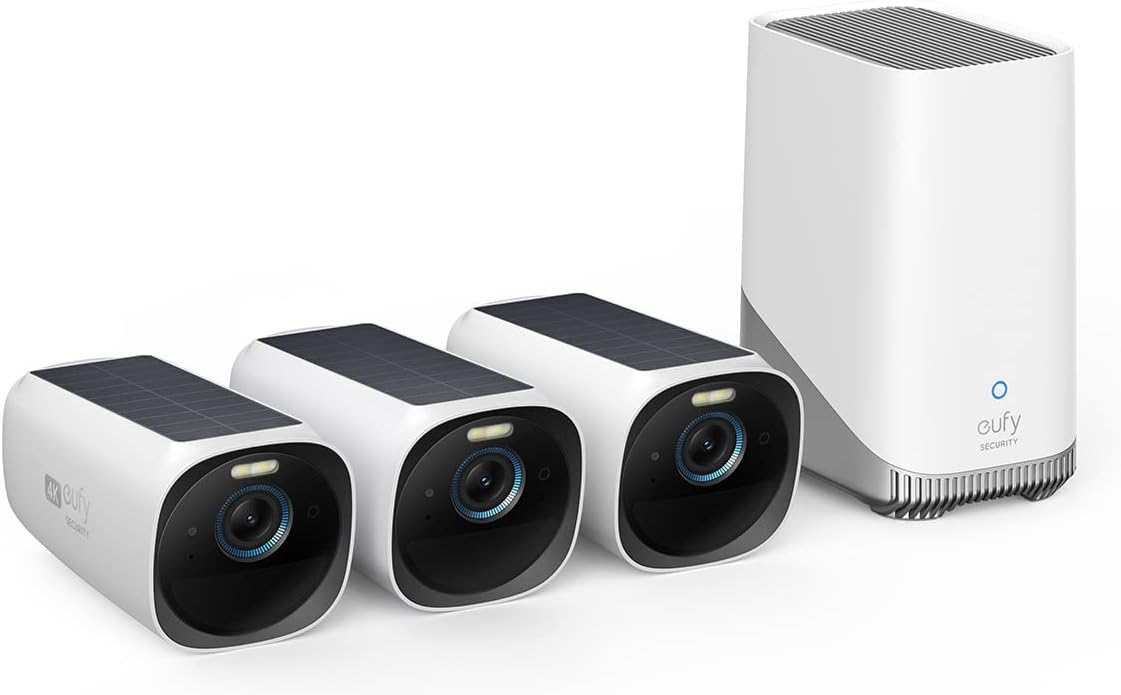
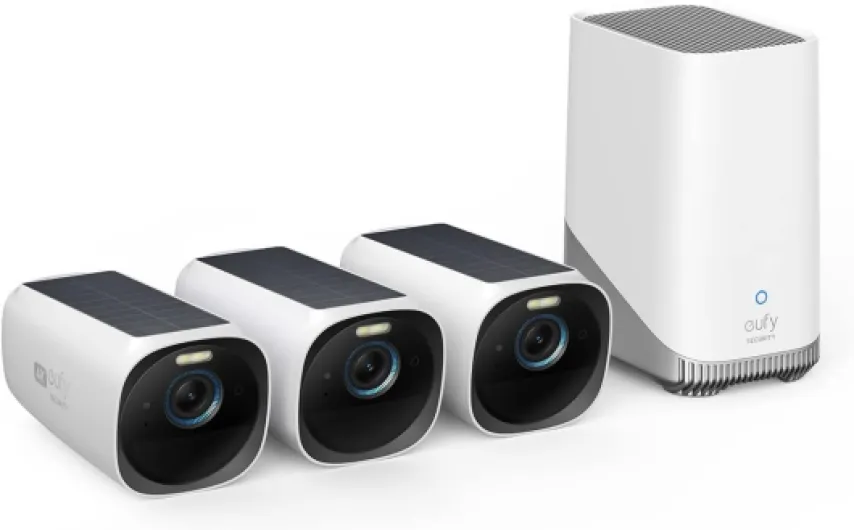
The design is pretty straightforward: white bullet‑style cameras with a black front, and the solar panel integrated into the top. They’re not tiny, but they don’t look ridiculous either. On my white exterior walls they blend in fairly well. If you’re expecting something super discrete, these are a bit bigger than the usual 1080p mini cams, but the size kind of makes sense given the battery and panel.
The camera body feels solid enough in the hand, not flimsy. It doesn’t feel like a cheap plastic toy, but it’s still plastic, nothing premium or fancy. The mount is where I have mixed feelings. It’s a protruding mount with a ball joint so you can aim the camera, but you really need to crank it tight. If you don’t tighten it hard, over a couple of weeks with wind or if someone bumps it, the angle can slowly droop. One Amazon reviewer mentioned this and I had basically the same experience on the driveway cam until I really tightened it down.
Access to buttons and ports is simple. There’s a sync button on the camera and a rubber flap for the charging port. You probably won’t use the charging port much if the solar is doing its job, but it’s there for initial setup or if the battery ever drops too low. The HomeBase is a small white box that just sits by your router. Nothing special there, but it’s small enough not to be an eyesore.
From a design point of view, the main plus is the integrated solar panel so you don’t have extra cables or separate panels to mount. The main minus is the mount needing serious tightening and the fact that adjusting the camera angle precisely while also thinking about sunlight direction is a bit of a balancing act. It’s fine once you’re done, but expect to get up and down the ladder a couple of times to get it right.
Solar "forever power" claim: where it works and where it doesn’t
The big selling point here is the integrated solar panel and the idea that you’ll barely ever have to charge the cameras. In my experience, that’s partly true and depends a lot on two things: how much direct sun the panel gets, and how much motion the camera has to record every day. My driveway camera, which gets decent sun for a few hours and sees 10–20 events a day, basically stays between 70% and 100% and doesn’t really drop. That lines up with what one Amazon reviewer said about their garage camera staying around 70% even in fall.
On the other hand, the camera under my covered porch, which only gets indirect light and fewer hours of sun, doesn’t charge as aggressively. It still slowly goes up on clear days, but if I crank the settings to maximum quality and long recording clips, the battery drains faster than the sun can compensate. It’s not dramatic, but I can see over a couple of weeks it might need a top‑up charge if activity is high (lots of deliveries, people coming and going). So the “2 hours of daily sunlight for forever power” is realistic only if that sunlight is actually direct and your camera isn’t constantly triggered.
When the camera does need charging, you plug it in with a cable like any other battery cam. It’s not the end of the world, but it defeats the whole point of “never charge again” if your placement has poor sun. For high‑traffic areas (like a busy front gate), I’d seriously consider either making sure it gets strong sun or even planning for a wired power option if possible, especially if you want long recording durations per event.
So overall, the battery + solar combo is pretty solid when the installation is right: good sun exposure and moderate motion. If you put one in a shaded area with lots of activity, expect it to behave more like a normal battery cam that lasts weeks, not months, between manual charges. It’s not magic, but when it works, it’s very convenient to basically forget about charging for months on end.
Outdoor toughness and long-term worries
In terms of physical durability, the cameras feel up to the job. They’re IP65 rated, and mine have been through heavy rain and some pretty nasty wind without any obvious issues. No water inside, no fogging under the lens, and the solar panel surface is still cleanable with a quick wipe. The plastic housing hasn’t faded or cracked so far, though that’s more of a long‑term thing that really shows after a couple of summers.
The mounts, as mentioned earlier, are the weak link mechanically. Once tightened they hold, but if you’re constantly adjusting or if you didn’t really torque them down, they can loosen slightly over time. I wouldn’t call it fragile, but it’s not rock solid like some metal mounts I’ve used on wired systems. If you live in a very windy area or somewhere people can easily reach and bump the camera, keep that in mind.
The bigger durability question for me is less about the hardware and more about support and ecosystem trust. One of the Amazon reviews you shared was pretty harsh about Eufy not honoring a replacement for a faulty camera even after months. That lines up with other comments I’ve seen online: some people get great support, others get the runaround. When you buy a system that’s all local and hub‑based, you’re betting on that company to keep the app working and to help you if the HomeBase or a camera fails.
So physically, I’d say the S330 kit is built well enough for regular outdoor use and bad weather. But if you care a lot about long‑term backup from the brand and fast replacements if something dies, Eufy is a bit of a question mark. Not terrible, but not the most reassuring either. If you’re unlucky and get a dud camera, you might have to push support pretty hard or go through the retailer’s return window instead.
4K video, motion detection, and AI: how it actually behaves day to day
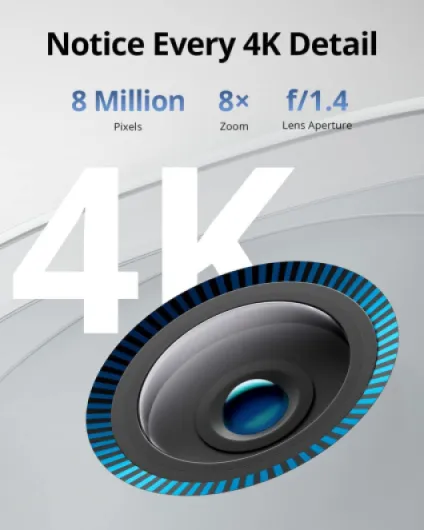
On video quality, the 4K claim is not just marketing. During the day, the picture is very sharp. I can clearly read license plates in my driveway if the car is reasonably close and facing the camera, and faces are easy to recognize. When you zoom in in the app, you actually get useful detail instead of a blurry mess. Compared to older 1080p kits I’ve used, this is a clear step up. At night, it’s not as crisp as daytime (obviously), but still good enough to see faces and clothes at typical porch/driveway distances. The “starlight” color night mode works okay if there’s some ambient light like street lamps; otherwise it falls back to standard IR black‑and‑white which is fine but nothing special.
Motion detection is where you might need to spend some time. Out of the box, I was getting more notifications than I wanted: tree shadows, cars in the distance, that kind of thing. After drawing detection zones and lowering sensitivity, it calmed down a lot. The system lets you set activity zones per camera and adjust the sensitivity slider. It works, but you do need to test it over a couple of days at different times (day, night, windy days). My garage/driveway camera still gets the occasional false alert when the wind really picks up, but it’s manageable.
The AI/face recognition (BionicMind) is decent, but not magic. After a week or so of tagging familiar faces in the app (me, family, regular visitors), it started to label most of us correctly. It still occasionally mislabels or just says “person detected” without a name, especially if someone is wearing a hat or seen from the side. I wouldn’t rely on it as some sort of perfect ID system, but it’s useful for quickly filtering “known people” vs “strangers” in the event list.
The app itself is pretty quick, even on mobile data. Live view loads in a few seconds, scrubbing through past events in the timeline is smooth enough. One thing I do miss is a proper desktop/web interface for easier zone drawing and settings; doing precise shapes with your finger on a phone screen, especially near the edges, is fiddly. Overall, performance is solid: the cameras record what I care about, the footage is clear, and the AI is a helpful bonus rather than a core feature I’d bet my house on.

What you actually get in the box and how it works
The kit I used is the 3‑camera bundle with the HomeBase (the hub that stores the footage). Each camera is 4K, battery powered, and has an integrated solar panel on top. They connect over 2.4 GHz Wi‑Fi to the HomeBase, which then plugs into your router. The HomeBase comes with 16 GB of internal storage, and you can plug in your own hard drive (up to 16 TB) if you want to keep months or years of video. No SD cards in the cameras, everything records back to the base.
In terms of features, on paper it’s loaded: 4K resolution, night vision with a “starlight” sensor, two‑way audio, face recognition (they call it BionicMind), motion detection zones, and integration with Alexa and Google Assistant. The cameras are IP65 rated, so they’re fine outside in rain and dust. The app is basically your control center: you watch live, check recordings, tweak motion zones, set notifications, and manage the AI stuff.
Setup is mostly app‑driven. You plug in the HomeBase, scan a QR code, then add each camera by pressing a sync button. For me, each camera paired in under a minute. The only slightly annoying part is finding mounts and angles that work: you want enough sun for the panel, but also a good view of the area, and you don’t want to put it so low that someone can just grab it. The mounts are standard screw‑in wall mounts, nothing fancy, but they do the job.
So in short: this is a hub‑based, local‑storage, 4K wireless system. No monthly fee is the main selling point, along with the promise that the solar panels keep the batteries topped up. If you’re used to Ring or Arlo with cloud subscriptions, this is a different approach: more control over your data, but you also rely more on Eufy’s app and HomeBase working properly, since there’s no cloud backup safety net unless you set up your own.
Pros
- Sharp 4K video with very good daytime detail and decent night performance
- Integrated solar panels reduce or even eliminate manual charging if placed in good sun
- Local, expandable storage up to 16 TB with no monthly subscription fees
Cons
- Motion detection and zones need time to tune, still some false alerts in tricky spots
- Mounts can loosen if not tightened hard, and support experiences are inconsistent
- Solar "forever power" heavily depends on direct sunlight and activity level
Conclusion
Editor's rating
The EufyCam S330 (eufyCam 3) 3‑camera kit is a pretty solid option if you care about three things: clear 4K footage, no monthly fees, and not having to climb a ladder every month to recharge batteries. When the installation is done right—good Wi‑Fi, decent sun exposure, and carefully set motion zones—it does its job quietly in the background. The video quality is genuinely sharp, especially in daylight, and the solar panels can keep you close to “set it and forget it” in many situations. The AI and face recognition are useful extras, but I’d treat them as a convenience, not as a magic feature.
On the flip side, it’s not perfect. Motion detection needs tuning, the mounts require serious tightening, the porch or shaded cameras might still need occasional charging, and Eufy’s support record is mixed based on user reports. If you’re the kind of person who wants everything polished and backed by top‑tier support, or if you’re okay paying for cloud storage in exchange for that, you might be happier with a Ring or Arlo setup. But if you want local storage, strong image quality, and you’re willing to spend a bit of time dialing it in, the S330 kit offers good value and solid day‑to‑day performance.