
Summary
Editor's rating
Value for money: strong features, but the hidden cost is real
Design and build: discreet and sturdy, but with a few quirks
Battery life: the big gap between the spec sheet and reality
Durability and reliability: weather is fine, software decisions less so
Image quality, motion detection and app: where it shines and where it nags
What you actually get and how it works day to day
Pros
- Good 2K HDR image quality with wide 160° field of view and decent colour night vision
- Easy wireless installation with solid Wi-Fi range through typical house walls
- App is simple to use and works with Alexa, Google Assistant and Apple HomeKit (with the right hub)
Cons
- Real-world battery life much shorter than the advertised 6 months in busy areas
- System feels heavily dependent on paid Arlo Secure subscription for zones and smart alerts
- Local storage requires an external USB drive on the hub, and access is less convenient than cloud

Specifications
View full product page →| Brand | Arlo |
A solid system, but only if you know what you’re getting into
I’ve been using the Arlo Pro 3 kit (2 cameras + SmartHub) at home for a while now, mainly to watch the front door and the garden. On paper it ticks a lot of boxes: 2K HDR, colour night vision, battery powered, wireless, works indoors and outdoors, and it plugs into Alexa / Google / HomeKit. In practice, it does a lot of stuff well, but there are a few catches that you really feel once you’ve lived with it for a couple of weeks.
The first thing to know is that this system is very much built around the Arlo Secure subscription. Yes, you can use it without a subscription, and you still get live view, motion alerts and two-way audio, but all the “smart” parts that make daily use less annoying are basically locked behind the paid plan. When my trial ended, the difference in how usable the cameras felt was pretty brutal.
The second point is battery life. The marketing talks about “6-month battery life”, but that’s clearly in very light use. On a normal UK house with a street out front, you’ll be nowhere near that. Once you start getting a lot of motion events (cars, people, postman, cats, whatever), you see the batteries dropping much faster, and you either have to tweak the settings a lot or accept that you’ll be charging more often than you’d like.
That said, the core of the product is decent: the image is sharp, the field of view is wide, the app is simple enough, and the wireless range is actually better than I expected through brick walls. If you’re ready to pay a subscription and either charge regularly or wire them up with a cable/solar panel, it’s a pretty solid home security setup. If you want something that “just works” with no ongoing cost and no faff, this isn’t that.
Value for money: strong features, but the hidden cost is real
In terms of price, the Arlo Pro 3 kit sits in that mid-to-high bracket: more expensive than basic 1080p standalone cams, cheaper than a fully wired professional CCTV system, especially once you factor in installation. For the money, you’re getting 2K HDR video, decent night vision, wireless installation, a SmartHub, and integration with Alexa/Google/HomeKit. That’s not bad on paper. The hardware feels solid enough, and the video quality is clearly a step up from the bargain-bin stuff.
The problem is the ongoing cost and the compromises if you don’t pay it. With Arlo Secure, the system feels fully featured: smart notifications (people vs cars vs animals), activity zones, cloud storage, and theft protection for the cameras. Without it, you drop back to basic motion alerts and local-only recording (if you add a USB drive). As one angry reviewer said, it goes from “flawless” during the trial to “unbearable” if your camera points at a busy area and you suddenly lose zones and smart filtering. That’s not an exaggeration – your phone really can start pinging constantly, and your batteries drain quicker because the camera is recording everything.
Battery life also hits the value argument. If you need to buy extra charging cables or solar panels to make the cameras less of a hassle, the total cost creeps up fast. Same with mounts if you want more solid or flexible mounting options. On the flip side, if you were going to pay for a security system anyway, paying a monthly fee for cloud storage and AI detection might not bother you, and then the package starts to look more reasonable.
So for value, I’d say it’s pretty solid for people who accept the subscription model and are okay tinkering with settings. You get good image quality, easy installation, and a mature app. But if you’re very price sensitive, hate subscriptions, and want true long battery life with no extras, there are cheaper wired or simpler systems that might suit you better, even if they don’t look as clean or have as many features.
Design and build: discreet and sturdy, but with a few quirks
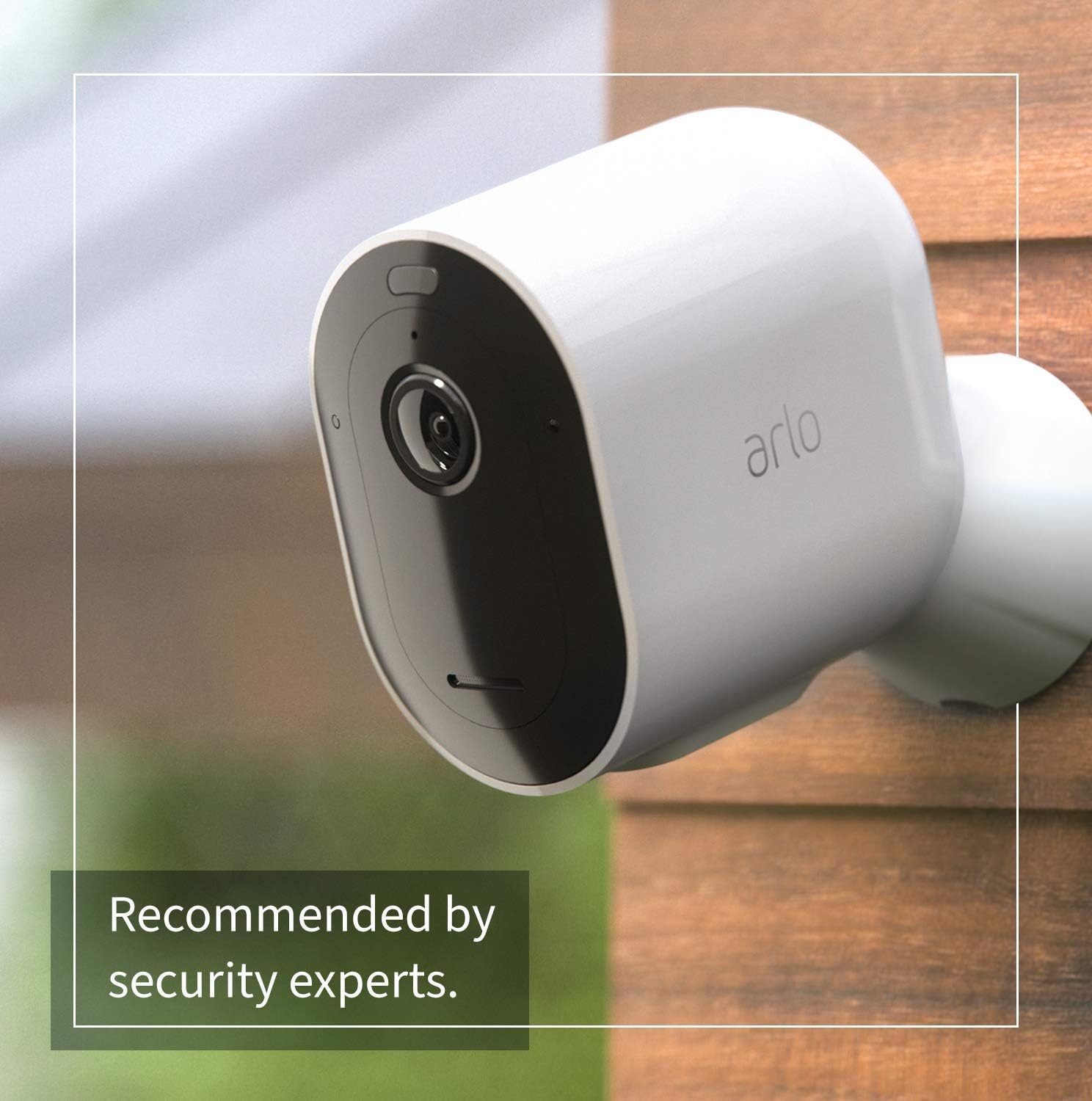
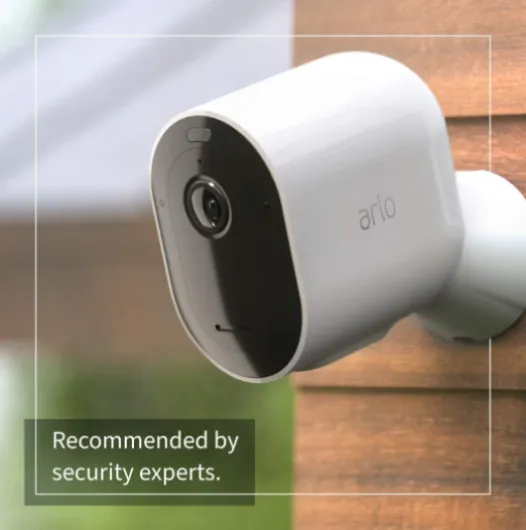
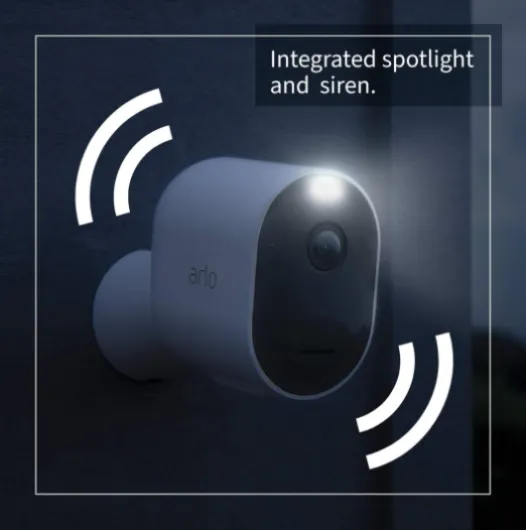
Design-wise, the Arlo Pro 3 cameras are compact and fairly discreet. The black version blends nicely on darker brick or near black guttering and soffits. They’re not tiny, but they don’t scream “industrial CCTV” either. The bullet-style shape with the rounded front is simple, and the integrated spotlight and sensor are cleanly integrated in the face. For a home setup, it looks fine – modern enough, but nothing flashy.
The build feels solid. They’re IP65 rated, so they’re fine in rain and typical UK weather. Mine have been outside through a couple of nasty downpours and some sun and haven’t shown any signs of moisture issues or fogging. The rear of the camera has the mount point and the magnetic charging port. The magnets for both the mount and the charger are strong, which makes it easy to pop them off for charging, but also means if someone really wants to, they can just grab the camera and walk off. Arlo does offer theft replacement with the subscription, but still, it’s something to keep in mind.
You get two types of mounts in the box: one magnetic mount and one screw mount per kit. Personally I think Arlo is a bit stingy here; two of each would make more sense. The magnetic mount is super easy to use and lets you adjust the angle quickly, but it’s better suited to places you can reach easily since removing the camera is so simple. The screw mount grips the camera more firmly and feels more secure for higher or more exposed spots.
The SmartHub itself is pretty bland: a small white box that sits near your router. It doesn’t take much space, but one thing I didn’t love is the external USB drive requirement for local storage. I also expected some internal storage, but no, you have to plug a USB drive in, which makes the whole setup a bit bulkier and messier with cables. Overall, the design is practical and fairly robust, but there are a few small annoyances that show this is designed more for Arlo’s ecosystem and subscription than for clean, standalone use.
Battery life: the big gap between the spec sheet and reality
This is probably the most important part to understand: the claimed “up to 6-month battery life” is technically possible only in very light use, and most people won’t see anything close to that. In my case, with one camera watching the front of the house (moderately busy street) and another on the back garden (quieter), the front camera needed a recharge after about 3–4 weeks, while the back one lasted closer to 6–7 weeks. That lines up with what a few Amazon reviews say: busy area = fast drain.
Why? Because every motion event, every recording, every live view and every use of the spotlight eats into the battery. If you leave everything on high quality and don’t limit the recording length, the battery drops quickly. You can stretch it by doing a few things: lowering video quality slightly, reducing the maximum clip length, turning off the spotlight unless really needed, and tweaking motion sensitivity so it doesn’t record every passing car. But then you’re compromising on the very features you bought the camera for.
In practice, I ended up doing what one reviewer mentioned: for the front camera, I got a compatible charging cable and permanently routed it to a nearby socket. That way it basically runs as a wired camera most of the time, and I don’t have to climb a ladder every month. For the back camera, which is easier to reach from a window, I just pop it off and charge it with the magnetic cable. The good part is that the magnetic charger is quick and convenient; the annoying part is having to do it more often than the marketing implies.
If your cameras are mounted high up and you don’t want to mess around with ladders or cables, this is a real downside. You can add solar panels, but that’s extra cost on top of an already pricey system. So, battery life is not catastrophic, but it’s definitely not “set and forget”. It’s manageable if you plan for it – either by wiring the cameras where possible, or by accepting a monthly-ish charging routine – but if you were expecting true 6-month autonomy in a normal suburban setup, you’ll be disappointed.
Durability and reliability: weather is fine, software decisions less so
On the physical durability side, I don’t have much to complain about. The cameras are rated IP65 and behave like it. They’ve handled rain, wind and a couple of cold nights without any obvious issues – no condensation inside the lens, no rust or weird marks on the mounts so far. The plastic and metal parts feel decent, not flimsy. The magnetic mounts still hold firm after several removals for charging. So in terms of build and weather resistance, they seem up to the job for outdoor use.
Where durability gets more subjective is the long-term reliability of the system and the ecosystem. The connection between the cameras and the SmartHub has been stable for me. One user mentioned being surprised that the Wi-Fi held up through thick brick walls over about 20 meters; I had a similar experience – I expected dropouts, but the signal stayed usable. I’ve had the odd moment where the live view takes longer to load or fails once, but nothing dramatic. Firmware updates happen from time to time and haven’t broken anything on my side, but that’s always a risk with cloud-linked gear: you’re at the mercy of Arlo’s updates and servers.
The bigger question is how dependent you are on Arlo’s subscription and cloud services over time. Without a subscription, you still get local storage if you plug a USB drive into the hub, but accessing that footage remotely is more limited and clunkier. There’s always the concern that in a few years Arlo might tweak plans, remove features, or push harder on subscriptions. One Amazon reviewer basically said they regretted investing heavily in the ecosystem (cameras, floodlights, doorbell, solar panels) because the system felt deliberately frustrating without a subscription. I wouldn’t go that far, but you can feel that the product is designed around the paid service.
So from a pure hardware standpoint, durability seems good: the cameras feel like they’ll last several years outside without falling apart. From a “will this system still feel usable in three or four years if Arlo changes things?” standpoint, there’s a bit more uncertainty. If you’re okay with that trade-off and you’re not allergic to subscriptions, it’s fine. If you want a system that’s fully yours with no dependency on a cloud service, this isn’t that.
Image quality, motion detection and app: where it shines and where it nags
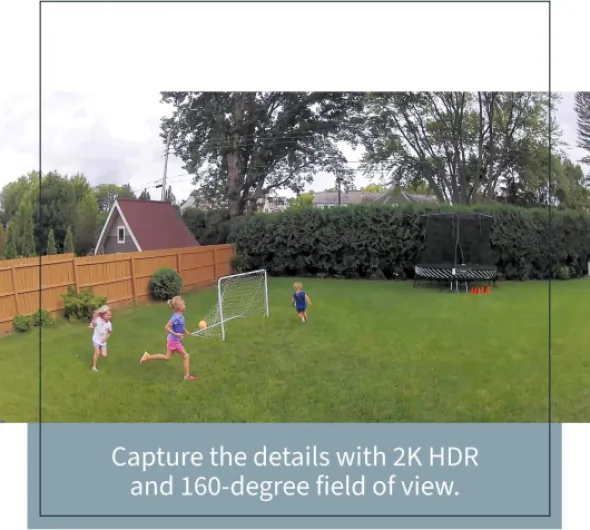
On the performance side, the 2K HDR video is genuinely good for a consumer wireless cam. During the day, faces and number plates are clear enough at reasonable distances, and the 160° field of view covers a lot of area. You can zoom in up to 12x in the app; it’s still digital zoom so it gets grainy, but it’s usable for checking details like which delivery company it was or what a person was wearing. Compared to cheaper 1080p cameras I’ve used, the extra resolution is noticeable.
At night, you’ve got two options: standard infrared black-and-white, or colour night vision using the built-in spotlight. The normal night vision does the job – not pretty, but you can see what’s going on. With the spotlight on, you get colour and more detail, which is genuinely useful if you want to identify a person or a car. Just be aware the spotlight can be a bit harsh and may annoy neighbours if it triggers a lot, so placement and sensitivity matter. A couple of reviewers mentioned leaving an outside light on instead; that works too and lets you keep the spotlight off or on a lower use.
Motion detection is a bit of a double-edged sword. The cameras are sensitive, which is good because they don’t miss much, but out of the box they can be too sensitive. Leaves, shadows, passing cars – they all trigger alerts. With the subscription, you can tame this with activity zones and smart notifications (only alert for people, for example), and it becomes much more manageable. Without that, you’re stuck with basic motion alerts, and if your camera faces a busy area, you’ll either get spammed or you’ll have to crank the sensitivity down and risk missing things.
The app is straightforward: live view, timeline of recordings, settings per camera. Streaming starts in a couple of seconds on my connection, not instant but acceptable. Two-way audio works, and the microphone is quite sensitive – you can hear conversations and street noise clearly. The built-in siren is there, but to be honest I barely use it; it’s more of a backup feature than something you trigger daily. Overall, performance is pretty solid for a wireless system, but you really feel the difference between using it with and without the subscription – with it, it feels like a smart system; without, it feels like a basic motion camera with good image quality.
What you actually get and how it works day to day
This kit is the classic Arlo Pro 3 bundle: 2 wireless cameras, 1 SmartHub (base station), 2 rechargeable batteries, 2 mounts, 2 magnetic charging cables and the usual screws and quick start guide. Important detail: these cameras need the Arlo base station, they don’t connect directly to your router like some cheaper Wi-Fi cams. So if you buy an extra camera later, you either need this kit or an existing hub.
The setup itself is fairly painless. You plug the SmartHub into your router, install the Arlo app, and it walks you through pairing the cameras. Mine were up and running in under 30 minutes, including firmware updates. The cameras show up in the app with a live view, battery level, Wi-Fi signal strength and a bunch of settings (motion sensitivity, audio, spotlight, etc.). If you use Alexa, Google Assistant or Apple HomeKit (with the right hub version), they slot in without much drama.
In daily use, the cameras send notifications to your phone when they detect motion or sound. With the subscription, you can filter those alerts by person, vehicle, animal, or package, and set “activity zones” so the camera ignores, say, the pavement and only cares about your driveway. Without the subscription, it just fires off generic motion alerts, and this is where it can get annoying fast if your camera sees a busy street. One user review wasn’t exaggerating: without zones, your phone can go crazy.
So overall the product is positioned as a mid-range wireless security system: better image and features than basic budget cams, but not a full wired CCTV setup. It does the job for monitoring entrances, gardens, garages, etc., as long as you accept two things: you’re basically expected to pay for Arlo Secure after the trial, and you’ll need to think about how you’ll handle recharging or powering the cameras long term.
Pros
- Good 2K HDR image quality with wide 160° field of view and decent colour night vision
- Easy wireless installation with solid Wi-Fi range through typical house walls
- App is simple to use and works with Alexa, Google Assistant and Apple HomeKit (with the right hub)
Cons
- Real-world battery life much shorter than the advertised 6 months in busy areas
- System feels heavily dependent on paid Arlo Secure subscription for zones and smart alerts
- Local storage requires an external USB drive on the hub, and access is less convenient than cloud
Conclusion
Editor's rating
The Arlo Pro 3 two-camera kit is a solid wireless security setup if you go in with realistic expectations. The good parts are clear: sharp 2K video, decent colour night vision with the spotlight, wide 160° field of view, easy installation, and a stable wireless connection even through typical house walls. The app is straightforward, the microphones are sensitive, and integration with Alexa/Google/HomeKit is a nice bonus if you’re already in those ecosystems.
Where it stumbles is mainly around battery life and the heavy push towards the subscription. In a real-world, moderately busy environment, you’re not getting anywhere near 6 months on a charge unless your camera barely triggers. Expect something closer to a few weeks to maybe a couple of months, unless you wire it up or add solar. And without the Arlo Secure subscription, you lose smart notifications and activity zones, which makes the cameras much more spammy and less efficient, especially if they face a street. It still works, but it feels like a downgrade from what you get during the free trial.
If you want a clean-looking wireless system with good image quality and you’re okay paying monthly for the smarter features, this kit is a decent choice. It’s especially suitable for people who can easily reach their cameras for charging or are happy to run power cables or solar panels. If you hate subscriptions, need true long-term battery life, or want a “buy once and forget about it” solution, you’ll probably be annoyed and might be better off with a wired NVR system or cheaper, simpler Wi-Fi cams.