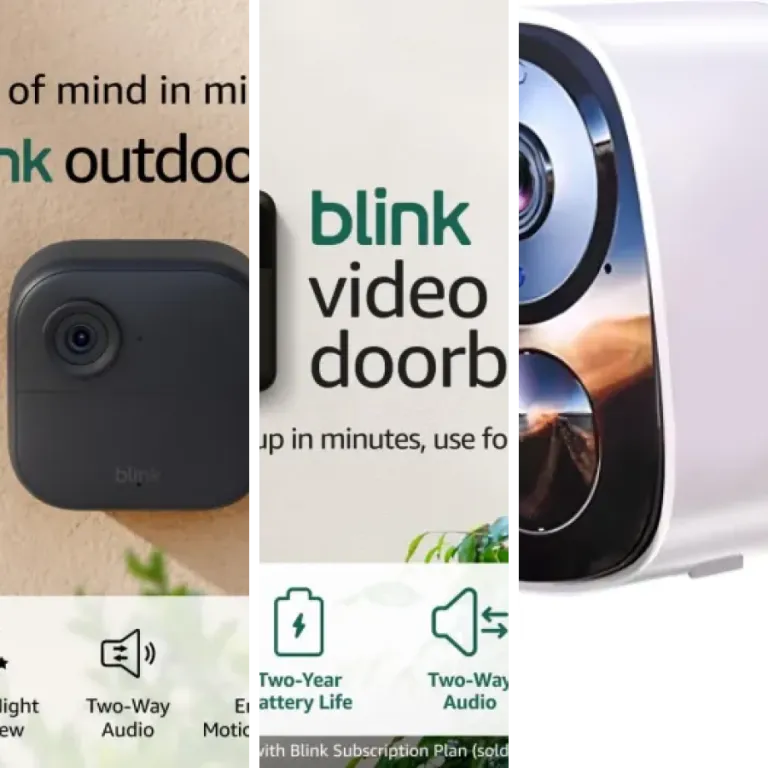
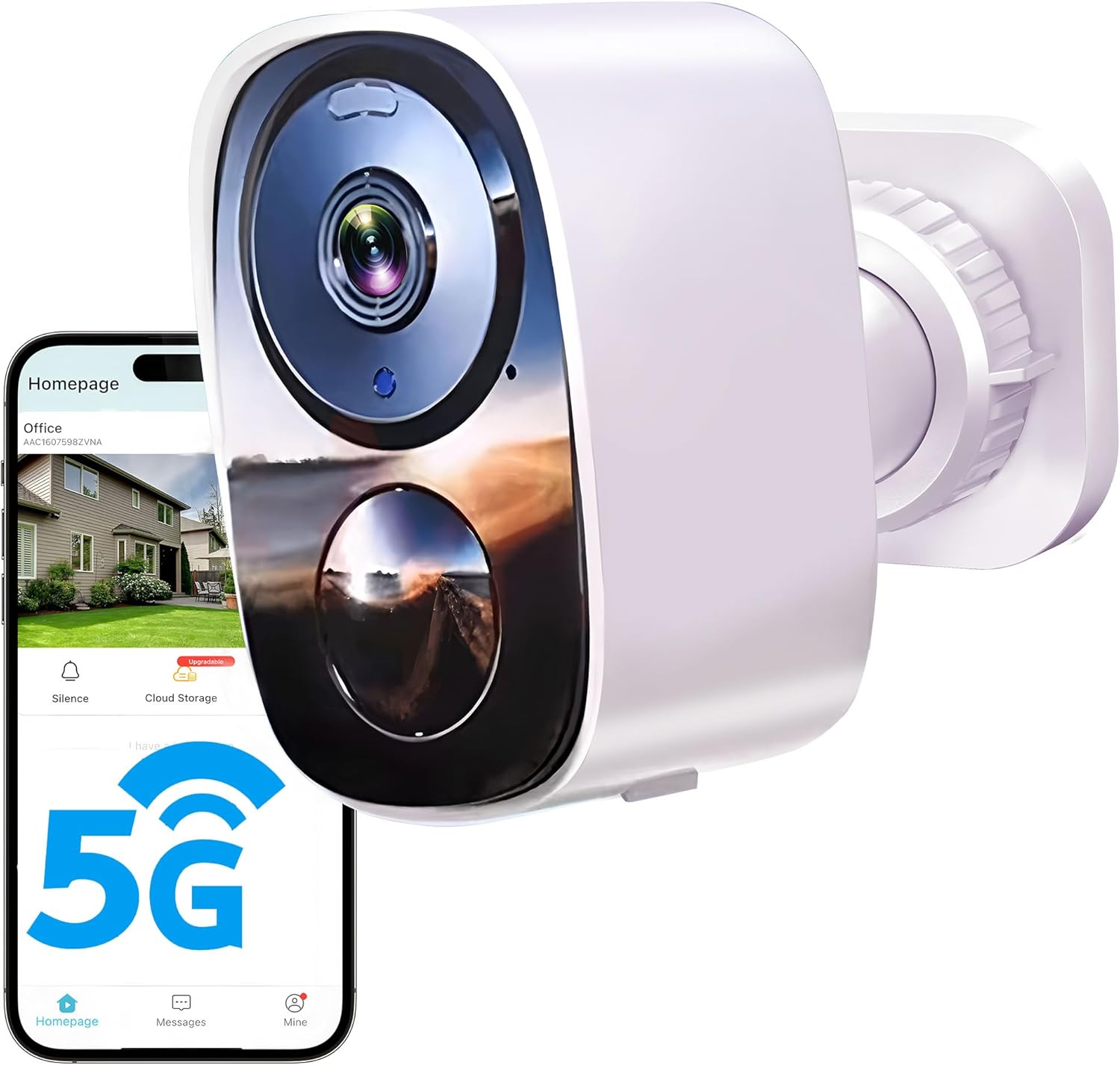
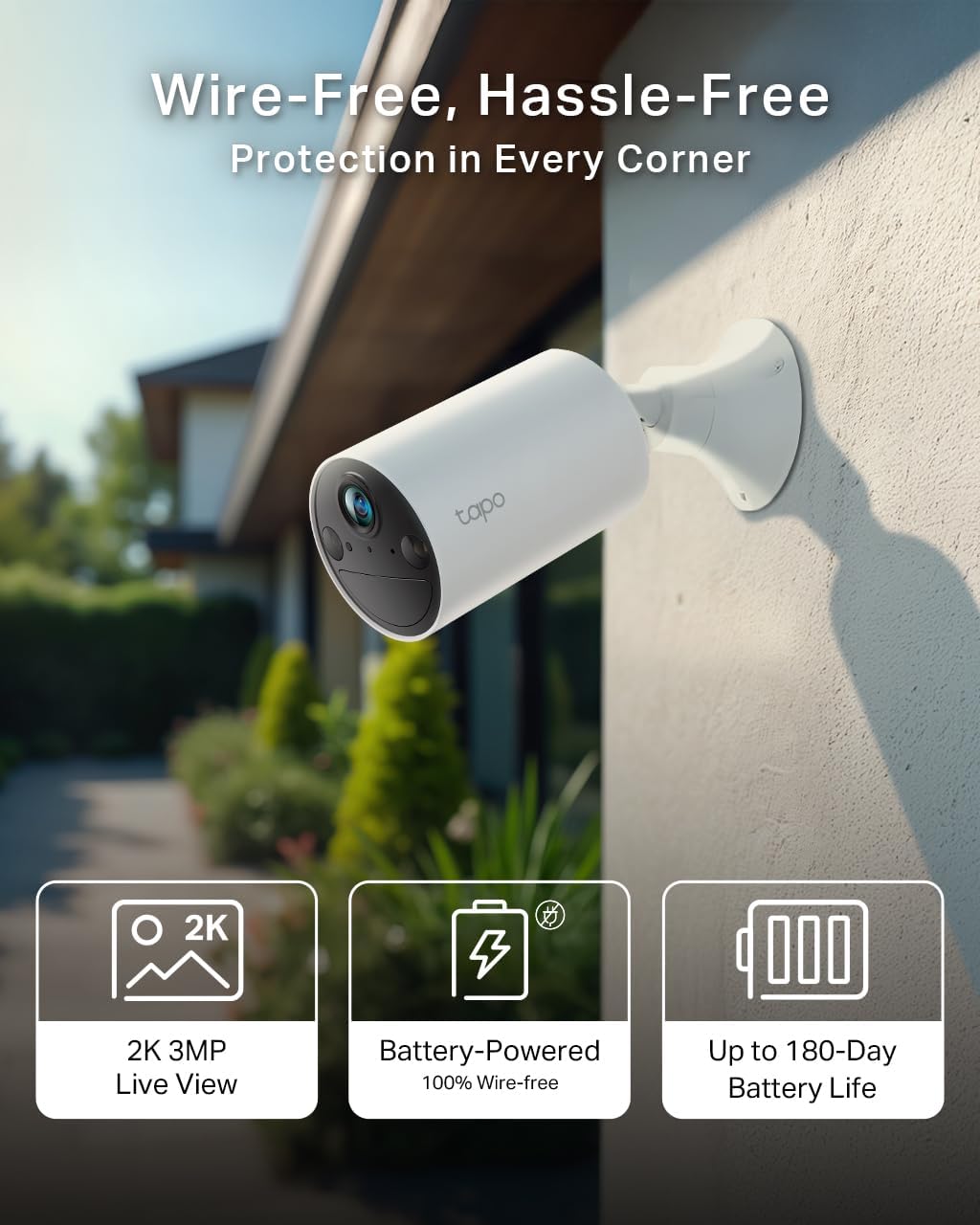
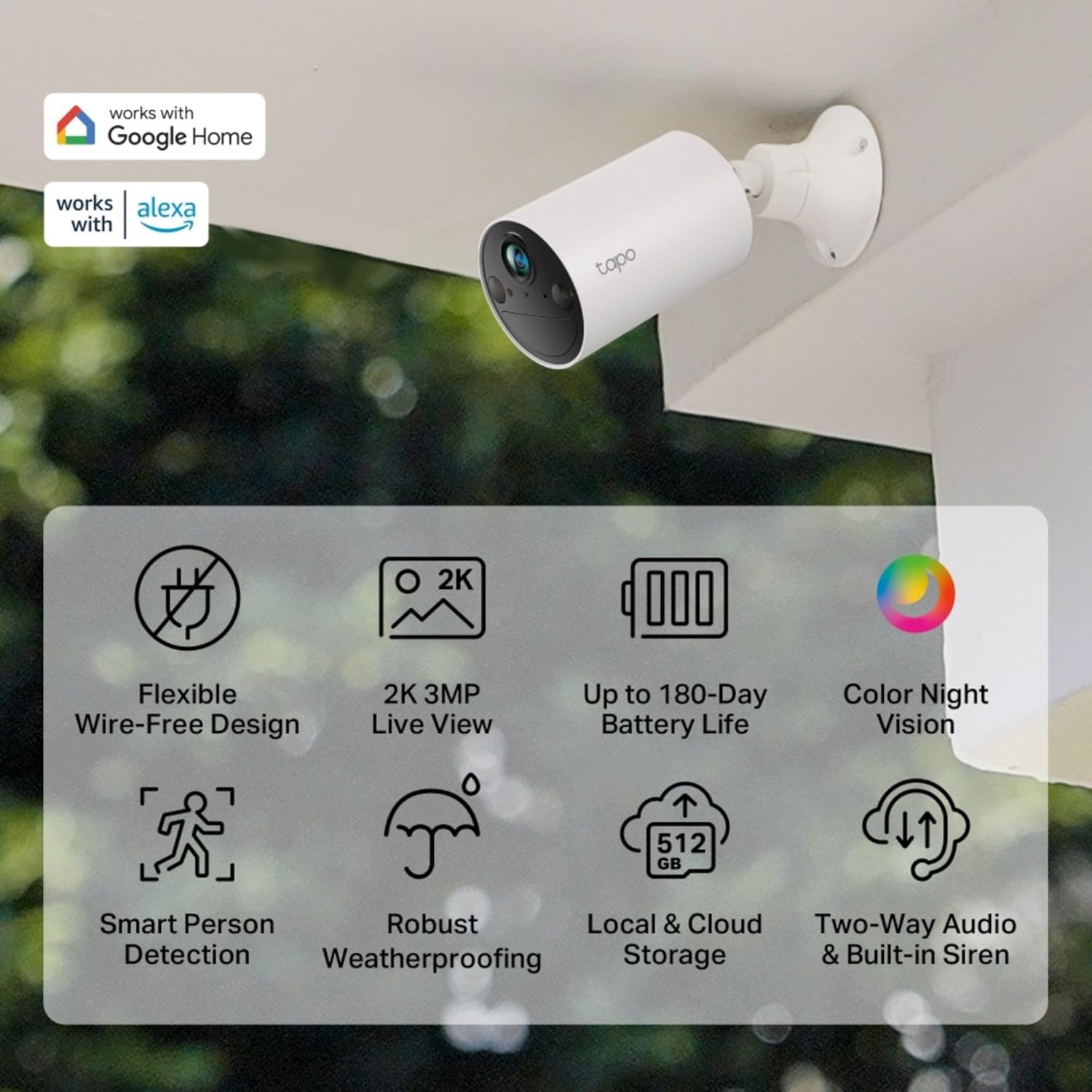
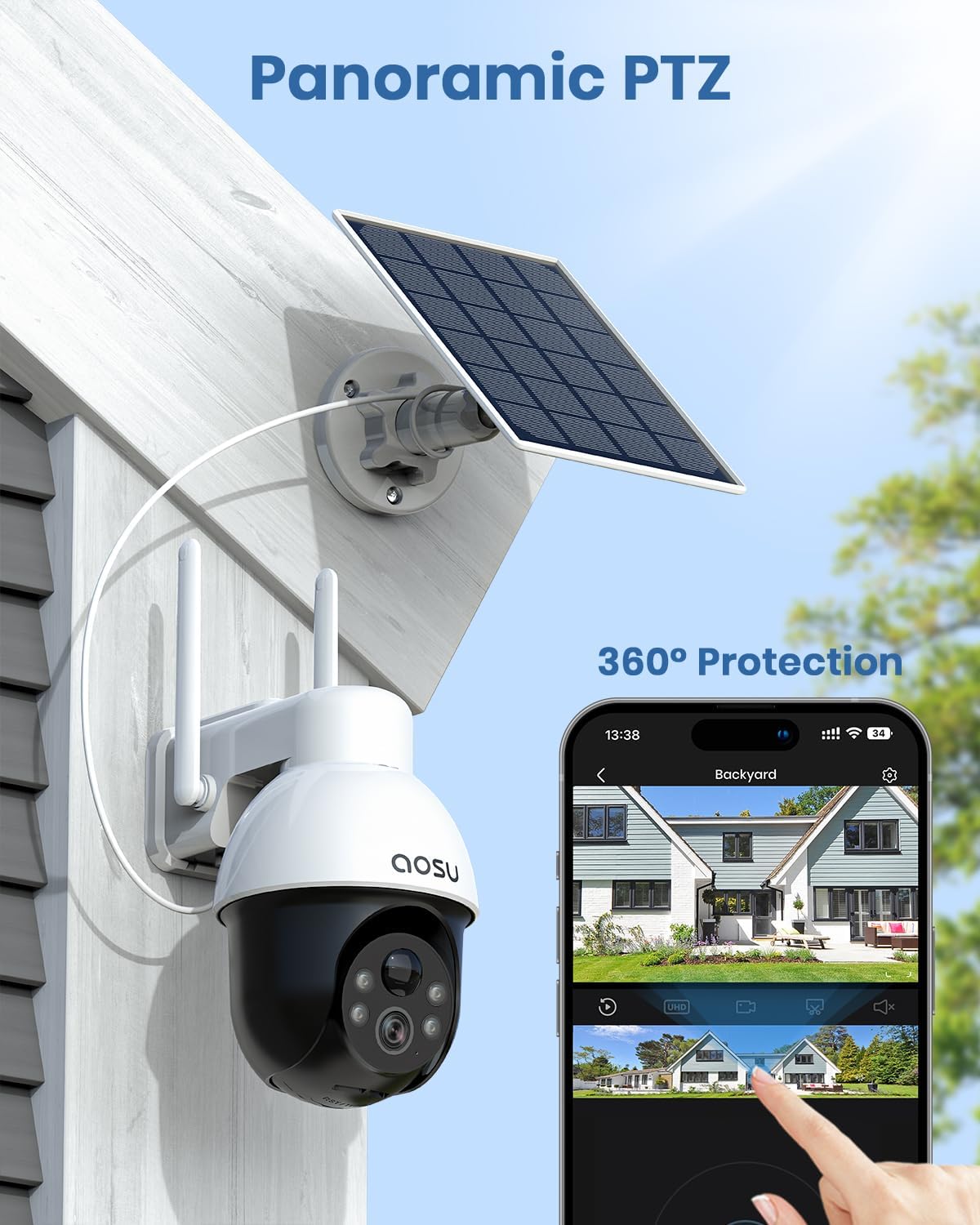
Key features that define the best battery powered security cameras
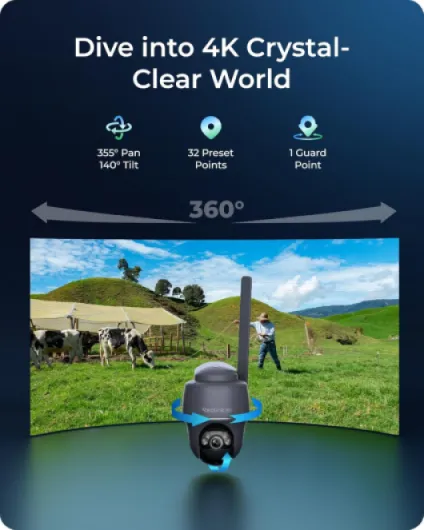
Several core features separate an average security camera from the best battery powered security cameras. Resolution and video quality come first, because a clear video clip makes identification easier for you and for the police. Look for at least 1080p video, but remember that higher resolution can reduce battery life and increase video storage needs.
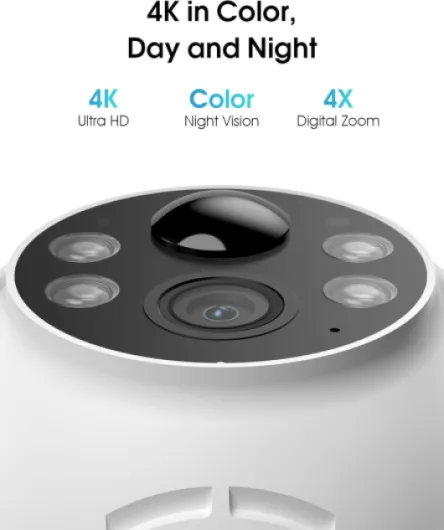
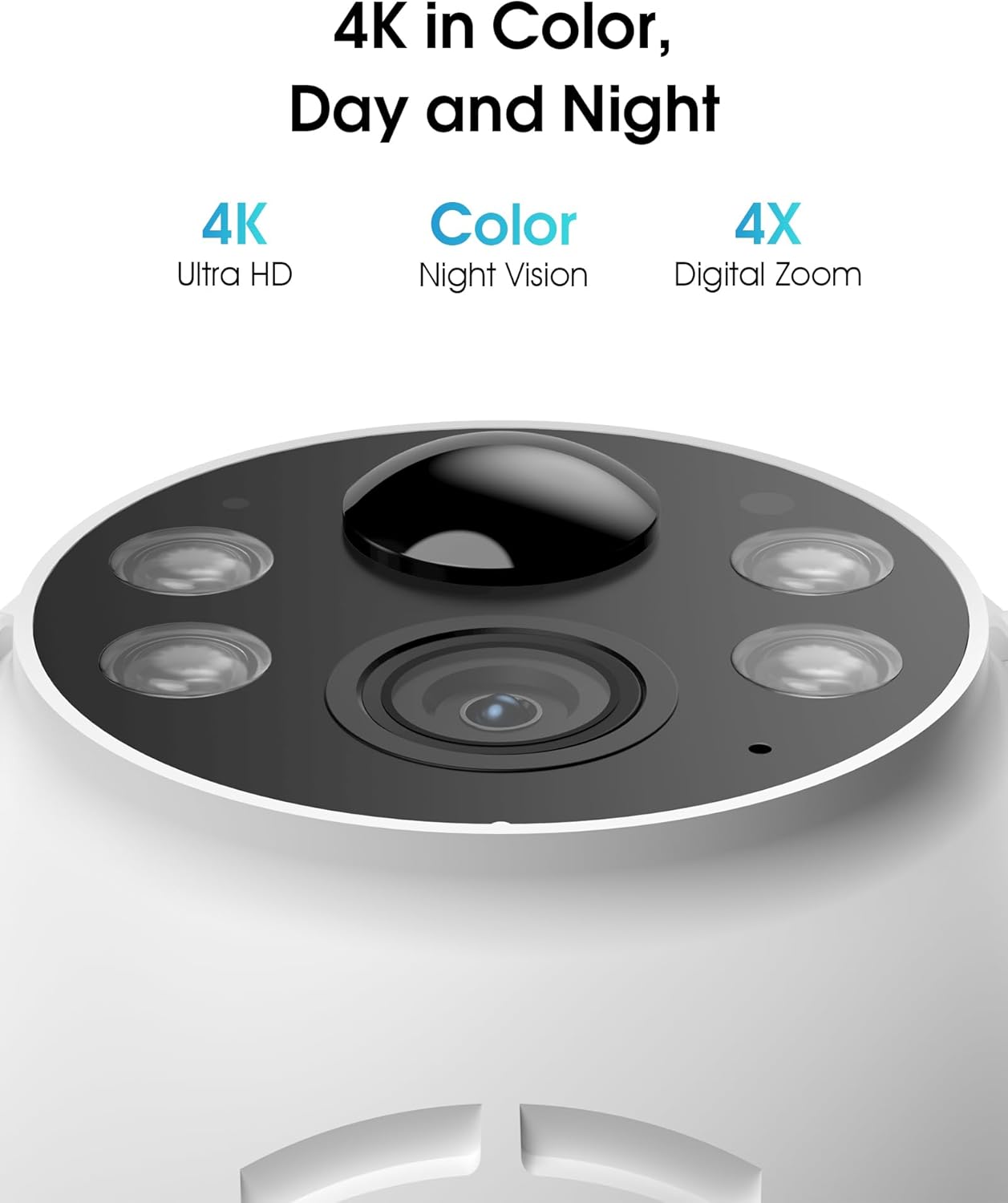
Night performance is equally critical, especially for outdoor security around entrances and driveways. Traditional infrared night vision shows only grey scale images, while newer color night vision uses additional lighting or advanced sensors to reveal color details. If you rely on a wireless outdoor cam to monitor a dark alley, color night capabilities can transform a vague outline into a recognisable face.
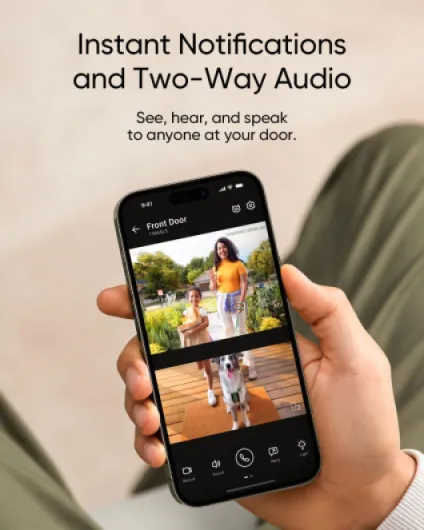
Smart integration also matters when choosing a battery powered security camera. Many people want a cam that works with Alexa Google, Google Nest displays, or a smart TV, so they can view security cameras hands free. Check whether the camera app supports routines, for example turning on a smart light when motion detection triggers at night.
Storage and subscription models deserve close scrutiny before you commit. Some battery powered cameras include free local video storage on a microSD card or base station, while others push you toward paid cloud storage. Read the subscription terms carefully, because long term costs can outweigh a low initial price on Amazon or other retailers.
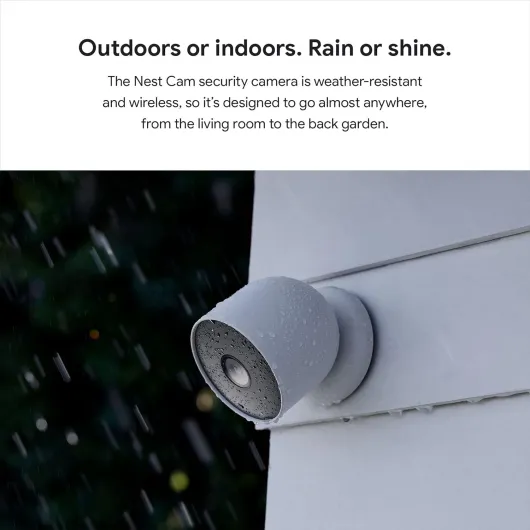
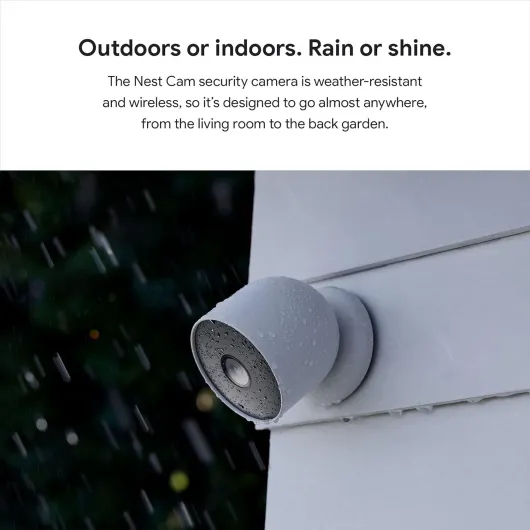
Do not overlook build quality and weather resistance for any outdoor cam or video doorbell. A robust wireless outdoor camera with a solid mount, sealed ports, and reliable powered security electronics will withstand storms better than a budget plastic cam. For readers comparing wired PoE options, this detailed guide to a specialised home security camera switch shows how infrastructure differs from fully wireless systems.
Balancing battery life, motion detection, and video storage
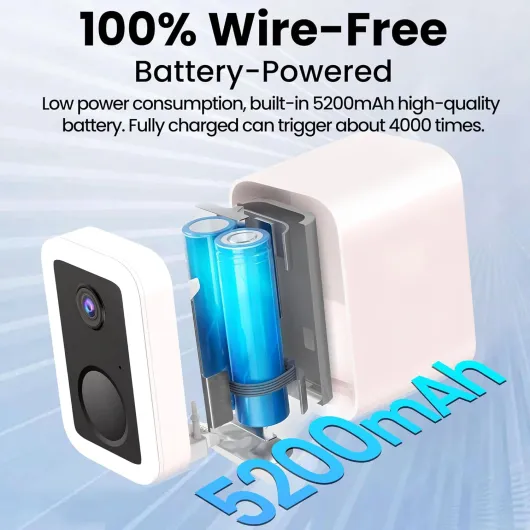
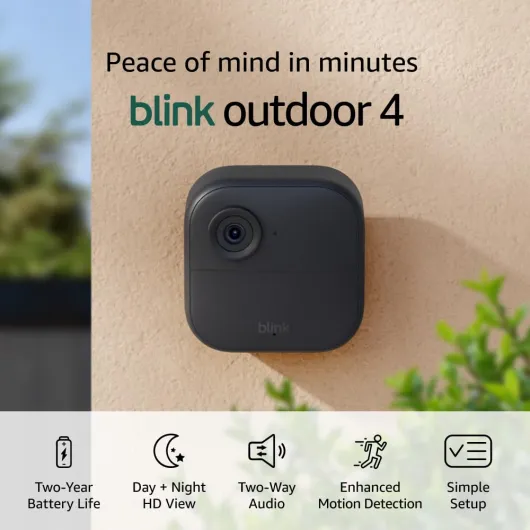
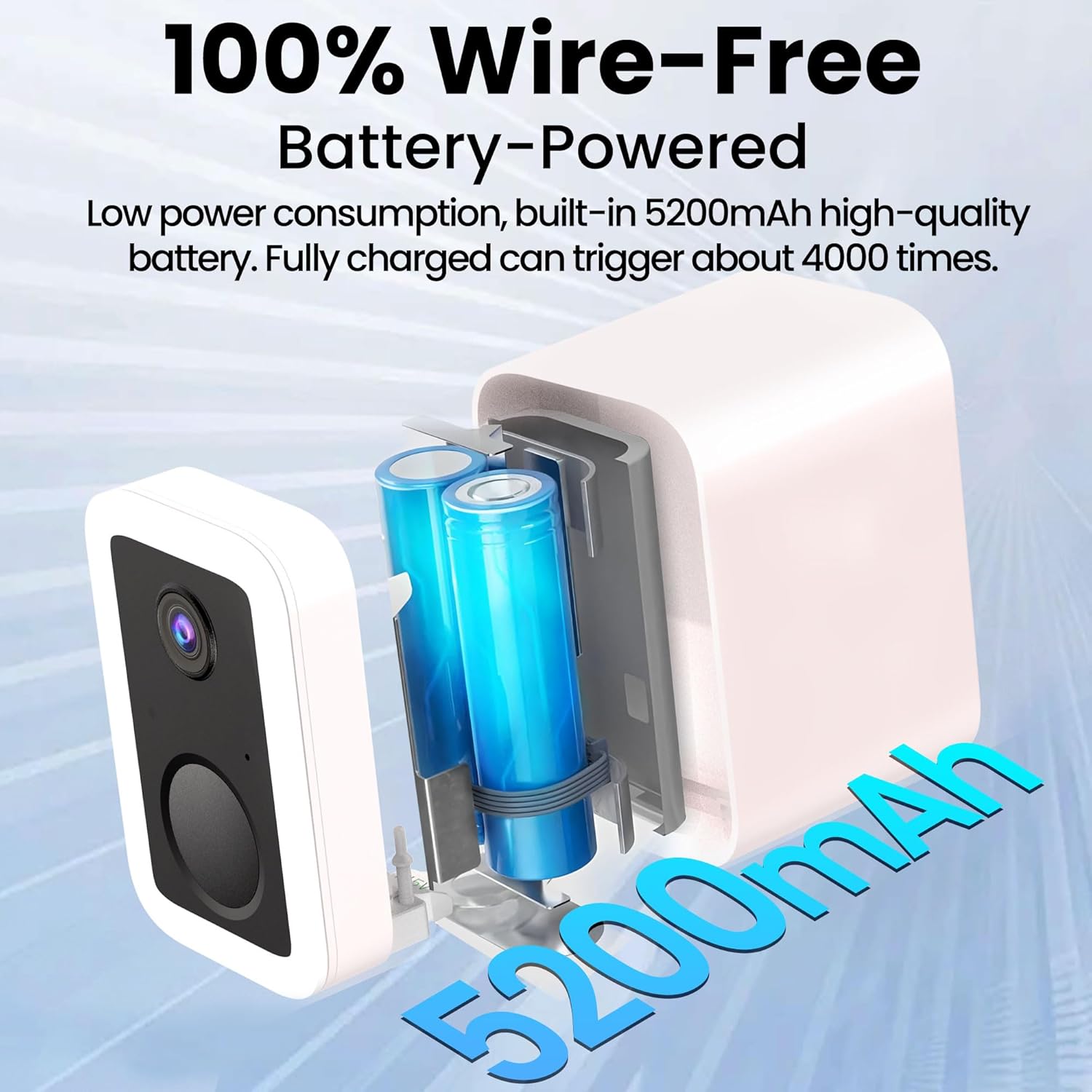
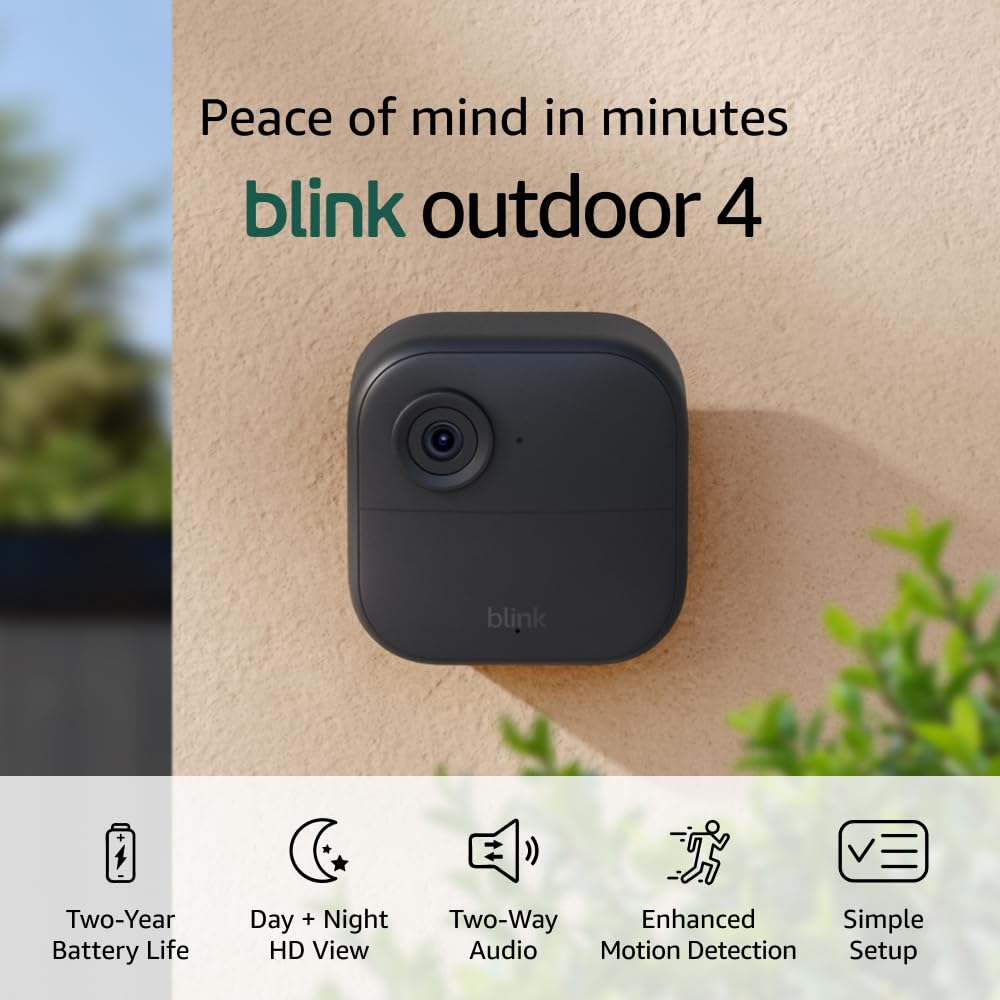
Battery life is the quiet hero of every battery powered security camera. A cam that needs recharging every few weeks quickly becomes a chore, especially if you mount several cameras high on exterior walls. The best battery powered security cameras balance efficient video encoding, smart motion detection, and low power wireless radios to stretch each battery charge.
Motion detection settings strongly influence how long a battery powered cam will run. If your security cameras watch a busy street, constant triggers will drain the battery and fill your video storage with unhelpful clips. Look for adjustable zones, sensitivity sliders, and human detection filters that reduce false alerts from pets, trees, or passing headlights at night.
Storage choices also affect both convenience and privacy for every security camera. Cloud storage can protect video evidence even if a thief steals the cam, but it usually requires a subscription and a stable internet connection. Local video storage on a hub or microSD card avoids monthly fees, yet you must protect that device as part of your overall outdoor security plan.
Some of the best battery powered security cameras now offer hybrid approaches. A Tapo or Eufy outdoor cam might record continuous video locally while sending only motion detection highlights to the cloud. This approach reduces subscription costs, preserves bandwidth, and still gives you quick access to key events through a smart app.
If you are unsure how to tune motion detection for indoor areas, this guide on choosing the right motion activated camera explains practical settings in more depth. Apply similar principles to any battery powered security camera, whether it is a compact indoor cam or a rugged wireless outdoor model. Over time, careful adjustments will protect battery life while still capturing the video that truly matters.
Comparing brands like Tapo, Eufy, and Google Nest
When people search for the best battery powered security cameras, they often compare Tapo, Eufy, and Google Nest. Each brand offers a mix of cameras, from a simple indoor cam to a weather sealed outdoor cam or video doorbell. Understanding how these ecosystems differ helps you avoid buying a camera that clashes with your existing smart home.
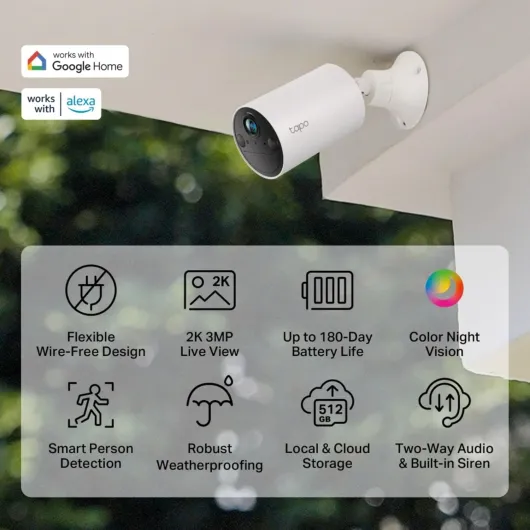
Tapo focuses on value, offering wireless security cameras that integrate with smart plugs and lights. A Tapo outdoor cam or indoor camera usually supports microSD video storage, which reduces reliance on cloud storage subscriptions. If you already use a Tapo link tapo router or smart plug, adding a battery powered Tapo cam can feel seamless.
Eufy emphasises privacy and local video storage in its battery powered security camera range. Many Eufy security cameras record to a home base, keeping video on your premises rather than in remote cloud storage. This approach suits people wary of ongoing subscription costs, yet it still allows smart alerts, motion detection zones, and reliable night vision.
Google Nest positions its battery powered security cameras as part of a broader Google ecosystem. A Nest cam or Nest video doorbell works smoothly with Google Assistant, Nest displays, and other Google smart devices. If you already rely on Alexa Google in parallel, check compatibility lists carefully, because some Nest features remain tuned primarily for Google services.
Whichever brand you choose, compare warranty terms, firmware update policies, and long term app support. A cam with strong hardware but weak software quickly feels dated, especially as new features like advanced color night vision or smarter motion detection arrive. For a different angle on value, this review of an easy setup multi cam solar security kit highlights how some systems avoid fees while still offering robust powered security.
Positioning your cameras for effective outdoor security
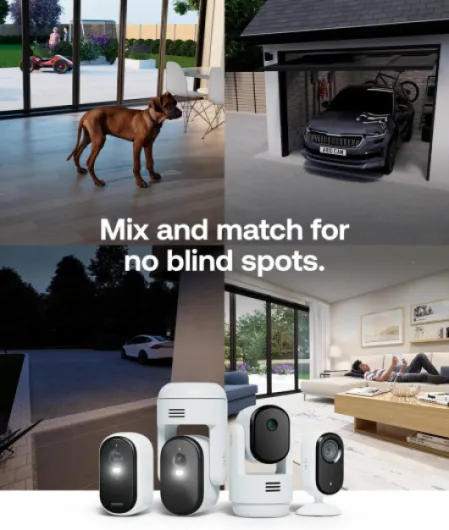
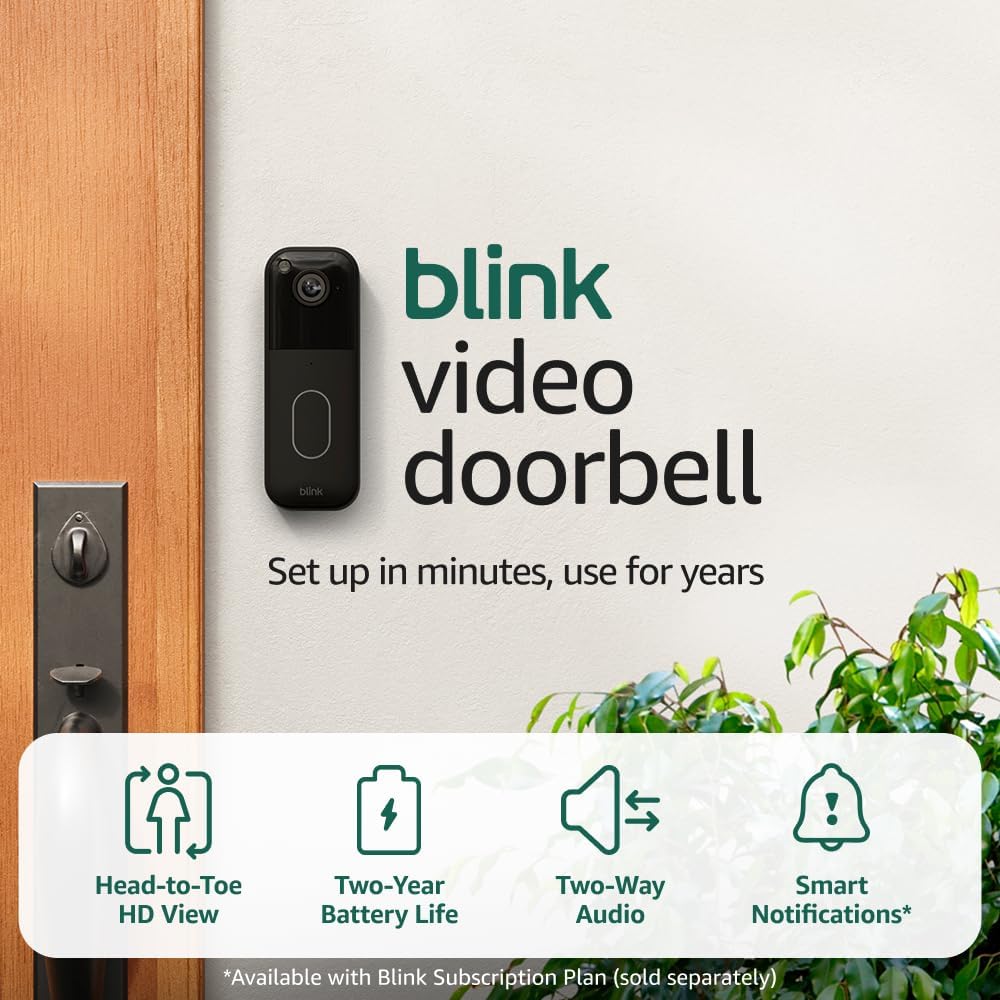
Even the best battery powered security cameras fail if you place them poorly. Start by mapping key entry points, including front doors, back doors, ground floor windows, and any side gates. A mix of a video doorbell, an outdoor cam above the driveway, and an indoor cam facing the hallway often gives layered protection.
Height and angle matter for every security camera, whether wired or battery powered. Mount cameras high enough to deter tampering, yet low enough to capture faces rather than just heads or caps. Avoid pointing wireless outdoor cameras directly at bright lights or the sun, because glare can wash out color and reduce night vision clarity.
Think about how motion detection behaves in each zone you monitor. A camera aimed along a path, rather than across a busy road, usually triggers fewer false alerts and preserves battery life. Use the app to fine tune detection zones so that your security cameras focus on your property, not the pavement or a neighbour’s garden.
For outdoor security, ensure each cam has a clear wireless path back to your router or hub. Thick walls, metal garages, and long distances can weaken the signal, causing missed video clips or delayed alerts. In some cases, adding a Wi Fi extender near your outdoor cam or video doorbell stabilises the connection and protects your powered security investment.
Finally, consider privacy and legal obligations when positioning cameras. Avoid filming public spaces more than necessary, and respect neighbours by angling each security camera away from their windows. Thoughtful placement, combined with strong features like color night vision and reliable cloud storage, turns the best battery powered security cameras into a discreet yet powerful shield.
Evaluating value, subscriptions, and long term reliability
Price alone rarely tells the full story when comparing the best battery powered security cameras. A low cost cam on Amazon might seem attractive, but hidden subscription requirements for cloud storage can raise the total cost of ownership. Before buying, calculate how much you will pay over several years for video storage, extra features, and potential add on cameras.
Examine the small print around subscription tiers for each security camera brand. Some offer basic motion detection alerts and limited video history for free, while advanced analytics or extended video storage require monthly payments. If you plan to install multiple wireless outdoor cameras and an indoor cam, these fees can multiply quickly.
Reliability over time depends on both hardware durability and software support. Look for brands that issue regular firmware updates to patch security vulnerabilities and improve motion detection or night vision. A cam with strong encryption, secure cloud storage, and transparent privacy policies contributes to overall powered security for your home.
Battery life claims also deserve a sceptical eye, because real world conditions rarely match laboratory tests. Cold weather, frequent motion events, and heavy live viewing can shorten the battery life of any battery powered security camera. Reading independent tests and long term user feedback helps you judge whether a particular cam or range of cameras truly qualifies as a best battery choice.
Finally, consider how easily you can expand or adapt your system. A flexible ecosystem lets you add a new outdoor cam, upgrade a video doorbell, or reposition an indoor camera without replacing everything. By weighing subscriptions, hardware quality, and ecosystem flexibility together, you can select the best battery powered security cameras that remain dependable for many years.
Key statistics about battery powered security cameras
- Up to 100 percent of battery powered security camera installations avoid drilling into mains powered wiring, which particularly benefits renters and short term tenants.
- In many residential case studies, adding wireless outdoor cameras to cover driveways and gardens has reduced successful break ins by between 30 and 50 percent.
- Surveys of home users show that more than half now prefer security cameras with optional rather than mandatory cloud storage subscriptions.
- Field tests indicate that careful tuning of motion detection can extend battery life by between 20 and 40 percent on busy streets.
- Across several brands, models that offer color night vision record identifiable details in low light up to twice as often as cameras with standard infrared only night vision.
Common questions about the best battery powered security cameras
Are battery powered security cameras reliable enough for primary home protection ?
Battery powered security cameras have become reliable enough to serve as the main layer of home protection for many households. Their wireless design, improved battery life, and smart motion detection allow continuous monitoring without complex wiring. For critical areas, some people still combine a battery powered cam with a wired backup camera to add redundancy.
How often do I need to recharge a battery powered security camera ?
Recharge intervals vary widely, typically ranging from a few weeks to several months. The exact battery life depends on motion activity, video quality settings, temperature, and how often you view live feeds. Adjusting motion detection sensitivity and limiting unnecessary notifications can significantly extend the time between charges.
Do I need a subscription for cloud storage with these cameras ?
Many battery powered security cameras work without a subscription, but features may be limited. A subscription often unlocks extended cloud storage, advanced motion detection analytics, and richer notification options. If you prefer to avoid ongoing fees, choose a camera that supports local video storage while keeping cloud storage strictly optional.
Can battery powered cameras integrate with Alexa Google and other smart assistants ?
Most leading brands now support at least one major voice assistant, such as Alexa Google or Google Assistant. Integration usually allows you to view camera feeds on smart displays, arm or disarm modes, and control related smart devices. Always confirm compatibility lists before purchase, especially if you mix brands like Tapo, Eufy, and Google Nest in the same home.
What should I prioritise when choosing the best battery powered security cameras ?
Prioritise clear video quality, dependable motion detection, and sufficient battery life for your environment. Next, evaluate storage options, subscription costs, and how well each camera fits your existing smart home ecosystem. Finally, consider build quality, weather resistance for outdoor security, and the flexibility to expand with more cameras over time.