

Understanding ptz cameras and their unique features
What Makes PTZ Cameras Stand Out in Home Security?
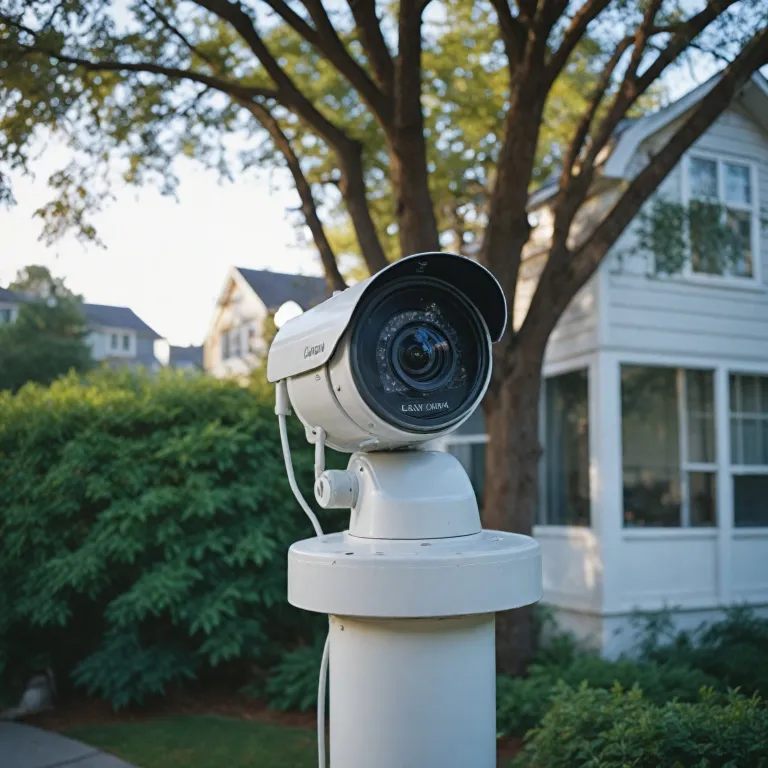
PTZ cameras, short for Pan-Tilt-Zoom cameras, are a step ahead in the world of home security solutions. Unlike traditional security cameras, PTZ models offer advanced camera control, allowing users to pan (move left and right), tilt (move up and down), and zoom in or out, all remotely. This flexibility means you can cover a wider area with a single camera, reducing blind spots and improving overall security.
Key Features That Define PTZ Technology
- Optical Zoom: PTZ cameras often come with powerful optical zoom capabilities, letting you see details at a distance without losing video quality. This is especially useful for identifying faces or license plates.
- Auto Tracking: Many modern PTZ cameras feature smart motion detection and auto tracking, which means the camera can follow moving objects automatically, keeping them in frame for better monitoring.
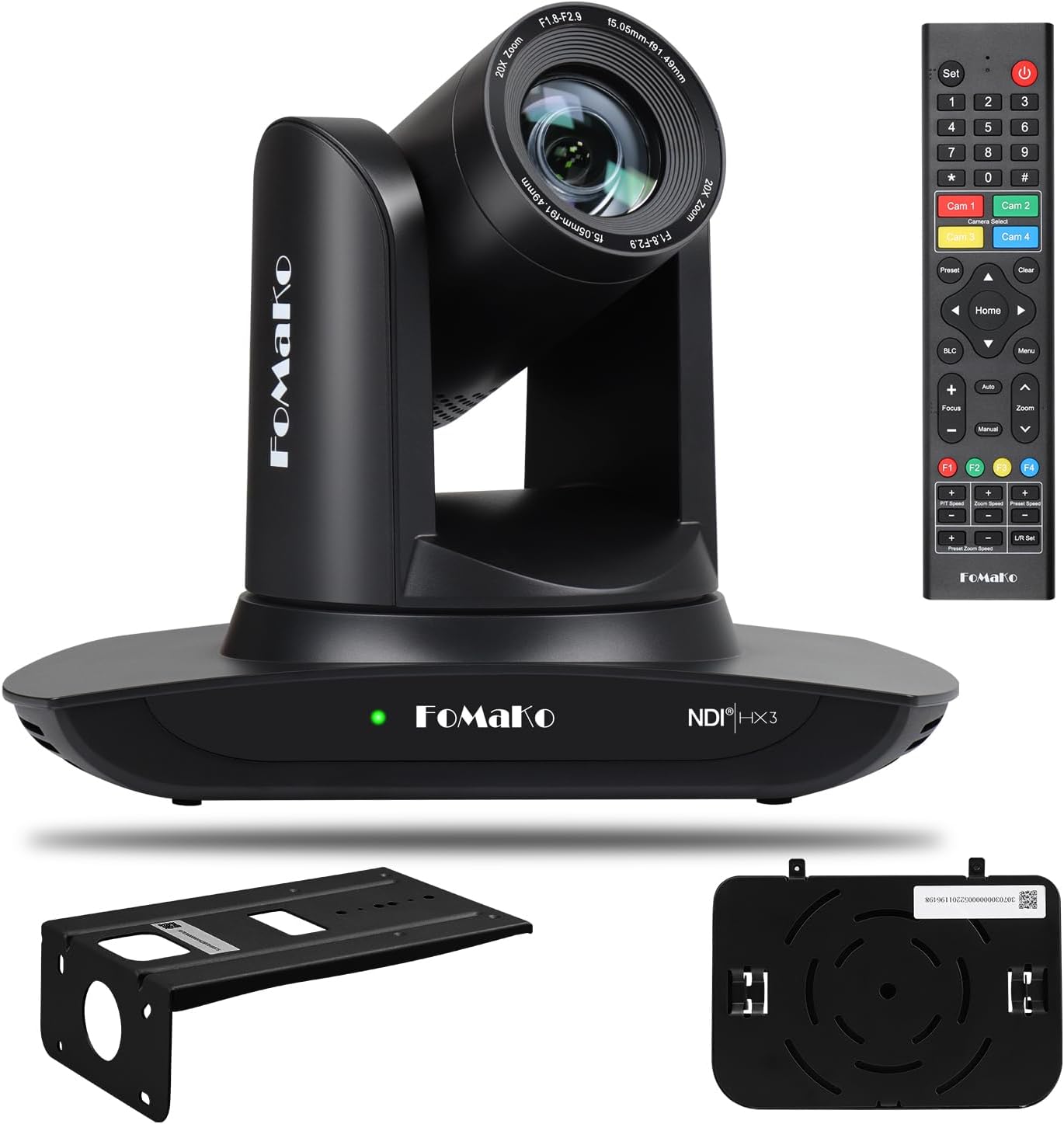
- Live Streaming and Video Production: PTZ technology supports live streaming, making it easy to monitor your property in real time from anywhere. Some models even support NDI, HDMI, SDI, or USB connections for seamless integration with video production systems.
- Flexible Installation: PTZ cameras are available in various camera series and products, including models designed for both indoor and outdoor use. Options like sdi usb or hdmi sdi outputs provide compatibility with different security systems and streaming setups.
How PTZ Cameras Fit Into Modern Security Systems
With their advanced tracking, streaming, and zoom features, PTZ cameras are increasingly popular for homeowners looking to upgrade their security cameras. They can be integrated with other smart security systems, offering a comprehensive approach to home protection. Whether you need a camera for live streaming, video production, or simply want better control over your home’s surveillance, PTZ cameras deliver flexibility and reliability.
For a deeper dive into how PTZ cameras work and their unique features, check out this guide to PTZ camera benefits.
Advantages of using ptz cameras for home security
Why PTZ Cameras Stand Out in Home Security
PTZ cameras—short for pan, tilt, and zoom—bring a new level of flexibility and control to home security. Unlike traditional security cameras, PTZ models let you remotely adjust the camera’s direction and zoom in on specific areas, all in real time. This means you can actively monitor your property and respond to suspicious activity as it happens, not just review footage after the fact.
Enhanced Coverage and Smart Tracking
One of the biggest advantages of PTZ cameras is their ability to cover wide areas with a single device. Thanks to their pan and tilt functions, you can monitor large spaces without needing multiple fixed cameras. Optical zoom lets you focus on details—like license plates or faces—without losing video quality. Many PTZ camera series now include smart motion detection and auto tracking, so the camera can follow movement automatically, making it easier to capture important events.
- Live streaming and control: PTZ cameras support live streaming, letting you check in on your home from anywhere. Camera control is often available via smartphone apps or desktop software, making it simple to adjust views or zoom remotely.
- Integration with modern systems: PTZ cameras often feature HDMI, SDI, USB, or NDI outputs, making them compatible with a range of video production and security systems. This flexibility helps homeowners build a security solution that fits their needs.
- Advanced technology: Features like auto tracking, smart motion alerts, and even integration with home automation systems are becoming standard in many PTZ camera products.
Real-World Applications and Versatility
PTZ cameras are not just for outdoor security. With options for ceiling mounts and discreet installations, they can be used indoors as well. For example, mounting a PTZ camera on a drop-down ceiling can provide a wide field of view while keeping the device out of sight. For more on this setup, check out enhancing home security with a PTZ camera mounted on a drop-down ceiling.
Key Features at a Glance
| Feature | Benefit |
|---|---|
| Pan, Tilt, Zoom (PTZ) | Wide area coverage and detailed focus |
| Optical Zoom | Clear, close-up video without loss of quality |
| Auto Tracking | Follows moving objects automatically |
| Motion Detection | Alerts you to activity in real time |
| Multiple Outputs (HDMI, SDI, USB, NDI) | Easy integration with security and video production systems |
With these capabilities, PTZ cameras offer a dynamic and responsive security solution that adapts to your needs. Whether you’re interested in live streaming, advanced tracking, or integrating with other security products, PTZ cameras provide the technology and control to help keep your home safe.

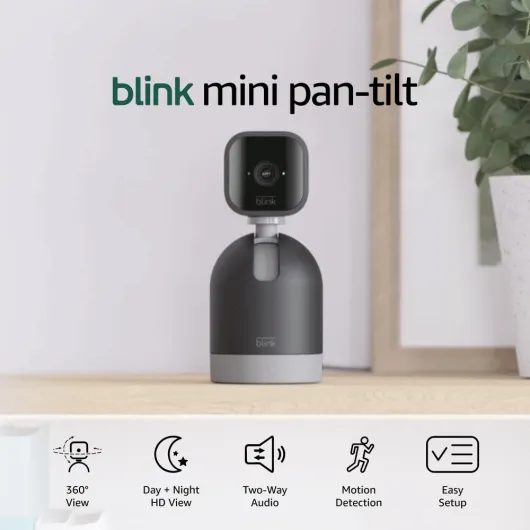
- + 360° pan coverage
- + HD video quality
- + Two-Way Talk feature
- + Compact design

Key considerations before installing ptz cameras at home
Assessing Your Home Environment for PTZ Camera Installation
Before installing a PTZ camera at home, it’s important to evaluate your property’s layout and security needs. PTZ cameras, with their pan, tilt, and zoom capabilities, offer flexible coverage, but their effectiveness depends on strategic placement and integration with existing security systems.
- Coverage Area: PTZ cameras excel in large, open spaces where their optical zoom and auto tracking features can monitor wide areas. Consider whether your yard, driveway, or entryways require this level of surveillance, or if fixed security cameras would suffice in smaller zones.
- Connectivity and Power: Check if your home supports the necessary connections for PTZ cameras, such as ethernet (for camera NDI or IP streaming), HDMI SDI, or USB for video production setups. Some models require PoE (Power over Ethernet), while others may use standard power outlets.
- Lighting Conditions: Evaluate the lighting around your property. PTZ cameras with advanced optical technology and smart motion detection can perform well in low light, but placement near light sources can further enhance video clarity.
- Integration with Other Systems: If you already have security solutions in place, ensure your new PTZ camera is compatible. Many modern cameras support integration with alarm systems, smart home hubs, and live streaming platforms for real-time monitoring and control.
- Mounting Options: Decide whether you need wall, ceiling, or pole mounts. Some camera series offer drop-down ceiling mounts, which can be ideal for discreet indoor surveillance.
Technical and Practical Considerations
- Network Bandwidth: PTZ cameras, especially those used for live streaming or high-resolution video production, can consume significant bandwidth. Make sure your internet connection can handle continuous video streaming without lag.
- Camera Control: Look for models with intuitive camera control interfaces, either via mobile apps or dedicated controllers. Features like auto tracking and smart motion detection can reduce manual intervention.
- Product Specifications: Compare different products and camera series for features such as optical zoom, motion detection, and auto tracking. Some PTZ cameras are designed for professional video production, while others focus on home security.
- Budget and Value: PTZ cameras come in a range of prices depending on their technology and features. Consider your budget and prioritize features that align with your security goals.
For those interested in securing mobile homes or RVs, specialized PTZ cameras are available. Learn more about choosing the right RV surveillance camera for mobile home security to ensure you select a camera that fits your unique needs.
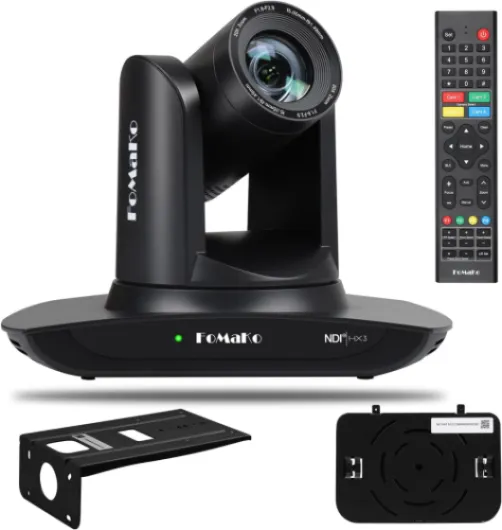
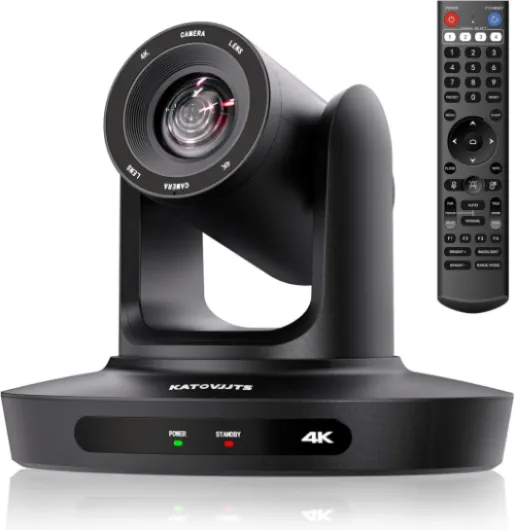
- + AI Auto-Tracking for hands-free operation
- + 20x Optical Zoom for detailed shots
- + Multiple Connectivity Options: LAN, USB3.0, HDMI
- + Designed for Versatile Use: suitable for church services, worship, and education
- + NDI Compatibility: Supports NDI 6 & NDI HX3
Privacy concerns and legal aspects of ptz cameras
Balancing Surveillance and Personal Privacy
PTZ cameras bring advanced features like auto tracking, optical zoom, and smart motion detection to home security. However, their ability to pan, tilt, and zoom raises important privacy questions. Since these cameras can cover wide areas and adjust their view remotely, homeowners must be careful about where and how they install them. It’s essential to avoid pointing cameras at neighbors’ properties or public spaces where people expect privacy.
Legal Compliance and Responsible Use
Before installing PTZ cameras or any security cameras, check local laws and regulations. Many regions have strict rules about video recording, especially when it comes to audio capture or streaming. Some laws require visible signs that inform visitors about video surveillance. Failing to comply can lead to legal issues or fines. Always review your area’s privacy laws and consult official resources for guidance.
- Position cameras to monitor only your property boundaries
- Disable audio recording if not legally permitted
- Use privacy masking features, available on many camera series, to block sensitive areas from view
- Inform household members and guests about live streaming or recording
Data Security and Access Control
With PTZ cameras supporting live streaming, remote control, and integration with other security systems, protecting your video data is crucial. Choose products with strong encryption and secure access protocols, especially if you use USB, HDMI SDI, or NDI technology for video production or remote viewing. Set strong passwords and regularly update firmware to reduce risks of unauthorized access.
As PTZ cameras become more advanced, balancing security needs with privacy rights is key. Responsible use and legal awareness help ensure your home security solutions protect what matters—without overstepping boundaries.
Tips for choosing the right ptz camera for your home
What to Look for When Selecting a PTZ Camera
Choosing the right PTZ camera for your home can feel overwhelming, especially with so many products and technologies available. Here are some practical tips to help you make an informed decision, focusing on features that truly matter for home security and live streaming needs.
- Optical Zoom and Image Quality: Look for cameras with strong optical zoom capabilities. This allows you to get clear, detailed video even when zooming in on distant objects. High-definition video production is crucial for identifying faces or license plates.
- Auto Tracking and Smart Motion Detection: Advanced PTZ cameras offer auto tracking and smart motion detection. These features help the camera follow movement automatically, providing better coverage and reducing blind spots. This is especially useful for active monitoring and security solutions.
- Connectivity and Streaming Options: Consider whether you need HDMI, SDI, USB, or NDI outputs. Some camera series support multiple streaming protocols, making them suitable for both live streaming and integration with existing security systems. USB and SDI USB connections are popular for easy setup and video streaming.
- Camera Control and Integration: Check if the camera supports remote control, either through a dedicated controller or a mobile app. Integration with other security cameras and systems can enhance your overall home security. PTZ live control is essential for real-time response.
- Low-Light Performance: Good PTZ cameras use advanced technology to deliver clear video even in low-light conditions. This is important for night-time security and continuous monitoring.
- Build Quality and Weather Resistance: For outdoor use, ensure the camera is weatherproof and durable. The right camera PTZ products should withstand rain, dust, and temperature changes.
- Ease of Installation: Some PTZ cameras are plug-and-play, while others require more complex setup. Consider your technical comfort level and whether professional installation is needed.
- SKU and Series Comparison: Compare different camera series and SKUs to find the best match for your needs. Look for reviews and product specifications to understand the differences in technology and features.
Balancing Features and Budget
While it’s tempting to go for the latest technology, balance your needs with your budget. Not every home requires advanced auto tracking or NDI streaming. Focus on the features that will genuinely improve your security and video production experience.
Integrating ptz cameras with other home security systems
Connecting PTZ Cameras with Your Security Ecosystem
Integrating PTZ cameras into your home security systems can significantly boost your overall protection. PTZ (pan-tilt-zoom) cameras stand out for their ability to cover wide areas, track movement, and provide detailed video thanks to optical zoom and smart motion features. But to get the most from these cameras, it’s important to understand how they work with other security solutions and technologies.- Centralized Control: Many modern PTZ cameras support integration with home security hubs or network video recorders (NVRs). This allows you to manage multiple cameras, including fixed and PTZ models, from a single interface. Camera control becomes more efficient, especially when using camera series that support protocols like ONVIF, NDI, or proprietary systems.
- Live Streaming and Video Production: PTZ cameras are increasingly used for live streaming and video production at home, not just for security. Features like HDMI, SDI, and USB outputs make it easy to connect your camera to streaming platforms or recording devices. Some products even support PTZ live streaming directly to your mobile device or computer, offering flexibility for both security and content creation.
- Motion Detection and Auto Tracking: When integrated with smart home systems, PTZ cameras can trigger alerts or start recording based on motion detection. Advanced models offer auto tracking, automatically following a moving object or person within the camera’s field of view. This technology helps reduce blind spots and ensures continuous monitoring.
- Compatibility with Other Security Cameras: PTZ cameras can complement fixed security cameras by providing dynamic coverage. For example, while fixed cameras monitor entry points, a PTZ camera can patrol larger areas or zoom in for a closer look when motion is detected. This layered approach strengthens your home’s security solutions.
- Flexible Connectivity: Look for PTZ cameras with multiple output options like HDMI, SDI, USB, and network streaming. This ensures compatibility with a wide range of security systems and video production setups. Some camera series also support PoE (Power over Ethernet), simplifying installation and reducing cable clutter.