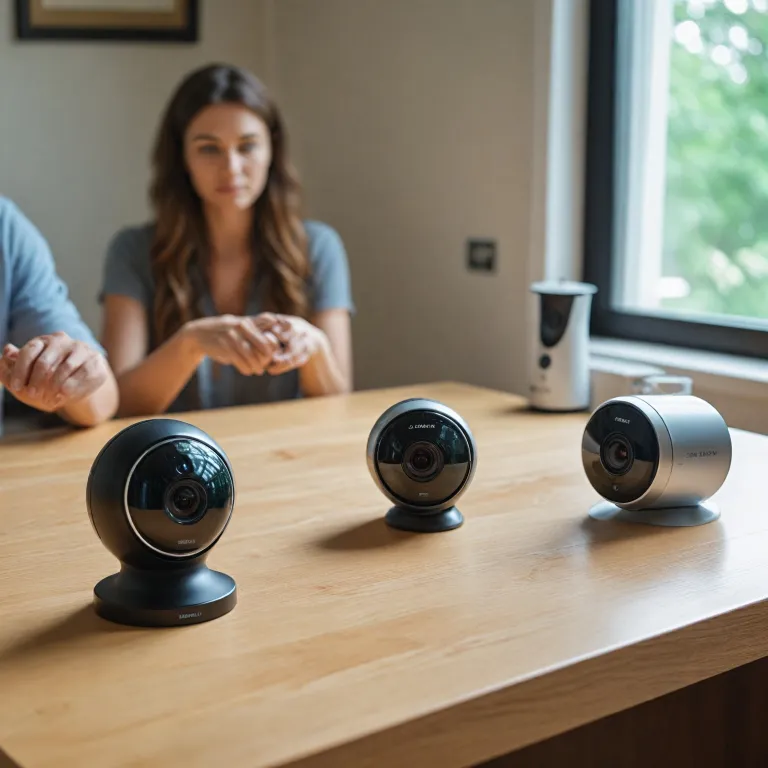

Why home security blogs matter when choosing cameras
Home security blogs have become essential guides for anyone evaluating a modern security system. A well written security blog can explain how a single camera fits into wider security systems and why that context matters for real protection. When you read a blog that connects daily life at home with practical security tips, you gain clarity instead of marketing noise.
For a person seeking information, the best home security blogs translate technical language into clear advice about safety and comfort. They show how a smart home camera system protects doors and windows, but also how it affects routines, privacy, and long term costs. Strong home security blogs also compare one security system with another, highlighting where a basic alarm system ends and where full monitoring or home automation begins.
Many readers arrive at a security blog after a burglary near their home or a worrying incident at a home business. In those moments, people want security solutions that provide fast, concrete steps, not vague promises about protection. That is why credible security blogs explain how alarm systems, security cameras, and monitoring services work together as a system rather than isolated gadgets.
Thoughtful writers also address the overlap between home security and business security, because many small business owners protect stock and family under the same roof. They analyse how smart security systems can secure doors windows, garages, and shared entrances without turning a home into a fortress. In this way, the best home security blogs help readers follow a calm, structured path from confusion to a tailored security system.
How cameras, alarms, and monitoring form a complete home system
Serious home security blogs treat each camera as one part of a layered security system. A reliable security blog explains that visible security cameras deter intruders, while an alarm system and professional monitoring provide the urgent response that cameras alone cannot. When you read such blogs, you see how security systems should be designed around real risks at home, not just around fashionable gadgets.
In practice, a full home security system usually combines door and window sensors, motion detectors, indoor and outdoor security cameras, and at least one fire alarm. Many home security blogs also describe how smart locks on doors and sensors on windows integrate with a central security system hub. When monitoring is added, the system can alert a control centre that contacts emergency services if an alarm system is triggered while you are away.
Brands like SimpliSafe appear frequently in security blogs because a SimpliSafe home setup offers modular equipment and flexible monitoring. Careful reviewers in home security blogs compare a SimpliSafe system with other security solutions, explaining which alarm systems suit renters, owners, or a mixed home business. They also analyse how smart home features, such as app control and voice assistants, change the way people interact with their security system every day.
For camera buyers, one recurring topic in home security blogs is battery performance and maintenance. A detailed guide on understanding the battery life of Ring cameras helps readers plan charging routines and avoid gaps in protection. When security blogs connect these technical details with real life habits, they provide the kind of nuanced security tips that build long term safety.
What to look for in camera focused home security blogs
Readers who want to evaluate security cameras need home security blogs that go beyond glossy product photos. A trustworthy security blog will explain resolution, field of view, night vision, and data storage in language that relates directly to rooms, gardens, and entrances at home. It will also compare how different security systems handle these features when used as part of a wider smart home.
High quality security blogs describe how cameras perform at key points such as front doors, back doors, and ground floor windows. They assess whether a given security system can clearly capture faces at several metres, or whether extra lighting or repositioning is required for best results. When you read such a blog, you should understand how many security cameras you really need for full coverage of doors windows and side paths.
Many home security blogs now include detailed testing of battery powered cameras, which are popular in rental properties and flexible home business spaces. Articles that link to resources like this comprehensive guide to the Arlo Pro 2 battery help readers judge long term reliability. These security blogs also explain how a smart home or smart business security system can send alerts when batteries run low, avoiding silent failures.
When assessing any security blog, look for transparent testing methods, clear photos, and honest lists of strengths and weaknesses. The best home security blogs explain when a camera or alarm system is not suitable for certain homes, such as large properties or complex multi unit buildings. This kind of candour builds trust and helps readers follow realistic expectations about what a single security system can and cannot provide.
Balancing privacy, safety, and smart home automation
Thoughtful home security blogs recognise that every security system must balance safety with privacy. A responsible security blog will address where to place security cameras so they protect doors and windows without constantly filming neighbours or public spaces. It will also explain how smart home features, such as remote access and cloud storage, affect who can see footage and for how long.
Many readers worry that a smart home security system could be hacked or misused, especially when cameras monitor bedrooms or a home business office. Security blogs that take these concerns seriously provide security tips on strong passwords, two factor authentication, and regular software updates. They also explain how reputable security systems encrypt data and how alarm systems and monitoring centres handle personal information.
Home automation can enhance safety when used carefully, and home security blogs often show how. For example, a smart security system can turn on lights when a camera detects motion near doors windows, making intruders more visible and residents feel safer. Some security blogs also describe how a fire alarm, smart locks, and security cameras can work together to guide emergency services to the right part of a home.
When you read about smart home automation in security blogs, look for clear explanations of fail safe behaviour. A well designed security system should still protect your home if the internet fails, the power cuts, or a single device malfunctions. By highlighting these scenarios, the best home security blogs help readers choose security solutions that provide resilience as well as convenience.
Comparing brands, services, and business security needs
Home security blogs gain authority when they compare multiple brands and services with equal rigour. A balanced security blog will examine how SimpliSafe, traditional alarm systems, and integrated security systems from telecom providers differ in cost, flexibility, and monitoring. It will also explain how these options scale from a small flat to a large home business with several entrances and storage areas.
Some security blogs specialise in business security, yet their insights often apply to homes that double as workplaces. They analyse how a security system can separate private living areas from customer facing spaces while still using shared security cameras and a single alarm system. This kind of coverage helps readers understand when a standard home security package is enough and when dedicated business security solutions are required.
Regional providers such as Doyle Security appear in many security blogs that focus on local expertise and in person support. These articles explain how a Doyle Security technician might design a full security system, placing sensors on doors windows and recommending specific alarm systems for fire and intrusion. They also compare such tailored services with do it yourself setups like a SimpliSafe home kit, which readers can install and monitor themselves.
In the middle of their analysis, many home security blogs link to in depth resources on smart control panels and camera integration. A detailed article on why a modern smart panel is a strong choice for home security can show how one device coordinates cameras, alarms, and automation. When security blogs provide this level of comparison, they help readers follow a structured path toward the best home security system for their specific property.
Using home security blogs to build a practical action plan
The most helpful home security blogs do more than review products, they guide readers through a step by step security plan. A strong security blog encourages you to walk around your home, list vulnerable doors and windows, and map where security cameras and sensors should go. It then explains which security systems or alarm systems can cover those points with the least complexity and the greatest reliability.
Many security blogs recommend starting with basic protection at main doors, ground floor windows, and key interior routes. From there, readers can add a fire alarm, extra security cameras, and smart home features such as remote locking or lighting control. This staged approach allows a security system to grow with your budget while still providing meaningful protection at each step.
For ongoing safety, home security blogs stress the importance of regular testing and maintenance. They advise readers to check every alarm system siren, confirm that monitoring services receive test signals, and ensure that each security camera records clearly at night. When you follow these security tips, your home security and any connected business security operations remain effective rather than merely decorative.
Finally, credible home security blogs remind readers that technology is only one part of protection. Good habits, such as locking doors, closing windows, and training family or staff on alarm systems, are as important as any smart home gadget. By combining practical behaviour with a carefully chosen security system, readers can achieve a level of safety that feels both robust and respectful of everyday life.
Frequently asked questions about home security blogs and cameras
How can home security blogs help me choose the right camera system ?
They break down complex technical details into practical guidance, compare multiple security systems, and show how cameras, alarms, and monitoring work together in real homes.
Are smart home security systems safe to use with indoor cameras ?
When configured with strong passwords, two factor authentication, and reputable providers, smart home systems can protect privacy while still offering effective monitoring.
What is the role of professional monitoring in a home security system ?
Professional monitoring services watch for alarm system signals and contact emergency responders when necessary, adding a critical layer of protection beyond self alerts.
Do I need different security solutions for a home business ?
Many small home business setups can use the same security system as the main home, but higher risk operations may require additional sensors, cameras, or business security services.
How often should I review my security cameras and alarm systems ?
Most experts recommend checking camera footage quality and testing alarm systems at least once a month, with a more thorough review whenever your property or routine changes.
Trustful expert sources : National Crime Agency, European Union Agency for Cybersecurity, International Association of Chiefs of Police.