

Understanding the role of game cameras in home security
Why Consider a Game Camera for Home Security?
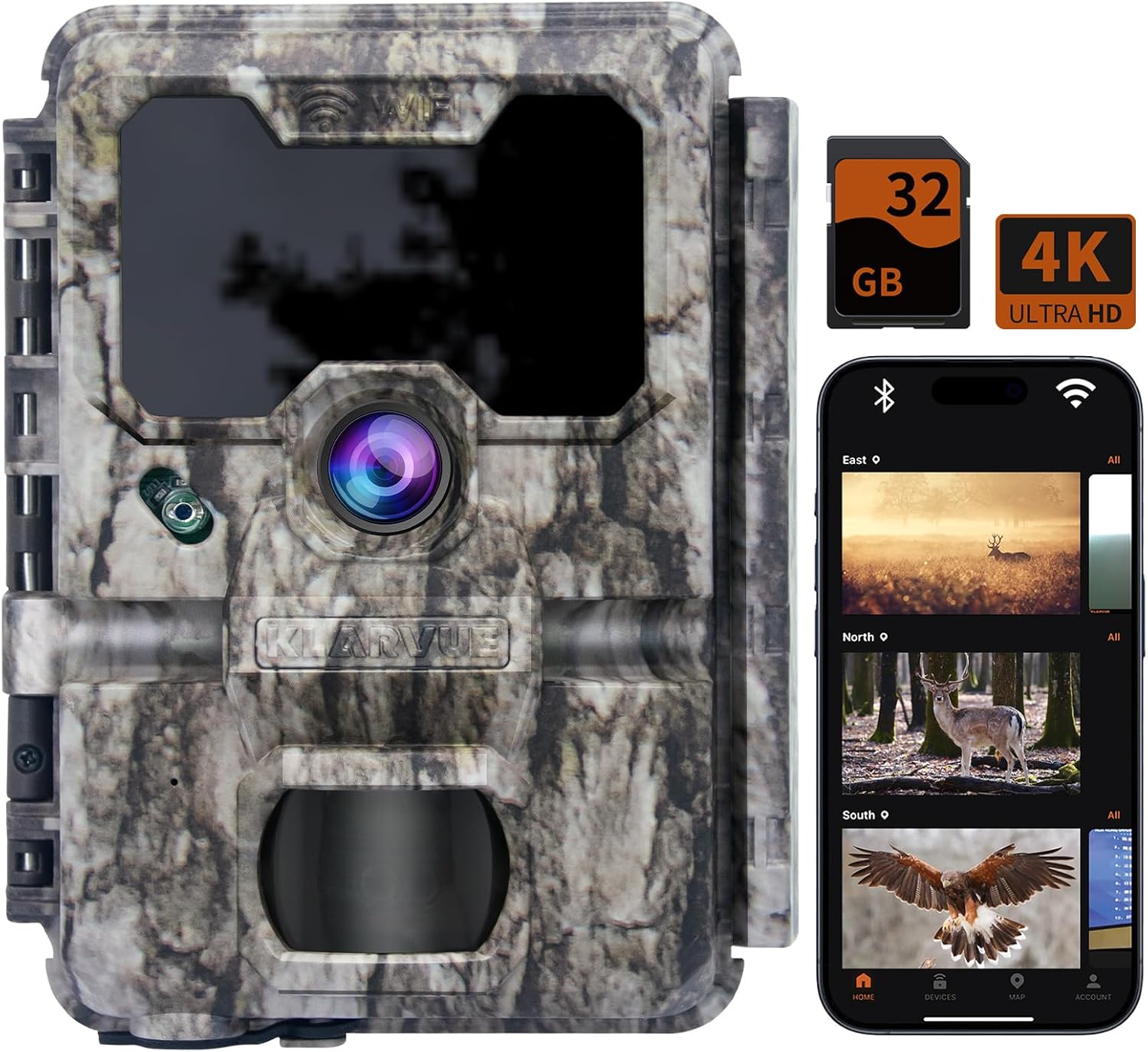
When most people think about a security camera, they picture traditional cameras mounted on walls or doorways. However, game cameras—also called trail cameras—are becoming a popular choice for home security. Originally designed for wildlife monitoring, these cameras offer unique advantages for property protection.
How Game Cameras Work for Security
Game cameras are built to detect movement and capture images or video, even in remote or low-light areas. Their motion detection and night vision capabilities make them effective for monitoring driveways, backyards, or any area where traditional security cameras might not reach. Many models, like the spypoint flex or reconyx hyperfire, offer fast trigger speeds and wide detection ranges, ensuring you don’t miss important activity.
- Detection range: Some trail cameras can detect movement up to 100 feet or more, making them suitable for large properties.
- Trigger speed: Quick response times help capture fast-moving subjects, whether it’s a person or an animal.
- Night vision: Infrared or low-glow flash allows for discreet monitoring after dark.
Types of Game Cameras for Home Use
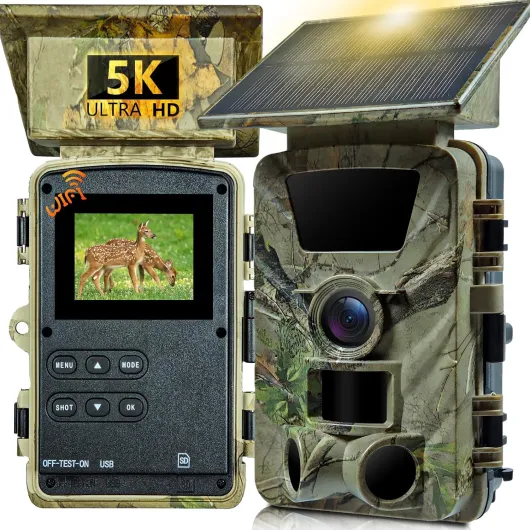
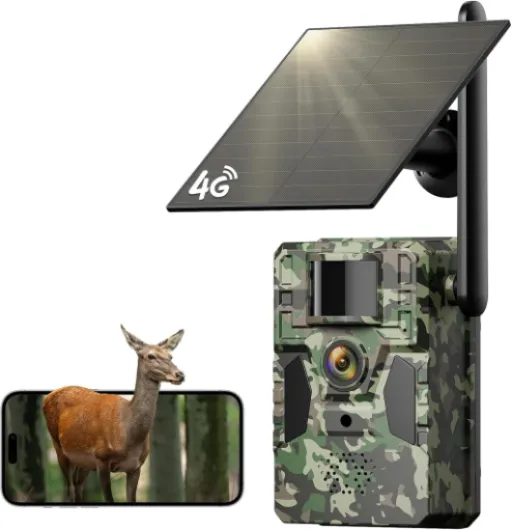
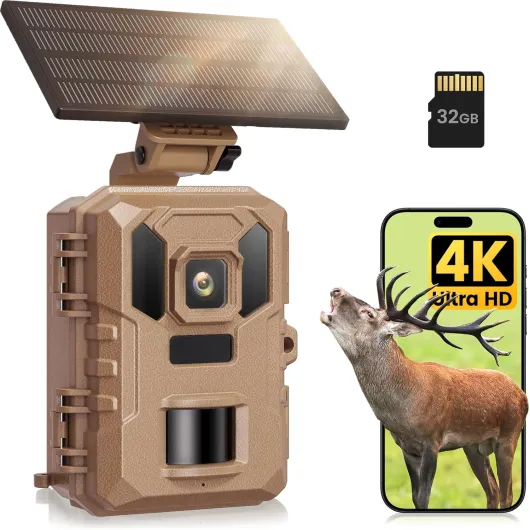
There are several types of trail cameras to consider. Cellular trail cameras can send live images or alerts directly to your phone via an app, providing real-time updates. Solar-powered models, like the moultrie edge, offer extended battery life, reducing maintenance. Some cameras, such as the tactacam reveal, are known for their video quality and reliable detection even at night.
Advantages Over Traditional Security Cameras
Game cameras are often more affordable and easier to install than many security cameras found on Amazon or in big box stores. Their camouflaged designs help them blend into outdoor environments, making them less noticeable to intruders. Plus, many models are weather-resistant and can be placed in locations where running power cables isn’t practical.
Integrating Game Cameras Into Your Security Setup
Combining trail cams with your existing camera security system can help cover blind spots and increase overall protection. For a deeper look at how to enhance your home security camera setup, check out this guide on improving your home security camera system.
In the next sections, we’ll explore which features matter most when choosing the best game camera for security, how to place them effectively, and how to balance privacy with protection.

Key features to look for in the best game camera for security
Essential Capabilities for Reliable Home Surveillance
When searching for the best game camera for security at home, it’s important to focus on features that directly impact your safety and peace of mind. Not all trail cameras are created equal, and the right combination of specifications can make a significant difference in how effectively your camera monitors your property.
- Detection Range and Trigger Speed: A good security camera should detect movement from a considerable distance. Look for a detection range of at least 60-80 feet. Fast trigger speed—ideally under 0.5 seconds—ensures the camera captures activity as soon as it happens, minimizing missed events.
- Night Vision and Glow Flash: Night vision is essential for around-the-clock monitoring. Cameras with no-glow or low-glow flash (like the spypoint flex or reconyx hyperfire) are less likely to alert intruders. Check for clear night images and a night vision range that matches or exceeds the detection range.
- Image and Video Quality: High-resolution images and crisp video are vital for identifying faces or license plates. Many trail cameras, such as the tactacam reveal or moultrie edge, offer HD video and photo modes. Some models even support live viewing through a connected app.
- Power Options and Battery Life: Long battery life is a must for outdoor cameras. Solar-powered options or extended battery packs reduce maintenance. Cellular trail cameras can send alerts and images directly to your phone, but may use more power, so consider solar compatibility.
- Connectivity and App Support: Cellular trail cameras provide real-time updates, which is especially useful if you’re away from home. Look for models with reliable app support for remote access, such as the spypoint flex dark or tactacam reveal.
- Weather Resistance: Outdoor cameras must withstand rain, snow, and temperature extremes. Check for IP ratings or user reviews on platforms like Amazon to gauge durability.
Comparing Top Models and Brands
Some of the best game cameras for home security include the moultrie edge, spypoint flex, and reconyx hyperfire. These models are known for their reliable detection, fast trigger speeds, and robust app integration. When comparing, consider the detection range in feet, trigger speed, and whether the camera offers live view or only records on detection.
Matching Features to Your Needs
Your choice of camera security features should reflect your property’s unique layout and your personal preferences. For example, if you want to minimize maintenance, a solar-powered trail cam with long battery life is ideal. If you need instant alerts, prioritize cellular trail cameras with strong app support. For more guidance on specialized setups, such as for mobile homes or RVs, check out this resource on choosing the right RV surveillance camera.
Ultimately, the best camera for your home security will balance detection capabilities, video quality, power options, and connectivity. These features work together to provide comprehensive coverage and peace of mind.
Optimal placement strategies for game cameras around your home
Choosing the Right Spots for Maximum Coverage
Placing your game camera for home security is just as important as the camera you choose. The right placement can make all the difference in capturing clear images and maximizing detection range. Here are some practical tips to help you get the best results:- Entry Points: Focus on doors, driveways, and gates. These are the most common access points for unwanted visitors. A trail camera with fast trigger speed and wide detection range, like the Reconyx Hyperfire or Tactacam Reveal, can help you catch movement as soon as it happens.
- Height and Angle: Mount your camera 6 to 8 feet above the ground. This height helps avoid tampering and gives a clear view of faces and vehicles. Angle the camera slightly downward to cover the area you want to monitor.
- Lighting and Night Vision: Make sure your camera’s night vision and glow flash features are not blocked by branches or walls. Low-glow or no-glow flash options, such as those found in Spypoint Flex or Moultrie Edge models, reduce the risk of alerting intruders.
- Power Source: If you’re using a solar-powered trail cam, place it where it gets enough sunlight. For battery-powered models, check battery life regularly, especially if you use live view or cellular trail cameras that send real-time alerts to your app.
- Weather Protection: Choose sheltered spots to protect your camera from rain and snow. Some cameras, like those found on Amazon, are rated for extreme weather, but extra care can extend their lifespan.
Balancing Privacy and Legal Considerations
While you want the best security, it’s important to respect privacy laws. Avoid pointing your camera at neighbors’ windows or public sidewalks. For a deeper understanding of legal considerations, check this guide on outdoor surveillance camera laws for home use.Testing and Adjusting for Optimal Performance
After installation, test your camera’s detection and video quality. Walk through the monitored area to see how well the camera captures movement, especially at night. Adjust the angle, detection range, or sensitivity settings as needed. Many modern trail cameras, including cellular models, let you fine-tune these settings through their app for better camera security.Quick Comparison Table: Placement Tips and Camera Features
| Placement Tip | Recommended Feature | Example Models |
|---|---|---|
| Entry Points | Fast trigger speed, wide detection range | Reconyx Hyperfire, Tactacam Reveal |
| High Mounting | Wide angle lens, adjustable mount | Moultrie Edge, Spypoint Flex |
| Night Coverage | No-glow or low-glow flash, strong night vision | Flex Dark, Spypoint Flex |
| Remote Areas | Cellular connectivity, long battery life, solar | Cellular trail cameras, solar trail cam |
With careful placement and the right features, your game camera can become a powerful part of your home security system, providing reliable detection and peace of mind day and night.
Balancing privacy and security with game cameras
Respecting Privacy While Enhancing Security
Balancing privacy and security is a major concern when using game cameras for home protection. These devices, originally designed for wildlife monitoring, can capture wide areas and sometimes record more than intended. Here’s how to keep your home secure without compromising your privacy or that of your neighbors.- Camera Placement: Always position your trail camera or security camera so it only covers your property. Avoid pointing cameras toward public spaces or neighboring homes. Many trail cameras, like the Moultrie Edge or Tactacam Reveal, offer adjustable detection range and angle settings to help with this.
- Notification and Consent: If you share your home with others, inform them about the presence and location of cameras. This is especially important for indoor cameras or those covering shared areas.
- Data Management: Use secure apps and platforms for storing footage. Cellular trail cameras and security cameras often upload video to the cloud. Choose reputable brands, such as Spypoint Flex or Reconyx Hyperfire, which offer encrypted storage and strong privacy policies.
- Night Vision and Glow Flash: Some game cameras use glow flash or no-glow infrared for night vision. While these features improve security, be mindful that powerful night vision can capture footage beyond your property line. Adjust the range feet and trigger speed to limit unnecessary recording.
- Legal Considerations: Check local laws regarding camera security and surveillance. Some regions have strict rules about recording audio or video in certain areas.
Features That Support Privacy
Many of the best trail cameras and security cameras now include privacy-focused features:- Customizable Detection Zones: Set specific zones for motion detection to avoid capturing irrelevant areas. This is available in many cellular trail cameras and security cameras found on Amazon.
- App Controls: Use the camera’s app to disable live view or notifications during certain hours, or when privacy is needed.
- Solar Power and Battery Life: Solar-powered cameras, like some from Moultrie, allow for flexible placement, so you can position them in locations that respect privacy while maintaining security. Long battery life also means less maintenance and fewer chances of accidental repositioning.
Maintaining Trust With Technology
Choosing the right camera, whether it’s a trail cam, security camera, or a hybrid like the Flex Dark, is about more than just detection range or video quality. It’s about using technology responsibly. By selecting cameras with adjustable settings, strong privacy controls, and clear notification options, you can protect your home without overstepping boundaries. Always review the features of each model—such as trigger speed, detection range, and night vision—to ensure they align with your privacy expectations and security needs.Troubleshooting common issues with game cameras used for security
Solving Connectivity and Power Problems
Many users find that their game camera or trail cam sometimes fails to send images or videos. If you’re using a cellular trail camera, check the SIM card and ensure your data plan is active. Weak signal can be a common issue, especially with models like the Tactacam Reveal or Spypoint Flex. Placing the camera higher or closer to a window may help. For solar-powered cameras, make sure the solar panel is clean and positioned for maximum sunlight. Battery life can also drop quickly in cold weather, so consider lithium batteries for longer performance.Improving Detection and Trigger Performance
Missed shots or false triggers are frustrating. Adjust the detection range and sensitivity settings in the camera app if available. Some models, such as the Reconyx Hyperfire or Moultrie Edge, allow you to fine-tune detection and trigger speed. Make sure there are no branches or moving objects in front of the lens, as these can cause unwanted alerts. If your camera supports it, test the detection range in feet to ensure it covers the intended area.Night Vision and Image Quality Issues
Blurry or dark night vision images are common with budget trail cameras. Check if your camera uses low glow or no glow flash, as this affects visibility and stealth. For best results, clean the lens and ensure the IR LEDs are not obstructed. If your camera offers adjustable video quality, set it to the highest setting your storage allows. Some users find that models like the Flex Dark or Moultrie Edge provide clearer night images.App and Live View Troubles
If your camera security app won’t connect or live view is laggy, update the app and firmware. Some cameras, especially those bought on Amazon, may require manual updates. Restart both the camera and your phone. For cellular trail cameras, check your network coverage and data usage. If problems persist, consult the manufacturer’s support page for troubleshooting steps.Storage and Data Management
Running out of storage is a common headache. Regularly check your SD card or cloud storage limits. Some game cameras support automatic overwrite or alerts when storage is full. For cameras with edge detection or advanced features, make sure your storage can handle the increased video quality and frequency of recordings. Always format new SD cards in the camera before use to avoid compatibility issues.- Check detection range and trigger speed settings for optimal performance
- Keep firmware and apps updated for best security and stability
- Choose the right power source—solar, lithium, or standard batteries—for your needs
- Monitor storage and data usage, especially with cellular trail cameras
Addressing these common issues will help you get the most from your game camera security setup, whether you’re using a basic trail cam or an advanced model like the Spypoint Flex or Reconyx Hyperfire.
Comparing game cameras to traditional security cameras
How Game Cameras and Traditional Security Cameras Differ
When considering camera security for your home, it’s important to understand the differences between game cameras—often called trail cameras or trail cams—and traditional security cameras. Both types of cameras offer unique advantages, but their features, technology, and intended uses set them apart.
Comparing Core Features
| Feature | Game Cameras (Trail Cameras) | Traditional Security Cameras |
|---|---|---|
| Power Source | Battery, solar (some models like Moultrie Edge, Tactacam Reveal) | Wired (AC), battery, or solar |
| Connectivity | SD card storage, some with cellular (cellular trail cameras) | Wi-Fi, Ethernet, cloud, some with cellular |
| Detection Range & Trigger Speed | Optimized for wildlife, range feet varies (often 60-100 ft), fast trigger speed | Designed for people/vehicles, range varies, generally continuous recording |
| Night Vision | Infrared, low glow or no glow flash (spypoint flex, reconyx hyperfire) | Infrared, color night vision in some models |
| Video Quality | 1080p to 4K, optimized for stills and short clips | 1080p to 4K, continuous video, higher bitrate |
| Remote Access | Cellular trail cameras offer live app notifications (flex dark, spypoint flex) | Live view via app, cloud storage, advanced alerts |
| Installation | Portable, easy to hide, no wiring needed | May require wiring, more visible, fixed placement |
| Price & Availability | Wide range, many on Amazon, affordable entry models | Wide range, often higher cost for advanced features |
When to Choose a Game Camera for Security
- Remote areas: No power or Wi-Fi needed, battery life can last months
- Discreet monitoring: Small size and camouflage designs
- Motion-triggered detection: Fast trigger speed, wide detection range
- Outdoor durability: Weather-resistant, built for harsh conditions
When Traditional Security Cameras Make Sense
- Continuous monitoring: 24/7 recording and live streaming
- Integration: Works with smart home systems and security apps
- Advanced features: Two-way audio, pan/tilt/zoom, facial recognition
- Urban environments: Reliable Wi-Fi or wired connections
Key Takeaways for Homeowners
Game cameras like the Moultrie Edge, Tactacam Reveal, and Reconyx Hyperfire offer flexibility, long battery life, and robust detection capabilities. They excel in areas where power and connectivity are limited. Cellular trail cameras provide live updates through apps, making them a strong choice for remote properties. On the other hand, traditional security cameras deliver continuous coverage, higher video quality, and seamless integration with home security systems. The best camera for your needs depends on your property layout, security priorities, and desired features.