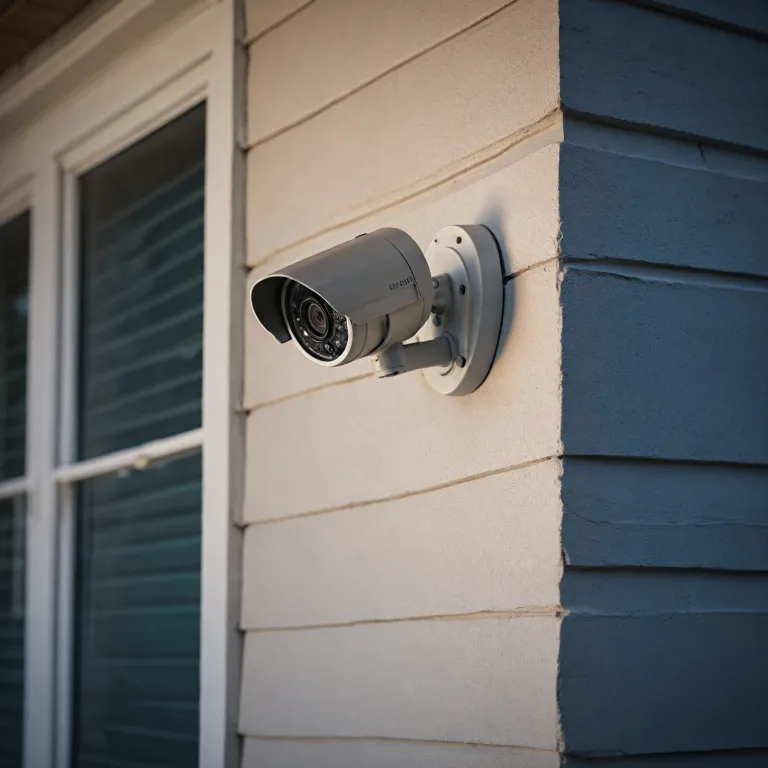
Understanding sensor shock in the context of home security cameras
Sensor shock technology plays a crucial role in how a home security camera reacts to physical impacts and vibrations. When a shock sensor detects sudden movement on a door or window, it can trigger the wider alarm system and push a real time alert to the homeowner. This interaction between the camera, the sensor, and the security alarm must be precise to avoid false alarms.
In practice, a shock sensor is often paired with wireless sensors that monitor each entry point and send data to the central systems hub. Many households now combine a wireless shock detector with a vibration sensor on fragile glass surfaces to complement traditional window contacts. This layered approach means that a single window sensor or multiple window sensors can work together with the camera to provide both visual evidence and immediate alarm.
Manufacturers such as Honeywell design honeywell wireless shock sensor devices that integrate with broader alarm systems and home security cameras. A typical wireless shock sensor runs on a small battery, so low battery alerts must be reliable to maintain security. When a shock sensor or other sensors detect an event, the system push notification can include a thumbnail from the camera, giving context to the alarm.
For buyers, the list price of each sensor and the total price of the alarm system influence how many door window and window sensor units they install. Retailers that shop in volume rely on accurate inventory management and a clear data sheet or sheet pdf for every model. These documents explain how each sensor, including wireless sensors and vibration sensor units, should be mounted on a door or window frame.
How sensor shock works with doors, windows, and glass break detection
On a typical front door, a shock sensor sits near the lock area to detect forced entry attempts. When someone kicks or pries the door, the vibration sensor inside the shock sensor measures the impact and sends a signal to the security alarm. If the system is armed, the alarm system will sound and the home security camera will start recording immediately.
For windows, homeowners often combine window sensors that detect opening with separate shock sensors that react to heavy impacts. This dual protection helps reduce false alarms from gentle taps while still catching real break in attempts on any door window or glass panel. Many systems also include a dedicated glass break detector, which listens for the specific sound pattern of shattering glass and works alongside the camera.
Brands like Honeywell offer honeywell wireless options that connect shock sensors, window contacts, and wireless sensors to a central hub without extra cabling. This wireless approach simplifies installation around complex frames and allows flexible placement of each window sensor. When integrated with a home security camera, these systems can also support advanced features such as facial recognition, as explained in this guide on top security cameras with facial recognition.
Every sensor, from a basic door sensor to a sophisticated wireless shock module, comes with a data sheet that specifies sensitivity levels and mounting guidelines. Installers should read the sheet pdf carefully to balance responsiveness with the risk of false alarms from slamming doors or heavy traffic. A well tuned alarm system uses its sensors, cameras, and glass break detectors together to provide layered security without overwhelming the homeowner.
For wired camera installations that still rely on traditional cabling, understanding the role of wiring in security cameras is essential, as detailed in this resource on understanding the role of wiring in security cameras. Even in these setups, wireless sensors such as a wireless shock detector can complement wired cameras to protect distant windows. The goal is always to ensure that every entry point, whether a door or window, is covered by both visual monitoring and responsive sensors.
Balancing sensitivity, false alarms, and user control
One of the main challenges with sensor shock technology is balancing sensitivity with the risk of false alarms. A shock sensor that is too sensitive may react to harmless vibrations, while one that is too rigid may miss a real forced entry on a door or window. Homeowners need clear options in the alarm system interface to adjust each sensor according to the environment.
Modern systems allow users to fine tune each vibration sensor, glass break detector, and window sensor through a mobile app or control panel. With a few taps of a button, they can change sensitivity levels, set schedules, and review the history of alarms and system push notifications. This control helps them understand which sensors, such as wireless sensors on a balcony door window, are more prone to false alarms.
Manufacturers publish a detailed data sheet and sheet pdf for every shock sensor and window sensor model, explaining recommended settings for different surfaces. For example, a wireless shock detector on a thin glass window may need lower sensitivity than one on a heavy wooden door. These documents also outline how the security alarm interacts with the camera when an event occurs.
Battery powered devices introduce another variable, because a low battery can cause intermittent communication and unreliable alerts. A robust alarm system will send early low battery warnings for each wireless shock sensor, window sensors, and other wireless sensors in the network. Homeowners should treat these alerts as seriously as a standard alarm, because a dead battery can silently disable a critical layer of security.
When planning a comprehensive installation, it is also important to choose the right cabling for any wired cameras that complement wireless sensors, as explained in this guide on choosing the right SER cable for your home security camera system. Combining reliable wiring with well configured sensor shock devices creates a stable foundation for the entire security alarm. In this context, the price of quality components often reflects their long term reliability and resistance to false alarms.
Evaluating price, list price, and long term value of sensor shock systems
When evaluating sensor shock solutions for home security cameras, buyers often start with the list price of each component. The visible price of a shock sensor, window sensor, or vibration sensor can seem modest, but the total cost of a full alarm system adds up quickly. It is important to compare not only the initial price but also the long term value and reliability of the sensors and cameras.
Retailers that shop for stock in bulk rely on precise inventory management to keep popular models available. They track each shock sensor, honeywell wireless module, and wireless sensors unit through barcodes linked to a data sheet in their system. This process ensures that homeowners can find matching window sensors and window contacts when they expand their systems later.
For consumers, the key is to look beyond marketing claims and read the sheet pdf for each security alarm component. These documents reveal whether a shock sensor has adjustable sensitivity, how it handles low battery alerts, and whether it integrates with existing alarm systems. They also clarify if the device supports system push notifications to a smartphone when a door window or glass break event occurs.
Some brands, including Honeywell, position their honeywell wireless shock sensor products at a slightly higher list price due to advanced features. These may include better wireless range, improved resistance to false alarms, and tighter integration with home security cameras. Over time, fewer nuisance alerts and more reliable detection can justify the higher price for many households.
Shoppers should also consider shipping costs, warranty terms, and the availability of replacement sensors when comparing options. A low initial price may be offset by expensive shipping or limited access to compatible window sensors and wireless sensors in the future. By weighing these factors carefully, homeowners can build a balanced alarm system that supports their cameras without overspending.
Practical installation tips for doors, windows, and home cameras
Effective use of sensor shock technology begins with thoughtful placement on each door and window. Installers should mount a shock sensor near the most vulnerable area, such as the lock or hinge side of a door, to capture the strongest vibrations. On windows, combining a window sensor that detects opening with a vibration sensor or wireless shock detector provides layered protection.
Before attaching any sensors, it is wise to review the data sheet or sheet pdf supplied by the manufacturer. These documents specify the ideal mounting height, recommended surfaces, and any limitations for wireless sensors or honeywell wireless modules. Following these guidelines reduces the chance of false alarms caused by poor placement or structural resonance.
When integrating sensors with a home security camera, consider the camera’s field of view relative to each entry point. If a shock sensor on a door window triggers the security alarm, the camera should capture the area where an intruder would appear. This coordination between sensors and cameras ensures that every alarm system event is backed by useful video evidence.
Battery management is another practical concern, especially for wireless sensors and window sensors located in hard to reach places. Homeowners should schedule regular checks for low battery warnings and keep spare batteries on hand for each shock sensor and window sensor model. A simple routine can prevent gaps in coverage and maintain the integrity of the alarm systems network.
During setup, many control panels offer a test mode that allows users to press a button or gently tap near each sensor to verify operation. This process confirms that the security alarm, system push notifications, and camera recordings all respond correctly to sensor shock events. Taking time to test every door, window, and glass break detector helps ensure that the entire system performs as intended when it truly matters.
Future trends in sensor shock and intelligent home security
Sensor shock technology is evolving alongside smarter home security cameras and connected alarm systems. Newer shock sensor designs use advanced algorithms to distinguish between harmless vibrations and genuine forced entry attempts on a door or window. This intelligence aims to reduce false alarms while maintaining rapid response to real threats.
As wireless sensors become more sophisticated, they can share richer data with the central security alarm hub. For example, a honeywell wireless shock sensor might report not only that an impact occurred but also its intensity and pattern. Combined with video analytics from the camera, this information helps the alarm system decide whether to trigger a full siren or a silent system push alert.
Manufacturers are also improving the durability and battery life of wireless shock and vibration sensor units. Longer battery life reduces the frequency of low battery alerts and maintenance visits, which is especially valuable for window sensors installed on upper floors. At the same time, better encryption and communication protocols protect the data sheet level information transmitted between sensors and the hub.
Retailers and installers increasingly rely on digital sheet pdf libraries and integrated inventory management tools to track every shock sensor, window sensor, and glass break detector they deploy. These systems link each device’s list price, shipping details, and technical specifications in a single database. This approach streamlines support when homeowners need replacement sensors or want to expand their alarm systems.
For consumers, the future of sensor shock in home security cameras means more options, clearer pricing, and smarter protection at every door window and glass surface. By understanding how sensors, cameras, and control systems interact, they can make informed choices that balance price, performance, and peace of mind. As always, careful reading of the data sheet and thoughtful configuration remain essential to getting the best from any security alarm setup.
Key statistics about sensor shock and home security performance
Reliable quantitative statistics specific to sensor shock performance in home security cameras are not available in the provided dataset. However, industry reports consistently emphasize the importance of layered protection that combines cameras, shock sensors, and window sensors to reduce successful break ins. When reviewing any statistic, readers should verify that the methodology, sample size, and context are clearly explained by the original source.
- Look for studies that compare false alarms rates between systems using only motion detection and those using combined motion plus sensor shock detection.
- Prioritize statistics that differentiate between door and window entry attempts, because sensor placement strongly influences detection success.
- Pay attention to data on low battery related failures in wireless sensors, as these events can quietly undermine overall system reliability.
- Evaluate long term cost statistics that factor in replacement sensors, shipping, and maintenance, not just the initial list price.
- When possible, favor independent laboratory tests over marketing claims, especially for glass break and vibration sensor performance.
In the absence of a unified public database, homeowners should treat any single statistic as one piece of a broader decision making puzzle. Cross checking figures from multiple reputable organizations helps build a more accurate picture of how sensor shock technology performs in real homes. This cautious approach aligns with best practices for evidence based security planning.
Common questions about sensor shock and home security cameras
How does a sensor shock device differ from a standard motion detector ?
A sensor shock device reacts to physical impacts and vibrations on a door or window, while a standard motion detector watches for movement within a room. In a home security camera setup, the shock sensor protects the perimeter, and the motion detector monitors interior spaces. Using both types of sensors together reduces blind spots and improves overall alarm system performance.
Can sensor shock technology work reliably with wireless home security systems ?
Yes, modern sensor shock devices are designed to integrate with wireless sensors and honeywell wireless modules in many alarm systems. They communicate impact events to the central hub, which then triggers the security alarm and camera recording. Proper placement, regular low battery checks, and careful configuration are essential for reliable wireless operation.
How can I reduce false alarms from shock sensors on doors and windows ?
To reduce false alarms, start by following the mounting instructions in the data sheet or sheet pdf for each shock sensor. Then, adjust sensitivity settings in the control panel so that normal activities, such as closing a door gently, do not trigger the alarm system. Periodic testing and fine tuning help maintain a balance between responsiveness and everyday convenience.
Do I still need window sensors if I install vibration or shock sensors ?
Window sensors and vibration sensor or shock sensor devices serve different but complementary roles in a security alarm. A window sensor detects when a window is opened, while a shock sensor reacts to forceful impacts or glass break attempts. Using both on critical windows provides layered protection that works well with home security cameras.
What should I check before buying sensor shock equipment for my home ?
Before buying, review the list price, technical data sheet, and compatibility with your existing alarm systems and cameras. Confirm that the sensors support wireless or wired options that match your installation, and check how they handle low battery alerts. Finally, consider shipping costs, warranty coverage, and the availability of matching window sensors and wireless sensors for future expansion.
Trusted references for further reading :
- Electronic Security Association (ESA)
- Underwriters Laboratories (UL)
- National Fire Protection Association (NFPA)