



Understanding the design of security camera dome systems
What Makes Dome Cameras Unique?
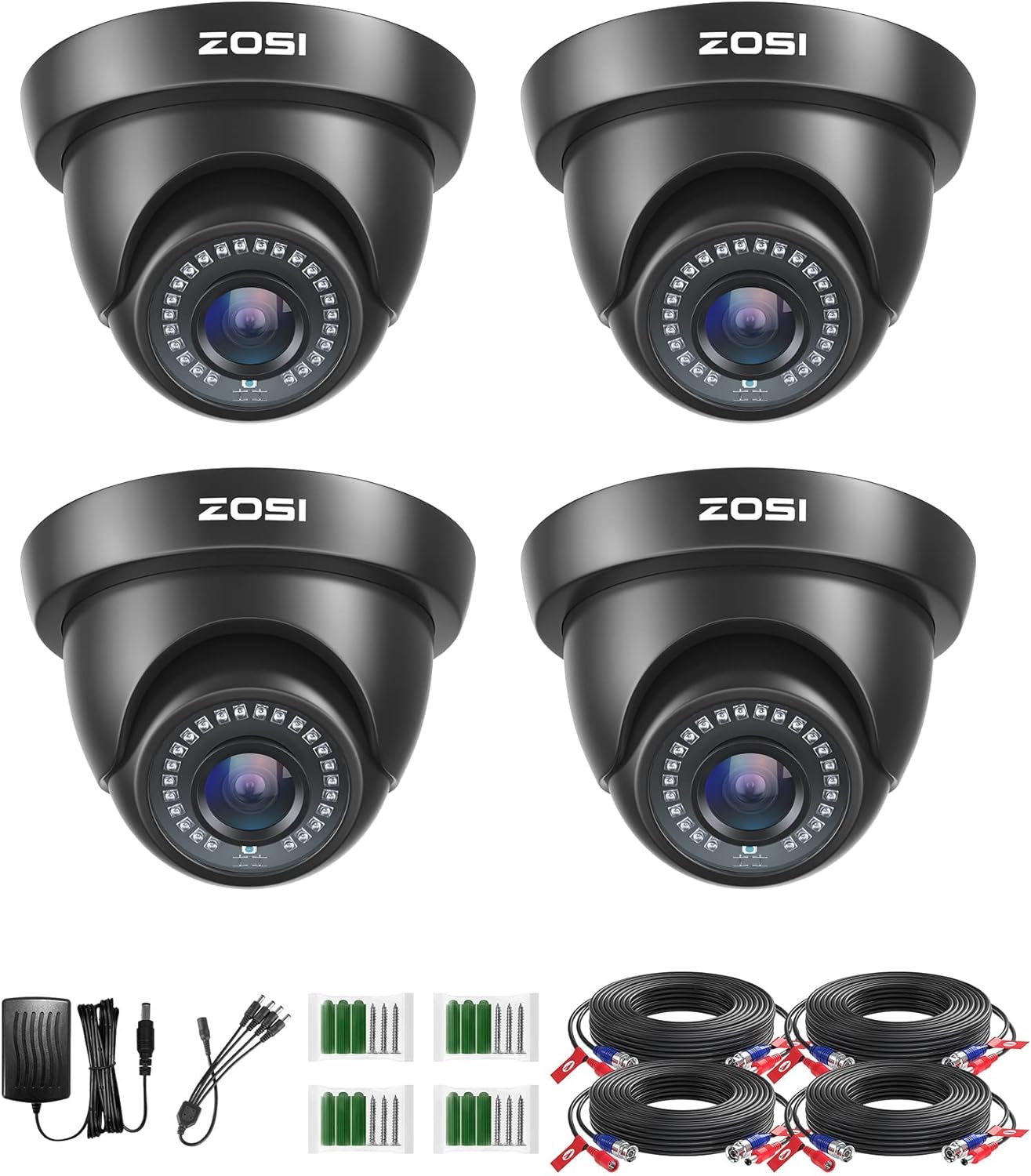
Dome cameras stand out in the world of home security for their distinctive, rounded design. The dome shape is not just for looks—it serves a practical purpose. The casing helps protect the camera lens from dust, tampering, and even vandalism, which is why you’ll often hear the term vandal dome used. The dome itself can be clear or tinted, making it difficult for anyone to tell exactly where the camera is pointing. This adds an extra layer of deterrence against unwanted activity.
Design Elements That Matter
- Discreet Appearance: Dome cameras blend into most indoor and outdoor environments, especially in white or neutral finishes. This makes them less noticeable compared to traditional bullet cameras.
- Wide Angle Coverage: Thanks to their design, dome cameras often offer a wide field of view, making them ideal for monitoring large areas with fewer devices.
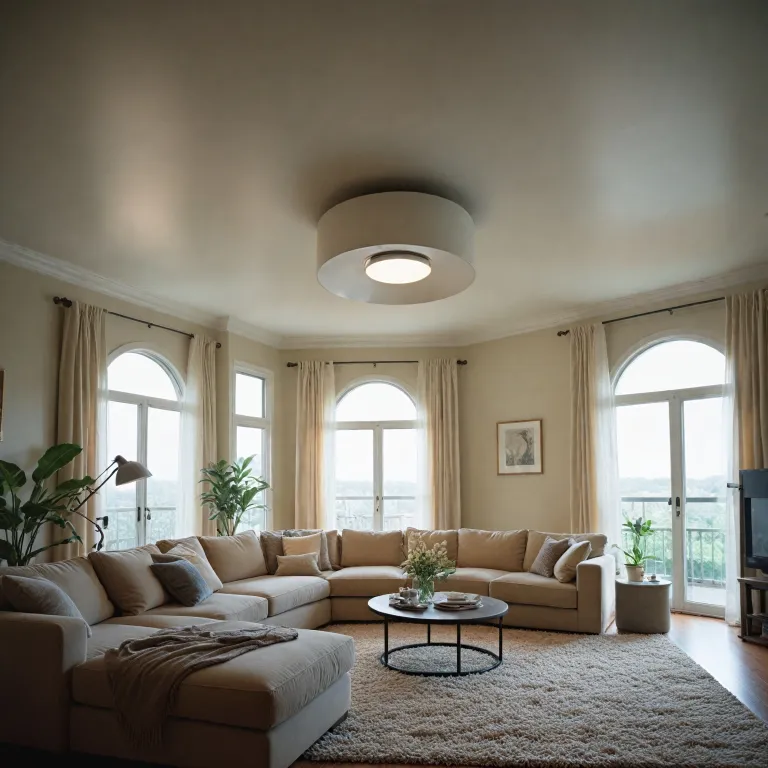
- Versatile Mounting: These cameras can be installed on ceilings or walls, giving homeowners flexibility in placement. For more on ceiling-mounted options, learn about enhancing home security with ceiling-mounted cameras.
- Indoor and Outdoor Use: Many dome cameras are built to withstand the elements, making them suitable for both indoor and outdoor surveillance.
Technical Aspects of Dome Security
Modern dome cameras come with a range of features to fit different needs and budgets. Some models include night vision for low-light conditions, audio capabilities for two-way communication, and support for channel NVR systems for multi-camera setups. Wired options are popular for their reliability, while wireless models offer easier installation. The price can vary widely, from affordable entry-level cameras to advanced series with cls fill, stroke width, and stroke miterlimit options for enhanced image clarity and durability.
Why the Dome Shape Matters for Home Security
The dome design is more than just aesthetics. It helps with deterrence, as potential intruders can’t easily determine the camera’s direction. The tough casing also protects the sensitive components inside, ensuring long-term performance. Whether you’re looking for a single indoor camera or a full security system with multiple dome cameras, understanding these design elements will help you make an informed choice as you read through the rest of this guide.
Key advantages of dome cameras for home use
Why Dome Cameras Stand Out for Home Security
Dome cameras have become a popular choice for homeowners looking to boost their security system. Their unique design offers several practical advantages, especially when compared to other types of surveillance cameras. Here’s why many people are choosing dome security cameras for their indoor and outdoor needs.
- Deterrence and Discreetness: The dome shape makes it difficult for intruders to tell which direction the camera is facing. This uncertainty acts as a strong deterrence, as potential intruders can’t easily avoid the camera’s view. The compact, white dome blends well with most home interiors and exteriors, making it less obtrusive than traditional bullet cameras.
- Wide Angle Coverage: Dome cameras often feature wide angle lenses, allowing a single camera to monitor a larger area. This means fewer cameras are needed to cover the same space, which can help reduce the overall price of your security system.
- Vandal Resistance: Many dome cameras are built with vandal-resistant features, such as tough outer casings (sometimes called vandal dome). This makes them harder to tamper with or disable, which is especially useful for outdoor or easily accessible locations.
- Night Vision Capabilities: Most modern dome cameras come equipped with night vision, ensuring your property is monitored around the clock. This is crucial for effective surveillance in low-light conditions.
- Flexible Installation: Dome cameras can be mounted on ceilings or walls, indoors or outdoors. Their design allows for easy adjustment of the viewing angle, making them adaptable to various surveillance needs.
- Audio Features: Some dome security cameras offer audio recording or two-way audio, adding another layer of security. This can be especially useful for monitoring entryways or communicating with visitors remotely.
- Integration with NVR Security Systems: Dome cameras are often compatible with channel NVR systems, allowing homeowners to add multiple cameras to a single network. This makes it easier to expand your surveillance coverage as needed.
For those interested in maximizing both deterrence and coverage, dome cameras are a strong contender. Their combination of discreet appearance, robust features, and adaptability make them suitable for a wide range of residential settings. If you’re considering enhancing your home’s security with roof-mounted cameras, you can learn more about this installation option here.
Comparing dome cameras to other security camera types
How Dome Cameras Stack Up Against Other Security Options
When choosing a security camera for your home, it’s important to compare dome cameras to other types, such as bullet cameras, turret cameras, and PTZ models. Each system has its own strengths, but dome cameras offer a unique blend of features that make them a popular choice for residential surveillance.
- Design and Deterrence: Dome cameras are known for their compact, discreet design. Unlike larger bullet cameras, their dome shape makes it harder for intruders to tell which direction the lens is facing, increasing deterrence. This can be especially effective for both indoor and outdoor setups.
- Vandal Resistance: Many dome cameras, especially vandal dome models, are built with tough materials and a protective cover. This makes them more resistant to tampering or damage compared to some traditional security cameras.
- Wide Angle Coverage: Dome cameras often feature a wide angle lens, allowing a single camera to monitor a larger area. This is ideal for rooms, entryways, or open spaces where you want to maximize coverage with fewer cameras.
- Night Vision and Audio: Modern dome security cameras typically include night vision capabilities and, in some cases, camera audio or two-way audio. This gives you clear footage and the ability to listen or communicate, adding another layer of security.
- Installation Flexibility: Dome cameras can be mounted on ceilings or walls, making them versatile for different locations. Their design also helps prevent dust or debris from accumulating on the lens, which is a common issue with some other surveillance cameras.
- Price and Value: While prices vary, dome cameras are available in a range of options to fit different budgets. You can find models with features like channel NVR compatibility, wired or wireless connectivity, and advanced video analytics. For homeowners looking for a balance of price and performance, dome cameras often provide excellent value.
In comparison, bullet cameras are more visible and can act as a strong visual deterrent, but they are easier to tamper with. PTZ cameras offer advanced zoom and movement, but they tend to be more expensive and may require a more complex security system setup. Turret cameras are similar to domes in size but lack the same level of vandal resistance.
For those interested in enhancing their home security camera setup with advanced features, learn how the DS-3E1518P-EI enhances your home security camera setup for a deeper look at integrating dome cameras into your system.
| Camera Type | Deterrence | Vandal Resistance | Coverage | Price Range (USD) |
|---|---|---|---|---|
| Dome | High (discreet) | Strong (vandal dome) | Wide angle | 50-300 |
| Bullet | Very high (visible) | Moderate | Narrow to medium | 40-250 |
| PTZ | High (visible) | Moderate | Variable (pan/tilt/zoom) | 150-600 |
| Turret | Moderate | Moderate | Wide angle | 50-200 |
Ultimately, dome cameras strike a balance between aesthetics, security, and price, making them a solid choice for many home surveillance needs.
Installation tips for dome cameras in residential settings
Best Practices for Placing Dome Cameras
Proper installation of dome cameras is crucial for maximizing their deterrence and surveillance capabilities. Start by identifying key entry points, such as doors, garages, and windows. Dome security cameras are designed for both indoor and outdoor use, so consider placing them in high-traffic areas and vulnerable spots. Their wide angle lenses allow for broad coverage, reducing blind spots in your security system.
- Mount dome cameras on ceilings or high walls for optimal field of view and to leverage their vandal-resistant design.
- For outdoor installation, ensure the dome is rated for weather resistance and has night vision features.
- Use white or neutral-colored domes to blend with your home’s exterior or interior for discreet monitoring.
- When installing multiple cameras, plan your channel NVR system layout to avoid overlapping coverage and maximize efficiency.
Wired vs. Wireless Dome Camera Setup
Deciding between wired and wireless dome cameras depends on your home’s layout and your technical comfort level. Wired dome cameras offer reliable, uninterrupted video feeds and are less susceptible to interference. However, they require running cables, which can be more complex and may increase the price of installation. Wireless dome cameras are easier to install and relocate, but may need a strong Wi-Fi signal for consistent performance.
| Type | Pros | Cons |
|---|---|---|
| Wired Dome Cameras | Stable connection, better for large security systems, supports camera audio | Complex installation, may require professional help |
| Wireless Dome Cameras | Easy to install, flexible placement, suitable for renters | Potential Wi-Fi issues, may need battery changes |
Technical Considerations and Accessories
When setting up your dome security cameras, pay attention to technical details like stroke width and fill stroke settings if your system supports advanced configuration. For NVR security systems, ensure your channel NVR matches the number of cameras you plan to add. Features like camera audio and cameras audio enhance monitoring, especially for indoor environments. If your dome camera supports two-way audio, test the system after installation to confirm clear sound quality.
- Use vandal dome models for areas prone to tampering.
- Check for wide angle lenses to cover more space with fewer cameras.
- Review the manufacturer’s instructions for stroke miterlimit and cls fill settings if applicable to your camera series.
- Budget for accessories and installation costs, as prices can vary from under 100 USD to several hundred depending on features.
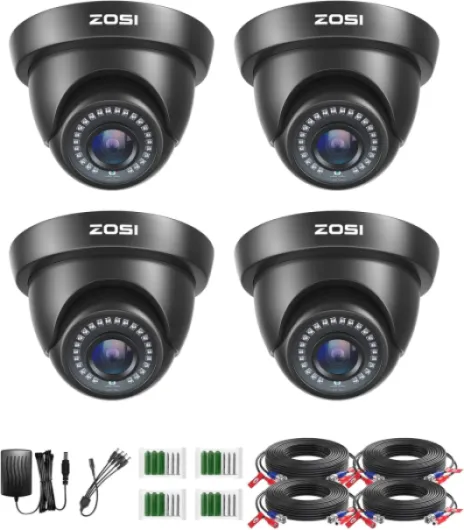
- + 1080P Resolution: High-quality video clarity
- + Night Vision: Provides visibility in low light conditions
- + 2MP Cameras: Suitable for indoor and outdoor use
- + Compatible: Works with 1080P/5MP/4K TVI Analog DVR systems

Features to look for in a home security camera dome
Essential Specifications for Effective Dome Security
When selecting a dome camera for your home, it’s important to focus on features that match your security needs and budget. The right combination of specifications can make a big difference in both deterrence and peace of mind. Here are some key aspects to consider:
- Resolution and Night Vision: Look for dome cameras with high-definition video (at least 1080p) and reliable night vision. This ensures clear footage day and night, which is crucial for identifying details in low-light conditions.
- Wide Angle Coverage: A wide angle lens allows a single dome camera to monitor larger areas, reducing the number of cameras needed for full coverage. This is especially useful for indoor and outdoor spaces where you want to minimize blind spots.
- Vandal Resistance: Vandal dome models are designed with tough exteriors to withstand tampering or impact. If your security system is in a vulnerable location, this feature adds an extra layer of protection.
- Audio Capabilities: Cameras audio features, such as two-way audio, let you listen and speak through the camera. This can be helpful for communicating with visitors or deterring unwanted activity.
- Wired vs. Wireless: Decide if you prefer a wired dome camera for stable connection or a wireless model for flexible placement. Wired options often integrate easily with NVR security systems and channel NVR setups, while wireless cameras can be simpler to install.
- Indoor Outdoor Versatility: Make sure the dome camera is rated for the environment where you plan to install it. Indoor models may not withstand weather, while outdoor dome cameras are built to handle rain, dust, and temperature changes.
- Deterrence Features: Some dome security cameras include visible deterrence elements, like white LED lights or warning strobes, to discourage intruders before they act.
- Price and Value: Compare the price (often listed in USD) with the features offered. Consider the long-term value, not just the initial cost. Sometimes, a slightly higher price means better durability or more advanced technology.
- Compatibility and Expandability: If you plan to add more cameras or integrate with an existing security system, check for compatibility with your current NVR or channel system. Look for models that support multi-channel setups for future expansion.
Technical Details That Matter
Some technical terms you might encounter include stroke width, fill stroke, stroke miterlimit, and cls fill. While these are more relevant for camera design and manufacturing, they can indicate build quality and weather resistance. For most homeowners, focusing on video quality, audio, and ease of use will be more practical.
Reading product series specifications and user reviews can help you learn which dome cameras offer the best balance of features and reliability. Always check for warranty and customer support options before making your final decision.
Common concerns and troubleshooting for dome cameras
Addressing Common Issues with Dome Security Cameras
Even with their strong deterrence and wide angle coverage, dome cameras can sometimes present challenges for homeowners. Here are some typical concerns and practical troubleshooting tips to help you get the most from your security system.
- Image Quality Problems: If your dome camera’s night vision appears blurry or washed out, check for dirt or smudges on the dome cover. Indoor and outdoor models can both suffer from this. Clean the dome gently with a microfiber cloth to avoid scratching the surface.
- Wired Connection Issues: For wired dome cameras, loose connections or damaged cables can cause video loss. Inspect the cables for visible wear and ensure all connections are secure, especially if your system uses a channel NVR or is part of a multi-channel setup.
- Audio Not Working: Some dome cameras support camera audio or even two-way audio. If you’re not getting sound, confirm that the camera’s audio feature is enabled in the security system settings. Also, check if the microphone is blocked or if your NVR security recorder supports cameras audio input.
- False Motion Alerts: Dome security cameras with motion detection can sometimes trigger false alarms due to reflections or moving branches. Adjust the sensitivity settings and, if possible, reposition the camera to reduce unnecessary alerts.
- Vandal Resistance Concerns: Vandal dome models are designed to withstand tampering, but make sure the dome is properly secured and the mounting screws are tight. This helps maintain the camera’s deterrence effect and prevents physical damage.
- Compatibility with Existing Systems: When adding a new dome camera to your current security system, check if it matches your NVR’s channel capacity and supports the same video format. Some series of cameras may not be compatible with older systems.
Understanding Technical Terms and Features
Homeowners often encounter technical terms like cls fill, fill stroke, stroke width, or stroke miterlimit in product specs. These usually refer to the camera’s design or the way it renders overlays on video feeds, and are more relevant for advanced users or those integrating with custom systems. For most users, focus on practical features such as night vision, indoor outdoor rating, wide angle lens, and price in USD.
When to Seek Professional Help
If you’ve tried basic troubleshooting and your dome camera still isn’t working as expected, it may be time to consult your security system provider. Issues with network setup, advanced camera audio integration, or persistent video loss can require expert support. Always read the user manual and learn about your specific model’s features before making adjustments.