

Understanding the unique security needs of RV owners
Why RV Security Differs from Traditional Home Security
Living in an RV or using one for travel brings unique security challenges. Unlike stationary homes, RVs are mobile, often parked in unfamiliar places, and sometimes left unattended for days or weeks. This mobility means traditional security systems may not be suitable. RV owners need flexible, reliable security camera options that adapt to changing environments and power sources.
Common Threats and Concerns for RV Owners
- Theft and Break-ins: RVs can be easy targets for opportunistic thieves, especially in remote or crowded campgrounds.
- Vandalism: Unattended RVs may attract vandals, making visible camera systems a strong deterrent.
- Personal Safety: Ensuring peace of mind while sleeping or away from the RV is a top priority for many owners.
- Vehicle Damage: Backup cameras and observation systems help prevent accidents during parking or reversing, protecting both the RV and others nearby.
Types of Security Camera Systems for RVs
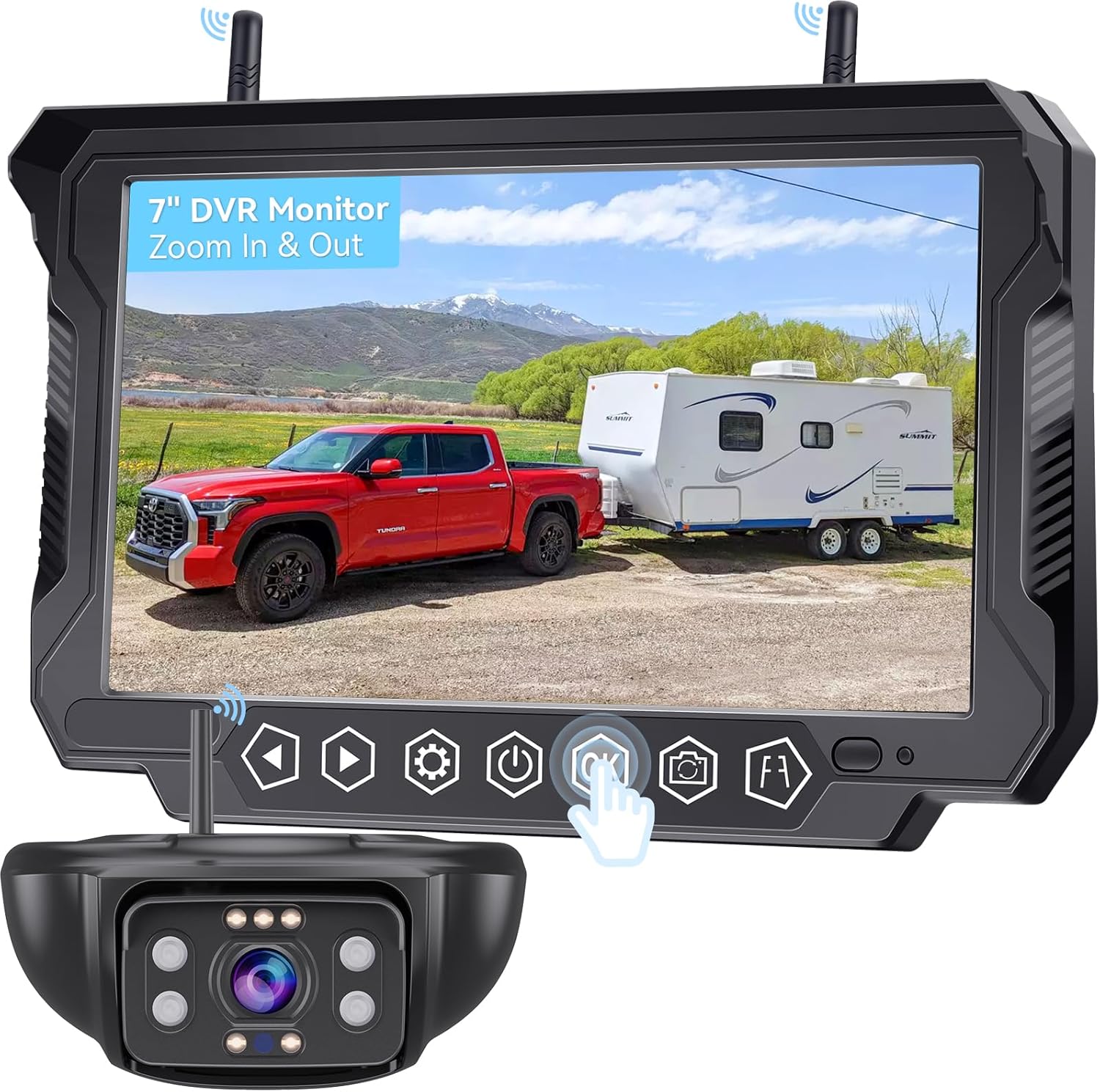
There are several camera system options tailored for RV use. Wireless backup cameras, sharkfin camera designs, and observation systems like Furrion Vision are popular for their easy installation and real-time video monitoring. Many products now offer night vision, motion detection, and cloud storage, making it easier to monitor your RV from anywhere. Some systems even include solar power options, reducing the need for constant recharging or hardwiring.
Budget and Product Considerations
Price and features vary widely. On Amazon, you can find camera systems ranging from basic backup cameras to advanced security cameras with smart alerts and cloud storage. Look for products with high star ratings and positive reviews to ensure reliability. Consider how often you use your RV each month and whether you need a permanent or portable system. Some owners prefer a list of the best security cameras to compare features like night vision, motion detection, and wireless installation.
For a deeper understanding of how specialized security cameras can protect your RV, check out this guide to RV camera security systems.
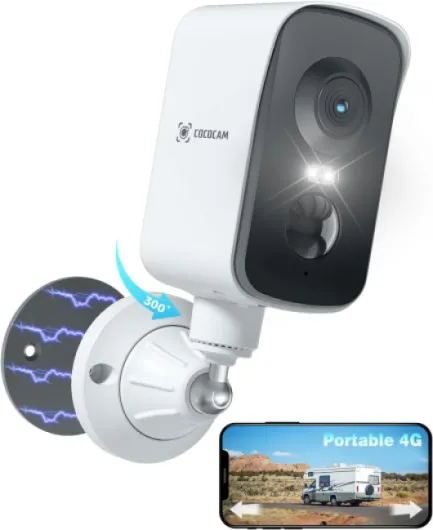
- + Résolution 2K pour une qualité d'image élevée
- + 360° Rotation panoramique pour une vue complète
- + 30000mAh de batterie pour une longue autonomie
- + Détection Humaine AI pour plus de sécurité
- + Étanchéité IP66 pour une utilisation en extérieur

Key features to look for in an rv surveillance camera
Essential Elements for Reliable RV Surveillance
When it comes to choosing the best security camera system for your RV, it’s important to focus on features that address the unique challenges of mobile living. Not all cameras or security systems are created equal, especially when you’re dealing with limited space, changing environments, and the need for peace of mind on the road. Here’s a list of key features to consider before making your purchase.
- Wireless Capability: Wireless backup cameras and camera systems are easier to install and move, which is crucial for RV owners who may want flexibility. Look for options with strong wireless signals to avoid video dropouts.
- Night Vision: Night vision is a must for any security camera. Many products, like the Furrion Vision series, offer infrared LEDs for clear video even in low light. This helps you monitor your RV at all hours.
- Wide Field of View: A wide-angle lens or panoramic view ensures you cover more area with fewer cameras. This is especially useful for backup cameras and observation systems, reducing blind spots around your RV.
- Motion Detection and Smart Alerts: Motion detection triggers real-time alerts, so you’re notified instantly if something unusual happens. Some camera systems offer customizable zones to reduce false alarms.
- Cloud Storage and Local Recording: Consider whether you want cloud storage for your video footage or prefer local storage options like SD cards. Cloud storage can offer extra peace of mind if your RV is ever broken into.
- Power Options: Solar-powered cameras and systems with multiple power options (battery, wired, or solar) are ideal for RVs. This ensures your security system stays active even when you’re off-grid.
- Durability and Weather Resistance: Look for cameras with high IP ratings to withstand rain, dust, and temperature changes. Products like the Furrion cam and sharkfin camera are designed for outdoor use.
- Integration with Other Security Systems: Some camera systems can be integrated with your existing security system or observation systems for a more comprehensive setup.
- Ease of Installation: Many RV owners prefer DIY installation. Check if the product comes with clear instructions, mounting hardware, and support for different RV models.
- Price and Value: Compare the price and features of different cameras and systems. Amazon reviews and star ratings can help you build a shortlist of the best security cameras for your needs and budget.
For a deeper dive into how advanced camera systems can enhance your RV security, check out this guide on enhancing your home security camera setup. It covers the latest trends in observation systems and backup camera technology.
Remember, the right camera system is about more than just video. It’s about creating a security system that fits your lifestyle, offers reliable performance month after month, and gives you the peace of mind you deserve on the road.
Installation tips for rv surveillance cameras
Positioning for Maximum Coverage and Peace of Mind
When installing a security camera system in your RV, the right placement is crucial. Start by identifying entry points, blind spots, and areas where valuables are stored. Many RV owners prefer wireless backup cameras or sharkfin camera options for easy mounting and flexibility. Consider the field of view and whether your camera offers pan, tilt, or zoom features. These can make a big difference in covering more ground—learn more about how zoom, tilt, and pan features enhance your home security camera for better surveillance.
- Wireless camera systems are popular for RVs due to simple installation and fewer cables.
- Solar power options can be a game changer if you want to avoid draining your RV battery.
- Look for cameras with night vision and motion detection for 24/7 security and real time alerts.
- Backup cameras like Furrion Vision or other observation systems can double as security cameras, offering both safety while driving and monitoring when parked.
Powering Your Camera Systems
RV owners have unique power needs. Some security cameras run on 12V, others on rechargeable batteries, and some offer solar panels. If you’re often off-grid, solar-powered camera systems or those with long battery life are the best security options. Always check the product specs for power consumption and compatibility with your RV’s electrical system.
Mounting and Weatherproofing
Choose cameras with weather-resistant ratings, especially if you plan to mount them outside. Furrion, Cam, and other brands offer models designed for outdoor use. Mounting brackets should be sturdy, and it’s smart to test your camera’s view before finalizing the installation. Some products on Amazon come with a full installation kit, making the process smoother.
Integrating with Your Security System
Many modern security systems allow you to connect multiple cameras, including backup cameras, into one interface. Cloud storage options can help you save video footage for a monthly price, while some systems offer local storage. Make a list of your must-have features—motion detection, night vision, remote viewing, and compatibility with your existing security system.
Don’t forget to regularly check your camera system after installation. Test the video feed, motion alerts, and backup camera functions to ensure everything is working as expected. A well-installed security camera system brings peace of mind, whether you’re on the road or parked for the month.
Balancing security and privacy in your RV
Finding the Right Balance Between Security and Privacy
When adding a security camera system to your RV, it’s important to strike a balance between keeping your mobile home safe and respecting your own privacy. Many RV owners want the peace of mind that comes with real time monitoring, but it’s also essential to consider how much footage is being recorded, where cameras are placed, and who has access to your video.- Camera Placement: Position cameras to cover entry points, the backup area, and blind spots. Avoid placing cameras in private spaces like sleeping quarters or bathrooms. Observation systems such as the Furrion Vision or sharkfin camera options are designed for exterior use, offering wide view angles without invading personal space.
- Cloud Storage and Access: Many camera systems offer cloud storage for video backup. Check the product details for privacy policies and data encryption. Some systems allow you to control who can view or share footage, which is crucial for maintaining privacy.
- Motion Detection and Smart Alerts: Use motion detection features to minimize unnecessary recording. This not only saves storage but also limits the amount of personal activity captured. Systems with customizable zones let you decide which areas trigger alerts, helping you avoid constant notifications.
- Wireless Backup and Power Options: Wireless backup cameras and solar-powered security cameras offer flexible installation without running wires through private areas. These options can be found on Amazon, often with a range of price points and star ratings to help you choose the best security system for your needs.
Privacy Settings and User Controls
Most modern camera systems, including popular brands like Furrion, allow you to adjust privacy settings. You can often set cameras to record only during certain hours or when the RV is unoccupied. Some camera systems also offer a privacy shutter or the ability to turn off recording with a simple app command. Always review the list of features and user controls before making a purchase.Legal Considerations and Best Practices
Be aware of local laws regarding surveillance, especially if you travel across state lines. Recording audio or video in certain areas may require consent. It’s a good practice to inform guests about the presence of security cameras in your RV, especially if you use observation systems or backup cameras with recording capabilities. By carefully selecting camera systems with the right features, adjusting privacy settings, and staying informed about legal requirements, you can enjoy the best security for your RV while maintaining your privacy and peace of mind.Remote monitoring and smart alerts
Staying Connected with Real-Time Monitoring
Modern RV security systems let you keep an eye on your mobile home from anywhere. With remote monitoring, you can view live video feeds from your security cameras using your smartphone or tablet. Many camera systems, including popular options like Furrion Vision and wireless backup cameras, offer dedicated apps or web interfaces. This means you get peace of mind whether you’re parked at a campsite or away for the month.
- Real-time view: Most security camera systems provide instant access to your camera’s feed, letting you check in at any moment.
- Smart alerts: Motion detection features send notifications to your device if movement is detected, so you’re always in the loop.
- Cloud storage: Some products offer cloud storage options, allowing you to review recorded footage even if your RV’s camera system is damaged or stolen.
Comparing Smart Features and Price Points
When choosing a camera system, consider how remote monitoring and alerts fit your needs. Some backup cameras and security cameras come with free basic monitoring, while others require a monthly subscription for advanced features like cloud storage or extended video history. On Amazon, you’ll find a wide list of products with different price points, ranging from budget-friendly to premium systems with solar power options and night vision.
| Product | Remote Monitoring | Smart Alerts | Cloud Storage | Price (approx.) | Amazon Stars |
|---|---|---|---|---|---|
| Furrion Vision S | Yes | Yes | Optional | $$$ | 4.5 |
| Wireless Backup Cam | Yes | Yes | No | $$ | 4.2 |
| Solar Security Camera | Yes | Yes | Yes | $$ | 4.3 |
Making the Most of Your RV Security System
For the best security, look for camera systems that combine real-time monitoring, motion detection, and reliable backup power options. Observation systems with night vision and wide-angle view help you cover more ground, while sharkfin camera designs make installation easier and less intrusive. Always check product reviews and star ratings on Amazon to ensure you’re getting a trusted camera system that fits your needs and budget.
Maintenance and troubleshooting common issues
Keeping Your RV Camera System Reliable
Maintaining your RV security camera system is key to ensuring peace of mind, whether you’re parked at a campsite or on the road. Even the best security cameras, like Furrion Vision or wireless backup cameras, need regular attention to perform at their best. Here’s how to keep your camera systems running smoothly and what to do when issues arise.- Power Options: Check your camera’s power source regularly. Solar-powered options are popular for RVs, but cloudy days can affect performance. If your system runs on batteries, keep spares on hand and replace them every few months. For wired systems, inspect cables for wear or damage, especially after long trips.
- Lens and Night Vision: Clean camera lenses monthly to avoid blurry video. Dust, bugs, and road grime can block your view, especially on backup cameras. For night vision, make sure the infrared lights are not obstructed by dirt or stickers.
- Cloud Storage and Video Backup: If your security system uses cloud storage, check your subscription status and available space. Some products offer a free month, but ongoing price varies. Download important video clips regularly, especially if you rely on motion detection alerts.
- Software Updates: Many modern camera systems, including Furrion and other observation systems, receive updates to improve features like motion detection and real time alerts. Connect your system to Wi-Fi and check for updates monthly.
- Connectivity Checks: Wireless backup cameras and security cameras can lose signal due to interference or distance. Test your system’s range after installation and after moving your RV. Adjust antennas or consider a signal booster if you notice lag or dropped connections.
Troubleshooting Common Camera Issues
If your RV security camera or backup camera isn’t working as expected, try these steps before seeking professional help:- No Video Feed: Confirm the camera has power and the monitor or app is on the correct input. For wireless systems, re-pair the camera and receiver.
- Poor Image Quality: Clean the lens and check for condensation inside the housing. Adjust the camera angle for a better view, especially with sharkfin camera mounts.
- Motion Detection Not Working: Make sure the camera’s field of view is clear and sensitivity settings are correct. Some systems allow you to adjust detection zones for fewer false alerts.
- App or Cloud Issues: Restart your mobile device and camera system. If problems persist, check for app updates or contact the product’s support team via Amazon or the manufacturer’s website.