Key features to compare in Google compatible security cameras
Image quality is the first specification many buyers notice when comparing the best security cameras compatible with Google Assistant. Look for at least Full HD resolution, but pay equal attention to night vision performance, viewing angle, and how the camera handles backlight from windows or outdoor lights. A sharp video stream that integrates smoothly with the Google app and your wider security system is far more valuable than a high resolution spec sheet alone.
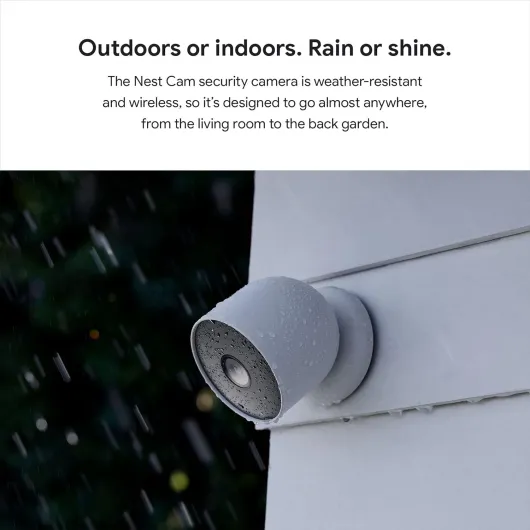
Next, examine how each security camera handles power, connectivity, and installation. Wired cameras can offer more reliable video and continuous recording, while battery powered cam outdoor models are easier to place near gates or garages without existing equipment. If you are buying cameras for older relatives, a simple indoor camera with a clear app and minimal maintenance will usually beat a complex system that needs constant tweaking, and you can read a focused buying guide for parents in this security cameras your parents will actually use resource.
Smart features deserve careful scrutiny because marketing terms can blur real differences. Check whether motion detection zones, person alerts, and package detection are included free or locked behind a paid plan with monthly fees. The best security cameras compatible with Google Assistant usually offer a basic free tier of cloud storage, then optional plans for extended video history and advanced analytics.
Audio quality and two way talk can change how you use your cameras. A Nest Cam or similar Google Nest indoor camera with clear microphones lets you reassure children, talk to delivery drivers, or warn someone at the door without opening it. When this audio channel works with Google Assistant and Amazon Alexa, you can start conversations hands free while cooking or working.
Finally, consider how each brand handles updates, warranties, and long term support. A security system with regular firmware updates through the Google app or the brand’s own app will stay compatible with Google Assistant and Amazon Alexa for longer. This matters because you want your cameras, your system Google integrations, and your cloud storage features to keep working reliably for many years.
Top ecosystems: Google Nest, Amazon, and mixed voice homes
Many households now mix Google and Amazon devices, so your choice of the best security cameras compatible with Google Assistant should reflect that reality. Google Nest cameras integrate tightly with the Google app and Google Assistant, while many Amazon Alexa focused cameras lean on Echo speakers and Fire TV displays. If you own both, prioritise security cameras that officially work with Google Assistant and Amazon Alexa to avoid future frustration.
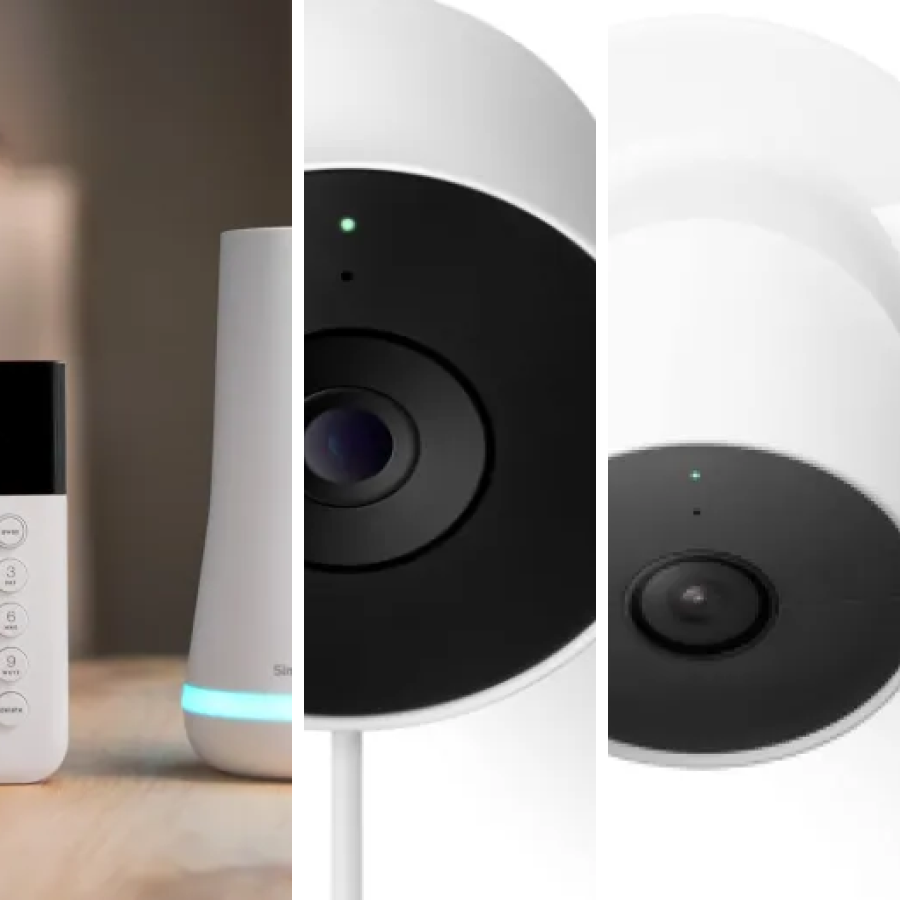
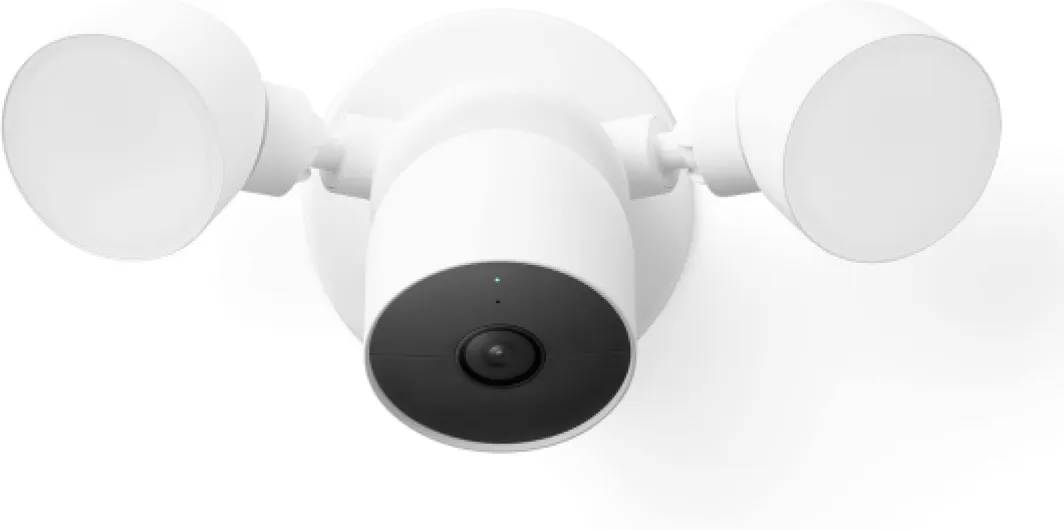
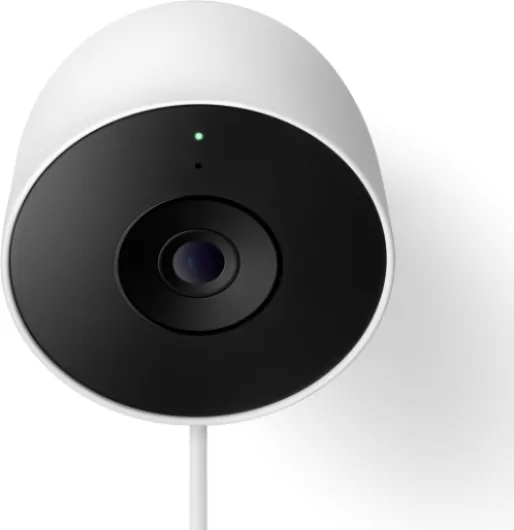
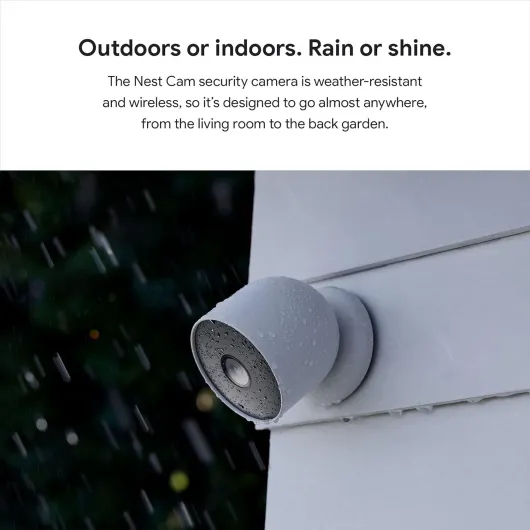
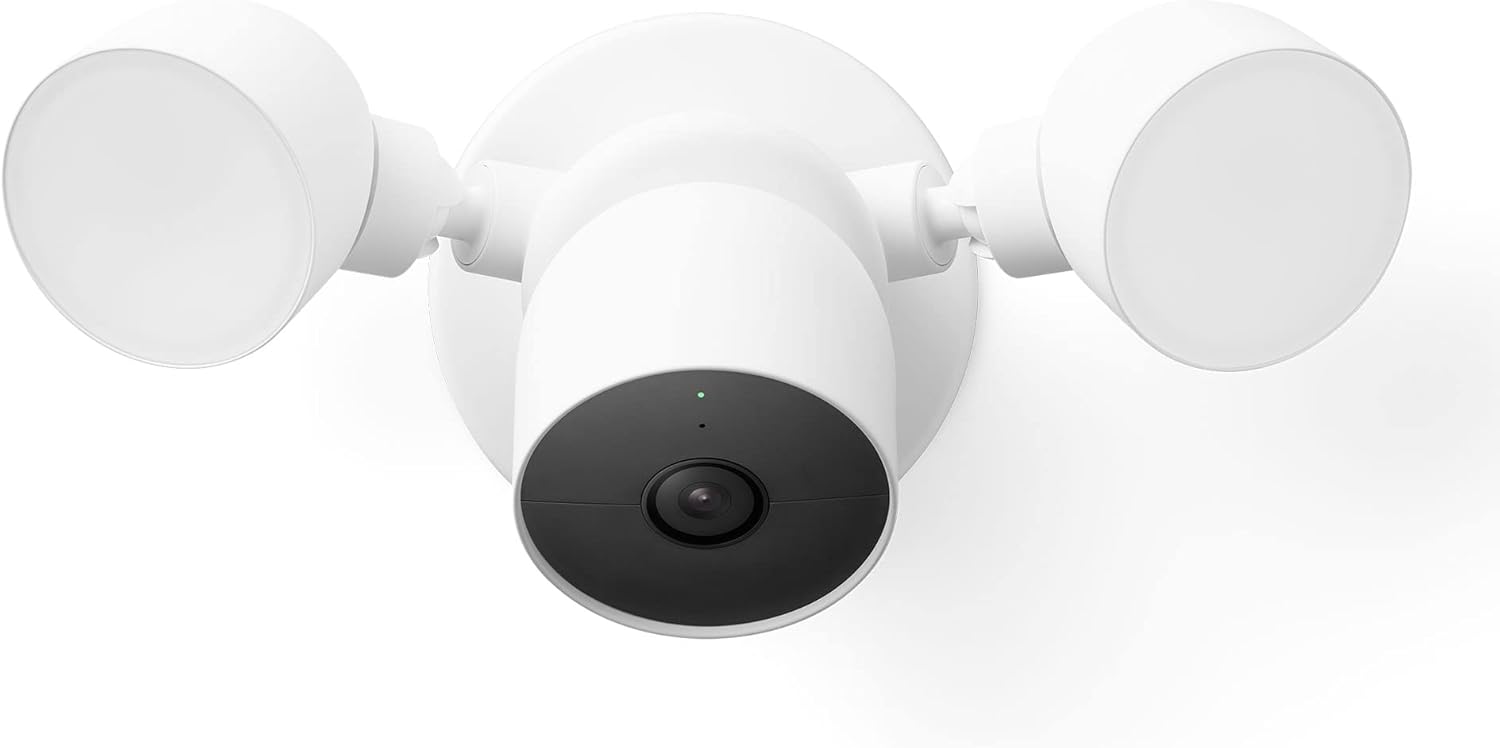
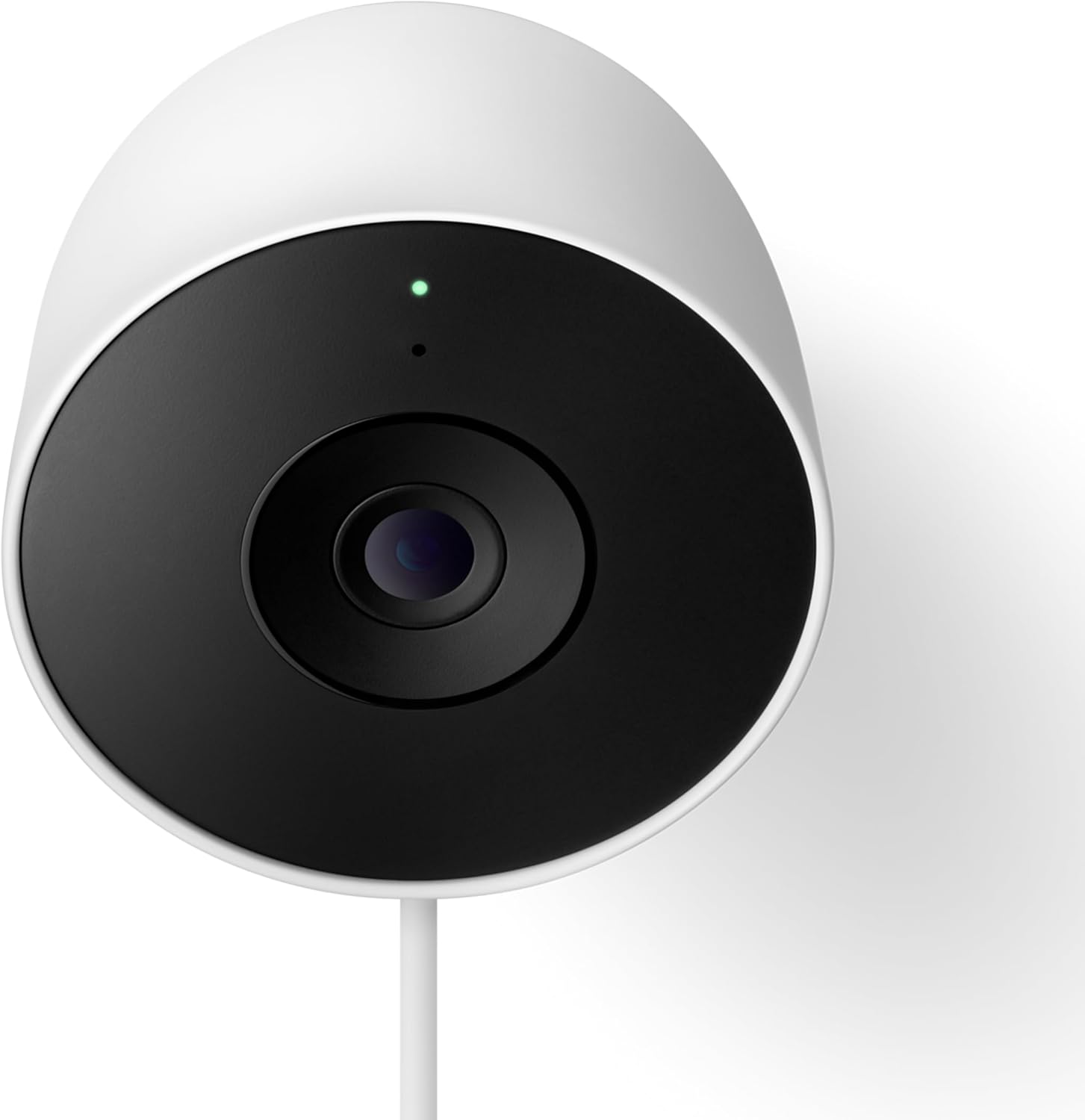
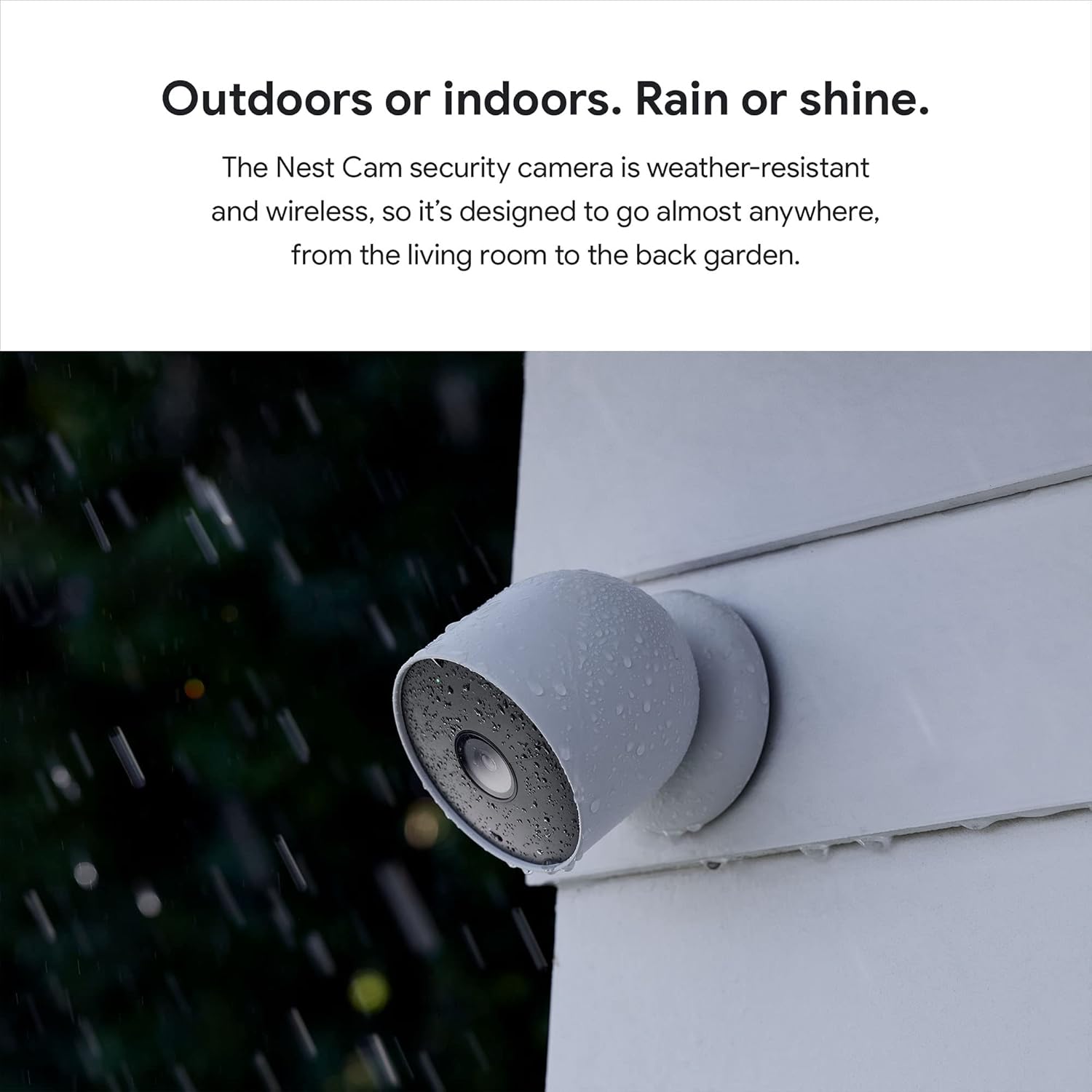
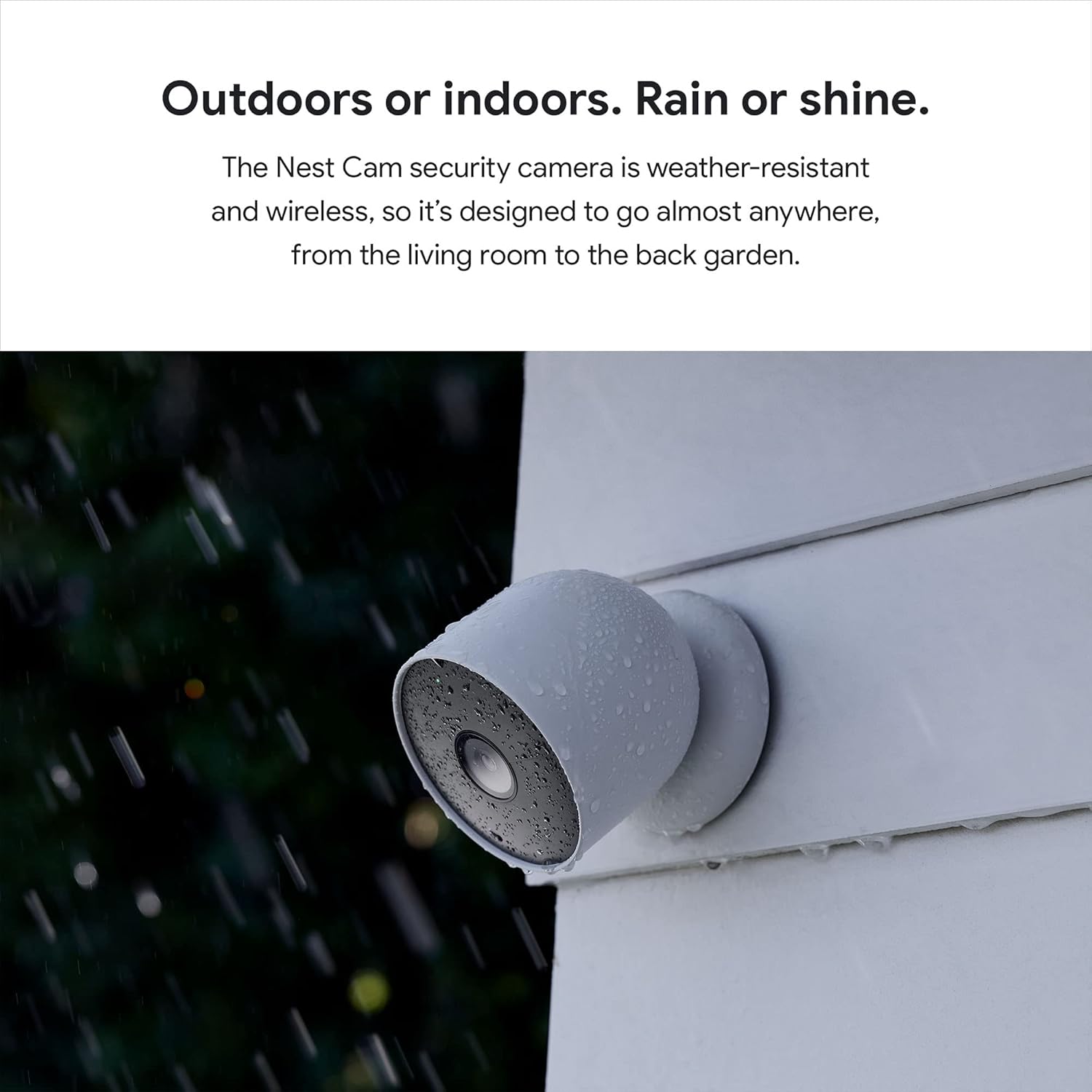
Google Nest Cam models, both indoor camera and cam outdoor versions, are designed to sit at the centre of a Google focused security system. They pair quickly with Google Assistant, support rich notifications, and can be grouped with other Nest equipment like thermostats or doorbells. When you add a Nest Cam to a broader security system Google setup, you gain routines such as arming cameras when you say “goodnight” to a Nest speaker.
Amazon’s ecosystem is broader in raw device numbers, and many third party security cameras highlight Amazon Alexa support first. Before buying, confirm that the same camera will also work with Google Assistant and the Google app, not just Alexa Google commands. A mixed voice home benefits from cameras that appear as devices in both ecosystems, so you can view video feeds on a Nest Hub or a Fire TV without switching brands.
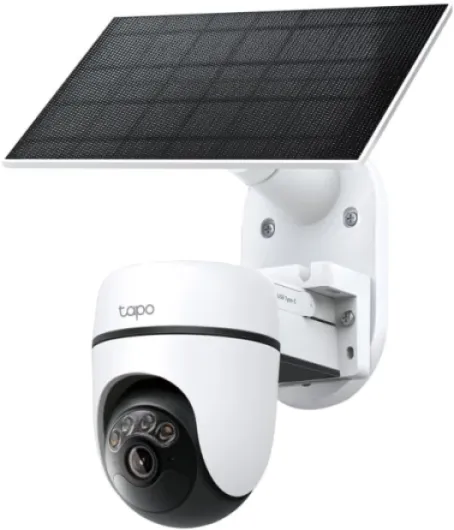
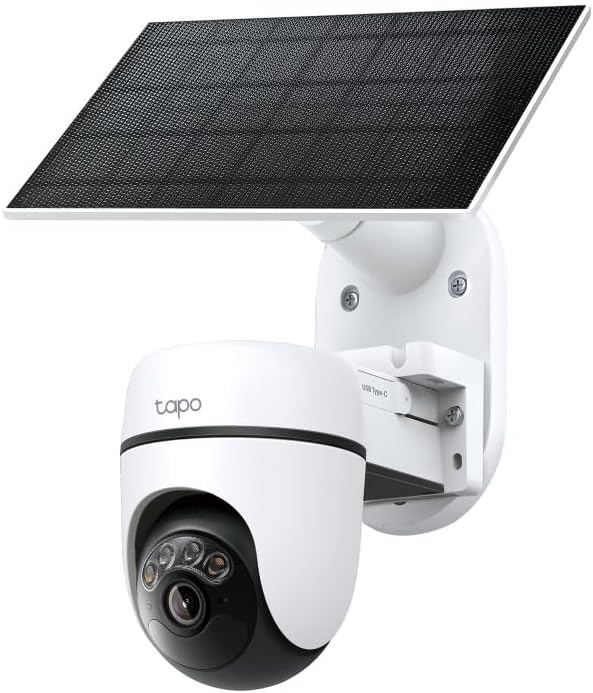
Some brands, such as TP Link Tapo, position themselves as neutral players in the smart home race. A Link Tapo camera can often integrate with Google Assistant, Amazon Alexa, and even independent security systems, which is ideal if you do not want to commit to one platform. When evaluating these cameras, test how quickly the video loads on each app and whether voice commands with Google or Amazon Alexa feel equally responsive.
If you want a curated list of options, you can consult this guide to top security cameras compatible with Google Assistant for a structured comparison. Use that as a starting point, then map each camera’s strengths to your own home layout and habits. The best security cameras compatible with Google Assistant for a small flat will differ from the ideal setup for a large house with several outdoor access points.
Balancing DIY setups, professional installation, and monitoring plans
Once you know which cameras you like, the next decision is how to install and monitor them. Many of the best security cameras compatible with Google Assistant are sold as standalone devices for do it yourself setups, while others are bundled into full security systems with professional installation. Your choice will influence not only cost but also how tightly your cameras integrate with alarms, sensors, and emergency response.
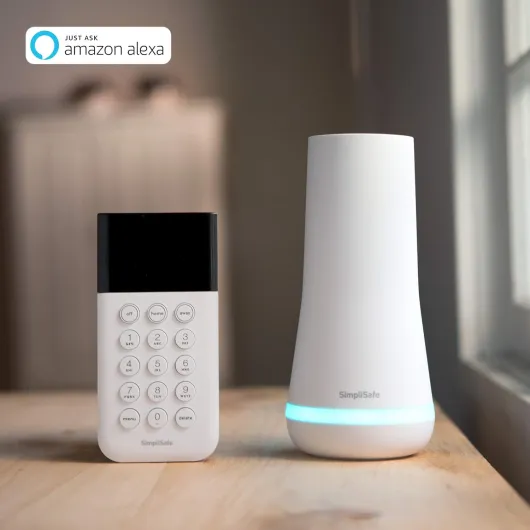
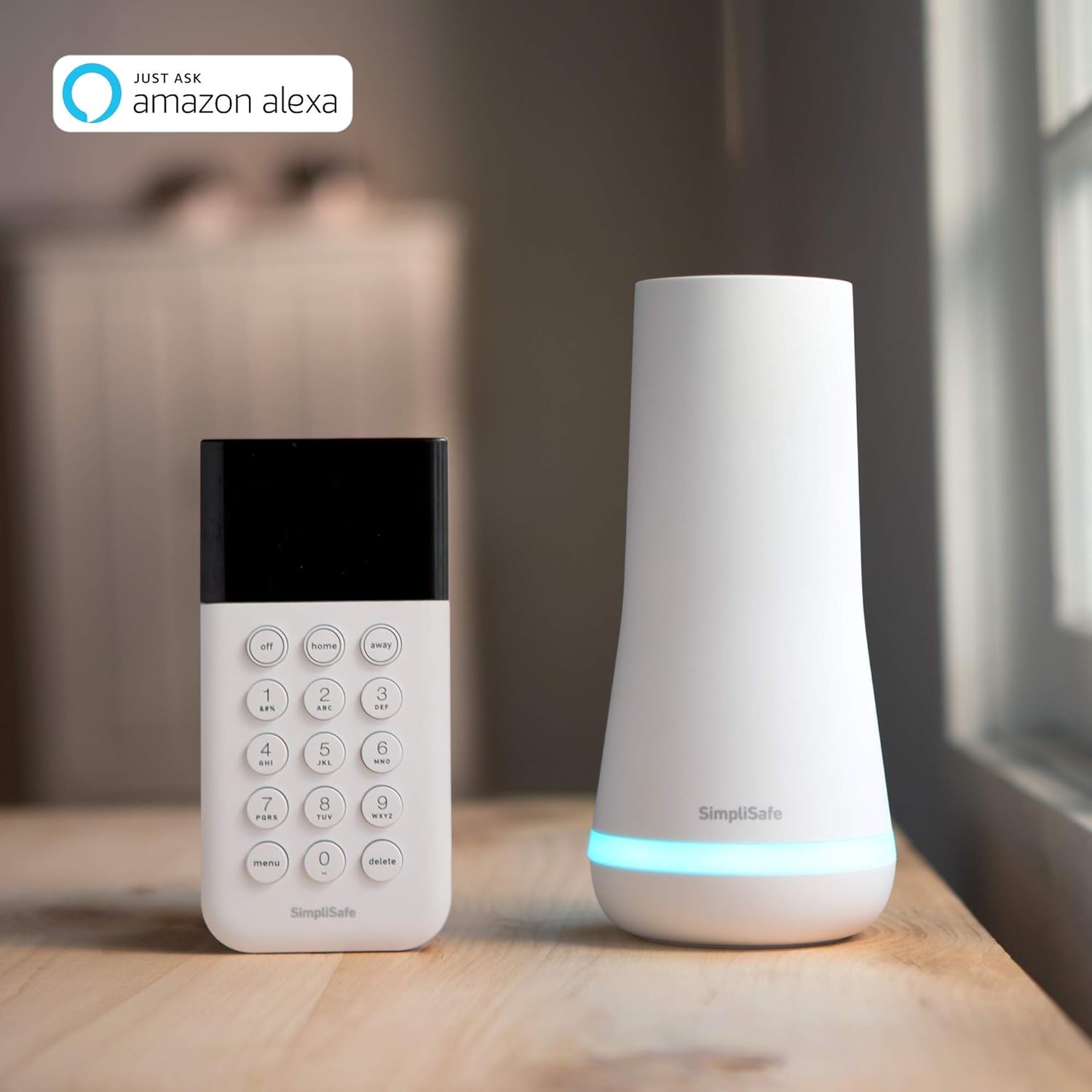
Companies such as Vivint and Cove specialise in complete security systems that often include cameras, motion detectors, and 24/7 monitoring. A Vivint security system with Google Assistant support can arm or disarm through voice commands, show live video from outdoor cameras, and trigger lights when motion is detected. Cove security systems, by contrast, tend to emphasise simpler contracts and more transparent pricing, which can appeal to renters or first time buyers.
Professional installation has clear advantages when you are dealing with multiple cam outdoor units, wired power, and complex networking. Technicians can optimise Wi Fi coverage, angle each security camera correctly, and ensure that the system Google integrations with the Google app and Amazon Alexa work smoothly. For large properties, this level of tuning often delivers the best security coverage and fewer blind spots.
However, many people prefer the flexibility of a DIY security camera approach with no long term plan commitments. Standalone Google Nest Cam models, Link Tapo cameras, and other smart cameras that work with Google Assistant can be installed in minutes using only a ladder and a smartphone. These DIY cameras still integrate with security systems later if you decide to add sensors or professional monitoring.
Monitoring costs deserve careful attention because they accumulate quietly over time. Some brands offer a free tier of cloud storage with limited video history, while others require a paid plan for any meaningful recording beyond live view. When comparing the best security cameras compatible with Google Assistant, calculate the total cost of ownership over several years, including equipment, cloud storage, and any optional monitoring fees.
Storage, privacy, and long term data control
Every security camera you install generates video that must be stored somewhere, and that choice has real privacy implications. Cloud storage is convenient because it keeps footage safe even if a camera is stolen, but it also means trusting a company with sensitive recordings of your home. Local storage on a microSD card or network recorder keeps data physically near you, yet it can be lost in a burglary or fire.
When evaluating the best security cameras compatible with Google Assistant, look closely at how each brand structures its storage options. Some cameras include a modest amount of free cloud storage, enough for a few days of motion clips, while paid plans extend history to several weeks or months. Hybrid systems allow you to combine local recording with encrypted uploads, giving you redundancy without relying entirely on remote servers.
Privacy controls inside the video app are just as important as storage capacity. A well designed security camera app will let you create privacy zones, disable audio, and schedule when cameras record, especially for indoor camera locations. For example, you might allow a Nest Cam in the living room to record only when nobody is home, while outdoor cameras with night vision remain active around the clock.
Voice assistants add another layer of data handling that you should understand clearly. When a camera works with Google Assistant or Amazon Alexa, voice commands pass through those platforms before reaching your security system, which means more companies process your requests. Read the privacy policies for Google, Amazon, and your camera brand to see how long data is retained, whether it is used to improve services, and how you can delete recordings or voice history.
Finally, think about how easy it will be to leave a platform if your needs change. The best security cameras compatible with Google Assistant should allow you to export clips, revoke access to third party services, and reset devices before resale or recycling. A security system that respects your ability to control and move your data is usually a sign of a company that takes long term trust seriously.
Matching specific camera types to real homes and lifestyles
No single model can claim to be the universal best security camera, because homes and habits differ widely. A compact indoor camera with a wide field of view suits small apartments, while robust cam outdoor units with strong night vision are essential for detached houses with gardens. The best security cameras compatible with Google Assistant are those that match your layout, your routines, and your tolerance for maintenance.
For busy families, a mix of Google Nest Cam devices at key entry points and more affordable Link Tapo cameras in secondary areas can balance cost and coverage. Parents often appreciate being able to ask Google Assistant or Amazon Alexa to show the nursery camera on a television while they cook or work. In multigenerational homes, simple controls through the Google app and clear labels on each security camera feed help older relatives feel confident using the system.
Frequent travellers may prioritise rugged outdoor cameras with reliable cloud storage and strong integration with security systems. A Vivint or Cove security system with Google Assistant support can send alerts when motion is detected, trigger lights, and show live video through the app wherever you are. For these users, the combination of professional installation, monitored alarms, and smart cameras delivers the best security balance between automation and human oversight.
Tech enthusiasts sometimes focus on advanced features such as pan tilt zoom, which can be explored in depth through specialised resources like this guide to top PTZ security cameras. These users often integrate multiple brands, linking cameras that work with Google Assistant, Amazon Alexa, and even local home automation hubs. When you build such a mixed environment, ensure that each security camera still receives firmware updates and remains compatible with your chosen voice platforms.
Renters and students usually need flexible, non invasive setups that can move with them easily. Battery powered indoor cameras and small cam outdoor units that attach without drilling are ideal, especially when they offer a free tier of cloud storage and simple Google Assistant integration. Whatever your situation, taking time to map your rooms, entrances, and daily patterns will help you assemble the best security cameras compatible with Google Assistant for your specific life rather than for a showroom display.
Key figures and trends in smart security cameras
- Market analysts report that global smart security camera shipments exceeded 100 million units recently, reflecting rapid adoption of connected security systems in homes worldwide.
- Surveys from major insurers indicate that homes with visible outdoor security cameras are up to 50 % less likely to experience opportunistic burglary attempts compared with similar homes without cameras.
- Industry data shows that more than half of new consumer security cameras now offer native integration with Google Assistant or Amazon Alexa, underlining the importance of voice control in modern security systems.
- Studies of user behaviour reveal that households with mobile alerts and cloud storage enabled review incidents several times more often than those relying only on local recording, which can improve response times after a security event.
- Energy efficiency testing suggests that battery powered cam outdoor models can often run for two to six months on a single charge, depending on motion activity and video quality settings.