Key buying criteria for the best security cameras with motion detection
Choosing among the best security cameras with motion detection starts with clarity about your priorities. Some people care most about video quality and night vision, while others focus on storage options, battery life, or how well the camera works with Alexa and Google smart home ecosystems. Before you add anything to your Amazon cart, list where each security camera will go, how you want to access footage, and which smart assistants you already use.
Resolution matters because motion detection is only useful if you can see details clearly in the recorded video. A 1080p camera with good compression is usually enough indoors, but 2K or 4K cameras with higher bitrates help outdoors where you need to read plates or see faces at a distance. For example, 2K models like Arlo Pro 4 or EufyCam 3 can reveal facial details at 20–30 feet that cheaper 1080p cameras often smear, and lab style tests from major reviewers regularly show license plates remaining legible at around 25 feet with these higher resolution cameras. Pair that resolution with strong color night or infrared night vision, and you get motion clips that remain usable even in low light.
Storage is the second pillar of any security system built around motion detection. Some security cameras rely mainly on cloud storage with a monthly subscription, while others support local storage on a microSD card or a network recorder. When you compare plans, calculate how many days of motion clips you need per month, how many cameras with motion detection you will run, and whether you prefer local storage that keeps sensitive security video inside your home. As a rule of thumb, a single 1080p camera recording only motion events can often store 7–14 days of clips on a 32 GB card at typical bitrates, while multi camera systems usually benefit from a dedicated recorder.
For a deeper product level comparison of motion features, you can consult a specialized guide such as this ranking of top security cameras with motion detection. Use such resources to cross check manufacturer claims about motion detection, wired security reliability, and outdoor security performance. Then match those findings with your own floor plan, Wi Fi coverage, and expectations about how often you want your phone to buzz.
| Model example |
Resolution |
Typical battery life* |
Storage options |
| Google Nest Cam (battery) |
1080p HDR |
1.5–3 months |
Cloud only |
| Arlo Pro 5S |
2K |
3–6 months |
Cloud + hub storage |
| EufyCam 3 |
4K |
4–12 months |
Local hub + optional cloud |
*Approximate figures from long term user tests in moderate traffic areas; heavy motion or frequent live viewing shortens runtime.
Indoor versus outdoor cameras with motion detection and night vision
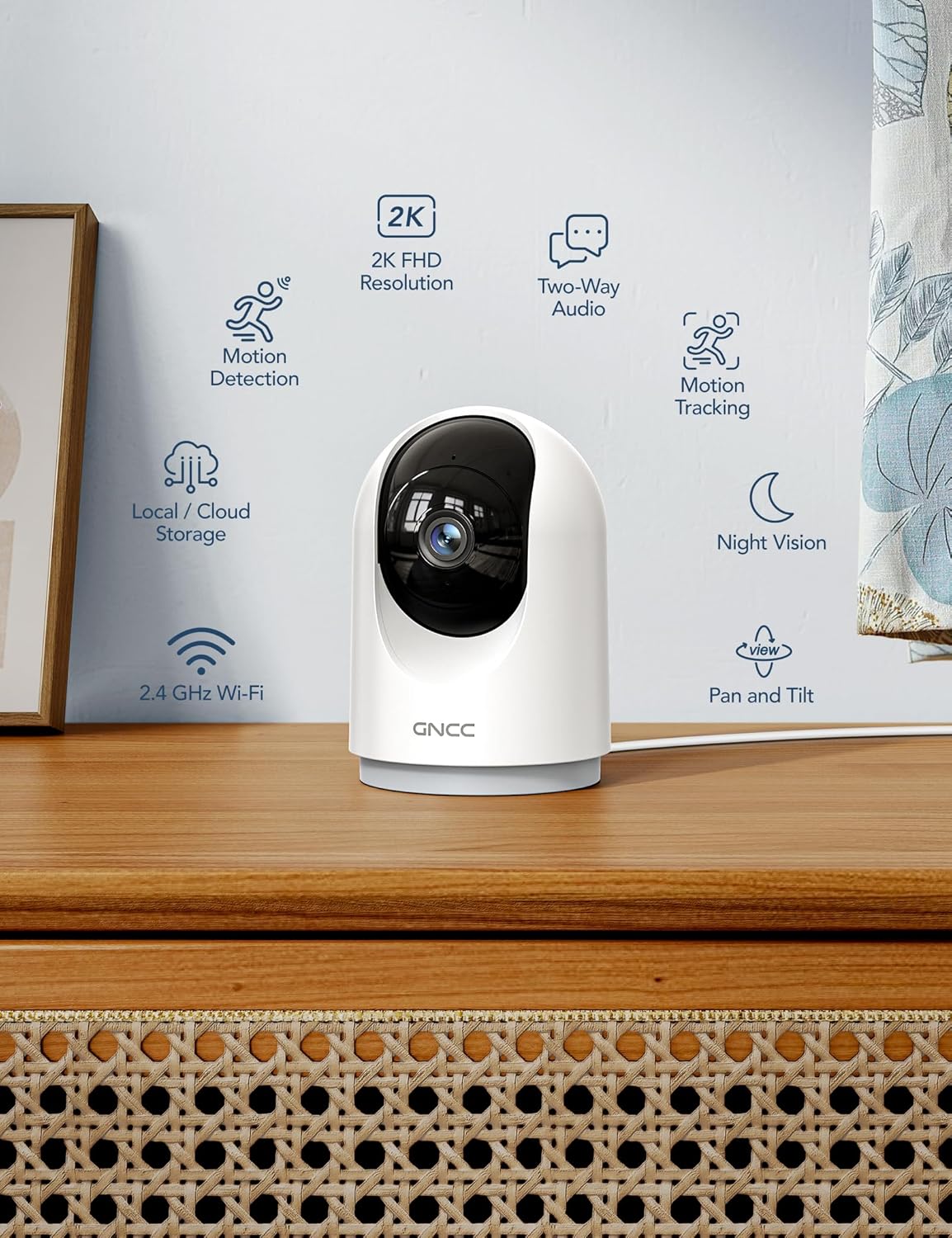
Indoor security cameras and outdoor cameras share the same core idea but live in very different environments. An indoor camera with motion detection usually watches doors, hallways, or living rooms, while an outdoor camera must survive rain, dust, and temperature swings. That difference shapes everything from the housing design to how the camera handles night vision and color night modes.
Indoor security cameras can often rely on infrared night vision because they operate in more controlled lighting. You still want a wide view and clear video, but you can usually accept smaller housings, lighter mounts, and shorter power cables for wired models. Outdoor security cameras, by contrast, benefit from color night lighting that uses built in LEDs to add enough light for full color recordings when motion detection triggers. In many real world tests, color night footage from cameras like Reolink Lumus or Arlo Pro series makes it much easier to distinguish clothing colors and vehicle details than standard black and white infrared clips, especially within the first 30–40 feet of the field of view.
When you compare indoor and outdoor security cameras with motion detection, pay close attention to their IP rating and operating temperature range. A true outdoor security camera should handle heavy rain and dust, and its motion detection should be tuned to ignore distant traffic while reacting quickly to someone near your door. Look for at least IP65 for exposed outdoor spots and operating ranges that cover your local winter lows and summer highs. If you want a single ecosystem, brands like Google Nest, Arlo, and Lorex offer both indoor cam and outdoor camera lines that share the same app, cloud storage options, and smart home integrations.
For people who mainly need indoor coverage at night, a dedicated guide to indoor security cameras with strong night vision can be especially helpful. Use such comparisons to see how different cameras with motion detection handle low light noise, how their infrared LEDs affect baby rooms, and whether they support local storage alongside cloud storage. Then extend that same thinking outdoors, where you may combine several outdoor cameras with one or two indoor units into a single security system.
Power, wired versus wireless, and real world battery life
Power is often the hidden constraint that decides which security cameras with motion detection will actually work in your home. A wired security camera can run indefinitely once installed, but it needs a nearby outlet or PoE network cable, which is not always practical for every outdoor camera location. Battery powered cameras with motion detection offer flexible placement, yet their battery life depends heavily on how often motion triggers recording and how frequently you stream live video.
When you evaluate battery powered cameras, ignore marketing claims and look for independent tests of real battery life. A camera with a large battery that records many short motion clips may last longer than a smaller cam that streams long live sessions every day. For example, long term reviews from 2023 and 2024 often report 3–6 months of typical use for Arlo and Eufy battery cameras in moderate traffic areas, while the same models on a busy street may need charging every 4–6 weeks. If you live in a busy street where motion detection fires constantly, you may prefer wired security cameras outdoors and reserve battery models for quieter zones or temporary placements.
Hybrid setups are increasingly popular, where a wired security system covers key entry points and a few battery cameras fill gaps. This approach lets you enjoy the reliability of wired cameras with the flexibility of wireless units that you can move as your needs change. For people who care deeply about how long a battery camera with motion detection can run between charges, a specialized comparison of longest lasting battery cameras based on real run times is more useful than any single spec sheet.
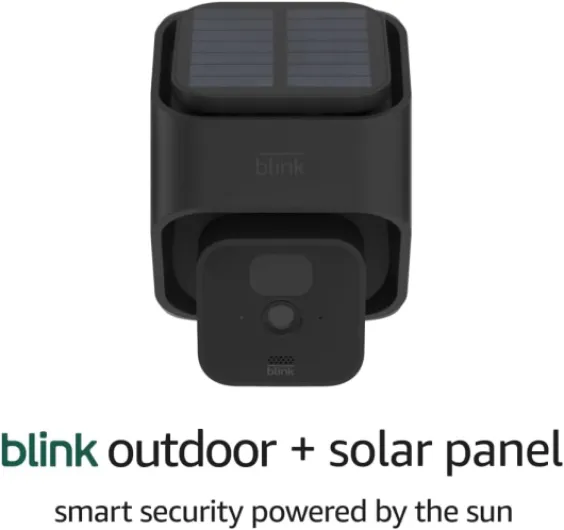
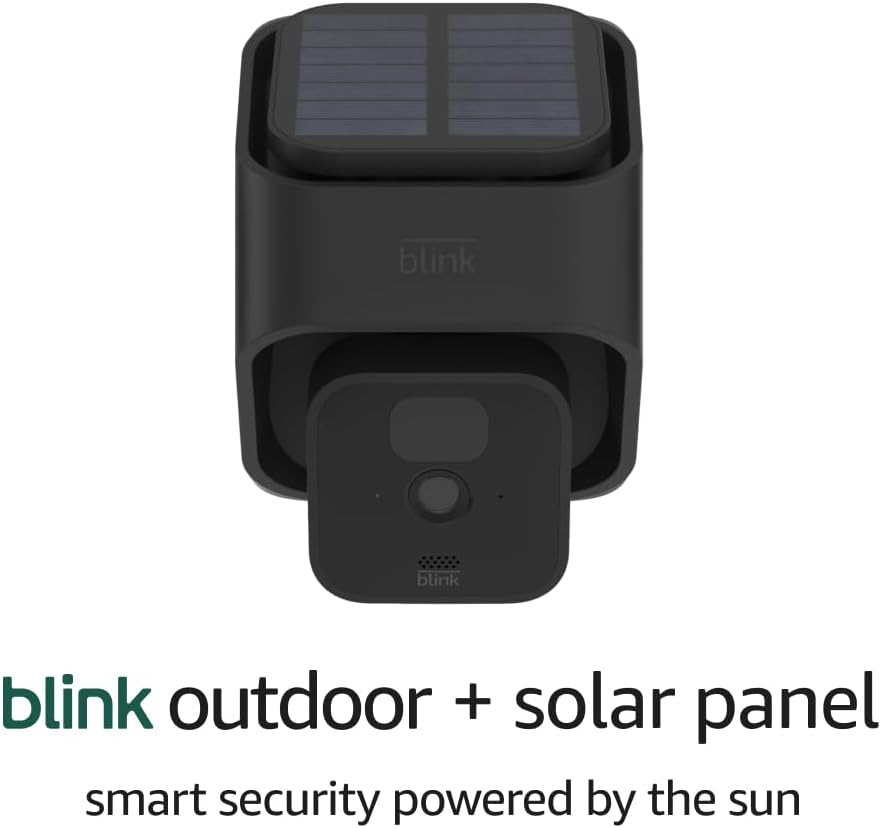
Smart home integration also affects power choices, because some wired cameras with Alexa or Google Nest support can double as indoor chimes or smart displays. A wired indoor cam that stays always on can show a live view on an Alexa Google smart screen without draining a battery. Outdoors, you might pair a battery camera with a small solar panel, reducing how often you climb a ladder while still keeping motion detection active around the clock.
Cloud storage, local storage, and how to protect your footage
Every motion event your security cameras capture must live somewhere, and that storage choice has both cost and privacy implications. Cloud storage is convenient because your security video is backed up off site, but it usually requires a monthly fee per camera or per household. Local storage on a microSD card or a network recorder avoids recurring costs, yet it demands more attention to backups and physical security.
Many of the best security cameras with motion detection now offer a mix of cloud storage and local storage. For example, a camera with a microSD card slot can keep continuous recording locally while sending only motion clips to the cloud for quick access. This hybrid model reduces how much you pay per month while still giving you remote access to key motion events from your phone.
Brand ecosystems handle storage differently, so read the fine print before you commit. Arlo often leans on cloud storage plans that unlock advanced motion detection and extended history, while Lorex traditionally emphasizes local storage through recorders in larger security system setups. Google Nest and Nest Cam models use cloud storage heavily, though some newer Google Nest cameras with local storage options are emerging for people who want more control over their security data.
Smart assistant integration also shapes how you access stored clips. A security camera with Alexa support might let you ask an Echo Show to play the last motion event, while a camera with Google Nest integration can cast recent video to a television. Whatever you choose, secure your accounts with strong passwords and two factor authentication, because motion detection is only as trustworthy as the systems that protect the resulting security footage.
Brand ecosystems and choosing the right mix of smart security cameras
Once you understand motion detection, power, and storage, the final decision often comes down to brand ecosystems. Sticking with one or two brands for your security cameras simplifies apps, subscriptions, and smart home routines. Mixing brands can still work, but it demands more effort to keep every camera with motion detection updated and properly configured.
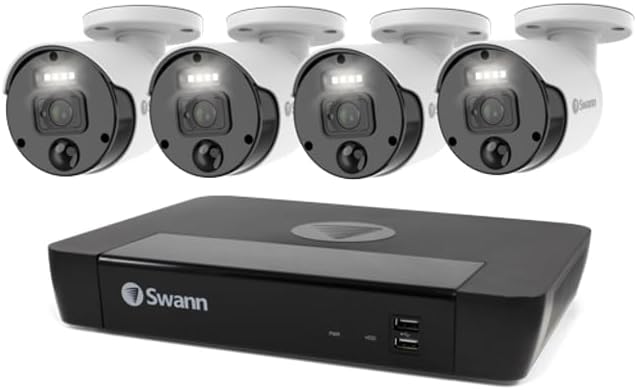
Arlo focuses heavily on wire free outdoor cameras with strong motion detection, color night options, and flexible cloud storage plans. Many Arlo cam models integrate well with Alexa and Google, making it easy to show a live view on smart displays or automate lights when motion triggers. Lorex, by contrast, leans toward more traditional wired security systems with multiple outdoor cameras, local storage recorders, and robust night vision for large properties.
Google Nest and Nest Cam products appeal to people already invested in the Google ecosystem. A Nest Cam indoor camera with motion detection can send alerts to your phone and show a live view on any Nest Hub, while outdoor Google Nest cameras integrate with routines that turn on lights or announce visitors. When you add Alexa Google compatibility into the mix, you can build a flexible security system where some cameras with motion detection respond to voice commands with Alexa and others tie into Google automations.
Buying through Amazon can be convenient because you see many competing security cameras side by side, but do not let discounts alone drive your choice. Check how each security camera handles motion detection, whether it supports local storage on a microSD card, and how long its battery life is under typical use. Then design a layered security system that combines indoor and outdoor cameras, wired and wireless power, and both cloud storage and local storage so that no single failure leaves your home unprotected.
Key figures and adoption trends for motion based home security
- According to Parks Associates’ report “Connected Cameras and Video Doorbells” (2023), more than 30 % of US broadband households now own at least one home security camera, and most of these devices rely on motion detection to trigger recording and alerts.
- Data from Strategy Analytics’ Smart Home Devices service (2022) indicates that battery powered smart security cameras account for roughly half of new consumer camera shipments, reflecting strong demand for flexible outdoor security without complex wired installation.
- Consumer surveys reported by the Security Industry Association in its “Security Megatrends 2023” briefing show that over 60 % of buyers consider cloud storage options a decisive factor when choosing among the best security cameras with motion detection, especially for multi camera systems.
- Research from Omdia’s “Video Surveillance and Analytics Intelligence Service” (2022) suggests that 2K and 4K resolution cameras now represent a growing share of outdoor camera sales, driven by the need to pair motion detection with detailed video that can identify people and vehicles.
- Market analyses from firms such as IDC in their smart home device trackers (2022–2023) highlight that integration with Alexa and Google smart home platforms is present in a majority of new security camera models, underlining how voice control and smart displays are reshaping how people interact with motion alerts.