Doorbell cameras versus outdoor cameras for package protection
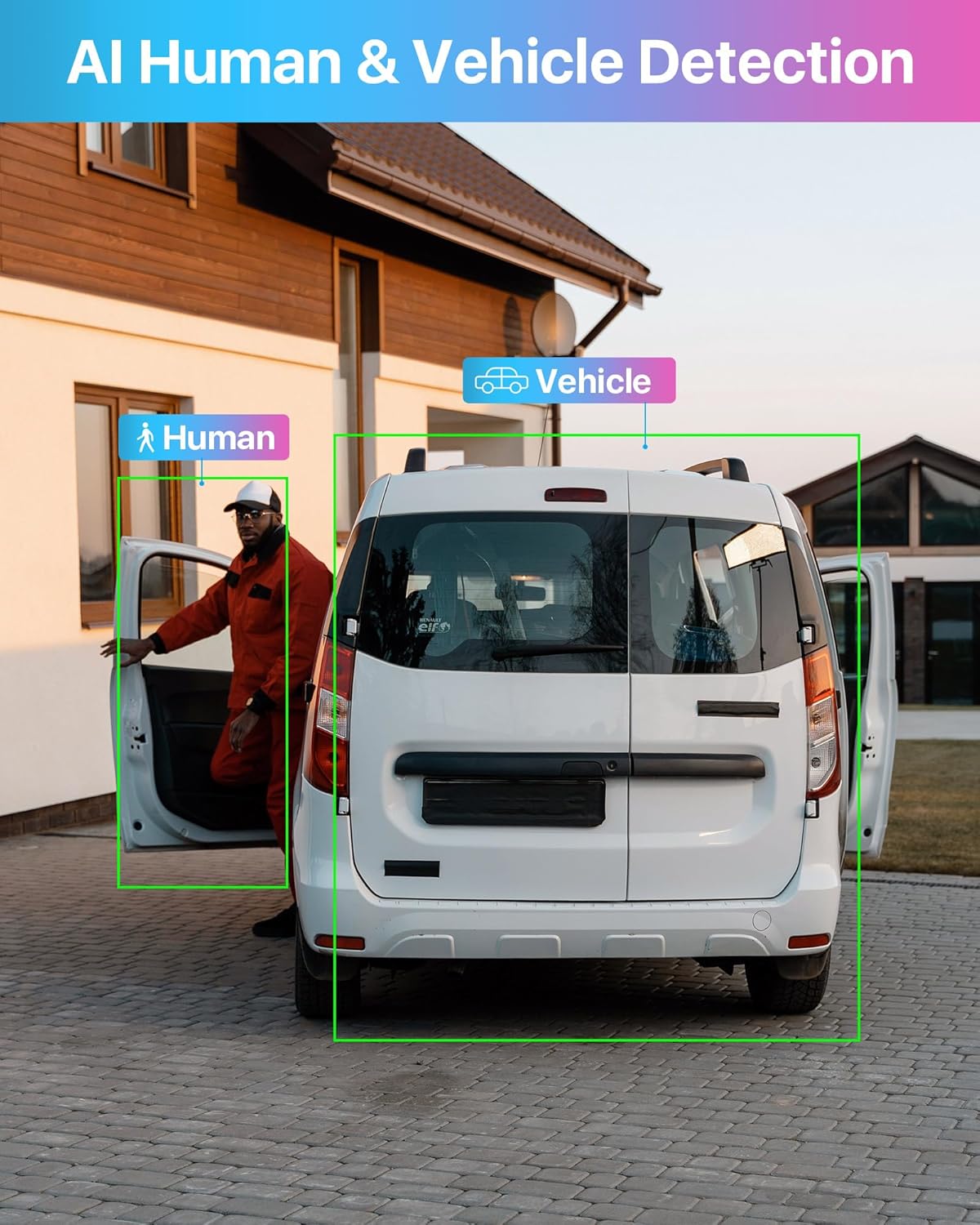
Choosing between doorbell cameras and outdoor cameras is the most important strategic decision for parcel protection. A video doorbell sits exactly where couriers leave boxes, so the camera with package detection can see labels, hands, and faces at close range. An outdoor security camera mounted under the eaves offers a broader field of view, which helps track anyone who approaches, lingers, or leaves with your delivery.
For many homes, the best security cameras with package detection start with a smart video doorbell at the main entrance. A doorbell camera with motion detection and night vision can capture visitors in low light, while its chime and two-way audio let you talk to couriers even when you are away. When combined with a wired or battery-powered outdoor camera, this creates a system with overlapping coverage that follows a potential thief from the street to the porch and back again.
Wired doorbells and wired outdoor cameras offer stable power and usually better video quality. A Lorex wired model, for example, can provide continuous recording to local storage, which means every second of motion around packages is preserved even if your internet connection fails. Battery-powered video doorbells and battery outdoor cameras are easier to install, but you must check battery health regularly, especially in cold climates where capacity drops faster.
Night performance is another decisive factor when comparing doorbell cameras and outdoor cameras. Look for night vision that keeps faces and parcels legible at 5 to 10 metres, not just vague silhouettes, because many package thefts happen after sunset. Some of the best security cameras with package detection now combine infrared night vision with a small spotlight that activates only when motion detection identifies a person near your delivery.
If you want a concrete example of how a dual-lens outdoor camera can complement a video doorbell, examine this detailed test of a 4K outdoor security camera with dual lens and 30 metre night vision. In that hands-on review, the wide lens captured a 120-degree overview of the driveway while the telephoto lens delivered a 4x zoom on the doorstep, keeping shipping labels readable at roughly 8 metres. Pairing such an outdoor camera with a smart video doorbell gives you both precise package detection at the door and broader situational awareness around the property.
Cloud storage, local storage, and subscriptions for package events
Once your security cameras detect a package, the next question is where that video lives. Many of the best security cameras with package detection rely on cloud storage, which uploads clips to remote servers so you can review them from any device. Cloud storage is convenient, but it usually requires a monthly subscription that scales with the number of cameras and the length of video history.
Local storage means the security camera writes video to a microSD card, a network recorder, or a home server. A Lorex wired system with a dedicated recorder can keep weeks of continuous video storage without any subscription, which appeals to people who want predictable costs. However, if a thief steals both the package and the recorder, you may lose the evidence, so some buyers combine local storage with limited cloud backups for critical motion detection events.
Hybrid designs are becoming common among smart security brands. A camera with on-device artificial intelligence can store routine motion clips locally while sending only important package detection events to the cloud, which reduces bandwidth and subscription fees. This approach works well for homes with several outdoor cameras and video doorbells, because it keeps the system with many devices responsive even on slower internet connections.
When you compare subscription tiers, read the fine print about how many security cameras are covered. Some plans charge per security camera or per video doorbell, while others bundle unlimited cameras but limit total video storage days, which can affect how long package events remain accessible. Pay attention to whether advanced features like facial recognition, rich notifications, and smart security automation require higher priced subscriptions.
For people who want to focus specifically on the best security cameras with package detection, curated comparisons can save time. A detailed ranking of top security cameras with package detection can highlight which models offer generous cloud storage, robust local storage, or flexible subscription options. Use such overviews as a starting point, then verify current pricing and storage policies directly in each brand’s app or support pages before committing.
Smart features that matter: motion detection, facial recognition, and field of view
Package detection does not work in isolation, it builds on several layers of smart features. Motion detection is the trigger that tells the security camera when to wake up, record video, and analyse the scene for parcels or people. Poorly tuned motion detection leads to either missed events or endless alerts, so the best security cameras with package detection offer adjustable zones, sensitivity sliders, and schedules.
Facial recognition is another feature that can change how you experience alerts. Some Google Nest cameras and video doorbells can learn familiar faces, which lets the system with multiple devices label events as “family member” or “unknown person” near a package. Used carefully, facial recognition can reduce anxiety by distinguishing a regular courier from a stranger who approaches your doorbell camera at unusual hours.
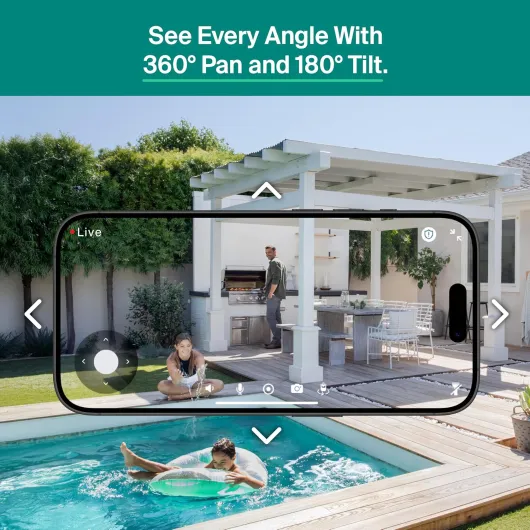
The field of view of each camera with package detection determines how much context you see around deliveries. A wide 150-degree lens on a video doorbell can capture the doorstep, the person, and the street, but it may distort edges slightly. A dual-lens outdoor camera can pair a wide field of view with a narrow zoom lens, which keeps both the parcel and the route a thief might take in crisp detail.
Integration with smart platforms such as Google Assistant or other smart home ecosystems also matters. When your smart security cameras connect to Google displays or speakers, you can ask to see the front door, check whether a package is still present, or trigger lights when motion detection fires. This kind of automation turns passive video doorbells and outdoor cameras into an active deterrent system with coordinated responses.
Night vision quality is the final piece that many buyers underestimate. Look for security cameras and video doorbells that maintain clear night vision without blowing out faces when the infrared LEDs reflect off nearby walls or parcels. In independent tests of popular models, cameras that balanced exposure around 20 to 30 lux of ambient light produced night clips where both the person and the package stayed legible, which is crucial evidence if a theft occurs between late evening and early morning.
Wired versus battery powered systems and how they affect reliability
Power strategy shapes how reliable your package protection will be over months and years. Wired security cameras and wired video doorbells draw continuous power, which supports higher bitrate video, stronger night vision, and more intensive on-device processing for package detection. Battery-powered security cameras offer flexible placement, but they demand regular maintenance and careful tuning of motion detection to avoid draining the battery too quickly.
A Lorex wired system with a central recorder suits homeowners who want a robust, always-on perimeter around driveways, gates, and porches. These wired security cameras can record continuously to local storage, then flag segments where motion detection or package detection occurred for quick review. In contrast, a battery-powered video doorbell or outdoor camera with limited video storage usually records only short clips, which may miss context before or after a theft.
Hybrid systems are increasingly popular among people seeking information about the best security cameras with package detection. You might run a wired doorbell camera at the main entrance, then add battery-powered outdoor cameras to cover secondary paths where couriers sometimes leave parcels. This system with mixed power sources balances reliability at the primary door with flexibility around garages, side gates, or shared hallways.
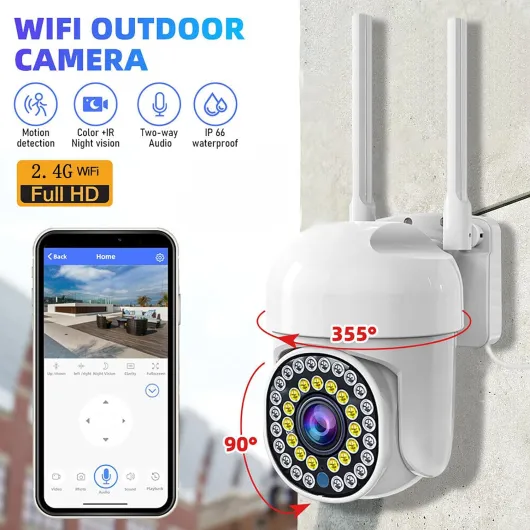
Weather resistance is another factor when choosing between wired and battery designs. Outdoor cameras with IP65 or IP66 ratings handle rain and dust better, but extreme cold can still affect battery performance and night vision range. If you live in a region with harsh winters, a wired outdoor security camera with a heated housing or sheltered mounting position will usually outperform a battery model over time.
Think also about future expansion when you select your first security camera. A platform that supports both wired and battery-powered security cameras, video doorbells, and doorbell cameras gives you room to adapt as your delivery habits change. The best security cameras with package detection fit into a broader smart security ecosystem, rather than locking you into a single device that cannot grow with your home.
Balancing privacy, data control, and smart convenience
Every security camera that watches your doorstep also collects data about your life. Video clips of couriers, neighbours, and family members are sensitive, especially when combined with facial recognition or detailed motion detection logs. When you evaluate the best security cameras with package detection, you should weigh convenience against how much control you retain over video storage and sharing.
Systems that rely heavily on cloud storage raise specific questions. Who can access your video, how long is it kept, and what happens if a company changes its subscription terms or suffers a breach? A security camera with strong local storage options and clear export tools lets you keep critical package events under your own control, while still using cloud backups for redundancy.
Smart integrations with platforms such as Google Assistant or other smart home hubs can expose additional data pathways. When your video doorbells and outdoor cameras stream to smart displays, logs of those requests may live on separate servers from the camera vendor. Read both the camera maker’s privacy policy and the platform provider’s terms, especially if you enable facial recognition or advanced smart security automation.
Some people prefer a Lorex wired system or similar setups that keep most video traffic inside the home network. In such designs, the security cameras send video to a local recorder, and remote access passes through encrypted channels that you can disable if needed. This approach appeals to privacy-conscious buyers who still want the benefits of motion detection, night vision, and package detection without constant reliance on external cloud services.
Whatever you choose, treat your security cameras like any other connected system with potential risks. Use strong unique passwords, enable two-factor authentication, and keep firmware updated so that your camera with smart features receives the latest security patches. The best security cameras with package detection are not only sharp and responsive, they are also maintained like critical infrastructure that protects both parcels and personal data.
Key statistics about home security cameras and package theft
- In a recent national survey by Security.org, more than 40% of respondents reported at least one package stolen from their doorstep in the previous twelve months, highlighting why demand for security cameras with package detection has surged. The full findings are available in Security.org’s “Package Theft Statistics 2023” report, which details theft rates by region, dwelling type, and delivery method.
- Research from the Consumer Technology Association shows that over 60% of new smart security camera purchases now include either a video doorbell or a doorbell camera, reflecting the central role of the front entrance in parcel protection. These figures come from the CTA’s latest “Smart Home Ownership and Usage” study, which tracks adoption of connected devices across U.S. households.
- According to data shared by major delivery companies, parcel volumes have increased by more than 20% compared with pre-pandemic levels, which means more opportunities for theft and more reasons to deploy outdoor cameras with reliable motion detection and night vision. Industry white papers from UPS, FedEx, and USPS all point to sustained higher volumes since 2020, driven by e-commerce growth.
- Industry analyses of subscription models indicate that cloud storage fees can represent up to 30% of the total five-year cost of ownership for a multi-camera system with both security cameras and video doorbells, making local storage an important consideration for budget-conscious buyers. These estimates are drawn from cost-of-ownership breakdowns published by independent smart home analysts who compare hardware, installation, and ongoing service charges.
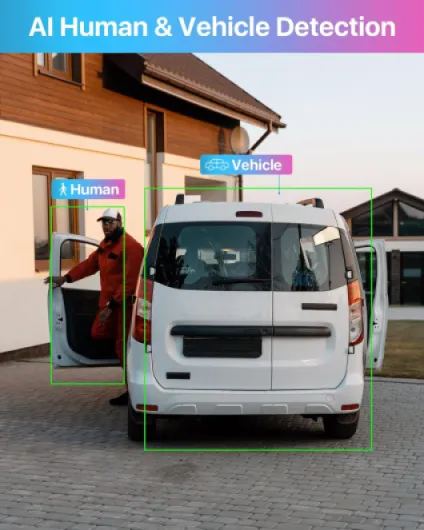
- Independent lab tests of smart security devices have found that cameras using on-device artificial intelligence for package detection reduce false alerts by roughly half compared with models that rely only on basic motion detection, which directly improves user trust and engagement. In one comparative test, AI-enabled cameras cut average daily false notifications from about 20 to 10 per household when evaluated over several weeks of mixed weather conditions.
References
- Security.org – “Package Theft Statistics 2023” and related research on package theft prevalence and consumer security behaviours, including methodology notes and demographic breakdowns.
- Consumer Technology Association – “Smart Home Ownership and Usage” reports with market data on smart home and security camera adoption, purchase drivers, and usage patterns.
- Electronic Frontier Foundation – Guidance on privacy, facial recognition, and connected home devices, including best practices for securing smart cameras and managing data retention.