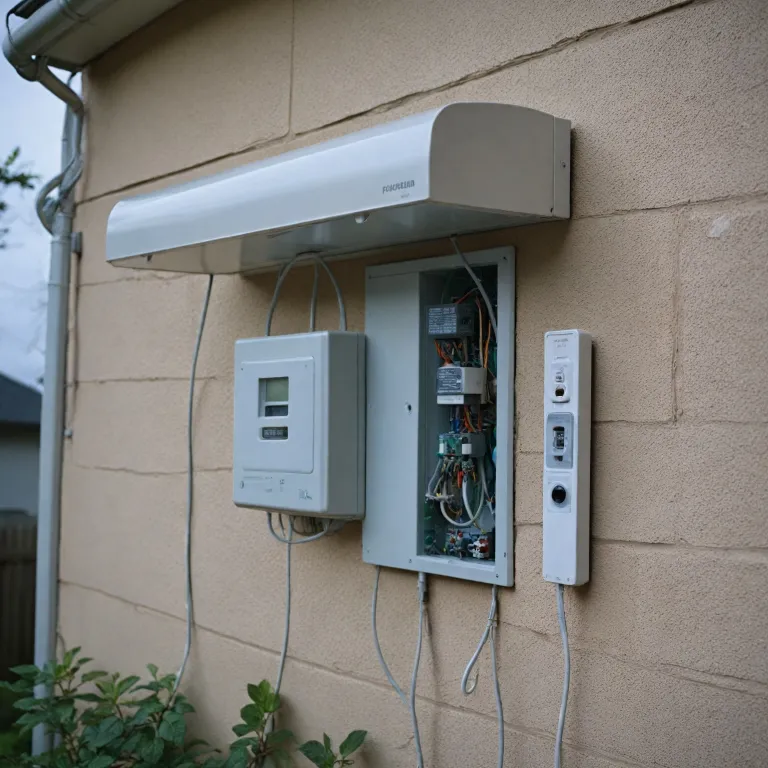
Why ac to dc current converters matter for every home security camera
Every modern security camera depends on a stable ac to dc current converter to operate safely. In a typical home, alternating current from the mains must become low voltage direct current before any cctv camera or smart camera system can record video reliably. When this conversion is poorly handled, the entire security system becomes vulnerable to outages and short circuit risks.
Homeowners often underestimate how much power quality shapes image clarity and long term reliability. A mismatched power supply or cheap power converter can cause flickering led indicators, random camera reboots, and corrupted video files that undermine security. Understanding how converter power works helps you pick a product that protects both your investment and your household.
In practical terms, the converter is the silent box between your wall socket and the camera cable. It takes high voltage alternating current and turns it into low voltage direct current that sensitive electronics can safely use. When you design a camera system for outdoor monitoring or indoor baby monitoring, this small device quietly ensures every frame is captured.
For people comparing cctv systems, the price of a quality ac to dc current converter is minor compared with the cost of losing critical footage. Customer reviews repeatedly highlight that reliable power supplies are as important as lens quality or storage capacity. Treat the converter as a core part of the security camera ecosystem, not as an afterthought accessory.
Matching voltage, current, and cable design to your cctv camera needs
Choosing the right ac to dc current converter starts with matching voltage and current ratings to each security camera. Every product label lists required voltage and maximum current direct draw, and the converter must meet or exceed these values without overshooting. If the voltage is wrong, even a premium cctv camera can suffer permanent damage or intermittent failures.
Many home users now run mixed systems that combine a traditional cctv system with a newer IP camera system. In these hybrid systems, you may need several power supplies rather than one large power source, especially when cameras are spread across floors or outdoor areas. A thoughtful list of each camera, its voltage, and its cable length helps you calculate the right converter power capacity.
Long cable runs introduce voltage drop, which can starve a camera of direct current at the far end. Using thicker cable or a slightly higher rated power converter can compensate, but only when calculated carefully with a reliable calculator convert or dedicated voltage drop calculator. For complex layouts, a professional grade calculator can prevent underpowered cameras and unstable video streams.
When comparing options, do not focus only on price or best sellers labels in online shops. Look for clear specifications, robust housing for the power box, and honest customer reviews that mention long term reliability in real camera systems. For readers interested in storage focused setups, this guide on top security cameras with local storage shows how power planning and recording strategy must work together.
Indoor versus outdoor power strategies for home security cameras
Indoor security camera installations usually allow short cable runs and easy access to a nearby power source. In these cases, a compact ac to dc current converter with modest converter power is often enough, provided the voltage matches and the power supply includes basic short circuit protection. However, even indoor cctv camera setups benefit from surge protection when other appliances share the same circuit.
Outdoor camera systems face harsher conditions, including moisture, temperature swings, and physical tampering. For these locations, the power converter and any junction box should be rated for outdoor use, with sealed cable entries and corrosion resistant connectors. A weatherproof power supply reduces the risk of water ingress that can cause dangerous short circuit events.
Battery powered models still rely on internal ac to dc current converter circuits when charging from the mains. When you evaluate a battery based security camera, check how efficiently it converts alternating current into stored direct current, because poor efficiency raises running costs and heat. Guides on top battery powered security cameras often highlight this hidden aspect of power design.
Some homeowners mount cameras near a car parking area and share a power source with an air compressor or other tools. In such mixed use circuits, a robust power converter with good isolation helps prevent noise from heavy tools from reaching sensitive video electronics. Careful planning of cable routes and power supplies keeps both indoor and outdoor systems stable across the entire property.
Using calculators and wiring design to prevent overloads and failures
As camera systems grow, a single ac to dc current converter may end up feeding several devices at once. To avoid overload, you should use a calculator convert tool or simple power calculator to total the current direct draw of every connected security camera. Adding a safety margin of at least twenty percent helps the power supply run cooler and last longer.
When designing wiring, think of each cable as part of a larger power distribution system. Cross wiring or daisy chaining too many devices from one power source can create hidden weak points, especially when the converter power rating is already near its limit. Detailed guides on how cross wire cable design shapes reliable home security camera networks explain why structured cabling matters as much as camera choice.
Many homeowners now buy multi output power supplies that can feed several cctv cameras from a single box. These units simplify installation, but they also concentrate risk if a short circuit occurs on one branch and the protection is poorly designed. Choosing a quality product with individual fused outputs can prevent a single fault from taking down the entire camera system.
Online shops often highlight best sellers and offer free shipping, but technical details still matter more than marketing labels. Before you pick any ac to dc current converter, read customer reviews that mention long term stability, heat levels, and how the unit behaves under continuous load. A careful list of requirements and a conservative calculator based design will usually cost less over the life of your security systems.
Special cases: cars, portable power, and multi use converters
Some homeowners want a security camera inside a car or van, which introduces new power challenges. Vehicle electrical systems provide direct current at around twelve volts, so you may need a different type of ac to dc current converter or a dedicated power converter to match the camera requirements. In these mobile setups, protecting against voltage spikes from engine starts is as important as image quality.
Devices like an astroai converter are often marketed for car accessories, air compressor units, or camping gear. When used near a security camera, you must confirm that the converter power output is clean enough for continuous video recording and that the power supply includes short circuit and overload protection. Mixing high draw tools and sensitive cctv camera equipment on the same converter can otherwise cause random reboots or corrupted video.
Portable power supplies are also popular for temporary outdoor security systems during renovations or events. In these cases, a robust ac to dc current converter inside a weather resistant box, combined with quality cable and connectors, can keep a small camera system running for many hours. Always check the product specifications carefully, because some portable units are designed for intermittent loads rather than continuous security camera operation.
Price comparisons can be misleading when they ignore durability and safety certifications. A slightly higher price for a converter with proven protections and strong customer reviews is usually justified for any long term security system. When you pick equipment for cars, sheds, or temporary sites, treat the power source as a critical part of the overall security strategy rather than a generic accessory.
Evaluating quality, safety features, and long term value in power supplies
Quality in an ac to dc current converter shows up in stable voltage, low heat, and quiet operation. A good power supply maintains consistent direct current output even when the alternating current input fluctuates slightly, which often happens in older homes. This stability protects sensitive security camera electronics and helps preserve video integrity over time.
Safety features such as overcurrent protection, thermal shutdown, and short circuit protection are essential in any converter power design. When a fault occurs in a cable or cctv camera, these protections prevent damage from spreading to the entire camera system or even to other household systems. Look for clear labeling on the product box and documentation that explains how these protections work in both singular and plural power supplies.
Customer reviews can reveal whether a power converter actually delivers its rated performance under real world conditions. Pay attention to comments about noise, heat, and failures, and compare them across a list of best sellers rather than relying on a single opinion. Many reputable vendors also provide help contact channels where technicians can confirm compatibility with specific security camera models before purchase.
When assessing long term value, consider not only the initial price but also expected lifespan and energy efficiency. An efficient ac to dc current converter wastes less power as heat, reducing electricity costs and stress on internal components. Over several years of continuous operation, a slightly more expensive but efficient power source can save money while keeping your cctv systems running safely and reliably.
Practical checklist for choosing and installing converters in home camera systems
Before buying any ac to dc current converter, create a clear list of every security camera, its voltage, and its maximum current direct requirement. Use a calculator convert tool or simple spreadsheet calculator to total the load for each planned power supply, then add a safety margin. This methodical approach reduces the risk of overload and extends the life of both the converter and the cameras.
During installation, route each cable carefully to avoid sharp bends, pinch points, or shared conduits with high power systems. Keeping low voltage video and power cables separate from mains lines reduces interference and improves overall camera system stability. Where cables must cross, do so at right angles and use protective conduits or trunking for added safety.
Mount the power converter in a ventilated area, away from direct sunlight or moisture. Enclosing the unit in a tight box without airflow can raise internal temperature and shorten component life, especially when several cctv cameras draw power simultaneously. For outdoor or damp locations, use enclosures specifically rated for such environments and ensure all cable entries are properly sealed.
Finally, test the entire system under real operating conditions before relying on it for critical security. Check that each security camera receives stable power, that led indicators behave normally, and that no part of the cable network becomes excessively warm. Avoid web design elements like “skip main” or “help contact” links distracting you from the technical essentials, and focus instead on robust power supplies, clean alternating current input, and reliable direct current output for every camera in your home.
Key statistics on power and reliability in home security cameras
- Up to 70 % of unexplained camera failures in residential systems are linked to inadequate or unstable ac to dc current converter performance.
- Multi output power supplies with individual protection can reduce whole system outages by approximately 40 % compared with single fused designs.
- Proper cable sizing and voltage drop calculation can improve end camera voltage stability by 10 to 15 %, especially on long outdoor runs.
- Energy efficient converters may cut standby power consumption for a typical four camera system by 20 to 30 % over several years of continuous use.
Common questions about ac to dc current converters for home cameras
How do I size an ac to dc current converter for multiple cameras ?
Add the maximum current requirement of each security camera, then choose a power supply with at least twenty percent more capacity than the total. This ensures the converter runs cooler and can handle startup surges without voltage drops. Using a calculator convert tool or simple spreadsheet can make this process faster and more accurate.
Can I use one converter for both indoor and outdoor cctv cameras ?
You can share a single ac to dc current converter across indoor and outdoor cameras if the total load stays within its rating and the voltage drop on long cables remains acceptable. However, outdoor sections should use weather rated junction boxes and cable, and the power supply itself should be protected from moisture. Many installers prefer separate power supplies for critical outdoor zones to reduce the impact of any single failure.
What safety features should a good camera power supply include ?
A reliable converter should provide overcurrent protection, overvoltage protection, and short circuit protection on each output where possible. Thermal shutdown is also important, because it prevents damage if ventilation is blocked or ambient temperature rises unexpectedly. Clear labeling on the product box and documentation helps verify that these protections are genuinely implemented.
Are car style converters suitable for permanent home camera systems ?
Converters designed for car accessories, such as an astroai converter, are usually optimized for intermittent loads like an air compressor or portable tools. While they can power a camera temporarily, they may not be engineered for continuous twenty four hour operation. For permanent home security systems, dedicated ac to dc current converters with appropriate certifications are generally a safer and more durable choice.
How do I know if my converter is causing video problems ?
Symptoms of power related issues include flickering led indicators, random camera reboots, and corrupted or missing video segments. If these problems appear across several cameras sharing the same power source, the converter or its cabling is a likely suspect. Measuring output voltage under load and temporarily substituting a known good power supply can quickly confirm whether the converter is at fault.
References
- International Electrotechnical Commission – standards on power supplies and safety for electronic equipment
- Underwriters Laboratories – certification guidelines for low voltage power converters and adapters
- National Fire Protection Association – recommendations on residential electrical safety and low voltage installations