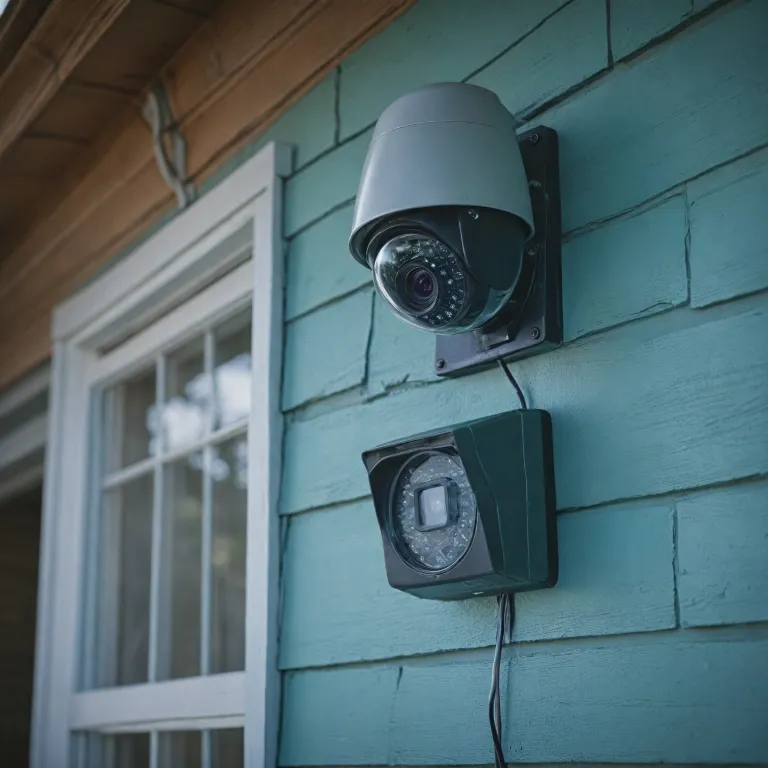

Understanding volts to watts conversion in home security cameras
Choosing a home security camera starts with understanding how volts and watts define its electrical appetite. When you grasp how voltage, current, and wattage interact, you can match cameras to power supplies safely and avoid mysterious shutdowns. This is where a clear view of voltios a watts conversion becomes essential for every homeowner.
In simple terms, volts describe the electrical pressure pushing current through a circuit. Amps measure the current itself, while watts express the total power consumed by your camera and its accessories. The basic electrical formula tying them together is power in watts equals voltage multiplied by current in amps.
For a typical wired camera, you might see 12 volt and 1 ampere on the label. Using the formula, that means 12 watts of power, which helps you size adapters and cables correctly. This same logic applies when you compare different models with varying voltage and current ratings.
Many people confuse voltage and wattage, assuming higher voltage always means more power. In reality, a lower voltage with higher current can equal the same watts, so you must read both numbers carefully. Accurate volts to watts conversion protects your circuit from overloads and keeps your surveillance system stable.
When you design a multi camera setup, total wattage becomes even more critical. Add the watts for each device, including recorders, routers, and any PoE injectors. Then verify that your power source, wiring, and breakers can safely handle the combined load with some margin.
How voltage, current, and wattage shape camera reliability
Every home security camera depends on a delicate balance between voltage, current, and wattage. If the supplied voltage drops too low, image quality may degrade, night vision can flicker, and the device might reboot unexpectedly. Too much voltage, on the other hand, risks permanent damage to sensitive electrical components.
Manufacturers specify a nominal voltage and acceptable range, often shown as voltage volts on the label. Staying within that band ensures the internal circuit receives the right electrical push without overheating. When you plan voltios a watts conversion, always start from the rated volt and amps values printed on the camera or power adapter.
Current amps indicate how much flow the device can draw at that voltage. A camera rated at 0.5 amps on 12 volts uses about 6 watts, while a more advanced model with motorized zoom might need 1.5 amps and therefore 18 watts. This difference in watts amps directly affects how many units you can safely run from a single power supply.
In multi camera installations, people often underestimate the cumulative power watts requirement. They may connect several cameras to one adapter, assuming the voltage alone defines capacity. Instead, you must add all the amps watts and convert watts to confirm the total load remains below the adapter’s rated wattage.
If you are troubleshooting random camera failures, a volts calculator or watts calculator can be surprisingly helpful. By measuring rms voltage at the terminals and comparing it with expected watts volts, you can identify drops caused by long cables or poor connections. For solar powered systems, this diagnostic step is even more important, especially when issues like why a solar powered security camera is not recording properly appear during cloudy days.
Designing safe circuits and phases for camera power distribution
When you extend your surveillance system beyond a single device, circuit design becomes a central concern. Each branch circuit must respect both voltage limits and total wattage, particularly in older homes with mixed wiring standards. A careful volts conversion and amps volts calculation helps you avoid nuisance breaker trips and overheating cables.
Most residential installations rely on single phase power, which simplifies planning but still demands attention to detail. You need to consider the phase balance when several high wattage devices share the same distribution board. Although cameras are relatively low power, recorders, network switches, and lighting can collectively push the amps watts higher than expected.
For low voltage systems, such as 12 volt or 24 volt DC, cable length strongly influences voltage volts at the camera end. Longer runs increase resistance, reducing current and effective wattage, which can cause intermittent failures. Using a volts calculator or dedicated calculators for cable sizing allows you to convert volts and amps into acceptable distances.
In more advanced setups, installers sometimes use a central DC supply and distribute power over structured cabling. Here, precise voltios a watts conversion ensures each leg of the circuit receives enough power watts without exceeding cable ratings. The volt ampere capacity of the supply must exceed the sum of all connected loads with a safety margin.
Solar panel powered systems add another layer of complexity, because the available voltage and current vary with sunlight. Matching solar panels, charge controllers, and batteries requires accurate watts volts and volts watts calculations across different operating conditions. Guidance on topics like using solar panel extension cables for security cameras can help maintain stable current amps even when panels are mounted far from the cameras.
Solar powered cameras and the role of power factor and rms voltage
Solar powered home security cameras translate sunlight into electrical energy, making every watt count. To size a solar panel correctly, you must estimate daily energy consumption in watt hours based on the camera’s watts amps rating. This process starts with accurate voltios a watts conversion and a realistic view of local sunlight conditions.
A typical solar panel system includes the panel, a charge controller, a battery, and sometimes an inverter. Each stage introduces its own efficiency losses, so the raw wattage from solar panels does not fully reach the camera. When you convert watts from the panel rating into usable power watts at the device, you must factor in these reductions.
For AC powered components like Wi Fi routers or NVRs connected to inverters, power factor and rms voltage become important. The apparent volt ampere rating of the inverter may exceed the real watts it can deliver continuously. Understanding the difference between apparent power and true power helps you avoid undersized equipment that fails during peak current.
Many homeowners use online calculators to estimate solar requirements, but not all calculators handle camera loads accurately. A specialized volts calculator or watts calculator that includes power factor and phase assumptions can provide more reliable results. This is particularly relevant when combining DC cameras with AC networking gear on the same solar panel system.
For a deeper technical breakdown of how a watts to volts calculator supports safe design, resources like a dedicated watts to volts calculator for home security cameras can be invaluable. They guide you through each conversion step, from volts amps to final wattage, while accounting for circuit losses. By following these methods, you ensure your solar panel and battery field delivers consistent current amps throughout the night.
Using calculators and formulas to size adapters and PoE equipment
Power over Ethernet and low voltage adapters have become the backbone of modern home security systems. To choose them wisely, you need more than a rough guess about volts and watts. A structured approach using the standard electrical formula and reliable calculators turns voltios a watts conversion into a precise design tool.
Start by listing each camera with its rated voltage volts and current amps. Multiply volt by ampere to obtain the wattage, then add a safety margin of around twenty percent. This extra headroom ensures that brief current spikes, such as during infrared activation, do not overload the adapter or PoE switch.
When several cameras share a PoE switch, check both per port and total power watts limits. Some switches advertise high aggregate wattage but restrict individual ports to lower amps watts, which can throttle advanced models. Matching each port’s volts amp and amps volts capacity to the camera’s needs prevents random disconnects and video loss.
Online volts calculator and watts calculator tools can automate these steps, especially when you handle many devices. They allow you to convert volts, amps, and watts quickly, compare different adapters, and verify that your circuit remains within safe limits. Using multiple calculators also helps cross check results, reducing the risk of simple arithmetic errors.
For homeowners without an electrical background, a clear workflow makes the process manageable. First, read the label, then apply the formula, and finally validate with calculators before buying hardware. Over time, this disciplined approach to volts conversion and convert watts decisions builds a more reliable and efficient surveillance field around your property.
Balancing image quality, storage, and electrical efficiency
Higher resolution cameras promise sharper images, but they also influence electrical demand. Advanced image sensors, powerful processors, and stronger infrared illumination all increase watts amps, especially at night. When you plan upgrades, you must weigh the benefits of better footage against the extra power watts required from your circuit.
For example, replacing several basic units with 4K models might double the combined wattage. If your existing adapter or PoE switch was already near its volt ampere limit, this change could push amps watts beyond safe levels. A fresh voltios a watts conversion for the new lineup helps you anticipate these impacts before installation.
Storage and networking equipment also contribute to overall consumption, even though they sit away from the camera field. Network video recorders, hard drives, and Wi Fi access points draw continuous current amps, adding to the background load. When you calculate total watts volts for the system, include these devices to avoid underestimating the required capacity.
Some homeowners explore smart power management, such as scheduling certain cameras to sleep during low risk hours. This strategy reduces average watts and extends the life of solar panels and batteries in off grid setups. However, it demands precise convert volts and convert watts planning to ensure critical zones remain covered at all times.
Ultimately, a well balanced system aligns voltage, current, and wattage with your security priorities. By using calculators, respecting circuit limits, and revisiting volts watts and volts amps figures after every upgrade, you maintain both safety and performance. This disciplined attention to electrical details supports reliable monitoring without unnecessary energy waste.
Practical checklist for safe volts to watts conversion at home
Translating theory into everyday practice starts with a simple checklist. First, document every camera, adapter, and accessory with its voltage volts, current amps, and wattage if listed. Then, perform a voltios a watts conversion for each item, confirming that volt multiplied by ampere matches or closely approximates the stated watt figure.
Next, group devices by circuit and power source, whether single phase mains, a DC adapter, or a solar panel system. Add the watts for each group, compare them with the rated power watts or volt ampere capacity, and keep a safety margin. If the total approaches the limit, consider splitting the load across additional circuits or upgrading the supply.
Inspect cable runs, especially long low voltage lines feeding outdoor cameras around the property field. Use a volts calculator to estimate voltage drop and verify that rms voltage at the far end remains within the acceptable range. If necessary, increase cable thickness, shorten routes, or raise supply voltage while keeping amps volts and volts conversion within device specifications.
For solar panels and battery based systems, revisit your calculations seasonally as sunlight patterns change. Confirm that solar panels still generate enough watts volts to cover extended night operation and cloudy days. Adjust panel orientation, add capacity, or refine power factor assumptions if monitoring shows frequent low voltage events.
Finally, keep a record of all formulas, calculators used, and configuration choices for future reference. When you expand or modernize your cameras, this documentation streamlines new convert volts and convert watts decisions. Over time, such disciplined attention to volts watts, volts amps, and amps watts relationships turns you into a confident steward of your home’s electrical safety.
Key quantitative insights on volts and watts in home security cameras
- [Statistic placeholder] Percentage of home security cameras powered by low voltage DC circuits compared with mains powered models.
- [Statistic placeholder] Typical wattage range for indoor versus outdoor cameras with infrared illumination.
- [Statistic placeholder] Average efficiency loss between solar panel rating and usable power at the camera after conversion stages.
- [Statistic placeholder] Proportion of system failures traced to undersized adapters or incorrect volts to watts conversion.
Frequently asked questions about volts to watts conversion for cameras
How do I calculate the watts my security camera uses ?
Multiply the rated voltage by the rated current in amps to obtain watts. If the label only shows volts and watts, divide watts by volts to estimate current amps. Always add a safety margin when sizing adapters or PoE equipment.
Can I use a higher voltage adapter for my camera ?
Using an adapter with higher voltage than specified is unsafe and can damage the camera. You may use an adapter with the same voltage and equal or higher ampere rating. Matching voltage volts precisely is more important than matching the exact current value.
How many cameras can I run from one power supply ?
Add the wattage of all cameras and accessories you plan to connect. Ensure the total remains below about eighty percent of the supply’s rated power watts or volt ampere capacity. If you exceed this threshold, split the load across additional supplies or circuits.
What should I consider when powering cameras with solar panels ?
Calculate daily energy needs in watt hours, then size solar panels and batteries accordingly. Account for efficiency losses in controllers, inverters, and wiring, not just panel ratings. Recheck performance during different seasons to confirm stable voltage and current under real conditions.
Why do my cameras reboot when infrared night vision turns on ?
Infrared LEDs can cause a brief surge in amps watts that stresses marginal power supplies. If the adapter or PoE port is undersized, voltage may dip below the camera’s minimum requirement. Upgrading to a higher wattage supply or redistributing loads across circuits usually resolves this issue.