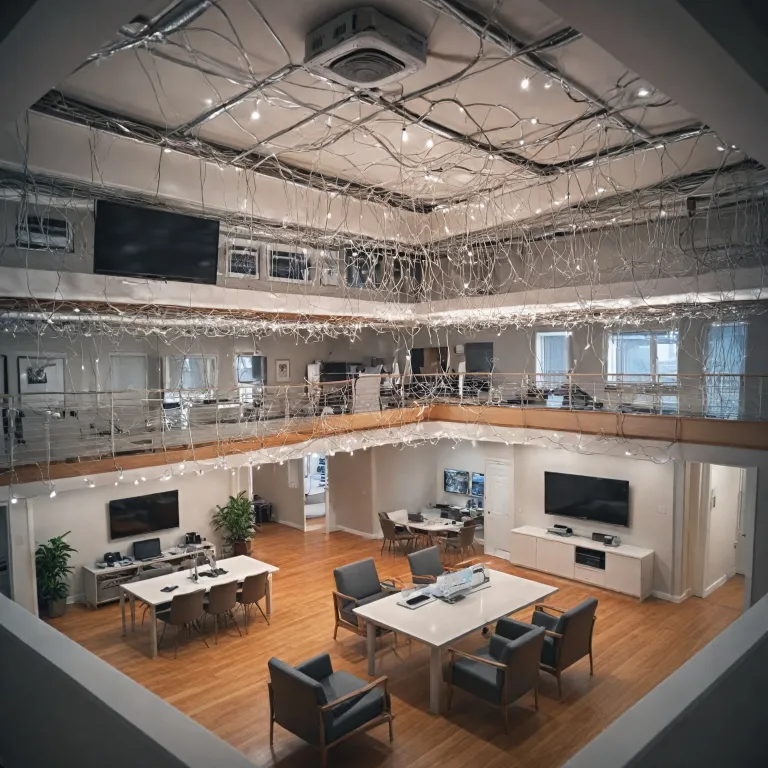
Why cross wire cable matters for home security camera reliability
In a modern home security camera system, the humble cross wire cable often determines whether footage is crisp or corrupted. When you cross and connect each cable correctly between recorder, router, and camera, you reduce dropouts that can hide crucial details during an incident. A well planned wire spool layout also keeps maintenance simple and avoids confusion when you later add more devices.
Most installations rely on solid copper conductors because a solid bare copper core carries power and data with less loss over long runs. For fixed indoor routes, a solid cable is usually preferable to stranded, as this solid bare design resists stretching and preserves signal integrity. When you select any wire cable for cameras, always check that it is properly cat rated for the bandwidth your system needs.
Structured cabling standards define how each wire pair must be arranged inside the jacket to avoid harmful cross talk. A typical cat rated cable contains four twisted pairs, and each wire pair must remain tightly twisted right up to the connector. If you untwist pairs too far while you connect wire to the plug, you weaken noise immunity and risk pixelated video.
Color coding also plays a vital role, especially when you manage multiple camera zones from a central view. Many installers choose an orange pvc jacket or another distinct spool color to separate security lines from general networking. This simple category cross practice helps you trace each connect cross point quickly when troubleshooting under pressure.
Understanding cross connect layouts for indoor and outdoor cameras
Designing a reliable cross connect layout starts with mapping every camera, recorder, and switch on a floor plan. From that drawing, you can calculate how much cable each run requires and how many meters of wire spool to purchase. Planning in advance prevents waste, controls pricing, and ensures that every critical angle of view is covered.
For outdoor cameras, choose a cable with a robust pvc jacket that is rated for exterior use and UV exposure. This type of jacket protects each internal wire pair from moisture and temperature swings that can degrade copper over time. When you route the wire cable, avoid tight bends and crushing forces that could damage the solid conductors.
Many homeowners now use PoE cameras, which send power and data over the same cat rated cable. In these systems, the quality of the connect wire at each termination becomes even more important, because voltage drops can cause intermittent failures. Always verify that the awg size of the conductors matches the power budget specified by your camera manufacturer.
Before you add any new device, check existing runs for spare capacity and label each cross connect panel clearly. A consistent category cross labeling scheme, using both text and jacket color, makes future upgrades far easier. When planning cameras to monitor vehicles, it is helpful to consult a detailed guide on choosing a camera to detect motion on your vehicle.
How cable construction, awg, and pairs influence video quality
The internal construction of a cross wire cable has a direct impact on the clarity of your security footage. Each twisted pair inside the jacket is engineered to carry high frequency signals with minimal interference and loss. When these pairs are manufactured with consistent geometry, the camera’s digital stream arrives intact at the recorder.
Conductor thickness, expressed as awg, also shapes performance over distance in a home. Lower awg numbers indicate thicker copper, which reduces resistance and allows longer cable runs without visible degradation. For most home security camera installations, a solid bare copper conductor in the 23 or 24 awg range offers a strong balance between flexibility and performance.
It is important to avoid copper clad aluminum when selecting any wire cable for surveillance. True bare copper conductors handle PoE loads more safely and maintain signal integrity better, especially when multiple cameras share a single switch. When you compare pricing between spools, always confirm whether the product uses solid bare copper or a cheaper composite.
Shielding and jacket materials also matter, particularly near mains power lines or wireless transmitters that can cause interference. A quality pvc jacket with clear printing of the category rating helps you verify that the cable is genuinely cat rated. For wireless systems that still rely on wired backhaul, you can study how Night Owl wireless cameras enhance your home security while still benefiting from robust wired infrastructure.
Practical tips for routing, labeling, and managing wire spool inventory
Efficient routing of cross wire cable begins with separating low voltage lines from mains power. Maintain at least several centimeters of distance between your wire cable and electrical conduits to reduce induced noise. Where paths must cross, arrange them to cross at right angles rather than running in parallel.
When pulling from a wire spool, unroll the cable smoothly to avoid kinks that can damage the solid conductors. Mark the remaining length on the spool color label after each major run, so you can track inventory accurately. This simple habit prevents mid project shortages and helps you plan when to add another spool to your supplies.
Labeling each connect wire at both ends is essential for long term maintenance and troubleshooting. Use clear tags that indicate the camera location, the cross connect panel port, and the category rating of the cable. Over time, this structured approach turns a complex web of wires into an orderly, understandable system.
Homeowners often underestimate how many pairs they will eventually need as they expand coverage. Leaving spare capacity in your category cross layout, including unused ports and extra cable routes, makes future upgrades far easier. For readers comparing wired and subscription free options, a detailed overview of top security cameras with no subscription can help align cabling plans with long term monitoring goals.
Evaluating product reviews, ratings, and pricing for security cabling
Choosing the right cross wire cable for home security involves more than reading a single specification sheet. Product reviews from experienced installers can highlight recurring issues such as brittle pvc jackets or inconsistent awg markings. When multiple reviews mention the same flaw, it is wise to treat that pattern as a warning sign.
Look for cables that are clearly cat rated, with independent verification where possible and transparent manufacturing details. A trustworthy supplier will specify whether the conductors are solid bare copper, list the exact awg, and describe the internal structure of each wire pair. Transparent pricing that reflects these quality factors usually indicates a more reliable long term investment.
Color options such as an orange pvc jacket or other distinct hues can simplify maintenance by visually separating security lines from general networking. When comparing different spool color choices, consider how they will appear in low light spaces like attics or basements. A bright jacket can make it easier to trace a connect cross point quickly during urgent repairs.
Before you add any product to your online basket, read the fine print about category cross compliance and environmental ratings. Many retailers now include a quick “add to cart” button, but a careful review of technical details prevents costly mistakes. Taking a few extra minutes to verify these elements can protect both your footage and your budget over the long term.
Integrating cross connect planning with camera placement and system expansion
Effective home security depends on aligning camera placement with a thoughtful cross connect strategy. Start by defining the critical zones you need to view, such as entrances, driveways, and interior corridors. Then design cable routes that support those views while leaving room for future expansion.
Each new camera you add should connect wire back to a central point that is easy to access and clearly labeled. This hub might be a small rack in a closet, where every wire spool terminates on a patch panel or directly into a recorder. Keeping all terminations in one category cross location simplifies both power management and network troubleshooting.
When planning for growth, consider running extra pairs or even additional cables to key locations while walls are open. Unused wire pairs can sometimes support later upgrades, though you should always follow standards and manufacturer guidance for any connect cross changes. This foresight reduces the need to reopen walls or ceilings when you decide to enhance coverage.
Color coding remains helpful at this stage, with an orange pvc jacket or another distinct spool color reserved for security only. As you evaluate new equipment, pay attention to how each device is rated for bandwidth and PoE requirements, ensuring compatibility with your existing cat rated infrastructure. By treating cabling as a strategic asset rather than an afterthought, you build a resilient foundation for any future home security camera innovations.
Key statistics about home security cabling and camera performance
- Structured cabling with correctly maintained twisted pairs can reduce signal related video errors by more than half compared with poorly terminated runs.
- Using solid bare copper conductors instead of copper clad alternatives can extend reliable PoE camera distances by several tens of meters in typical homes.
- Clear labeling and color coded jackets can cut troubleshooting time for camera outages by up to one third in multi camera installations.
- Homes that centralize all cross connect points in a single accessible location tend to complete system expansions in significantly less time than those with scattered terminations.
Common questions about cross wire cable in home security systems
How does cross wire cable quality affect camera image clarity ?
Cable quality influences both bandwidth and electrical noise, which directly affect image clarity. High quality cat rated wire cable with solid bare copper conductors and well preserved twisted pairs allows your cameras to transmit full resolution streams without compression artifacts. Poor quality or damaged cables can introduce errors that appear as pixelation, freezing, or dropped frames.
Is it necessary to use cat rated cable for every home security camera ?
Using cat rated cable is strongly recommended for any modern IP camera that relies on Ethernet. These cables are engineered with specific wire pair twists and performance characteristics that support high bit rate video and PoE power delivery. Non rated or generic cables may work over short distances but often fail to provide stable performance across an entire home.
What awg size should I choose for long camera runs in a house ?
For most residential installations, 23 or 24 awg solid bare copper conductors provide a good balance between flexibility and low resistance. Thicker conductors with a lower awg number reduce voltage drop and signal loss over longer distances. Always match the awg and category rating to the requirements specified by your camera and PoE equipment manufacturers.
Why do installers use different jacket colors like orange for some cables ?
Different jacket colors, such as an orange pvc jacket for security lines, help distinguish functions in complex wiring spaces. This visual separation makes it easier to trace specific circuits, identify cross connect points, and avoid accidental disconnections. In multi camera systems, consistent color coding can significantly speed up maintenance and future upgrades.
Can I reuse existing network cables when upgrading my home security cameras ?
You can often reuse existing cat rated cables if they are in good condition and properly terminated. Before relying on them, test each run for continuity, verify the category rating printed on the jacket, and inspect the connect wire ends for damage. If the existing cables are old, unlabeled, or show signs of wear, replacing them with new solid bare copper wire cable is usually a safer long term choice.
Trusted references : UL standards for communications cables ; TIA cabling guidelines ; major PoE camera manufacturer installation manuals.