

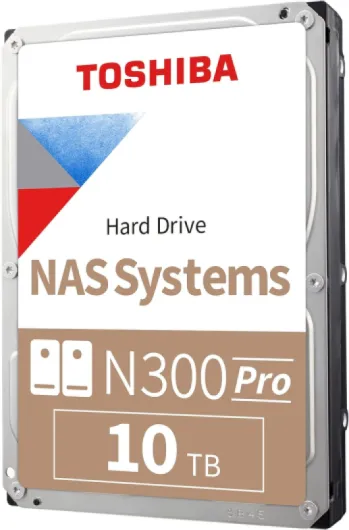
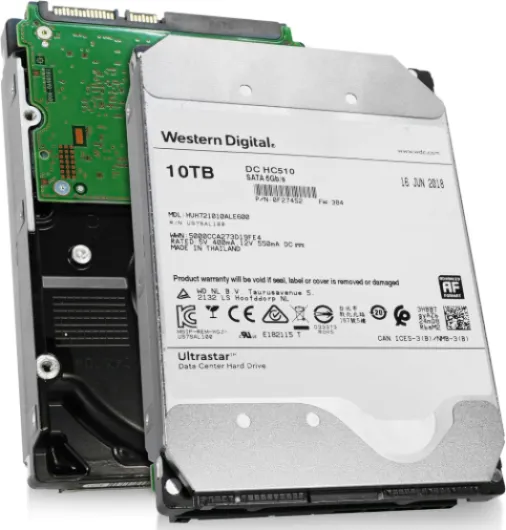
Understanding the role of storage in home security cameras
Why Storage Matters in Home Security Camera Systems
When setting up a home security camera system, storage is often overlooked, but it’s a critical part of the whole setup. Every video your cameras capture needs a reliable place to be saved, whether you’re using a network video recorder (NVR), a digital video recorder (DVR), or a cloud-based solution. The choice of hard drive (HDD) and its storage capacity directly impacts how much footage you can keep, the quality of the recordings, and how quickly you can access or review past events.
Most modern systems rely on internal hard drives, such as SATA HDDs from brands like Seagate and Western Digital. These drives are designed for continuous operation, with features like high rpm, large cache, and advanced data recovery options. The right drive model can mean the difference between smooth performance and frustrating lag or data loss. For example, a Seagate Barracuda or Seagate IronWolf is engineered for high-capacity storage and reliability, making them popular choices for surveillance and NAS internal setups.
- Storage capacity: Determines how many days or weeks of video you can store before older footage is overwritten.
- Drive performance: Factors like rpm, cache size, and SATA interface affect how quickly data is written and accessed.
- Product reliability: Surveillance-grade drives, such as Western Digital Black or Seagate Pro models, are built to handle 24/7 recording and frequent read/write cycles.
Choosing the right internal hard drive for your security system isn’t just about picking the largest storage capacity. You’ll want to consider the drive’s rpm, cache, and whether it’s optimized for video surveillance or gaming hard use. Some drives offer free shipping or special features like enhanced data recovery, which can be a bonus if you’re ordering online.
For those interested in maximizing their system’s potential, understanding the differences between drive models, SATA rpm, and cache SATA options is key. If you’re looking to review footage easily, integrating an SD card viewer for home security can also complement your main storage solution.
As you explore the best HDD options for your setup, keep in mind that the right combination of storage, performance, and reliability will ensure your home security camera system works seamlessly and keeps your data safe.
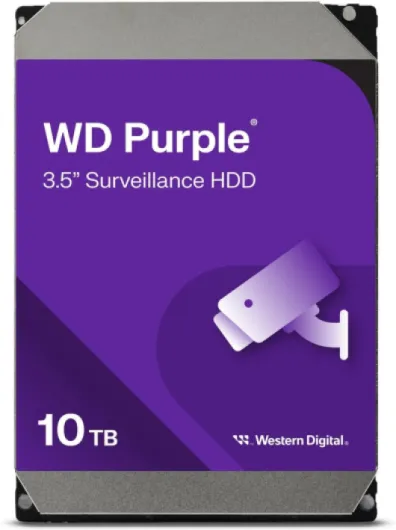
- + High capacity of 10TB
- + Designed for surveillance applications
- + SATA 6 Gb/s interface for fast data transfer
- + 256 MB cache for improved performance
- + Reliable and durable for 24/7 operation

Benefits of using a 10tb hard drive for surveillance footage
Why Storage Capacity Matters for Surveillance
When it comes to home security camera systems, the storage capacity of your hard drive directly impacts how much video footage you can keep and for how long. Upgrading to a 10tb hard drive means you can store weeks or even months of high-definition video, depending on your camera settings and the number of cameras in use. This is a significant leap from the limited storage offered by smaller drives, which often forces users to overwrite older footage or reduce video quality.
Advantages of a 10tb Hard Drive in Security Setups
- Extended Retention: With a 10tb internal hard drive, you can keep a comprehensive archive of surveillance footage, which is crucial for reviewing incidents that may have occurred weeks ago.
- High-Resolution Support: Modern security cameras often record in 4K or higher resolutions. A large-capacity drive like the Seagate IronWolf or Western Digital Black ensures you don’t have to compromise on video quality due to storage limitations.
- Multiple Camera Support: If your system uses several cameras, a 10tb hdd provides enough space to handle simultaneous video streams without frequent data deletion.
- Efficient Data Management: Drives with higher rpm and larger cache (such as 256MB or more) offer better performance, reducing lag during playback or when searching through archived footage.
Comparing Popular 10tb Hard Drive Models
| Product | RPM | Cache | Intended Use | Stars (User Ratings) | Free Shipping |
|---|---|---|---|---|---|
| Seagate IronWolf NAS Internal | 7200 | 256MB | Surveillance, NAS | 4.7 | Yes |
| Western Digital Black | 7200 | 256MB | Gaming, Video, Security | 4.8 | Yes |
| Seagate Barracuda Pro | 7200 | 256MB | Performance, Storage | 4.6 | Yes |
Beyond Security: Repurposing and Versatility
A 10tb drive isn’t just for storing surveillance video. Many users repurpose their drives for other tasks, such as backing up important files or even integrating older devices like an iPhone camera into their home security setup. For creative ideas on expanding your system, check out this guide on how to repurpose an iPhone camera for home security.
Choosing a high-capacity internal hard drive with robust rpm, cache, and SATA performance ensures your home security system is both reliable and future-proof. Whether you select a Seagate IronWolf, Western Digital Black, or another model, the right drive can make a noticeable difference in your surveillance experience.
How much footage can a 10tb hard drive hold?
Estimating Video Storage: What 10TB Really Means for Your Security System
When considering a 10TB hard drive for your home security camera system, the first question is often: how much footage can it actually store? The answer depends on several factors, including the resolution of your cameras, the number of cameras, frame rates, compression technology, and whether you record continuously or only on motion detection.
- Resolution: Higher resolution (like 4K) uses more storage than standard HD (1080p).
- Frame Rate: More frames per second (fps) means smoother video, but also larger files.
- Compression: Modern codecs like H.265 can cut storage needs by half compared to older H.264.
- Recording Mode: Continuous recording fills up storage faster than motion-triggered recording.
For a practical example, a 10TB internal hard drive (such as a Seagate Barracuda or Western Digital Black model) can typically store:
| Camera Setup | Resolution | Recording Mode | Estimated Days of Storage |
|---|---|---|---|
| 4 cameras | 1080p, 15fps | Continuous | ~60-90 days |
| 8 cameras | 1080p, 15fps | Motion only | ~120-180 days |
| 2 cameras | 4K, 20fps | Continuous | ~30-40 days |
Keep in mind, these are estimates. Your actual storage duration will vary based on your unique setup, the drive's rpm, cache size, and the efficiency of your system's video management software. Drives with higher rpm and larger cache (like 256MB or more) often deliver better performance for video surveillance, especially when paired with NAS internal or pro-grade models.
For those who want to maximize storage without drilling into their roof, consider non-penetrating roof mount options to optimize camera placement and coverage, which can also impact how much footage you need to store.
Whether you choose a Seagate IronWolf, Western Digital Black, or another high-capacity SATA drive, always check the product specs for rpm, cache, and intended use (surveillance, NAS, or gaming hard drives). Free shipping and data recovery services are often available from major retailers, making it easier to upgrade your storage capacity and protect your video data.
Choosing the right 10tb hard drive for your security system
Key Factors When Selecting a 10TB Surveillance Hard Drive
When upgrading your home security camera system with a 10TB hard drive, the choice of drive is more than just about storage capacity. The right hard disk can influence video performance, reliability, and even long-term data recovery. Here are the main points to consider:
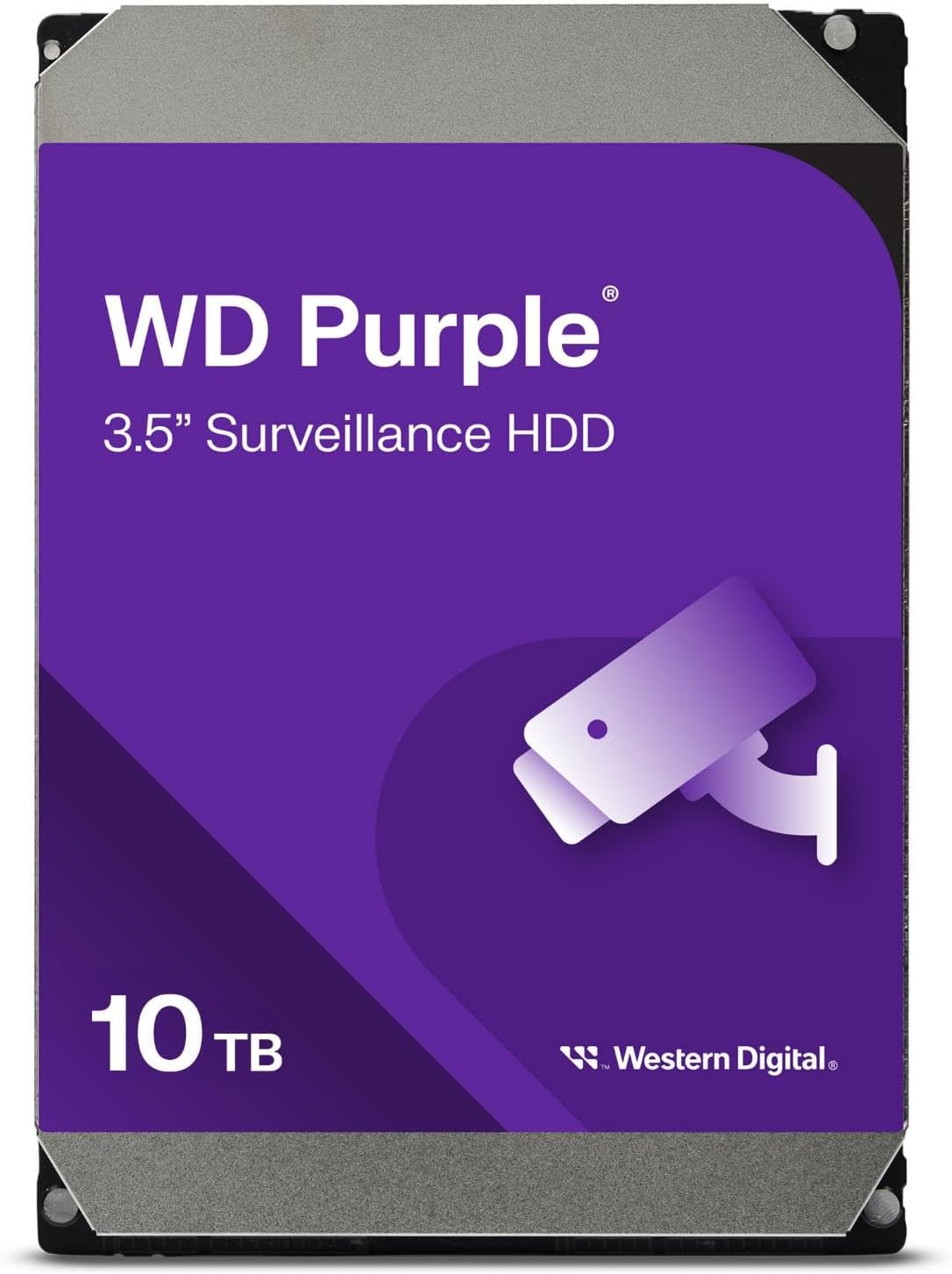
- Drive Type: Surveillance systems benefit from drives designed for continuous video recording. Look for surveillance-optimized models like the Seagate SkyHawk or Western Digital Purple rather than standard desktop or gaming hard drives.
- Internal vs. External: Most home security NVRs and NAS systems require an internal hard drive (HDD) with SATA interface. Check your device’s compatibility before purchasing.
- RPM and Cache: Drives with higher RPM (such as 7200 rpm) and larger cache (256MB or more) offer better performance for handling multiple video streams. For example, the Seagate IronWolf Pro and Western Digital Black are known for their high rpm and cache, making them suitable for demanding setups.
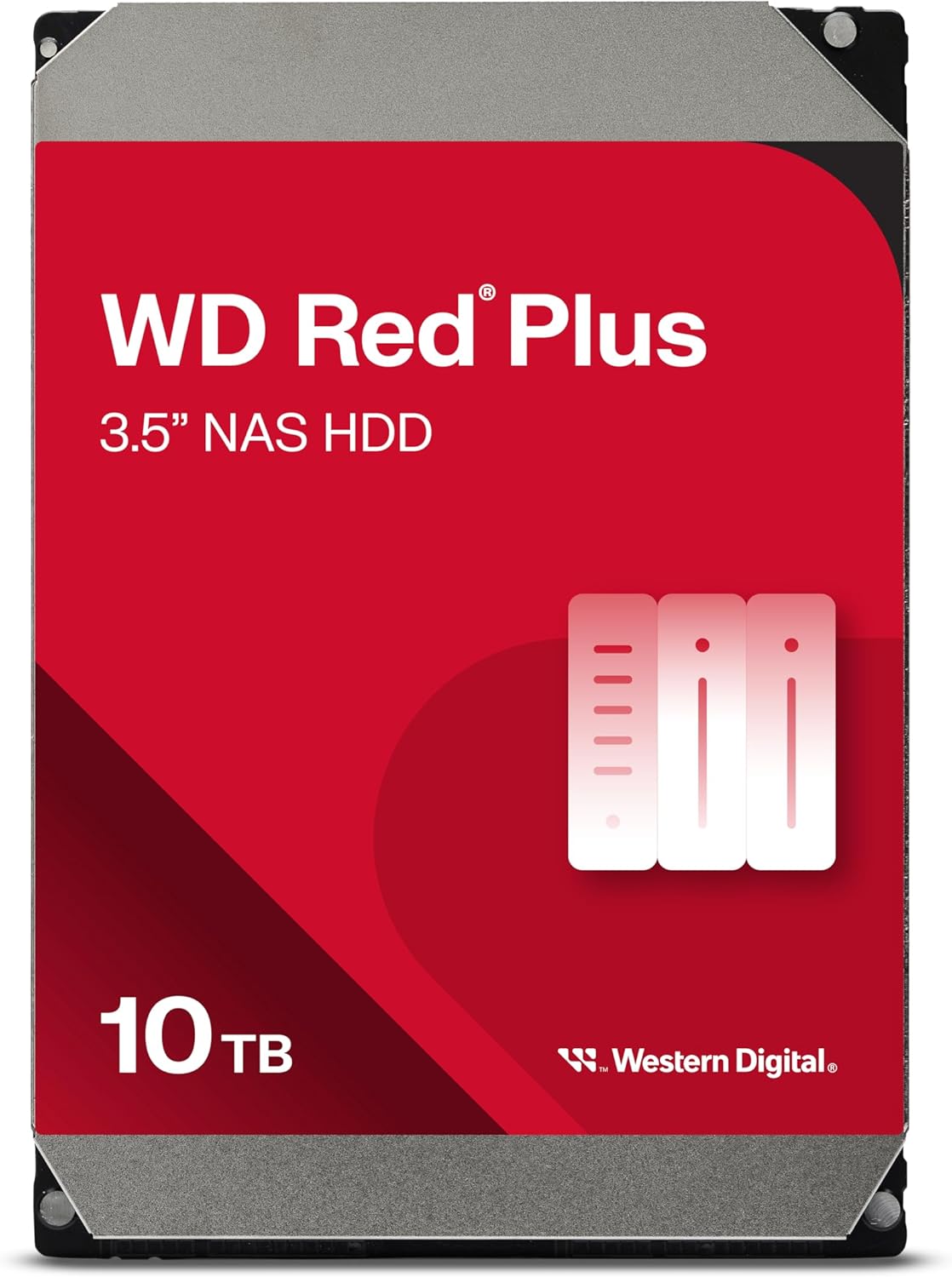
- Reliability and Endurance: Surveillance drives are built for 24/7 operation. Models like the Seagate Barracuda and Western Digital Red Pro are rated for high workload rates and long lifespans, which is crucial for continuous video recording.
- NAS Compatibility: If you use a NAS internal storage system, ensure the drive supports NAS features such as vibration resistance and error recovery controls. Drives labeled as "NAS internal" are optimized for these environments.
- Warranty and Data Recovery: Consider drives that offer extended warranties and data recovery services. Some products, like the Seagate IronWolf Pro, include rescue data recovery plans, adding peace of mind.
- Shipping and Availability: Look for reputable sellers offering free shipping and verified product authenticity. Check user reviews and star ratings to gauge reliability and performance.
Comparison Table: Popular 10TB Surveillance Hard Drives
| Model | Type | RPM | Cache | NAS Support | Warranty |
|---|---|---|---|---|---|
| Seagate SkyHawk | Surveillance | 7200 | 256MB | Yes | 3 years |
| Western Digital Purple | Surveillance | 5400 | 256MB | Yes | 3 years |
| Seagate IronWolf Pro | NAS/Surveillance | 7200 | 256MB | Yes | 5 years + Rescue |
| Western Digital Red Pro | NAS | 7200 | 256MB | Yes | 5 years |
| Seagate Barracuda | Desktop | 7200 | 256MB | No | 2 years |
Choosing the right 10TB drive is about matching your home security system’s needs with the right balance of performance, endurance, and features. Always check for compatibility with your NVR or NAS, and prioritize drives built for video surveillance to ensure smooth, reliable footage storage.
Setting up and maintaining your 10tb hard drive
Installing Your 10TB Drive: Key Steps for Reliable Performance
Once you’ve selected the right 10TB hard drive—whether it’s a Seagate Barracuda, Seagate IronWolf, or a Western Digital Black model—proper installation is crucial for optimal storage capacity and performance. Most home security camera systems support SATA internal hard drives, so check your system’s compatibility before proceeding. For best results, use a drive with a high rpm (revolutions per minute) and ample cache (such as 256MB or more) to handle continuous video recording.
- Power down your DVR or NVR before installing the new internal hard drive.
- Mount the drive securely in the designated bay using the provided screws.
- Connect the SATA and power cables firmly to the drive and motherboard.
- Boot up the system and use the security software to format the new HDD for video storage.
Optimizing Storage and Maintaining Your Hard Disk
To maximize the lifespan of your 10TB drive, keep your system in a cool, dust-free environment. Drives like the Seagate IronWolf Pro or Western Digital Black Gaming are designed for high workloads, but regular maintenance is still important. Monitor the drive’s health using built-in tools in your security system or third-party software. Look for signs of declining performance, such as slower video playback or error messages.
- Schedule periodic checks for bad sectors or overheating.
- Update your system firmware to ensure compatibility with large-capacity drives.
- Clean the area around your DVR/NVR to prevent dust buildup, which can affect cooling.
What to Do When Storage Issues Arise
If you notice your system isn’t recording video as expected, check the drive’s available storage and health status. Some models, like the Seagate Barracuda or Western Digital Pro, offer data recovery services, but prevention is always better. Consider setting up automatic alerts for storage capacity limits or drive errors. If your drive fails, replace it promptly to avoid losing critical surveillance footage.
Shipping, Warranty, and Data Recovery Considerations
When purchasing a 10TB HDD, look for products with free shipping and solid warranty terms. Brands like Seagate and Western Digital often provide multi-year warranties and support for data recovery. If you’re using your drive in a NAS internal setup, confirm that the model is rated for 24/7 operation and high write workloads. This ensures your home security system remains reliable and your video footage is safe.
Data security and backup strategies for home surveillance
Protecting Your Footage from Loss and Unauthorized Access
When you invest in a 10tb hard drive for your home security camera system, safeguarding your surveillance video becomes just as important as capturing it. With such a large storage capacity, the stakes are higher if something goes wrong. Here’s how you can keep your data secure and accessible.
- Physical Security: Place your internal hard drive in a secure location within your home. Consider using a lockable enclosure or a NAS internal system that’s not easily accessible to prevent tampering or theft.
- Encryption and Access Controls: Many modern drives, including models from Seagate Barracuda, Seagate IronWolf, and Western Digital Black, offer built-in encryption features. Enable password protection and restrict access to only trusted users to keep your video files private.
- Regular Backups: Don’t rely on a single drive, even if it’s a high-performance 10tb hdd. Set up scheduled backups to another internal hard drive, an external drive, or a cloud storage service. This protects against data loss from drive failure, accidental deletion, or ransomware.
- RAID and NAS Solutions: For advanced users, using a NAS internal system with RAID configurations can add redundancy. If one drive fails, your footage remains safe on the other drives. Look for products with high rpm, large cache, and SATA compatibility for best performance.
- Data Recovery Planning: Even with precautions, hard disk failures can happen. Choose a drive model with a good reputation for reliability and positive product stars. Some brands, like Seagate and Western Digital, offer data recovery services as part of their warranty. Check if your chosen hdd includes this feature.
Maintaining Performance and Longevity
To ensure your 10tb drive keeps up with the demands of continuous video recording, pay attention to its rpm, cache size, and SATA interface. Drives designed for surveillance or NAS, such as Seagate IronWolf or Western Digital Black, are optimized for 24/7 operation and high write workloads. Regularly check the health of your hard drives using manufacturer tools, and replace them proactively if you notice performance drops or errors.
| Drive Model | Best For | Cache (MB) | RPM | Warranty |
|---|---|---|---|---|
| Seagate Barracuda | General storage, video archiving | 256 | 7200 | 2 years |
| Seagate IronWolf | NAS, multi-drive setups | 256 | 7200 | 3 years |
| Western Digital Black | Gaming, high performance | 256 | 7200 | 5 years |
Finally, always verify your backup and recovery procedures. Test restoring a video file from your backup regularly. This ensures your home security camera system’s footage is safe, whether you’re using a single internal hard drive or a more advanced NAS internal setup. Free shipping offers and product stars can help you choose the right drive, but ongoing maintenance is key to long-term data security.