

Understanding solar-powered cameras for home security
What Makes Solar-Powered Cameras Different?
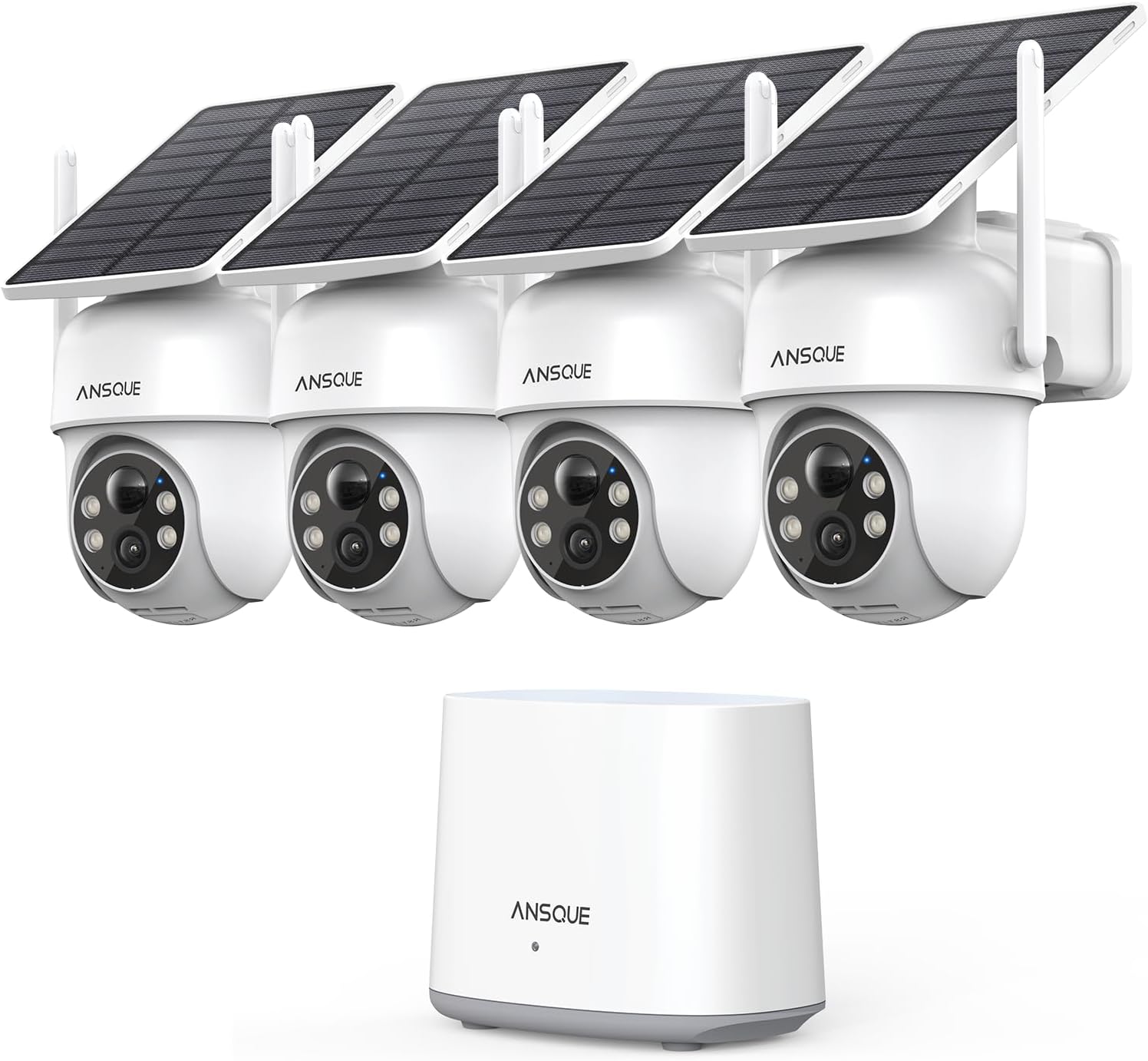
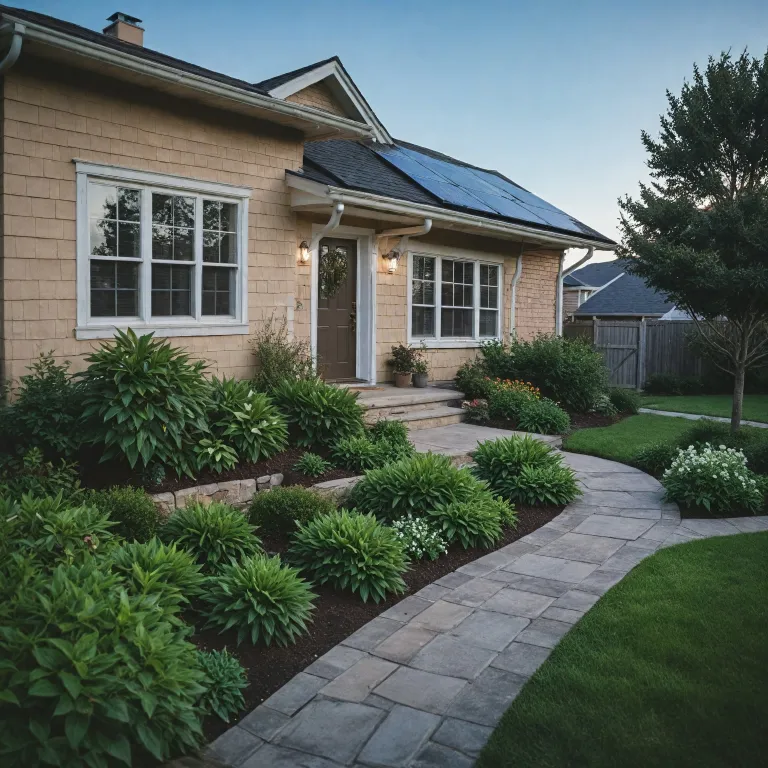
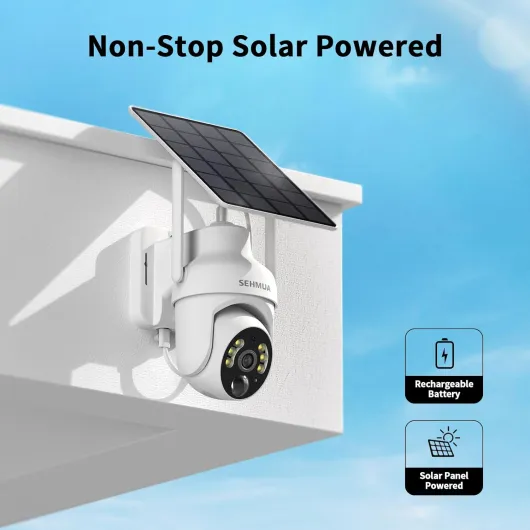
Solar-powered cameras are a type of wireless outdoor security camera that use solar panels to recharge their battery. Instead of relying on traditional wired power sources, these cameras harness energy from the sun, making them a sustainable and often cost-effective solution for home surveillance. This technology is especially useful for areas where running electrical wires is difficult or expensive.
How Do Solar Security Cameras Work?
The core of a solar camera system is the solar panel, which absorbs sunlight and converts it into electricity. This power is stored in a built-in battery, allowing the camera to operate day and night. Many models, like the aosu solar cam pro, offer features such as color night vision and HD video recording. Some packs include multiple cameras and solar panels, helping homeowners save on price per unit. The wireless design means you can place these cameras almost anywhere outdoors, from your front door to your backyard, without worrying about access to electrical outlets.
Why Consider Solar Cameras for Home Security?
- Energy Efficiency: Solar panels help reduce electricity costs and support eco-friendly living.
- Easy Installation: No need for complex wiring, making setup straightforward for most users.
- Continuous Power: As long as there is sunlight, the battery remains charged, providing reliable security coverage.
- Flexible Placement: Wireless outdoor cameras can be installed in locations where traditional cameras might not reach.
When choosing a solar powered security camera, it’s important to consider factors like battery capacity, video quality, and night vision capabilities. If you’re experiencing issues such as your solar-powered security camera not recording on the SD card, you can find practical troubleshooting tips in this helpful guide.
Solar security cameras come in a range of prices, with some packs offering significant savings. Whether you’re looking for a single cam or a multi-camera pack save option, there are choices to fit different budgets and needs. The best models balance price, features, and reliability, with some earning high stars ratings from users in the UK and beyond. As you explore your options, keep in mind that the right solar camera can provide peace of mind and long-term value for your home security setup.
Key benefits of using solar-powered cameras
Why Solar-Powered Security Cameras Stand Out
Solar-powered security cameras are changing the way homeowners protect their property. Unlike traditional cameras that rely on wired power sources, these devices use solar panels to generate energy. This means you can place a wireless outdoor camera almost anywhere around your home, even in areas far from electrical outlets. The flexibility of solar cameras makes them ideal for outdoor surveillance, especially for larger properties or places where running cables would be difficult or expensive.
Cost Savings and Energy Efficiency
One of the most attractive benefits is the potential to save on energy bills. Solar-powered cameras draw energy from the sun, so you’re not paying for extra electricity to keep your security cameras running. Over time, this can make a noticeable difference, especially if you have a pack of cameras monitoring your property. While the initial price (often listed in GBP) may be higher than some basic wired models, the long-term savings and reduced maintenance can make solar security a smart investment.
Reliable Performance, Day and Night
Modern solar cameras come equipped with advanced features like color night vision and battery backup. This means your camera continues to record even when the sun isn’t shining, thanks to a built-in battery. Many models, such as the aosu solar cam pro, offer clear video footage in low-light conditions, ensuring your home is protected around the clock. The combination of solar panel and battery power means fewer worries about outages or dead batteries, making these cameras some of the best options for continuous security.
Easy Expansion and Scalability
Solar-powered systems are easy to expand. If you want to add more cameras or a video doorbell, you don’t need to worry about complex wiring. Just mount the new camera, connect the solar panel, and you’re set. Some brands offer pack save deals, letting you buy multiple cameras at a better price. This makes it simple to scale up your surveillance as your needs grow.
Eco-Friendly Home Security
Choosing solar security cameras is also a step toward a greener lifestyle. By using renewable energy, you reduce your carbon footprint and reliance on the grid. This is especially important for homeowners who want to combine security with sustainability.
- Wireless outdoor cameras powered by solar panels offer flexible placement
- Battery powered backup ensures continuous operation
- Color night vision and advanced features for reliable surveillance
- Potential to save on energy costs and maintenance
- Eco-friendly and easy to expand as your security needs change
For homeowners interested in maximizing the effectiveness of their solar-powered cameras, using solar panel extension cables can help position panels for optimal sunlight, further improving performance and reliability.
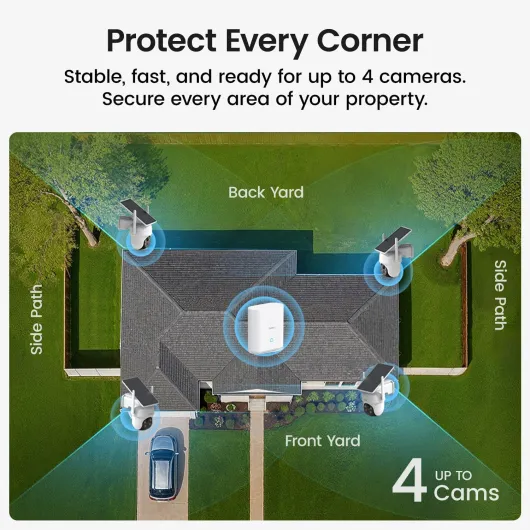
- + No subscription required — use locally without recurring fees
- + Solar-powered for extended, cable-free operation
- + Wireless design allows flexible placement and easy installation
- + 360° pan & tilt with auto-tracking for broad coverage
- + 2K color night vision improves low-light detail compared with basic IR

Important features to look for in solar-powered cameras
Essential Elements for Reliable Solar Security
When choosing a solar-powered security camera for your home, it’s important to focus on features that directly impact performance, reliability, and value. The right combination of technology and design can help you save on energy costs, boost your outdoor security, and ensure your investment lasts.
- Solar Panel Efficiency: The quality and size of the solar panel determine how well your camera stays powered. Look for cameras with high-efficiency solar panels that can recharge the battery even on cloudy days. This is crucial for continuous surveillance, especially for outdoor cameras in less sunny climates.
- Battery Capacity and Backup: A robust battery ensures your camera keeps running at night or during extended periods without sunlight. Battery-powered and wireless outdoor models are popular for their flexibility. Check the battery’s capacity and how long it lasts on a full charge.
- Night Vision and Color Night Features: For 24/7 security, cameras with infrared or color night vision are essential. Color night vision gives clearer images, making it easier to identify people or vehicles in low light. Many top-rated solar security cameras, like the Aosu Solar Cam Pro, offer advanced night vision capabilities.
- Wireless Connectivity: Wireless outdoor cameras are easier to install and reposition. They connect to your home Wi-Fi, allowing you to monitor footage remotely. Make sure the wireless range matches your property size and that the camera supports secure connections.
- Video Quality: High-definition video (1080p or higher) is now standard for most solar cameras. Crisp video helps you spot details and improves the effectiveness of your surveillance camera system.
- Weather Resistance: Outdoor cameras must withstand rain, wind, and dust. Look for models with a high IP rating, which indicates strong protection against the elements.
- Storage Options: Consider whether the camera offers local storage (such as microSD cards with specified GB capacity) or cloud storage. Some packs save you money by including storage options, but always check the price in GBP and ongoing subscription costs.
- Integration and Smart Features: Many solar-powered cameras work with smart home systems, video doorbells, and mobile apps. Features like motion detection, two-way audio, and instant alerts can enhance your home security setup.
To maximize the benefits of these features, proper installation is key. For a step-by-step guide on mounting your solar security camera for the best coverage, check out this resource on how to properly mount a camera bracket on the wall.
By focusing on these important features, you can select the best solar camera or pack for your needs, ensuring reliable performance and peace of mind for your home security.
- + 2K resolution for clearer, more detailed video
- + 360° pan/tilt coverage to reduce blind spots
- + Wireless Wi‑Fi connectivity for flexible placement
- + Color night vision for better nighttime identification
- + Easy installation — quick setup advertised
Installation tips for optimal performance
Getting the Most from Your Solar Security Camera Setup
Proper installation is key to maximizing the performance and lifespan of your solar-powered security cameras. Whether you’re setting up a single outdoor camera or a full pack of wireless outdoor cameras, a few practical steps can help you save time, money, and hassle in the long run.
- Choose the Right Location: Place your solar panel where it receives direct sunlight for most of the day. South-facing spots are usually best in the UK. Avoid shaded areas caused by trees, roofs, or other obstacles, as this can reduce the power your solar panel generates and affect your camera’s battery life.
- Mounting the Camera: Secure your camera at a height that covers your desired field of view but is still accessible for maintenance. For outdoor security, mounting at least 2.5 meters high helps deter tampering and provides a better angle for night vision and color night features.
- Angle for Coverage: Adjust your camera to cover entry points like doors, driveways, or back gardens. Many solar cameras, including popular models like the Aosu Solar Cam Pro, offer flexible mounts for easy adjustment.
- Check Wireless Signal: Ensure your wireless outdoor camera has a strong Wi-Fi connection. Thick walls or long distances from your router can weaken the signal, impacting video quality and real-time alerts.
- Secure the Solar Panel: Use weather-resistant mounts and check that all connections are tight. A loose solar panel or exposed cable can lead to power interruptions, especially during storms.
- Monitor Battery and Power Levels: Regularly check the battery status through your camera’s app. Some solar security cameras display battery and solar panel performance, helping you spot issues before they affect your security.
- Weatherproofing: Make sure your camera and solar panel are rated for outdoor use (look for IP65 or higher). This ensures reliable operation in rain, snow, or dust.
By following these tips, you can get the best performance from your solar-powered security cameras, whether you’re protecting your home with a single cam or a multi-camera pack. Investing in quality installation helps you save on maintenance and ensures your surveillance camera system delivers reliable security day and night.
Potential challenges and how to overcome them
Common Issues with Solar Security Cameras
- Limited Sunlight Exposure: Outdoor solar security cameras rely on solar panels for power. If your camera is installed in a shaded area or during seasons with less sunlight, the battery may not charge fully. This can impact the camera’s performance, especially at night when night vision is needed.
- Battery Depletion: Even the best solar powered cameras can experience battery drain during long periods of cloudy weather. If the battery runs low, features like color night vision or continuous recording may be affected.
- Weather Impact: Extreme weather conditions can affect both the solar panel and the camera. Heavy rain, snow, or dust can cover the solar panels, reducing their efficiency and potentially impacting the wireless connection.
- Wireless Signal Issues: Wireless outdoor cameras need a stable Wi-Fi connection. Thick walls or distance from your router can cause video drops or lag, especially in larger homes or properties.
- Price and Value: The price GBP for a solar camera pack can be higher than traditional battery powered cameras. However, the ability to save on energy costs and reduce maintenance can balance the initial investment over time.
Practical Solutions to Overcome Challenges
- Optimal Placement: Install your solar panel where it receives maximum sunlight throughout the day. Adjust the angle of the panel seasonally if needed to capture more solar energy.
- Regular Maintenance: Clean the solar panels regularly to remove dust, leaves, or snow. This helps maintain efficient charging and extends the life of your solar security camera system.
- Battery Backup: Consider cameras with larger battery capacity or a backup battery pack. This ensures continuous operation during cloudy days or at night.
- Network Enhancements: Use Wi-Fi extenders or mesh networks to strengthen the wireless signal for your outdoor camera, especially if you have multiple cameras or a large property.
- Compare Features and Price: Evaluate different solar cameras by looking at their price GBP, battery life, night vision capabilities, and overall build quality. Some brands, like aosu solar, offer pack save deals that can help reduce costs when buying multiple units.
Quick Reference Table: Common Problems and Solutions
| Challenge | Solution |
|---|---|
| Low battery during cloudy days | Choose cameras with larger battery or add backup battery pack |
| Poor solar panel performance | Clean panels regularly and optimize placement |
| Weak wireless signal | Install Wi-Fi extenders or mesh system |
| High price GBP | Look for pack save offers and compare features |
| Limited night vision | Choose models with color night vision and strong battery |
By understanding these challenges and applying practical solutions, you can get the most out of your solar powered security cameras and ensure reliable surveillance for your home.
Comparing solar-powered cameras to traditional security cameras
How Solar-Powered and Traditional Cameras Stack Up
When comparing solar-powered cameras to traditional security cameras, several factors stand out. Both types aim to enhance home security, but their power sources and installation requirements set them apart.- Power and Flexibility: Solar-powered cameras use solar panels to generate power, making them ideal for outdoor and remote areas where running cables is difficult. Traditional cameras often rely on wired power or need frequent battery changes, which can be less convenient for large properties or hard-to-reach spots.
- Installation and Placement: Wireless outdoor solar cameras are easier to install since they don’t require electrical wiring. This means you can place your solar security camera almost anywhere with enough sunlight. Traditional security cameras may need professional installation, especially if they require a wired connection.
- Cost and Savings: The initial price of a solar camera can be higher than some basic wired cameras, but you save on electricity bills and avoid the cost of running power cables. Many solar camera packs offer a pack save option, and prices are becoming more competitive, with some models available for under 100 GBP.
- Battery and Power Backup: Solar cameras often include a battery backup, so your surveillance camera keeps running even during cloudy days or at night. Traditional battery powered cameras need regular battery replacements, which adds to maintenance.
- Performance Features: Modern solar security cameras offer features like color night vision, HD video, and smart motion alerts. Brands like aosu solar and cam pro deliver wireless outdoor cameras with high ratings, some reaching 5 stars for reliability and image quality.
- Environmental Impact: Solar panels reduce reliance on grid electricity, making solar powered cameras a greener choice for home security.
| Feature | Solar-Powered Cameras | Traditional Cameras |
|---|---|---|
| Power Source | Solar panel, battery backup | Wired or battery powered |
| Installation | Wireless, flexible placement | May require wiring |
| Maintenance | Low (solar panel recharges battery) | Medium to high (battery changes or wiring checks) |
| Price (GBP) | Varies, often offset by energy savings | Lower upfront, but ongoing costs possible |
| Best Use | Outdoor, remote, off-grid | Indoor, places with easy power access |