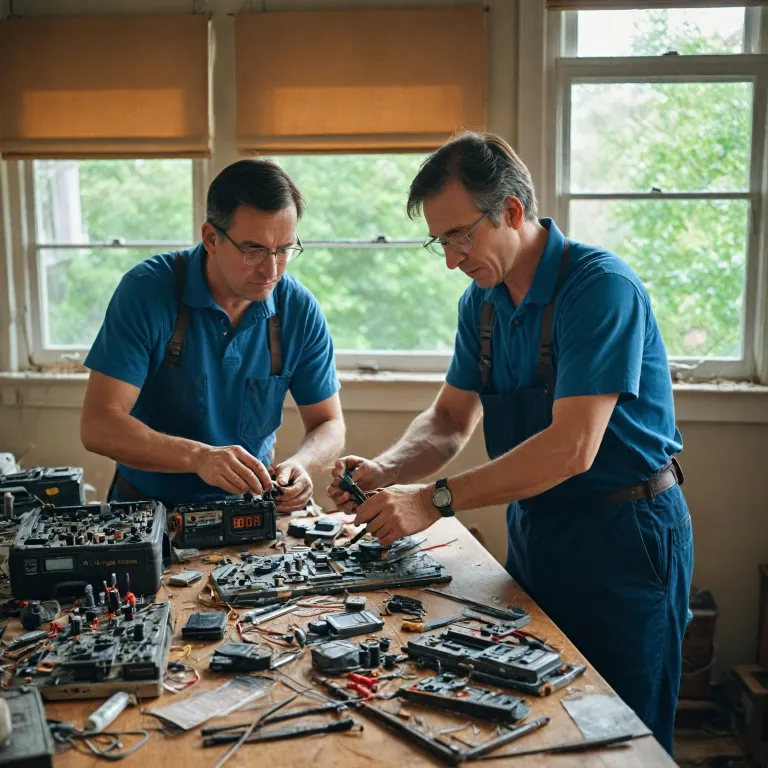

Understanding the basics of security alarm systems
Key components and how security alarm systems work
Security alarm systems are essential for protecting both residential and commercial properties. These systems are designed to detect unauthorized access, fire, or other emergencies, and alert you or a central monitoring service. Understanding the main components and how they interact is the first step in ensuring your safety and peace of mind.
- Control panel: The brain of the system, managing signals from sensors and coordinating alarms or notifications.
- Sensors: Devices placed on doors, windows, and other entry points to detect movement or forced entry. Some systems include fire alarm sensors for added protection.
- Keypads and access control: Allow you to arm or disarm the system and manage settings. Modern systems often offer smart access through mobile apps or smart devices.
- Alarms and sirens: Audible alerts that notify occupants and deter intruders. Some systems also send alerts to a central monitoring service.
- Communication modules: These connect your system to monitoring services or your smartphone, ensuring you receive alerts even when away from home.
Today’s security technology offers advanced features like remote access, integration with smart home devices, and 24/7 monitoring. Whether you’re considering a new system installation or looking to upgrade, it’s important to understand how these components work together to provide comprehensive protection. Regular maintenance and timely alarm repair can help keep your system reliable and effective.
For more details on keeping your security systems in top shape, check out this guide on maintaining your home security camera system.
Common signs your security alarm system needs repair
Warning Signs Your Alarm System Needs Attention
Security alarm systems are essential for maintaining safety and peace of mind in both residential and commercial spaces. Over time, even the most advanced technology can show signs of wear or malfunction. Recognizing these early can help you avoid bigger problems and costly repairs later.
- Frequent False Alarms: If your alarm system triggers without any clear reason, it could indicate a problem with sensors, control systems, or the central unit. False alarms can disrupt your day and reduce your trust in the system.
- Unresponsive Control Panel: Difficulty arming or disarming your alarm, or a control panel that doesn’t respond as expected, often signals an issue with the system’s core components or wiring.
- Unusual Noises or Beeping: Beeping or strange sounds from your alarm system, especially outside of regular business hours, may point to battery issues, wiring faults, or a need for immediate repair service.
- Delayed Notifications: If your system is slow to alert you or your monitoring service, this could be a sign of outdated technology or a problem with the communication link.
- Visible Damage: Physical damage to sensors, cameras, or control panels—whether from weather, accidents, or attempted tampering—should never be ignored. Damaged components can compromise your security.
- Inconsistent Performance: Systems including smart devices and access control features should work seamlessly. If you notice inconsistent performance, such as cameras not recording or sensors not detecting movement, it’s time to consider alarm repair.
For homeowners with garages, garage door sensors can be a critical part of your overall security system. If these sensors stop working, your home may be more vulnerable.
Staying alert to these warning signs can help you act quickly, whether you try troubleshooting simple problems at home or decide to call a professional for repair services. Regular maintenance and timely repairs are key to ensuring your alarm system continues to offer reliable protection for your property, day and night.
Troubleshooting simple problems at home
Quick Checks Before Calling for Alarm Repair
When your security alarm system starts acting up, it can be stressful. However, some issues can be resolved without professional help. Knowing what to look for can save you time and money, and help maintain your peace of mind. Here are some practical steps to troubleshoot your residential or commercial alarm systems before you call a repair service.
- Check the Power Source: Make sure your alarm system is plugged in and receiving power. For systems including backup batteries, verify that the batteries are charged and properly installed.
- Inspect System Components: Examine sensors, control panels, and smart devices for visible damage or loose connections. Sometimes, a simple reset or reconnecting a wire can restore functionality.
- Test the Central Control Panel: Most modern security systems offer a test mode. Use this feature to check if all zones and access control points are responding correctly. If the control panel displays error codes, refer to the user manual for guidance.
- Review Recent Changes: If you recently added new technology, such as smart devices or upgraded your system installation, ensure everything is compatible. Incompatible components can cause malfunctions.
- Look for Environmental Factors: Sometimes, environmental changes like humidity, dust, or pests can interfere with alarm system sensors. Clean around your system components and make sure nothing is blocking motion detectors or fire alarm sensors.
- Reset the System: Many security systems, both residential and commercial, can be reset by following the manufacturer’s instructions. This can clear minor glitches and restore normal operation.
If you notice persistent issues such as false alarms, unresponsive sensors, or trouble with access control, it may be time to call a professional repair service. For more on how door sensors can enhance your security system and help prevent future issues, check out this guide on improving your home security camera system with door sensors.
Remember, regular preventive maintenance and timely alarm repair services are key to keeping your security systems reliable, whether for residential or commercial properties. If troubleshooting doesn’t resolve the problem, don’t hesitate to call today for expert help during business hours.
When to call a professional for security alarm system repair
Recognizing When Expert Help Is Needed
While some alarm system issues can be handled with basic troubleshooting, there are situations where professional repair services are essential for your safety and peace of mind. Knowing when to call a specialist can save you time, prevent further damage, and ensure your security systems—including smart devices and access control—work reliably.
- Persistent false alarms: If your alarm system triggers repeatedly without cause, it may indicate a deeper issue with system components or control systems that requires expert diagnosis.
- System not responding: When your alarm or central control panel fails to arm, disarm, or communicate with sensors, it’s time to seek a repair service. This can affect both residential and commercial alarm installations.
- Wiring or power problems: Flickering lights, beeping, or power loss in your alarm system should be addressed by a certified technician. Electrical faults can compromise the entire system’s safety.
- Malfunctioning access control: If your access control or smart technology is unreliable, a professional can assess compatibility and integration with your existing security systems.
- Fire alarm or smoke detector issues: Any problems with fire alarm systems should be handled by licensed repair services to comply with safety regulations.
What to Expect from a Professional Repair Service
When you call a qualified alarm repair specialist, expect a thorough inspection of your system installation and all connected devices. Reputable services offer transparent pricing, clear communication, and work during standard business hours. Many companies provide both residential and commercial alarm system repair, ensuring your property is protected day and night.
Look for repair services that:
- Offer emergency support for urgent system repair needs
- Use certified parts and up-to-date technology
- Provide documentation of repairs and service history
- Can maintain or upgrade smart and traditional alarm systems
Don’t hesitate to call today if you notice any warning signs. A reliable repair security service can restore your alarm system’s performance, giving you confidence in your home or business safety.
How to choose a reliable repair service
What to Look for in a Trusted Alarm Repair Provider
Choosing the right repair service for your security alarm system is crucial for your safety and peace of mind. Whether you need help with residential or commercial alarm systems, a reliable provider should demonstrate expertise in both installation and repair. Here are some key factors to consider:- Certification and Experience: Look for companies that are certified to work on a range of alarm systems including fire alarm, access control, and smart technology. Experience with both residential and commercial alarm repair is a strong indicator of their capability.
- Comprehensive Services: A reputable service should offer more than just repairs. Check if they provide system installation, maintenance, and upgrades for central control systems and smart devices.
- Availability and Response Time: Emergencies can happen any day, so consider providers who offer repair services during and beyond standard business hours. Fast response is essential for restoring your system’s safety features quickly.
- Transparent Pricing: Reliable companies will provide clear estimates for alarm repair and system repair services. Avoid those with hidden fees or unclear service terms.
- Customer Support: Good communication and support are vital. Choose a repair service that is easy to contact, ready to answer questions, and willing to explain system components and technology updates.
- Reputation and Reviews: Check online reviews and ratings for insight into the provider’s reliability and customer satisfaction. Look for feedback on their ability to handle both residential and commercial alarm systems.
Questions to Ask Before You Call Today
Before hiring a repair security expert, ask these questions to ensure you’re making the right choice:- Do you offer repair services for my specific alarm system brand and model?
- Are your technicians trained in the latest smart and central control systems?
- What is your typical response time for urgent repairs?
- Do you provide preventive maintenance plans to help avoid future system issues?
- Can you service both residential and commercial alarm systems?
Preventive maintenance to avoid future repairs
Simple Habits for Long-Lasting Security Systems
Keeping your alarm system in good condition is essential for both residential and commercial properties. Regular maintenance not only helps avoid unexpected repair costs but also ensures your safety and peace of mind every day. Here are practical steps you can take to extend the life of your security systems and reduce the need for frequent repair services.
- Test system components regularly – Make it a habit to check your alarm, sensors, and control panels at least once a month. Many modern systems, including smart devices, offer self-test features that make this process easier.
- Keep sensors and cameras clean – Dust, spider webs, and debris can affect the performance of your alarm system. Gently wipe down cameras, motion detectors, and access control sensors to maintain clear visibility and accurate detection.
- Check batteries and power sources – Weak or dead batteries are a common cause of system repair calls. Replace batteries in wireless devices and test backup power supplies to ensure your system stays active during outages.
- Update system software – For smart alarm systems, keeping firmware and software up to date is crucial. Manufacturers often release updates to improve security and add new features. Schedule updates during business hours to avoid disruptions.
- Inspect wiring and connections – Loose or damaged wires can lead to false alarms or system failures. If you notice frayed wires or exposed connections, contact a professional repair service promptly.
- Review system settings after changes – If you add new devices, change your internet provider, or move system components, double-check that everything is still connected and functioning as intended.
Partnering with Professional Services
Many companies offer maintenance plans for both residential and commercial alarm systems. These services often include annual inspections, system installation checks, and priority alarm repair. Choosing a reliable provider ensures your security technology is always up to date and compliant with safety standards. If your system includes fire alarm or access control systems, professional maintenance is especially important for meeting legal and insurance requirements.
Why Preventive Maintenance Matters
Investing time in preventive care helps you avoid emergency repair security calls and unexpected downtime. It also extends the lifespan of your system, saving you money in the long run. Whether you manage a residential or commercial alarm system, a proactive approach to maintenance is key to enjoying uninterrupted protection and true peace of mind. If you’re unsure about any aspect of your system, don’t hesitate to call today for expert advice or repair services.