
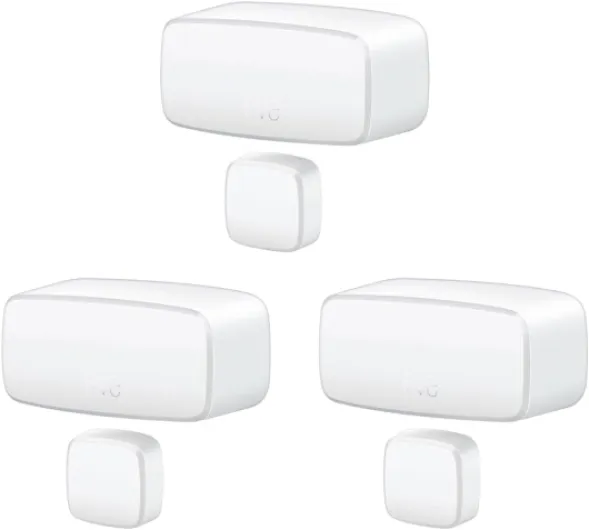
Understanding the role of door and window sensors in home security
Why sensors are essential for modern home security
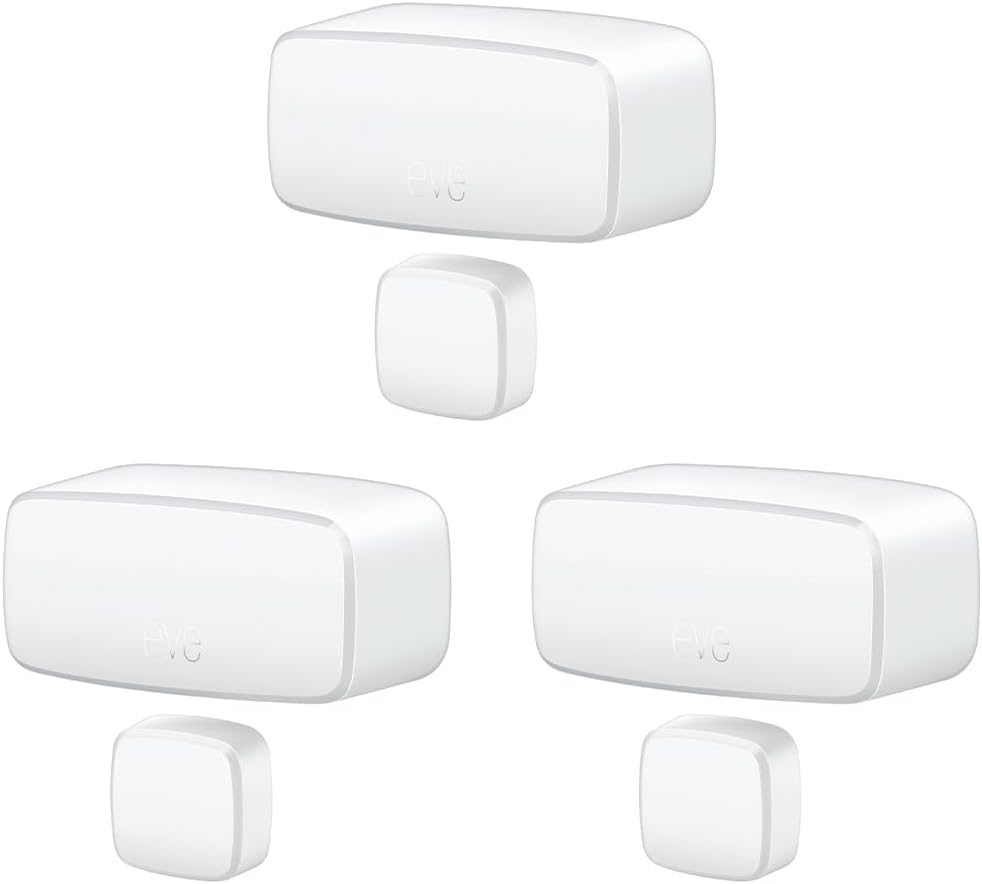
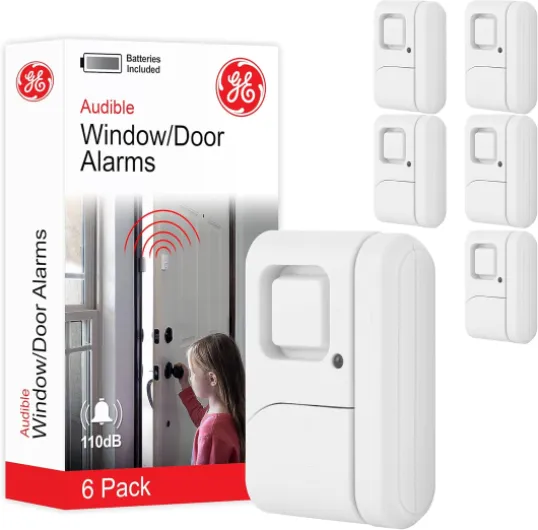
When it comes to protecting your home, door and window sensors are a star component of any smart security system. These small devices, often called contact sensors, are designed to detect when a door or window is opened or closed. The moment a sensor is triggered, it can send a real time alert to your phone or smart hub, helping you respond quickly to potential threats. This immediate notification is a key reason why customers consistently give high stars in customer reviews for products like the Aqara door sensor, Ring Alarm, and other top-rated sensors on Amazon.
How sensors work to protect your doors and windows
Most door and window sensors use a simple magnetic contact mechanism. When the door or window is closed, the contact is intact. If it opens, the contact breaks, and the sensor sends a signal to your alarm system or hub. This technology is reliable and has been refined over years of customer feedback and product reviews. Some advanced models, such as Aqara sensors, use Zigbee for improved connectivity and battery life, making them a popular choice among smart home enthusiasts.
- Contact sensors are easy to install on most doors and windows.
- They work seamlessly with smart hubs like the Aqara Hub or Ring Alarm system.
- Many models offer long battery life and real time notifications.
Choosing the right sensor for your home can be challenging, especially with so many options available. Reading verified purchase customer reviews on Amazon or other trusted sites can help you identify which products deliver on their promises. Look for sensors with high stars and positive feedback about reliability, battery life, and ease of installation.
For a deeper look at how visible security measures can deter intruders, check out this guide on why a security camera sign matters for your home's safety. Combining sensors with visible deterrents can significantly enhance your overall security strategy.

How sensors and cameras work together
Combining Sensors and Cameras for Stronger Protection
When you pair door and window sensors with your home security camera system, you create a more complete layer of protection. Sensors act as the first line of defense, detecting when a door or window is opened or tampered with. Once triggered, these sensors can send real time alerts to your smart hub or directly to your phone, allowing you to respond quickly.
Many smart home systems, like those using Zigbee or Aqara hubs, allow for seamless integration between sensors and cameras. For example, when a contact sensor on a window detects movement, your camera can be set to automatically record or send a notification. This synergy means you get both immediate awareness and visual evidence, making it easier to verify any potential threat.
- Contact sensors on doors and windows work with motion sensors and cameras to monitor entry points.
- Smart hubs, such as the Aqara hub, centralize alerts and automate actions like activating alarms or recording video.
- Customer reviews on Amazon often highlight the peace of mind gained from this integration, especially when using products with reliable battery life and real time notifications.
For those looking to enhance their setup, consider reading about how a door motion sensor enhances your home security camera system. This can help you understand how combining different types of sensors and cameras can create a more responsive and secure environment for your home.
Remember, the effectiveness of your system depends on choosing the right products and ensuring they work together smoothly. Verified purchase reviews and star ratings from customers can provide valuable insights into real world performance and reliability.
Types of door and window sensors available
Exploring the Main Sensor Options for Doors and Windows
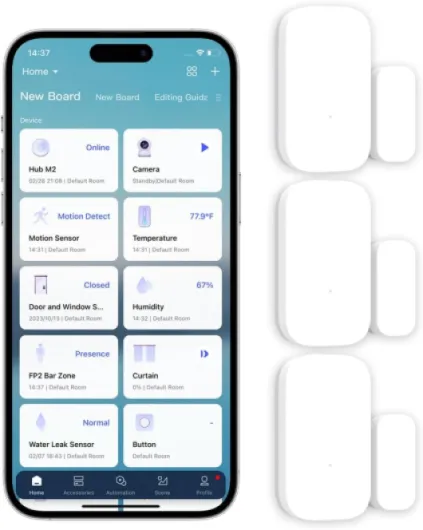
When searching for the right sensor for your home, it’s important to know the different types available. Each type of door and window sensor offers unique benefits, and understanding these can help you choose the best product for your needs. Here’s a breakdown of the most common options you’ll find on the market:- Contact Sensors: These are the classic choice for doors and windows. They work by detecting when the door or window is opened or closed. The sensor is made up of two parts: one attaches to the door or window, and the other to the frame. When the two parts separate, the sensor triggers an alert. Popular models include the Aqara Door and Window Sensor, which is compatible with Zigbee smart hubs and has strong customer reviews on Amazon for its reliability and battery life.
- Vibration Sensors: These sensors detect vibrations or shocks, such as someone trying to force open a window. They can be a good addition to contact sensors for extra security, especially on windows that are more vulnerable to break-ins.
- Glass Break Sensors: Designed to recognize the sound or vibration of breaking glass, these sensors are ideal for windows that don’t open or for areas where you want an extra layer of alarm protection. Some smart hubs allow you to integrate these with other sensors for real-time alerts.
- Multi-Sensor Devices: Some products combine several features, like motion detection, temperature monitoring, and contact sensing. For example, certain Aqara sensors offer both door window detection and environmental monitoring, making them a versatile choice for smart home setups.
Comparing Sensor Technologies and Compatibility
When reading customer reviews or product descriptions, you’ll notice references to different wireless technologies. The most common are Zigbee, Z-Wave, and Wi-Fi. Zigbee sensors, such as those from Aqara, are popular for their low power consumption and compatibility with many smart hubs. Wi-Fi sensors offer easy setup but may drain batteries faster. Always check if the sensor is compatible with your existing hub or alarm system, like Ring Alarm or Aqara Hub, to ensure seamless integration.| Sensor Type | Best For | Key Features |
|---|---|---|
| Contact Sensor | Doors, windows | Simple installation, real-time alerts, long battery life |
| Vibration Sensor | Windows, glass doors | Detects tampering, complements contact sensors |
| Glass Break Sensor | Fixed windows | Audio/vibration detection, extra alarm layer |
| Multi-Sensor | Smart homes | Multiple functions, integrates with smart hub |
What Customers Say About Door and Window Sensors
Customer reviews on Amazon and other platforms highlight the importance of easy installation, reliable real-time notifications, and strong battery life. Verified purchase feedback often mentions the value of integrating sensors with a smart hub for full control over doors and windows. Aqara sensors, in particular, receive high star ratings for their compatibility and performance. Some customers note the benefit of having a responsive assistant or customer support team for troubleshooting. For more insights on how sensors work with answering machine detection to boost your home security, you can read this guide on enhancing your home security camera system.Key features to look for in door and window sensors
What Makes a Sensor Stand Out?
When choosing door and window sensors for your home, it’s easy to get lost in the sea of options. Not all sensors are created equal. Some products, like the Aqara door and window sensor, have become popular for their reliability and integration with smart hubs. To help you make an informed decision, here are the key features that matter most, based on customer reviews and expert analysis.
- Compatibility with Smart Hubs: Look for sensors that work with popular smart hubs such as Zigbee, Aqara hub, or Ring alarm systems. This ensures your sensors door and window sensors can communicate in real time with your other smart devices.
- Battery Life: Long battery life is a star feature in customer reviews. Some sensors, like Aqara sensors, are known for lasting over a year on a single battery. Always check product specs and verified purchase feedback for real-world battery performance.
- Installation and Mounting Options: The best sensors offer flexible mounting for doors windows and frames. Magnetic contact sensors are common, but check if the product includes adhesive pads or screws for secure installation.
- Size and Design: A slim, unobtrusive design helps the sensor blend in with your home. Some customers prefer a low-profile window sensor that doesn’t draw attention.
- Connectivity and Range: Reliable wireless range is crucial, especially for larger homes. Zigbee-enabled sensors and those with strong signal ratings on Amazon often receive high stars in customer reviews.
- Integration with Alarms and Cameras: Sensors that trigger your alarm or smart camera when a door window is opened offer enhanced security. Look for products that support automation with your existing system.
- Real-Time Notifications: Instant alerts to your phone or smart assistant can make a big difference. This feature is often highlighted in reviews as a must-have for peace of mind.
- Build Quality and Weather Resistance: For doors windows exposed to the elements, weatherproofing is important. Check for IP ratings or customer feedback about outdoor use.
What Customers Say Matters
Reading customer reviews on Amazon or other trusted sites can reveal a lot about a product’s reliability and ease of use. Verified purchase feedback often highlights real-life issues like false alarms, battery life, and how well the sensor integrates with a smart hub. Pay attention to star ratings and specific comments about installation, connectivity, and customer support.
Extra Features to Consider
- Motion Sensors: Some systems combine contact sensors with motion sensors for added security.
- Customizable Alerts: Advanced sensors let you adjust notification settings or link to other smart devices.
- Stroke Width and Sensitivity: Adjustable sensitivity can help reduce false alarms, especially for doors or windows that vibrate or flex.
Choosing the right door and window sensor involves more than just picking the first product you see. Focus on features that match your needs, read customer reviews, and consider how the sensor will fit into your overall home security setup.
Installation tips for optimal performance
Best Practices for Placing Sensors on Doors and Windows
Proper placement of door and window sensors is essential for reliable security. Position each contact sensor so the magnet and sensor align closely when the door or window is closed. For doors, mount the sensor on the frame and the magnet on the moving part. For windows, especially sliding types, place the sensor where the two panes meet. This ensures the sensor triggers accurately whenever the door or window is opened.
Ensuring Compatibility with Your Smart Hub
Before installation, confirm that your sensors are compatible with your smart hub or alarm system. Many popular products, like Aqara sensors, use Zigbee protocols and require an Aqara hub or a compatible smart hub. Read customer reviews on Amazon or other trusted platforms to verify real-world compatibility and performance. Verified purchase feedback often highlights integration issues or ease of setup.
Optimizing Sensor Performance and Battery Life
- Test the sensor’s range before final installation. Some sensors, especially wireless models, may lose connection if placed too far from the hub.
- Install sensors away from metal surfaces or large electronic devices, as these can interfere with signal strength.
- Check battery life ratings in product reviews. Many customers mention how long their sensors last in real time use. Some models, like Aqara door and window sensors, are praised for extended battery life.
Tips for a Clean and Secure Installation
- Clean the mounting surface before attaching the sensor to ensure strong adhesion.
- Use the included adhesive strips or screws, depending on your door or window material.
- After installation, test the sensor by opening and closing the door or window. Confirm that your alarm or smart hub receives the signal instantly.
Integrating with Other Security Devices
For enhanced protection, pair your sensors with motion sensors and cameras. This allows your system to provide real time alerts and video footage when a sensor is triggered. Many customers find that combining sensors door and window with a smart hub or ring alarm system increases peace of mind and overall security.
Troubleshooting common issues with sensors
What to Do When Sensors Don’t Respond
If your door or window sensor isn’t working as expected, start by checking the basics. Many customer reviews on Amazon mention battery life as a common issue. Replace the battery if the sensor or contact sensor shows no activity. For smart sensors like Aqara or Ring Alarm, make sure the hub is powered and connected to your network. Sometimes, simply resetting the smart hub or Aqara hub can restore real time updates from your sensors.Addressing False Alarms and Missed Alerts
False alarms can be frustrating. If your window sensor or door sensor triggers the alarm without reason, check the alignment of the sensor and magnet. Doors and windows that don’t close tightly can cause the contact to break, leading to false alerts. Adjust the placement so the sensor and magnet are as close as possible when the door or window is shut. For Zigbee-based products, interference from other wireless devices can also be a factor. Try moving your hub or other electronics to reduce signal issues.Connectivity and Integration Problems
Some customers report issues with integrating sensors door or window door products with their smart hub. Make sure your hub supports the protocol of your sensor, such as Zigbee for Aqara sensors. Follow the manufacturer’s instructions for pairing, and check for firmware updates. Verified purchase reviews often highlight the importance of reading the product manual and using the official app for setup.Maintaining Sensor Performance
Regularly clean the area around your sensors to prevent dust or debris from affecting the contact. For motion sensors or window sensors, ensure nothing blocks the sensor’s view. If you notice a drop in performance, review customer reviews for your specific product to see if others have experienced similar issues and found solutions.When to Contact Support
If troubleshooting doesn’t resolve the issue, reach out to the manufacturer’s customer support. Many brands, including Aqara, offer detailed assistance for their products. Keep your purchase details handy, especially if you bought through Amazon, as customer service may request your order information. Reading through customer reviews and FAQs can also provide quick answers from other customers who faced the same problem.- Check battery life and replace if needed
- Ensure proper alignment of sensor and magnet
- Confirm compatibility with your smart hub
- Keep sensors and surrounding areas clean
- Contact customer support if issues persist