
Understanding the role of garage door sensors in home security
Why garage door sensors matter for home safety
When thinking about home security, many people focus on cameras and alarms, but garage door sensors play a crucial role in protecting your property. These sensors are designed to detect obstacles or movement in the path of your garage door, preventing accidents and unauthorized access. By ensuring the door only closes when the path is clear, sensors help keep your family and belongings safe.
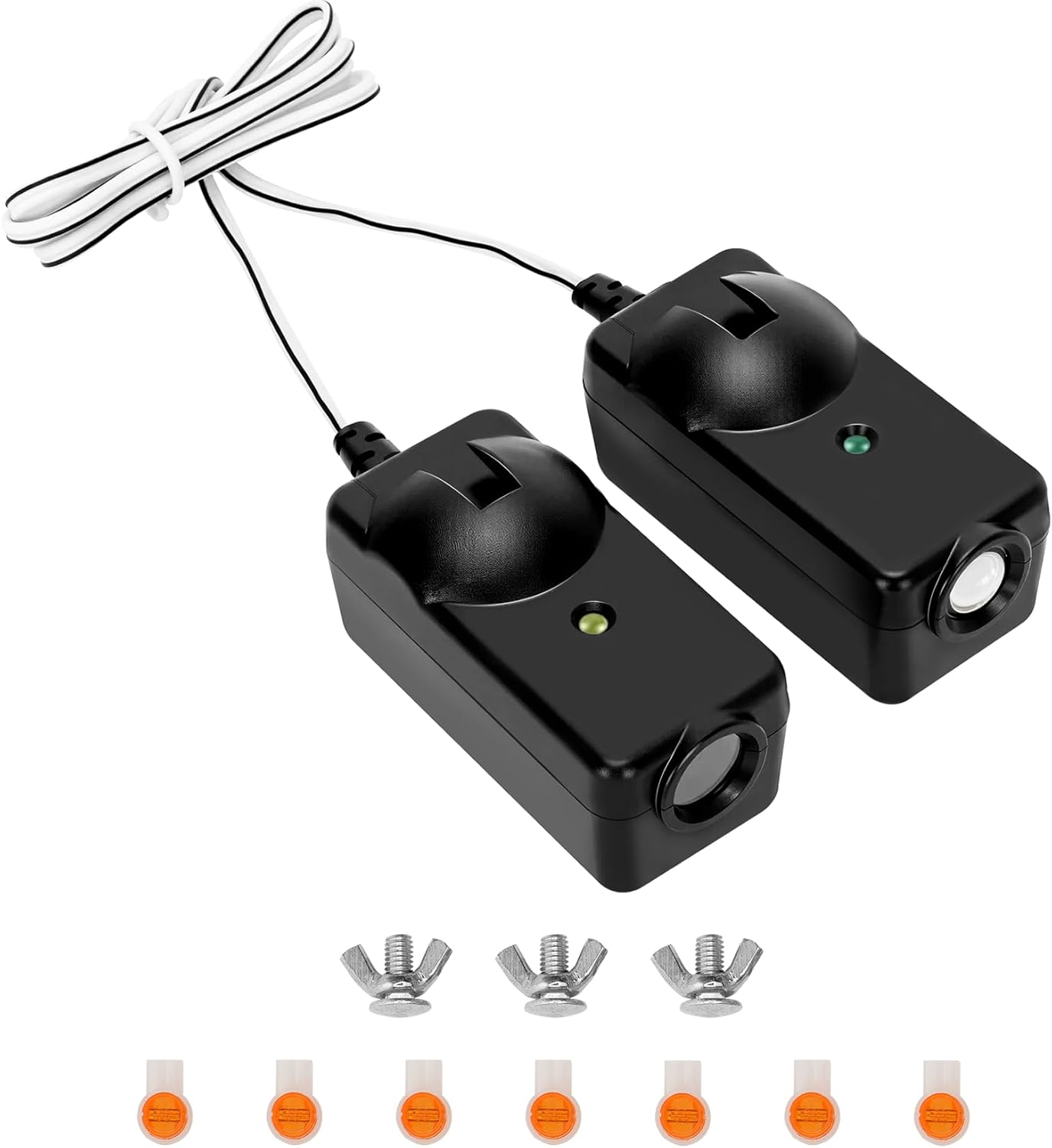
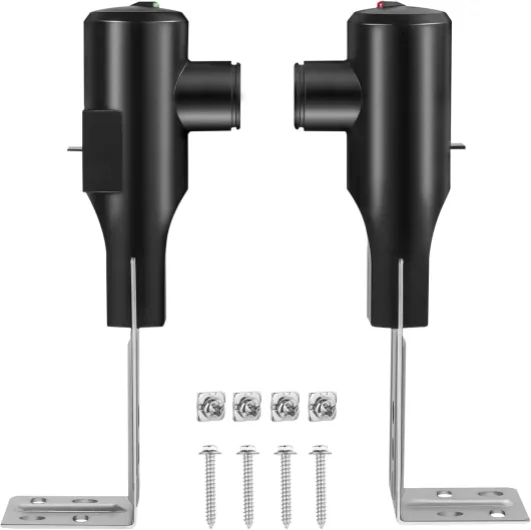
- Safety sensors are now standard in most modern garage door openers, including brands like LiftMaster, Genie, and Overhead Door. They use an infrared beam to detect objects, stopping the door from closing if anything interrupts the signal.
- Door sensors can also alert you if the garage door is left open, reducing the risk of theft or unwanted entry. Some systems even connect with your home security cameras for added peace of mind.
- Replacement parts and sensor kits are widely available, making it easy to maintain or upgrade your system. Many shops offer free shipping on replacement garage door sensors and related parts.
Beyond just preventing accidents, garage door sensors are a key part of your overall door safety strategy. They work alongside other security products, such as remotes, openers, and even carbon dioxide detectors, to create a safer environment. If you’re considering a new installation or sensor replacement, it’s important to choose the right product for your specific garage door and opener system.
For more on how visible security measures can deter intruders, check out this resource on why a security camera sign matters for your home's safety.

Types of garage door sensors and how they work
Key Sensor Technologies for Garage Door Safety
Garage door sensors are essential for ensuring the safety and security of your home. These sensors detect obstacles and help prevent accidents or unauthorized access. Understanding the different types of sensors and how they work can help you make informed decisions about your garage door system and its replacement parts.
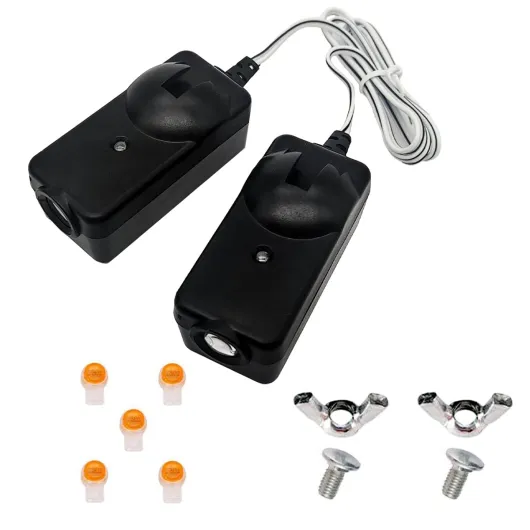
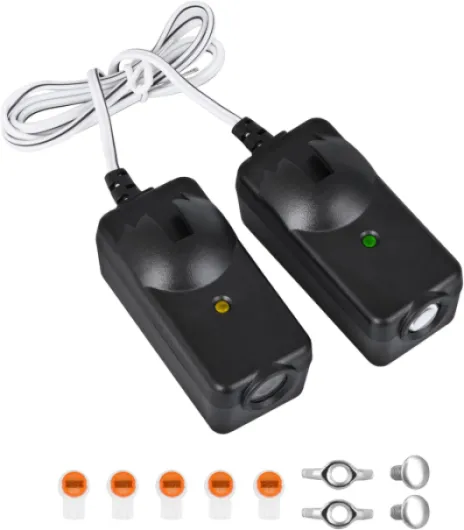
- Photoelectric Sensors (Safety Beam Sensors): These are the most common sensors found in modern garage door openers. They use an invisible infrared beam between two units placed on either side of the garage door, near the floor. If the beam is interrupted while the door is closing, the sensor signals the opener to stop and reverse, preventing injury or damage. Brands like LiftMaster, Genie, and Overhead Door often include these sensors in their product kits.
- Contact Sensors: These sensors detect when the garage door is fully closed or open by monitoring the contact between the door and the floor or frame. If the contact is broken unexpectedly, the system can alert you or stop the door from moving. Contact garage door sensors are especially useful for security and can be integrated with other door safety systems.
- Carbon Dioxide and Environmental Sensors: Some advanced garage door sensors can detect dangerous levels of carbon dioxide or other gases in the garage. While not as common as safety beam sensors, these can be crucial for homes with attached garages, enhancing overall safety.
- Wireless and Smart Sensors: Modern garage door openers often come with wireless sensors that communicate with remotes or mobile apps. These sensors allow for remote monitoring and control, making it easier to manage your garage doors from anywhere. Some systems even offer free shipping on replacement parts and sensor kits when you shop online.
How Garage Door Sensors Work Together
Most garage door safety systems use a combination of these sensors to provide comprehensive protection. For example, a typical overhead door opener will use both photoelectric safety sensors and contact sensors to ensure the door only closes when the path is clear and the door is properly aligned. If any part of the circuit fails, sensor replacement is usually straightforward, with many brands offering replacement garage door parts and free installation guides.
Choosing the Right Sensor for Your Garage
The right sensor depends on your specific needs, the type of garage door opener you have, and your safety priorities. When selecting a product, consider compatibility with your current opener, the availability of replacement parts, and whether you need additional features like environmental monitoring or smart home integration. For a deeper look at how visible security measures can deter intruders, check out this resource on how security alarm signs enhance your home protection.
Understanding the different types of garage door sensors and their roles in safety can help you maintain a secure and efficient garage. Whether you need a full sensor replacement kit or just a single safety sensor, knowing what to look for will make your next shop for garage door parts much easier.
Integrating garage door sensors with home security cameras
Combining Sensors and Cameras for Enhanced Protection
Integrating garage door sensors with your home security cameras creates a more complete safety system. When a door sensor detects movement or an unexpected door opening, it can trigger your security cameras to start recording. This immediate response helps capture crucial footage, especially if someone tries to tamper with your garage door or force entry.
How Integration Works in Practice
Most modern garage door openers and sensors, including brands like LiftMaster, Genie, and Overhead Door, can connect with smart home systems. These systems often support integration with security cameras, allowing you to monitor your garage doors in real time. For example, if your safety sensor or beam detects an obstruction or a forced door opening, your camera can send an alert to your phone and record the event. Some kits even offer free shipping and include replacement parts for easy installation and maintenance.
- Door sensors can trigger cameras to record when the garage door opens unexpectedly.
- Safety sensors help prevent accidents by stopping the door from closing on objects or people, and can alert you if the beam is interrupted.
- Smart remotes and openers can be linked to your security system for seamless control and monitoring.
Benefits of Integration
By connecting your garage door sensors and security cameras, you gain several advantages:
- Improved door safety and monitoring, especially for overhead doors and multi-car garages.
- Faster response to unauthorized access or sensor tampering, reducing the risk of theft or damage.
- Easy access to recorded footage for insurance or law enforcement if needed.
- Better management of replacement garage door parts and sensor replacement, as integrated systems often alert you to issues with the circuit or beam.
For a deeper look at how motion detection technology can further enhance your home security camera system, check out this guide on integrating passive IR motion detectors with your security cameras.
When shopping for new sensors, kits, or replacement parts, always verify compatibility with your existing door opener and camera system. This ensures smooth integration and reliable performance for your garage security setup.
Common issues and troubleshooting tips for garage door sensors
Typical Problems With Garage Door Sensors
Garage door sensors are essential for safety and smooth operation, but they can sometimes run into issues that affect your garage door opener or overall door safety. Here are some common problems homeowners encounter:
- Sensor misalignment: If the safety sensors are not facing each other directly, the beam can be interrupted, preventing the door from closing.
- Dirty lenses: Dust, dirt, or spider webs on the sensor lenses can block the infrared beam, causing the garage door to reverse or not close at all.
- Wiring or circuit issues: Damaged wires or a faulty circuit can disrupt communication between the sensors and the opener, leading to malfunctions.
- Obstructions: Items stored in the garage or debris near the sensors can block the beam, activating the safety feature and stopping the door.
- Sunlight interference: Direct sunlight on the sensor can sometimes interfere with the infrared signal, especially with older models.
How to Troubleshoot and Fix Sensor Issues
- Check alignment: Make sure both sensors are mounted at the same height and facing each other. Adjust as needed until the indicator lights are steady.
- Clean the lenses: Use a soft cloth to gently wipe the sensor lenses. Avoid harsh chemicals that could damage the plastic.
- Inspect wiring and parts: Look for loose wires, corrosion, or damaged connectors. If you find issues, you may need a sensor replacement or a new circuit kit.
- Remove obstructions: Clear away any objects or debris near the sensors and the overhead door area.
- Test the system: After adjustments, test the garage door by closing it with the remotes or wall button. If the door still won’t close, check the opener’s manual for additional troubleshooting steps.
When to Consider Replacement Parts or Professional Help
If your sensors safety features still don’t work after basic troubleshooting, it may be time to shop for replacement garage door sensors or contact a professional for door installation or repair. Many brands, such as Genie, LiftMaster, and Overhead Door, offer compatible replacement parts and sensor kits. Some online retailers provide free shipping on select products, making it easier to get the right door parts for your system.
Always ensure your replacement sensors are compatible with your existing opener and door safety system. If you’re unsure, consult the product list or contact garage door experts for guidance. Regular maintenance and timely sensor replacement help keep your garage doors operating safely and reliably.
Choosing the right garage door sensors for your needs
Factors to Consider When Selecting Garage Door Sensors
Choosing the right garage door sensor is crucial for maintaining safety and ensuring your garage remains secure. With so many products and brands available, it’s important to look at several key features before making a decision. Here’s what to keep in mind:
- Compatibility: Check if the sensor is compatible with your existing garage door opener. Popular brands like LiftMaster, Genie, and Overhead Door offer sensors designed for their specific openers, but universal options are also available.
- Type of Sensor: Decide between beam sensors (which use an infrared beam across the door opening) and contact sensors (which detect the door’s position). Each has its own benefits for door safety and security.
- Safety Features: Look for sensors safety certifications and features such as automatic door reversal, which prevents the door from closing if an object is detected in the path. This is especially important for families with children or pets.
- Replacement Parts Availability: Ensure that replacement garage door sensor parts, such as sensor replacement kits or circuit boards, are easy to find. This can save time and money if you need a quick fix.
- Installation Process: Some sensors are easier to install than others. Consider if you want a product that comes with a full kit and clear instructions, or if you’ll need professional door installation help.
- Additional Features: Some sensors offer extra features like carbon dioxide detection, integration with remotes, or compatibility with smart home systems. Make a list of features that matter most to you.
- Warranty and Support: Look for products with a solid warranty and free technical support. Free shipping on replacement parts or kits can also be a bonus when shopping online.
Popular Brands and Product Options
When you shop for garage door sensors, you’ll find a range of options from trusted brands. Here’s a quick overview:
| Brand | Sensor Type | Notable Features |
|---|---|---|
| LiftMaster | Beam, Contact | Reliable safety sensors, easy sensor replacement, compatible with most openers |
| Genie | Beam | Overhead door compatibility, free shipping on select products, replacement parts available |
| Overhead Door | Beam | Durable safety sensor kits, compatible with overhead door openers, easy installation |
Before making a purchase, compare the product specifications and read user reviews to ensure the sensor meets your needs. Don’t forget to consider the availability of remotes, replacement parts, and support for your specific garage door opener model.
Maintenance tips to keep your garage door sensors reliable
Simple steps to keep your garage door sensors in top shape
Regular maintenance is essential for the reliability and safety of your garage door sensors. Well-maintained sensors help prevent unexpected door closing, false alarms, and costly sensor replacement. Here are some practical tips to keep your sensors, openers, and related parts working smoothly:- Clean the sensor lenses – Dust, dirt, or spider webs can block the beam and cause your overhead door to malfunction. Use a soft, dry cloth to gently wipe the lenses on both sides of the door.
- Check sensor alignment – Misaligned sensors are a common reason for door safety issues. Make sure the sensors are facing each other directly and the indicator lights are steady, not blinking.
- Inspect wiring and connections – Look for loose wires, corrosion, or damage around the sensor circuit and opener kit. Secure any loose connections and replace damaged wires with the correct replacement parts.
- Test the safety sensors regularly – Place an object in the path of the garage door and try closing it. The door should reverse immediately. If it doesn’t, your safety sensor may need adjustment or replacement.
- Keep the area clear – Avoid storing items near the sensors or along the beam path. Obstructions can interfere with sensor function and compromise door safety.
- Replace faulty sensors promptly – If your sensors fail to work after cleaning and realignment, consider a sensor replacement. Many brands, such as LiftMaster, Genie, and Overhead Door, offer compatible replacement garage door sensors and free shipping on select products.
- Review your opener and remotes – Sometimes, issues stem from the opener or remote controls, not the sensors. Check batteries, test the opener, and consult your product manual for troubleshooting.
- Schedule professional inspection – If you notice persistent problems or are unsure about door installation, contact garage door professionals. They can inspect the entire system, including door parts, openers, and safety sensors, to ensure everything meets safety standards.