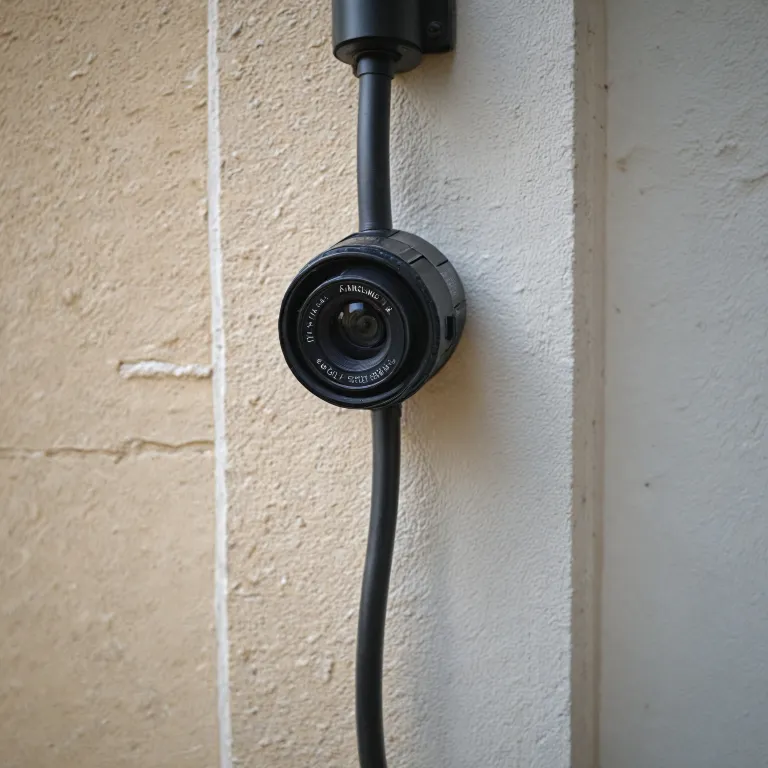

Why f type connectors for coaxial cable matter in home security
Home security cameras depend on stable signal transmission through every cable in the chain. When installers choose the right f type connectors for each coaxial cable, they reduce image noise, signal loss, and frustrating dropouts. A well matched connector type also protects the system from moisture, corrosion, and accidental pulls.
Most wired home systems still rely on some form of coaxial or coax cable, even when network video recorders and IP cameras are involved. The small metal pin at the heart of each f type connector carries the video signal, so any damage or misalignment can degrade recordings. For homeowners comparing cables and connectors, understanding how a single cable connector affects picture quality is as important as choosing the camera itself.
In practice, professional installers treat coaxial connectors as critical security components, not cheap accessories. They evaluate each cable type, from legacy RG59 coaxial cables to thicker RG6 coax cable, and then match the correct type connectors to avoid impedance mismatches. This attention to connector type and cable connectors keeps unit price low over the system lifetime, because fewer service calls are needed.
For a typical house, a small pack of compression connectors in both male and female versions is usually enough. Choosing a pack with a transparent unit price in USD helps you compare the real cost of each connector coaxial against the overall system budget. When you factor in potential rework, the apparent price difference between basic coax connectors and premium compression connector designs often disappears.
Comparing connector types, compression designs, and pricing for home users
Homeowners often feel overwhelmed by the variety of connectors type available for every coaxial cable. The main families are twist on, crimp, and compression connectors, each with a different balance of reliability, ease of installation, and unit price. For security cameras that must run continuously, compression connector designs usually offer the best long term performance.
Twist on coaxial connectors are cheap and require no special tools, but they can loosen over time. Crimp style f type connectors grip the coax cable more firmly, yet they depend heavily on correct tool use and precise cable type matching. Compression connectors, by contrast, create a 360 degree seal around the coaxial, protecting the inner pin and shielding from moisture.
When you compare price in USD, compression models may seem higher at first glance. However, the reduced failure rate and lower need for service visits often make this cable connector style more economical over several years. For a multi camera installation, buying a larger pack of compression connectors can reduce the effective unit price per connector type.
Online retailers frequently highlight free shipping offers on packs of coaxial connectors, but it is worth reading the technical info carefully. Check whether the connector coaxial is rated for indoor, outdoor, or direct burial use, and confirm compatibility with your chosen coaxial cables. If your satellite feed shares the same coax cable run as your home security camera, ensure the type coaxial rating supports both CCTV and satellite frequencies before you click any free shipping option.
For troubleshooting motion detection issues that might be blamed on poor cabling, detailed guides such as why a smart doorbell camera stops detecting motion can help you separate wiring faults from software settings. Understanding how each connector type interacts with your coaxial connector layout makes it easier to diagnose real hardware problems. This knowledge prevents unnecessary replacement of cameras when the true culprit is a loose cable connector hidden behind a wall plate.
Choosing the right coaxial cable and connector type for different camera zones
Not every camera location in a house needs the same cable type or connector type. A short indoor run from a hallway camera to a recorder may work well with standard RG59 coaxial cable and basic f type connectors. By contrast, a long outdoor run to a gate camera exposed to rain and temperature swings demands higher grade coaxial cables and weather sealed compression connectors.
For exterior walls, a compression connector with a rubber O ring helps protect the coaxial connector from water ingress. Many installers pair these compression connectors with UV resistant coax cable jackets to prevent cracking over time. The combination of robust cable connectors and a properly trimmed center pin ensures stable video from critical perimeter cameras.
When integrating cameras with an existing satellite dish, pay attention to how many cables share the same route. Each coaxial cable in the bundle must use compatible type connectors to avoid signal reflections and interference. In some cases, using color coded cable connectors or labeled connector coaxial ends can simplify maintenance and reduce errors during upgrades.
Homeowners who want a more advanced wired setup often migrate to an NVR based system that still uses coax for certain legacy zones. Resources explaining how an NVR camera system transforms wired home security show how mixed infrastructures can coexist. In such hybrid layouts, carefully matching each cable connector and connector type to its specific cable type prevents bottlenecks and maintains image clarity.
For entry level users, a small starter pack of f type connectors in both male and female versions offers flexibility. This pack should include enough coaxial connectors to handle future camera additions without another order or extra shipping costs. When comparing packs, look beyond the headline price in USD and evaluate the long term reliability of each connector coaxial design.
Advanced guides on signal handling, such as those explaining how answering machine detection enhances your home security camera system, can deepen your understanding of how clean cabling supports smart analytics. Articles like how answering machine detection enhances your home security camera system highlight the importance of stable coaxial cables for accurate event recognition. Reliable f type connectors for every coaxial cable segment ensure that analytics software receives consistent, noise free data.
Installation techniques for reliable f type connectors in home environments
Correct installation of f type connectors on each coaxial cable is as important as choosing the right hardware. Start by cutting the coax cable cleanly with a dedicated tool, avoiding crushed shielding or an uneven pin. A precise strip length, matched to the connector type, ensures that the dielectric and braid sit correctly inside the connector coaxial body.
When preparing coaxial cables, keep the braid neat and avoid stray strands touching the center pin. Any contact between shielding and the pin can short the signal and cause intermittent camera failures that are difficult to trace. For compression connectors, slide the connector onto the coaxial until the dielectric is flush with the internal shoulder, then use a calibrated compression tool to lock it in place.
Indoor terminations behind recorders or televisions can use standard male connectors, while wall plates or splitters may require female connectors. Always verify that the cable connector threads smoothly onto the mating port without cross threading, which can damage both the connector type and the device. If you feel resistance, back off and realign the coaxial connector rather than forcing the connection.
For outdoor junction boxes, apply a small amount of dielectric grease to the pin and threads before tightening. This simple step protects the connector coaxial from corrosion, especially in coastal areas with salty air. After tightening, wrap the joint between the coax cable and the coaxial connectors with self amalgamating tape to create an additional weather barrier.
Many homeowners underestimate how vibration and movement can loosen cable connectors over time. Periodic inspections of each cable type run, especially near doors or gates that slam, help you catch issues before they affect recordings. When you notice a recurring problem at a specific camera, replacing older twist on coax connectors with modern compression connector designs often resolves the fault permanently.
Balancing cost, performance, and future proofing in cable choices
Budget conscious homeowners naturally focus on price when buying cables and connectors for security cameras. However, the cheapest coaxial cable or cable connector can become the most expensive choice once you factor in downtime and repairs. A slightly higher unit price in USD for better coaxial cables and compression connectors usually delivers a stronger return on investment.
When planning a new installation, map each camera location and estimate the total length of coax cable required. Buying a larger reel of a single cable type, such as RG6, often reduces the effective price per metre and simplifies stock management. Matching all f type connectors to this chosen cable type also reduces the risk of mixing incompatible connector type and cable connectors.
Future proofing matters because many homes gradually add more cameras, satellite feeds, or network devices. Selecting a higher bandwidth type coaxial specification today can support additional services tomorrow without replacing every coaxial cable in the walls. In the same way, choosing robust compression connector designs now avoids re terminating dozens of coaxial connectors later.
Online product pages often highlight features like free shipping, but you should also examine the technical info tab. Look for clear descriptions of connector type, supported cable type, and whether the pack includes both male and female options. Transparent listings that show unit price in USD per connector coaxial help you compare offers fairly.
Some retailers group accessories under broad categories such as "cat and coax" or mixed cable packs. When browsing these, filter carefully so that you only add the correct type connectors for your specific coaxial cables. Keeping a simple spreadsheet of what cable connectors and coax connectors you have installed can save time during future upgrades or fault finding.
Practical tips for troubleshooting signal issues in wired camera systems
When a home security camera shows a noisy or blank image, the fault often lies in the coaxial cable or connectors rather than the camera itself. Start by checking every visible cable connector, gently wiggling each coaxial connector while watching the monitor for flickers. If movement affects the picture, the connector type is either loose, corroded, or incorrectly installed.
Next, inspect the path of each coax cable from the camera to the recorder or splitter. Look for tight bends, crushed sections, or signs of water ingress near outdoor junctions where coaxial connectors meet enclosures. Any damage to the outer jacket of the coaxial cable can allow moisture to reach the braid and pin, degrading the signal.
Swapping components methodically helps isolate whether the problem lies in the cable type, connector coaxial, or device. Replace a suspect segment with a known good coaxial cable and fresh f type connectors, ideally using compression connectors for a reliable test. If the image improves, you have confirmed that the original cable connectors or coax connectors were at fault.
For systems that share lines with satellite services, verify that splitters and wall plates support the same type coaxial frequency range as your cameras. Incompatible connectors type or low grade splitters can attenuate the signal, especially over long coaxial cables. Upgrading to higher quality cable connectors and compression connector models often restores full performance.
Keeping a small pack of spare male and female f type connectors on hand simplifies emergency repairs. Store them with a basic toolkit that includes a coax cable stripper, compression tool, and continuity tester for quick diagnostics. By treating every connector type and coaxial connector as a vital part of the security chain, you maintain a reliable system that protects your home day and night.
Key statistics about f type connectors and coaxial reliability
- Upgrading from twist on to compression connectors can reduce connector related signal failures by an estimated 30 to 50 percent in typical home installations.
- Properly installed RG6 coaxial cable with quality f type connectors can support cable runs of more than 60 metres for many analog HD camera systems without noticeable image degradation.
- Field surveys from professional installers often attribute over 40 percent of wired camera faults to poorly terminated coaxial connectors or damaged cable jackets.
- Using weather sealed compression connector designs on outdoor coaxial cables can extend connector service life by several years compared with unsealed twist on models.
Common questions about f type connectors and coaxial cables for security cameras
Are f type connectors suitable for all home security cameras
F type connectors are widely used for analog and HD over coax camera systems, especially those based on RG59 or RG6 coaxial cable. They are not used on pure IP cameras that rely solely on Ethernet cables, but many hybrid systems still combine coaxial connectors with network equipment. Always check your camera and recorder specifications to confirm the required connector type before purchasing any cable connectors.
What is the difference between RG59 and RG6 coaxial cable for cameras
RG59 coaxial cable has a smaller diameter and is common in older CCTV installations, while RG6 offers lower signal loss over longer distances. For modern high resolution cameras, RG6 paired with quality compression connectors usually delivers better performance, especially beyond 30 metres. However, both cable types can work reliably if matched with the correct type connectors and installed carefully.
Do I need special tools to install compression connectors on coax cable
Compression connectors require a dedicated compression tool and a proper coax cable stripper to achieve consistent results. These tools ensure the correct strip length and uniform compression around the connector coaxial body, which protects the pin and shielding. While the initial cost is higher than using twist on connectors, the improved reliability often justifies the investment for any serious home security setup.
Can I mix satellite and security camera signals on the same coaxial cable
In some cases, satellite and camera signals can share coaxial cables using appropriate splitters and modulators, but this requires careful planning. All devices must support the same type coaxial frequency ranges, and every cable connector and splitter must be rated accordingly. For most homeowners, running separate coax cable lines for satellite and cameras is simpler and reduces troubleshooting complexity.
How can I tell if a faulty connector is causing camera interference
Common signs of a bad connector include intermittent video, horizontal lines, or complete signal loss when the cable is moved. Testing with a known good coaxial cable and fresh f type connectors is the quickest way to confirm whether the connector type is responsible. If replacing the suspect coaxial connector restores a stable image, you have identified the root cause and should inspect other cable connectors in the system.
Trustful expert sources : UL (Underwriters Laboratories), IEC standards for coaxial cabling, National Fire Protection Association guidelines.