

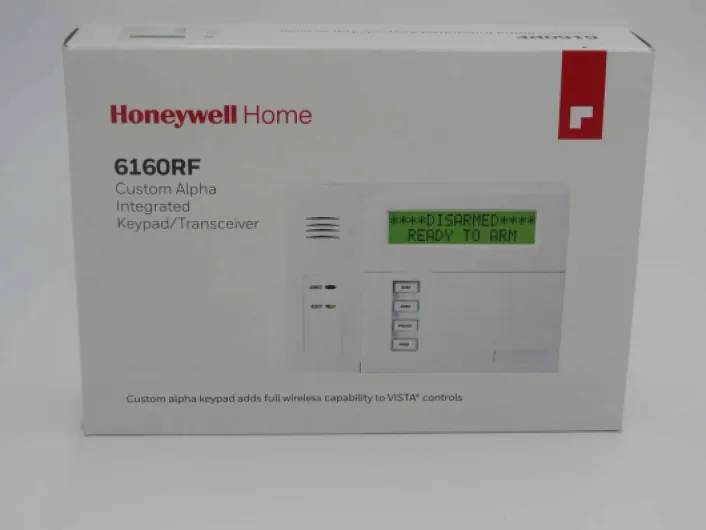
Understanding the role of an alarm keypad Honeywell in home security
Why the Alarm Keypad is Central to Your Security System
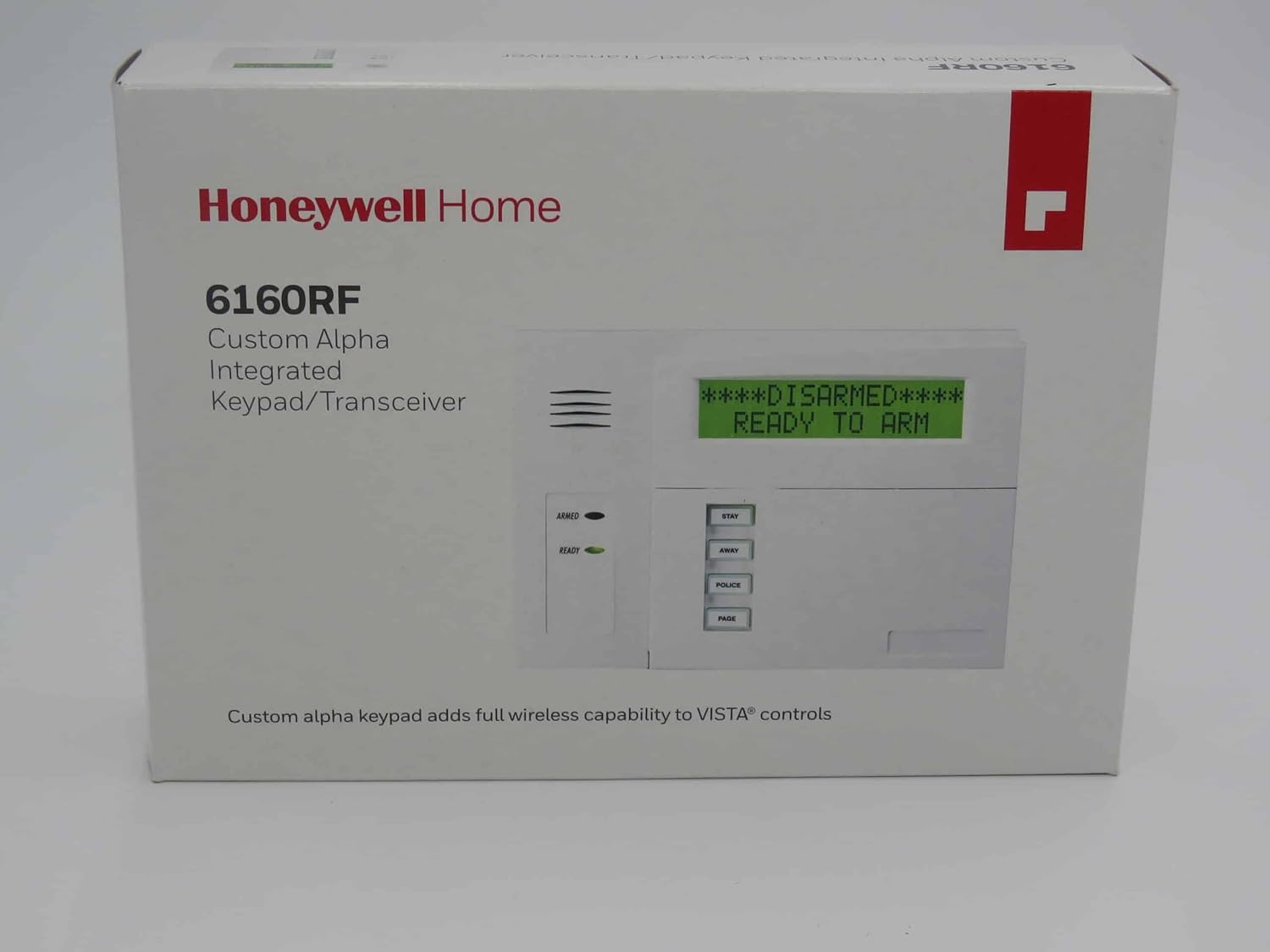
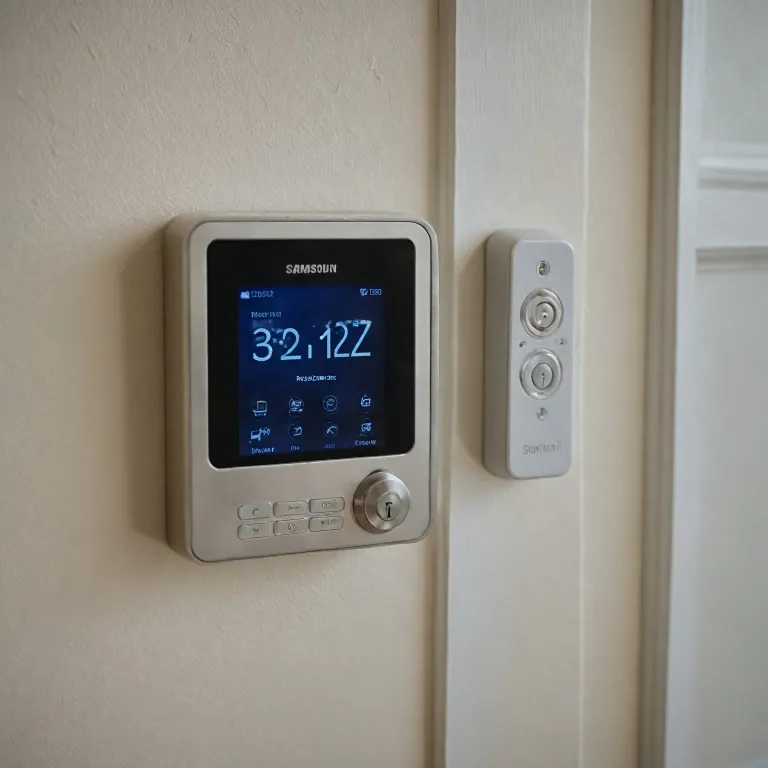
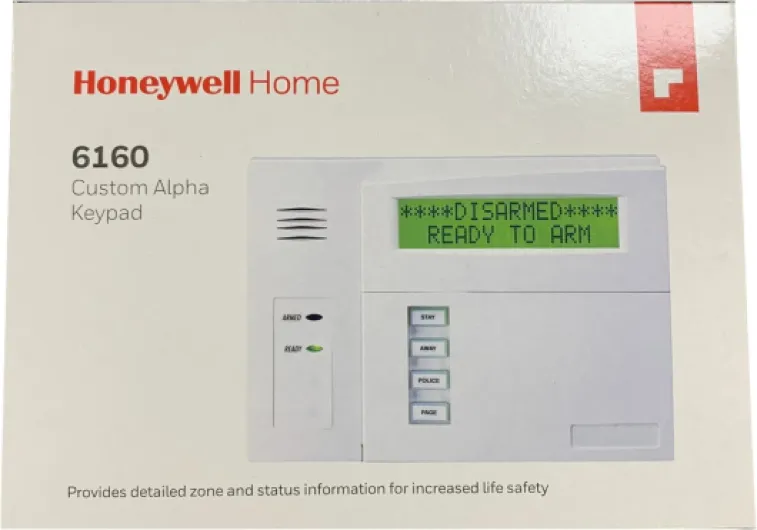
The alarm keypad is the main interface between you and your Honeywell security system. Whether you have a wired or wireless setup, the keypad lets you arm and disarm your alarm, monitor sensor status, and receive alerts. It acts as the control panel for your home’s protection, connecting with sensors, detectors, and even video cameras to provide a comprehensive security solution.
How the Keypad Connects with Other Security Products
Modern Honeywell keypads, including the popular Vista series, work with a range of security products. These include door and window sensors, glass break detectors, and wireless alarm devices. The keypad can also be linked to medical alert buttons and monitoring services, ensuring quick response in emergencies. With the right configuration, you can add new sensors or detectors wireless to expand your system as your needs change.
Enhancing Home Security with Monitoring and Alerts
Alarm monitoring is a key benefit of using a Honeywell keypad. When the system detects an intrusion or unusual activity, it sends an alert to your monitoring provider or directly to your phone. This real-time response is crucial for deterring threats and protecting your property. Some keypads also support video integration, allowing you to view live feeds from your security cameras right on the display.
Integrating with Other Home Security Features
For a truly secure home, it’s important to consider how your keypad works with other elements like garage door sensors. These sensors can be added to your Honeywell system to monitor access points that are often overlooked. To learn more about the benefits of integrating garage door sensors, check out this guide on how garage door sensors enhance your home security.
Choosing the Right Keypad for Your Needs
There are various Honeywell keypads available, from basic models to advanced touchscreens. Some are designed for DIY installation, while others are best suited for professional setups. Consider whether you need a wired alarm keypad or a wireless security solution, and look for features like quick access buttons, compatibility with Honeywell Vista systems, and support for video cameras and sensors wireless. The right keypad honeywell can make managing your home’s security both simple and effective.
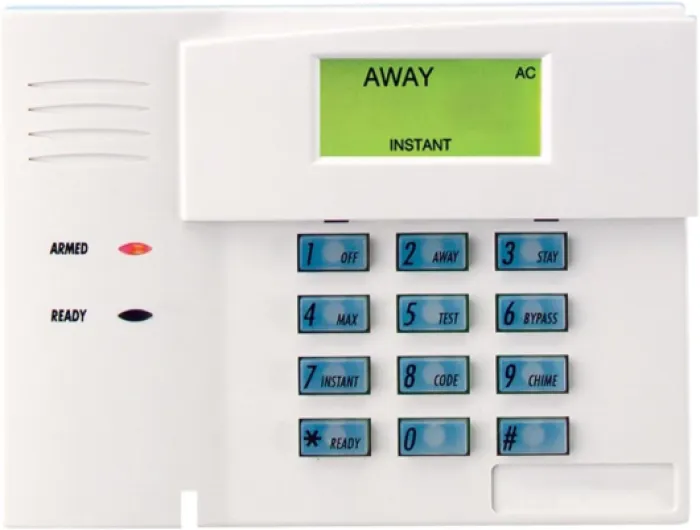
- + Reliable fixed-display keypad
- + Compatible with many Ademco/Honeywell alarm control panels
- + Simple and intuitive numeric interface
- + Clear LED indicators and audible tones for status feedback
- + Sturdy construction for long-term use

Key features to look for in an alarm keypad Honeywell
Essential Qualities for a Reliable Alarm Keypad
When selecting a Honeywell alarm keypad for your home security system, it’s important to focus on features that enhance both safety and usability. The right keypad acts as the main interface between you and your security products, so it should offer a balance of intuitive design and advanced technology.
- Compatibility with Security Systems: Make sure the keypad is compatible with your existing Honeywell Vista or other control panel models. Some keypads are designed for wired alarm systems, while others support wireless security setups. This ensures seamless integration with sensors, detectors, and video cameras.
- Wired vs. Wireless Options: Decide if you need a wired alarm keypad or a wireless alarm keypad. Wired keypads are often more reliable for long-term monitoring, while wireless keypads offer flexibility for DIY installation and easy relocation.
- Sensor and Detector Integration: Look for keypads that can add and manage multiple sensors wireless, glass break detectors, and door sensors. This allows for comprehensive coverage and quick alerts if something triggers your security system. For more on how sensors can enhance your setup, check out this guide on how door and window sensors enhance your home security.
- User-Friendly Interface: A good keypad should have clearly labeled buttons wireless and a readable display. Features like backlit keys and quick access buttons for medical alert or emergency situations can make a big difference in stressful moments.
- Alarm Monitoring Capabilities: Some keypads offer direct integration with alarm monitoring services, allowing for faster response times from security professionals. This is especially important if you want 24/7 protection for your home.
- Support for Video and Smart Home Integration: Modern keypads can connect with video cameras and other smart security products. This lets you view live feeds or receive alerts directly from your keypad or mobile device.
- Durability and Build Quality: Choose a keypad Honeywell model with a sturdy build, especially if you expect heavy use or have a busy household. Honeywell hardwired and wireless alarm keypads are known for their reliability in demanding environments.
Comparing Popular Honeywell Keypad Features
| Feature | Wired Keypads | Wireless Keypads |
|---|---|---|
| Installation | Professional or advanced DIY | DIY-friendly |
| Integration | Honeywell Vista, hardwired sensors | Wireless security systems, sensors wireless |
| Portability | Fixed location | Can be moved easily |
| Power Source | Direct wired | Battery or plug-in |
| Alert Options | Alarm, medical alert, quick buttons | Alarm, medical alert, quick buttons |
By focusing on these key features, you can select an alarm keypad that fits your home’s needs and works smoothly with your existing security systems, sensors, and video cameras. This will help ensure your home stays protected and your system remains easy to use for everyone in your household.
Installation tips for your alarm keypad Honeywell
Getting Your Keypad Honeywell Ready for Use
Setting up your alarm keypad Honeywell is a crucial step in building a reliable home security system. Whether you’re working with a Honeywell Vista series, a wireless alarm keypad, or a hardwired model, proper installation ensures your system responds quickly to alerts and integrates well with other security products.
- Choose the right location: Place your keypad near main entry points like the front door or garage. This allows for quick arming and disarming, and makes it easy to view alerts or status updates. Avoid areas with direct sunlight or moisture, which can damage the product.
- Wired vs. wireless setup: Wired alarm keypads require running cables to the control panel. This can be more secure but may need professional installation. Wireless keypads offer easier DIY installation and flexibility in placement, but always check for strong signal strength between the keypad and the control panel.
- Connect sensors and detectors: Ensure all sensors—such as glass break detectors, motion detectors wireless, and door sensors—are properly linked to your keypad. This step is essential for effective alarm monitoring and quick response to intrusions.
- Power supply: For wired systems, confirm all connections to the power source are secure. Wireless security systems typically use batteries, so check battery levels and replace them as needed to avoid downtime.
- Test your system: After installation, run a full system test. Arm and disarm the alarm, trigger sensors, and verify that alerts appear on the keypad. This helps ensure your security systems are functioning as intended.
Integrating Video Cameras and Mobile Apps
Modern Honeywell alarm keypads can often be integrated with video cameras and mobile apps for enhanced monitoring. Linking your keypad to wireless security cameras or video doorbells allows you to view live feeds and receive real-time alerts. For a deeper dive into how mobile apps can transform your home security camera experience, check out this guide on using mobile apps with your security cameras.
Quick Tips for DIY Installers
- Label all wires and sensors before installation to simplify troubleshooting later.
- Keep the keypad’s manual handy for reference on programming buttons wireless and setting up medical alert features.
- Always secure your keypad with a strong user code and update it regularly.
By following these steps, you’ll ensure your keypad Honeywell is set up for reliable performance and seamless integration with your home’s security systems.
Integrating your alarm keypad Honeywell with home security cameras
Connecting Your Keypad Honeywell to Video Cameras and Sensors
Integrating your Honeywell alarm keypad with home security cameras and sensors can significantly improve your overall security systems. Many Honeywell Vista and other compatible control panels allow you to add both wired and wireless video cameras, glass break detectors, and sensors wireless for a more complete monitoring solution. When your alarm keypad is properly linked with these devices, you can receive instant alerts and view live video feeds, making it easier to respond quickly to any security event.
Steps for Seamless Integration
- Check Compatibility: Before adding video cameras or detectors wireless, confirm that your alarm keypad Honeywell and control panel support integration with your chosen security products. Most modern Honeywell Vista systems work with a range of wireless security and wired alarm devices.
- Wired vs. Wireless: Decide if you want to use wired alarm cameras or wireless alarm options. Wired systems offer stable connections, while wireless security products are easier for DIY installation and can be placed anywhere in your home.
- Pairing Devices: Use your keypad Honeywell to add new sensors, detectors, or video cameras. This usually involves accessing the alarm control panel menu and following the manufacturer’s instructions for pairing. Some keypads have quick buttons wireless for easy device addition.
- Testing Integration: After setup, test your security systems by triggering sensors or viewing video feeds through the keypad or connected app. Ensure that alerts, medical alert functions, and monitoring features work as expected.
Benefits of Integrated Monitoring
When your alarm keypads, video cameras, and sensors work together, you get real-time alarm monitoring and instant notifications for events like door openings, glass break detection, or motion near entry points. This integration also allows you to view video clips or live feeds directly from your keypad vista or mobile device, giving you peace of mind whether you’re at home or away.
For those using Honeywell hardwired or wireless alarm systems, regular updates and maintenance of both your keypads and connected devices ensure reliable performance. Many users appreciate the flexibility to expand their systems with additional detectors wireless, door sensors, or video cameras as their security needs grow.
Troubleshooting common issues with alarm keypad Honeywell
Common Problems and Quick Fixes
Even reliable alarm keypads from Honeywell, including models like the Honeywell Vista series, can experience issues over time. Here are some typical problems users encounter and practical steps to resolve them:
- Keypad Not Responding: Check if the keypad is receiving power. For wired alarm systems, inspect the wiring and connections to the control panel. For wireless keypads, replace the batteries and ensure the device is within range of the main panel.
- False Alarms: False alerts can be triggered by faulty sensors, glass break detectors, or door contacts. Make sure all sensors and detectors wireless or hardwired are properly installed and free from obstructions. Regularly test each sensor to confirm accurate operation.
- Communication Errors: If your keypad displays a communication error, verify the connection between the keypad and the alarm control panel. For wireless security systems, interference from other devices may cause issues. Try relocating the keypad or reducing interference from nearby electronics.
- Zone Faults: When a specific zone shows a fault, check the corresponding sensor or detector. For example, if a door sensor is not working, inspect the wiring or replace the batteries in wireless models. Make sure all sensors wireless and wired are securely mounted.
- Alarm Not Arming or Disarming: Confirm that you are entering the correct code. If the keypad honeywell still does not respond, reset the system by powering it down and restarting. Refer to your product manual for model-specific instructions.
When to Seek Professional Help
Some issues may require assistance from a security systems professional, especially if you experience persistent faults, problems with alarm monitoring, or if your Honeywell hardwired or wireless alarm system is not communicating with the monitoring service. If your system is integrated with video cameras or other advanced security products, technical support may be necessary to troubleshoot complex connectivity issues.
Tips for Preventing Future Issues
- Regularly test all keypads, sensors, and detectors wireless or wired to ensure they are functioning correctly.
- Keep the keypad and control panel clean and free from dust or debris.
- Update your system firmware when updates are available for your security products.
- Replace batteries in wireless alarm keypads and sensors as recommended by the manufacturer.
- Document any error codes or alerts for quick reference during troubleshooting or when contacting support.
Best practices for maintaining your alarm keypad Honeywell
Routine Care for Reliable Performance
Keeping your Honeywell alarm keypad in top shape is essential for the overall reliability of your home security systems. Regularly wipe down the keypad and control panel with a soft, dry cloth to prevent dust buildup, which can interfere with the buttons wireless response. Avoid using harsh chemicals that might damage the keypad surface or screen.Check Connections and Power Sources
For both wired alarm and wireless alarm keypads, inspect connections to ensure they are secure. For wireless security products, check battery levels every few months and replace them as needed to avoid sudden power loss. Wired keypads and sensors should be checked for loose wires or corrosion, especially if you have a Honeywell Vista or honeywell hardwired system.Test Sensors and Detectors Regularly
Your security system’s effectiveness depends on properly working sensors wireless, detectors wireless, and glass break detectors. Test these components monthly using the keypad’s test mode. This helps confirm that door sensors, motion detectors, and medical alert features are communicating with the alarm control panel and monitoring service.Update and Review System Settings
Periodically review your alarm keypad settings. Make sure all user codes are up to date and remove any that are no longer needed. If your system is integrated with video cameras or other smart security products, check that all devices are still connected and functioning as intended.Respond Quickly to Alerts and Issues
If your keypad honeywell displays error messages or your system sends an alert, address the issue promptly. Refer to your product manual for troubleshooting steps, or contact your alarm monitoring provider for support. Quick action can prevent small problems from affecting your home’s security.Keep Up with Software and Firmware Updates
For newer wireless alarm keypads and smart security systems, check for software or firmware updates from Honeywell. Updates can improve performance, add features, and patch security vulnerabilities. Always follow manufacturer instructions when applying updates.DIY Maintenance Tips
- Test your alarm system after any DIY changes or when you add new sensors or detectors.
- Label all zones and sensors clearly in your control panel for quick identification.
- Keep a record of your system’s model and product details for easy reference during troubleshooting.