Key features that define a reliable indoor security camera
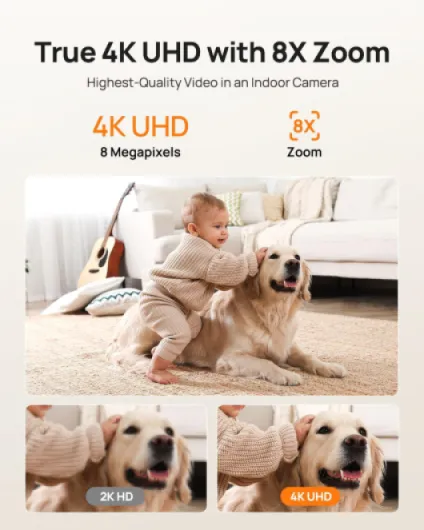
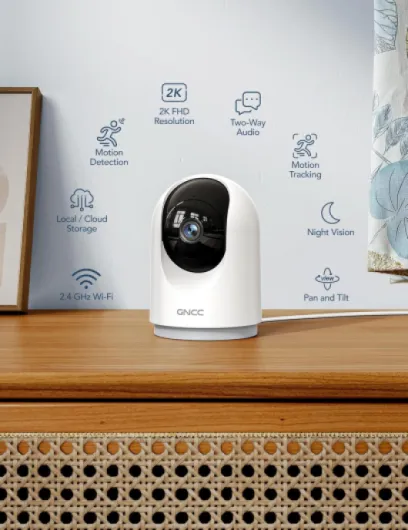
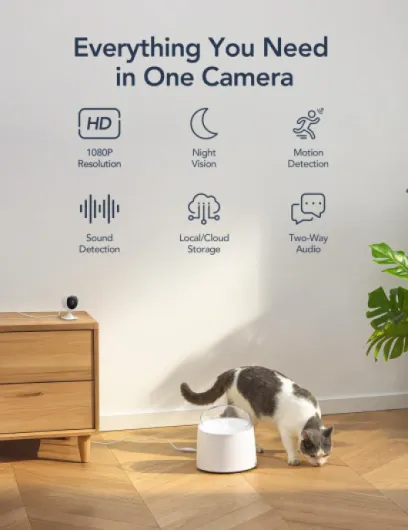
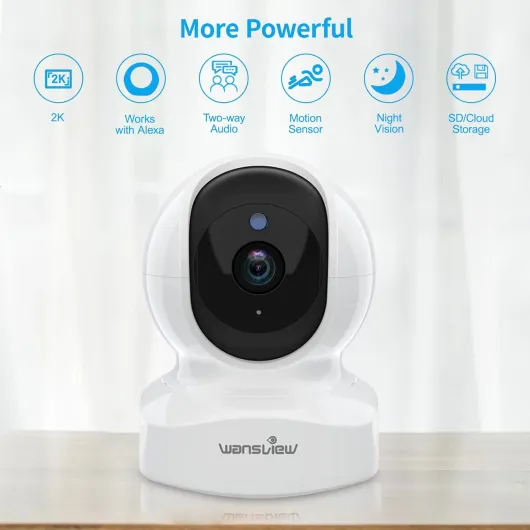
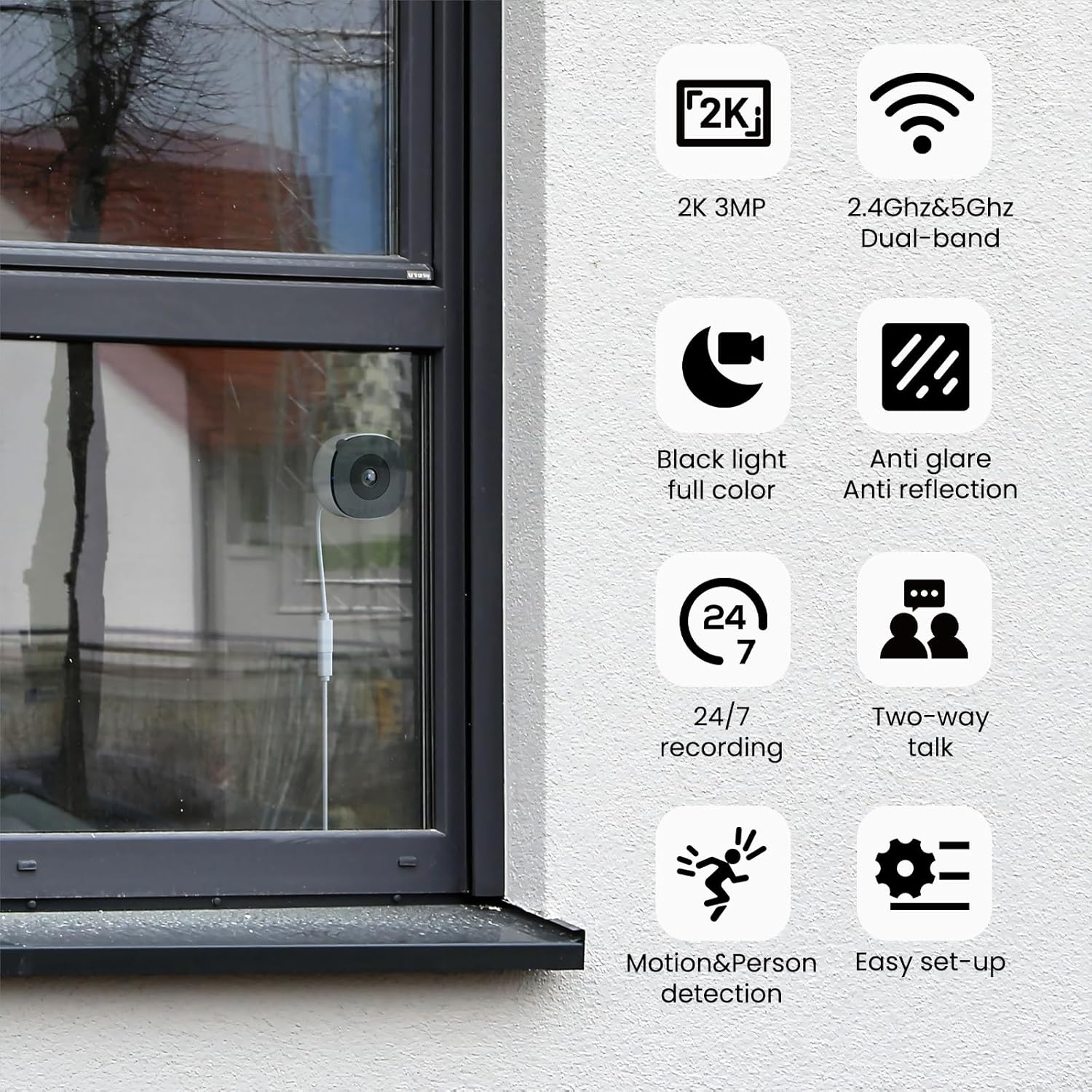
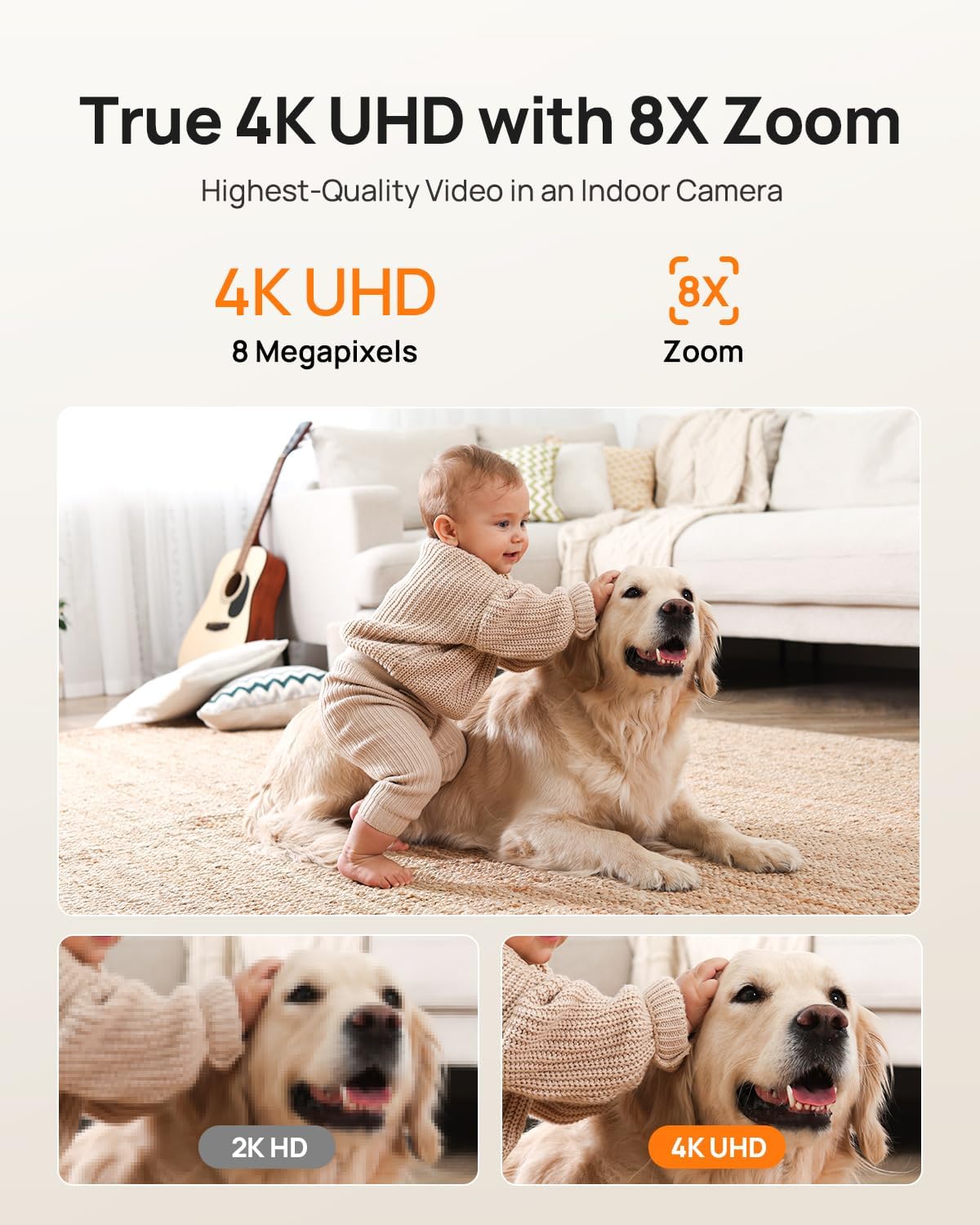
Several core features separate a basic cam from the best indoor Wi Fi security cameras available for home use. First, video quality should be at least 1080p, because sharper video makes it easier to recognize faces, pets, and small details. If a camera offers higher resolution, ensure your Wi Fi and cloud storage plan can handle the extra data.
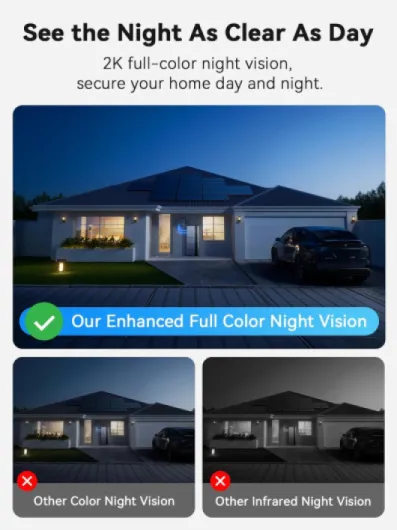
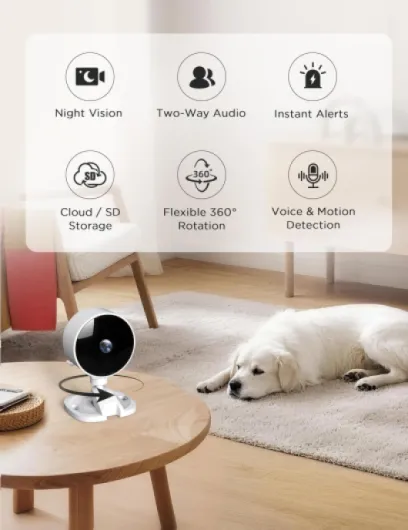
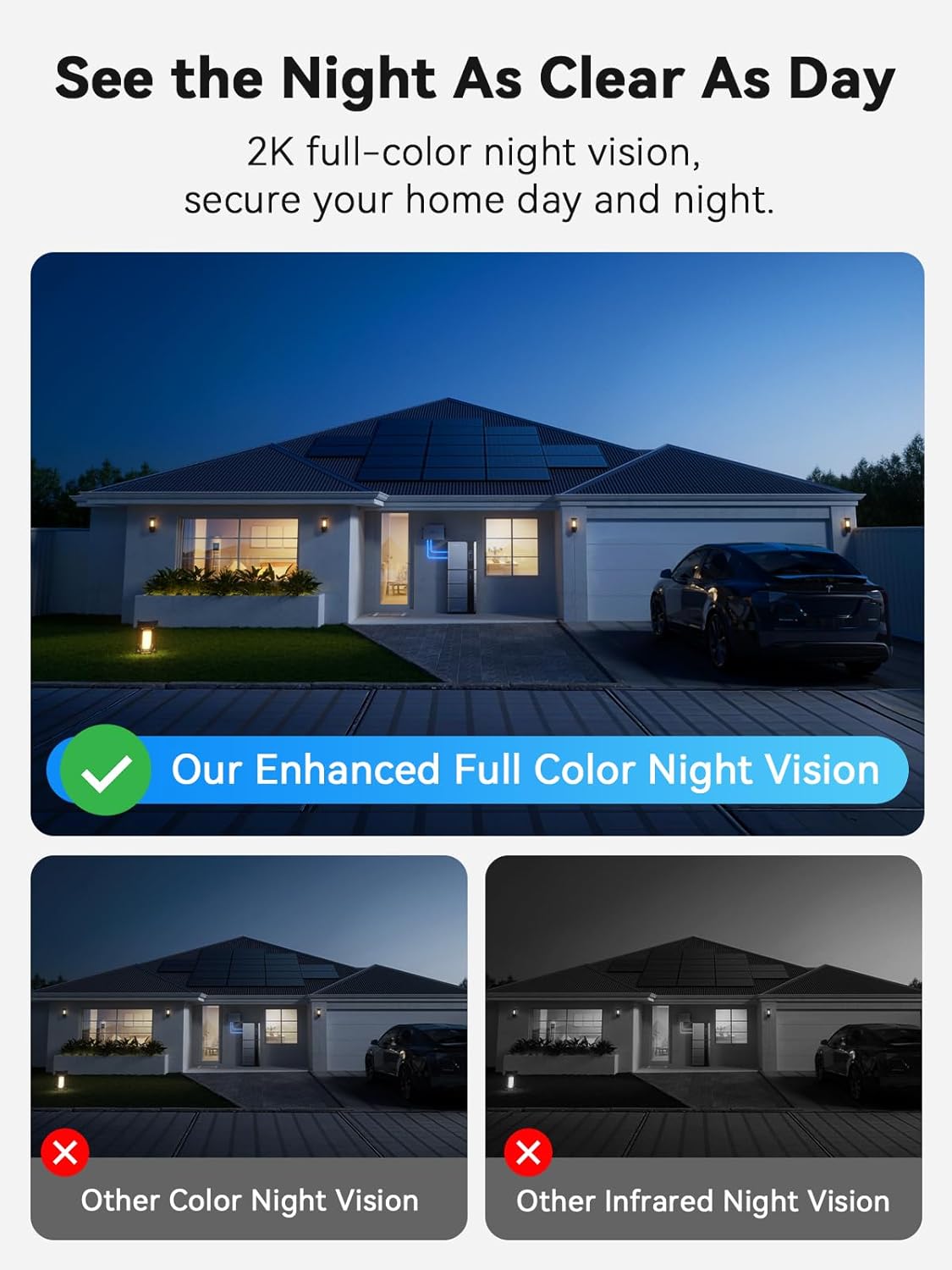
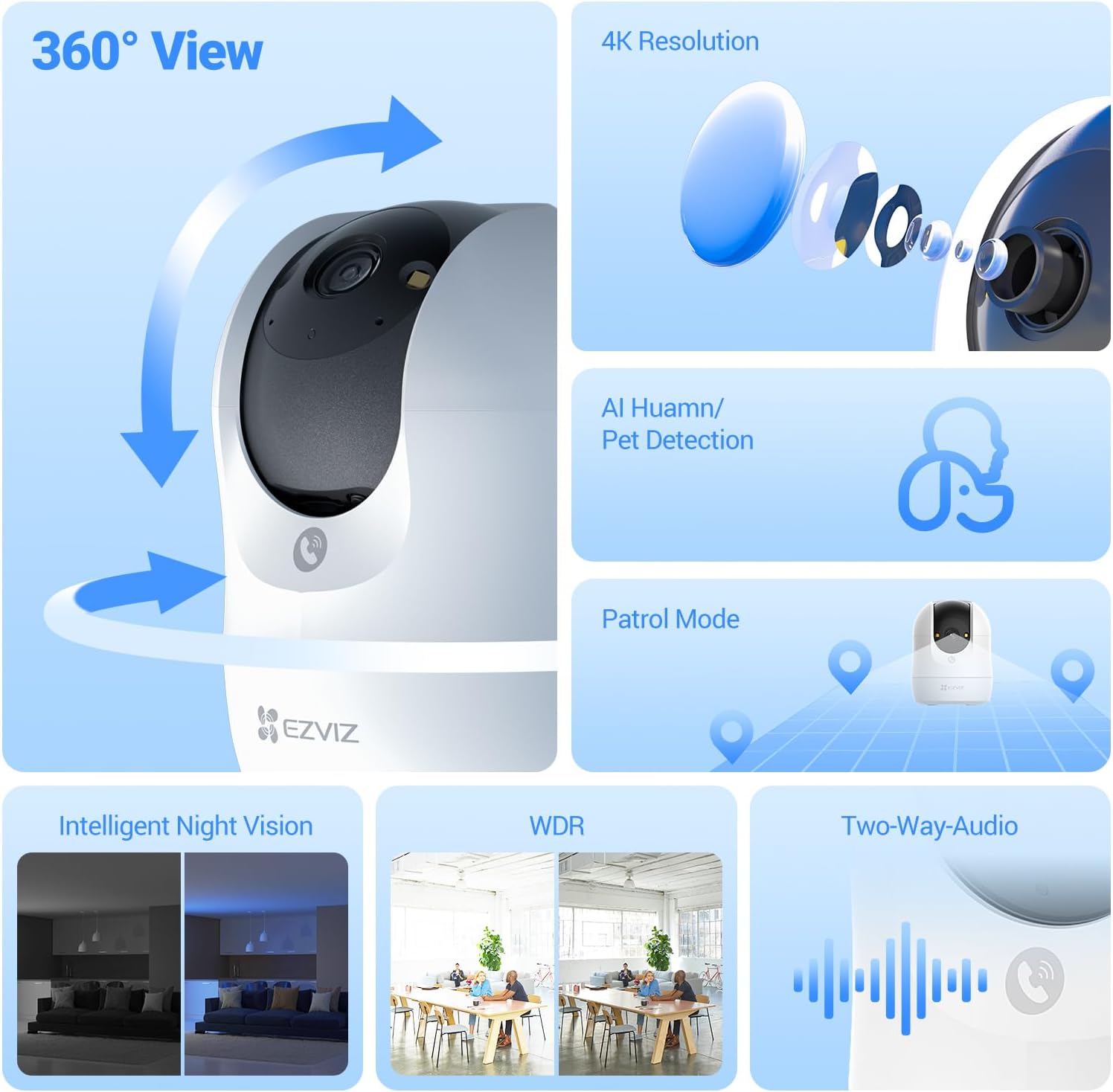
Night vision performance is crucial, since many break ins and incidents happen after dark when indoor lights are low. Some indoor camera models now provide color night options, which combine low light sensors with software to keep more detail visible. When a security camera offers both infrared night vision and color night modes, you gain flexibility for different rooms and lighting conditions.
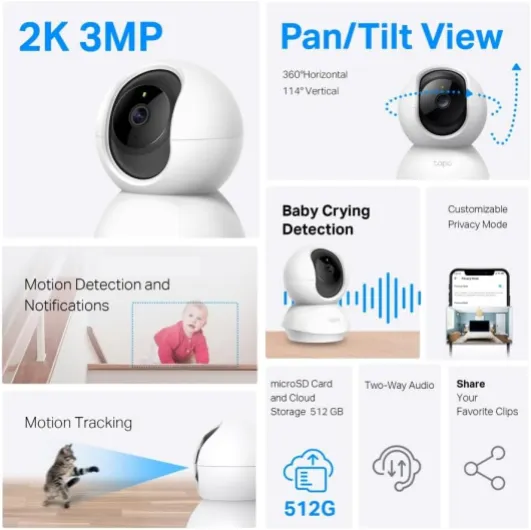
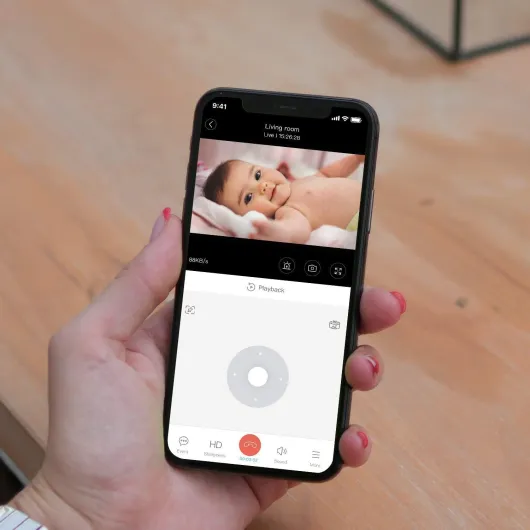
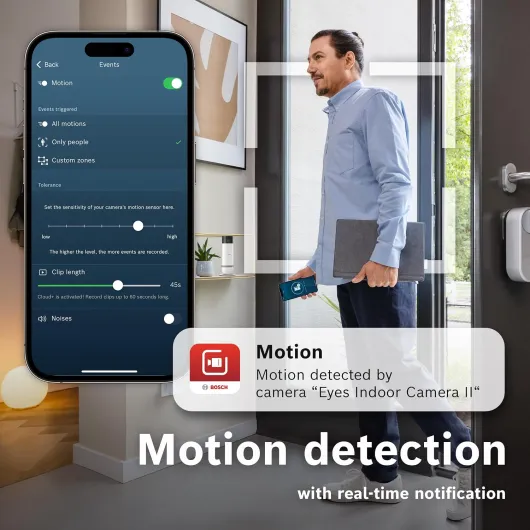
Motion detection and smart alerts are equally important for indoor security, especially in busy households. Advanced cameras use AI based motion detection to distinguish between people, pets, and general movement, reducing unnecessary alerts. Look for systems that let you customize motion zones, schedules, and alert sensitivity so your cam indoor setup matches your lifestyle.
Smart assistants like Google Assistant and Amazon Alexa make it easier to control cameras with voice commands. Many of the best indoor Wi Fi security cameras can show live video on a smart display when you ask Alexa Google or Google to open the feed. For a layered approach, pair your indoor cameras with a wireless door alarm sensor so motion detection inside complements perimeter alerts.
Balancing cloud storage, local storage, and privacy needs
Behind every indoor camera, there is a question about where your video actually lives and who can access it. Many of the best indoor Wi Fi security cameras rely on cloud storage subscriptions, which keep video clips safe even if a cam is stolen. Cloud storage can simplify access to security footage, but ongoing fees and data protection policies deserve careful reading.
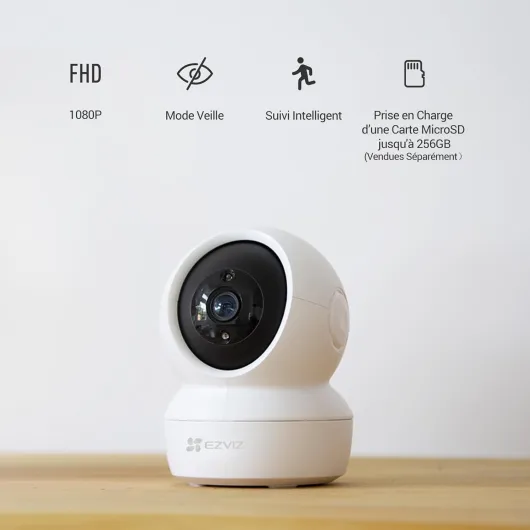
Some users prefer local storage because it keeps video within the home network and avoids monthly costs. A security camera that supports microSD cards or network recorders lets you store indoor security footage locally while still using motion detection and alerts. Hybrid models combine cloud and local storage, giving flexibility if your internet connection or cloud service fails.
Privacy features are increasingly central to how people judge the best indoor Wi Fi security cameras for family spaces. Look for physical privacy shutters on an indoor cam, clear indicators when video recording is active, and strong encryption for data in transit and at rest. When you read full privacy policies, check how long companies keep your video, whether they share it, and how you can delete stored clips.
Smart integrations with Amazon Alexa, Google Assistant, and Alexa Google routines should never compromise security. If you use a Nest Cam or another cam indoor model tied to a major platform like Google, enable two factor authentication and strong passwords. For households that also use outdoor security systems, consider how a wired intruder alarm can complement indoor cameras and reduce reliance on cloud alerts alone.
Comparing popular indoor cam ecosystems and smart assistants
When people search for the best indoor Wi Fi security cameras, they often end up choosing between ecosystems rather than single devices. Google, Amazon, and other brands each offer indoor camera lines that integrate tightly with their smart speakers and displays. For example, a Nest Cam works smoothly with Google Assistant, while a Blink Mini is optimized for Amazon Alexa and Fire TV devices.
If you already use Amazon Alexa for lights and plugs, adding compatible security cameras keeps control simple. You can ask Alexa Google style commands on different speakers, but each ecosystem handles video streaming and alerts slightly differently. Before buying, check whether your preferred indoor security cam supports both platforms or mainly one.
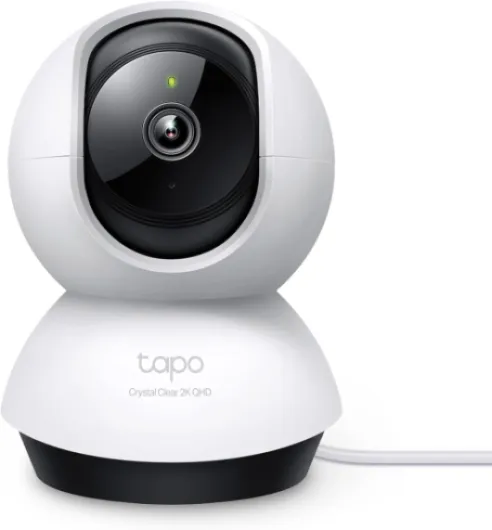
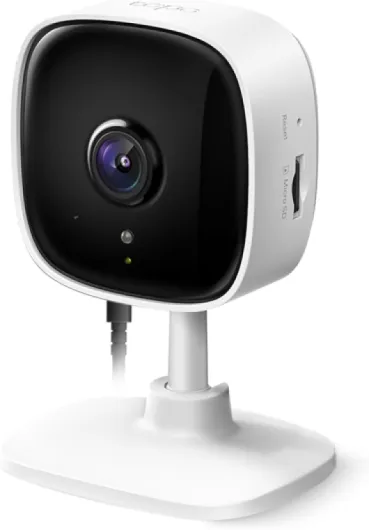
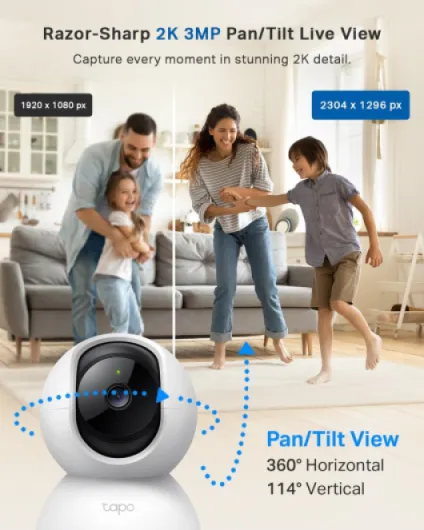
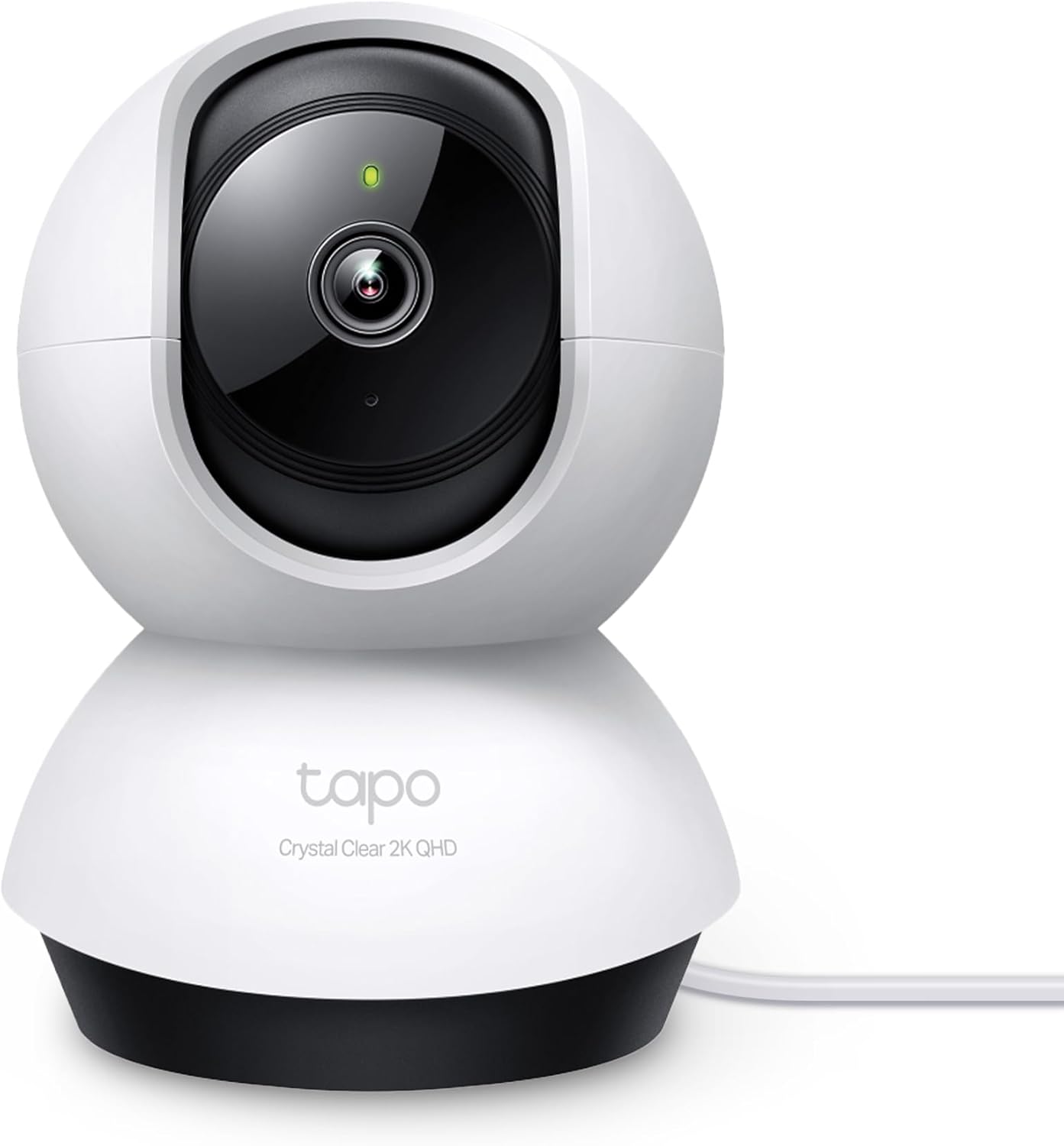
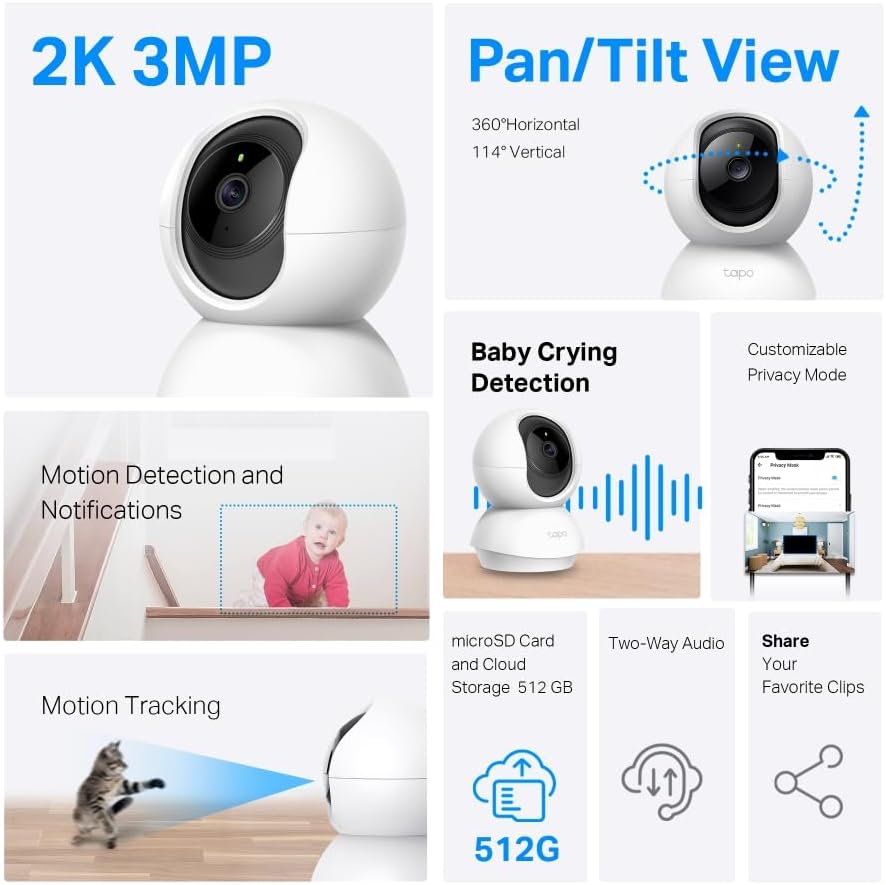
Some brands, such as those behind Link Tapo style devices, focus on flexible indoor camera options with pan tilt and local storage. These cameras can offer strong video quality and motion detection without locking you into a single ecosystem. When you read full specifications, verify whether the cam indoor model supports cloud storage, local recording, or both.
Battery powered indoor cameras can be moved easily, but they may limit continuous recording and high bitrate video. Wired indoor security cameras are better for constant monitoring, especially when combined with outdoor security devices around entrances. For more advanced setups, you can explore dual band Wi Fi security camera options that reduce congestion and improve reliability for multiple cams.
Evaluating motion detection, alerts, and real world performance
In everyday use, the best indoor Wi Fi security cameras are judged by how they handle motion detection and alerts. A camera that sends constant false notifications quickly becomes ignored, which undermines indoor security and safety. Look for models that allow fine tuning of motion zones, schedules, and sensitivity so the cam focuses on meaningful activity.
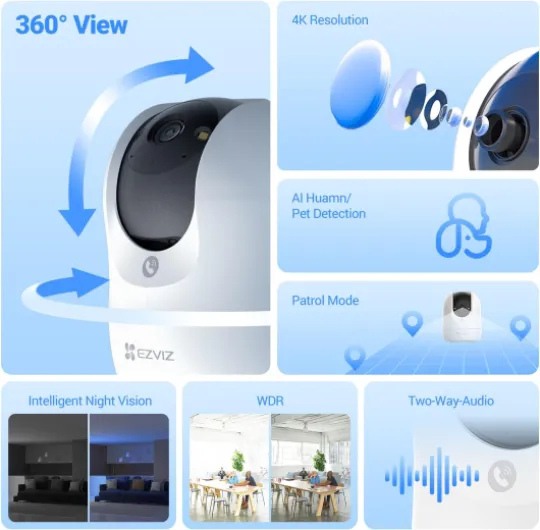
High quality motion detection should distinguish between people, pets, and background movement like curtains or shadows. Some indoor camera systems use AI to recognize familiar faces or frequent visitors, although these features may require cloud storage subscriptions. When you read full product details, check whether advanced detection runs locally on the cam or only in the cloud.
Alert delivery speed matters because delays can make security cameras feel less responsive during incidents. A reliable indoor cam should send push notifications within seconds, with quick access to live video and recorded clips. If you use Google Assistant or Amazon Alexa, test how fast voice commands can pull up the indoor camera feed on a display.
Real world performance also depends on Wi Fi strength, router placement, and interference from other devices. Dual band routers can help separate video traffic from general browsing, improving video quality and reducing buffering. For homes that already rely on outdoor security lights or sirens, integrating indoor cameras with these systems can create layered, timely alerts.
Buying tips, platforms like amazon, and long term reliability
Many people purchase the best indoor Wi Fi security cameras through large platforms such as Amazon, but careful evaluation remains essential. Product pages often highlight impressive features like color night vision, pan tilt, and long battery life. However, you should read full user reviews that mention long term reliability, firmware updates, and customer support quality.
When comparing indoor camera options on Amazon, filter by verified purchases and look for patterns in feedback. Repeated complaints about motion detection, cloud storage billing, or app stability can signal deeper security camera issues. Pay attention to how often manufacturers update their apps, because outdated software can weaken indoor security over time.
Check whether a cam indoor model offers clear warranties and transparent replacement policies. A reliable indoor security brand should provide ongoing support, security patches, and clear communication about any vulnerabilities. If you use Nest Cam, Blink Mini, or Link Tapo style cameras, confirm that your region has full feature support, including cloud storage and smart assistant integration.
Battery powered indoor cameras may need replacement cells or recharging schedules, which affects convenience and running costs. Wired indoor camera systems demand more planning but often deliver more stable video quality and fewer missed events. For households that already use outdoor security devices, aligning brands and ecosystems can simplify management and reduce compatibility headaches.
Design, placement, and integrating indoor cameras into a wider security strategy
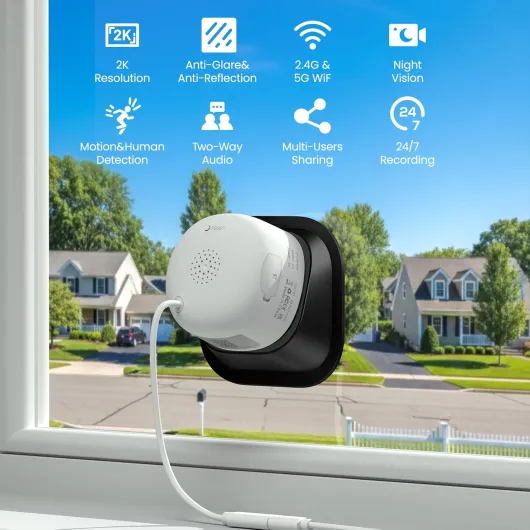
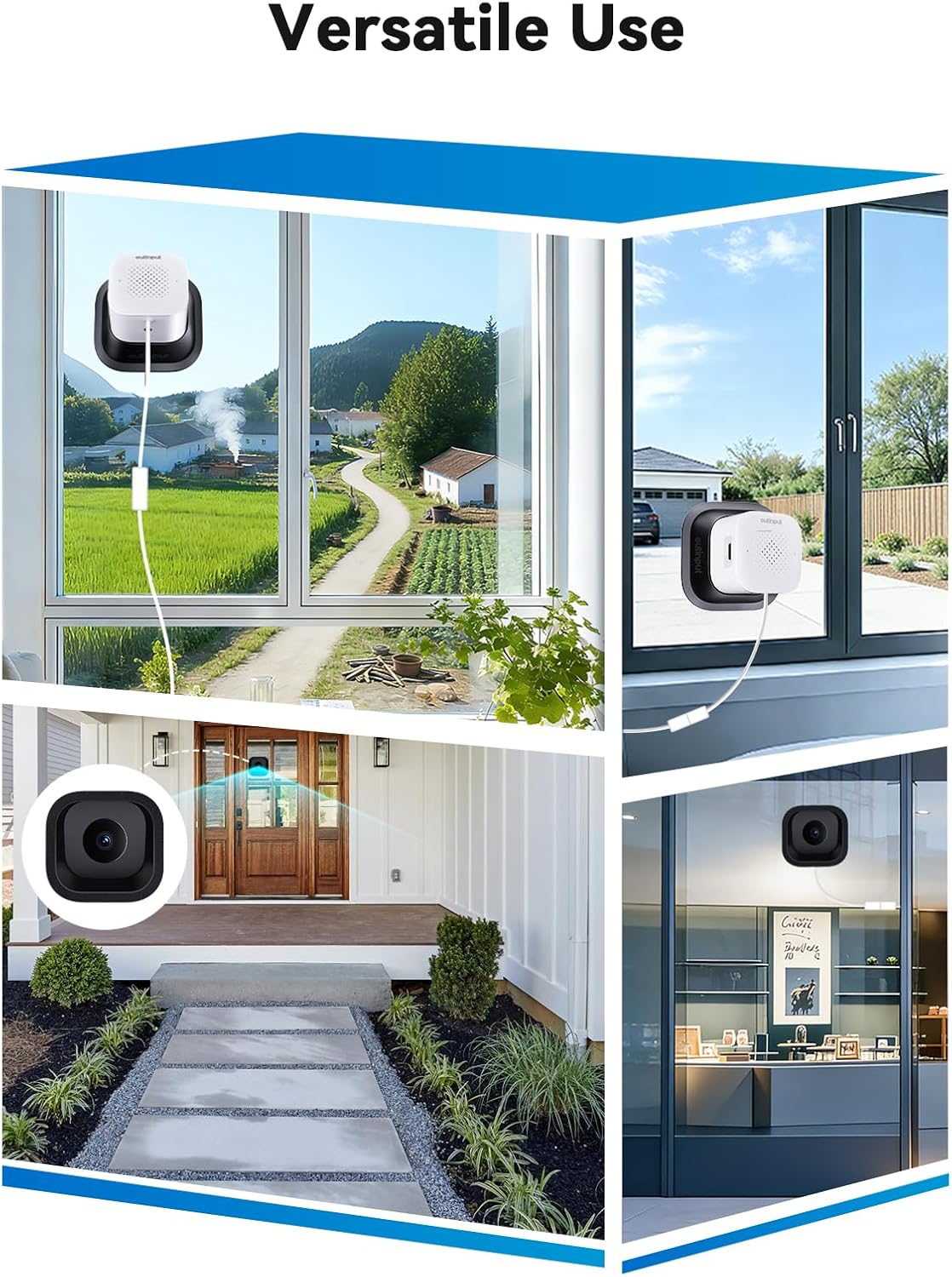
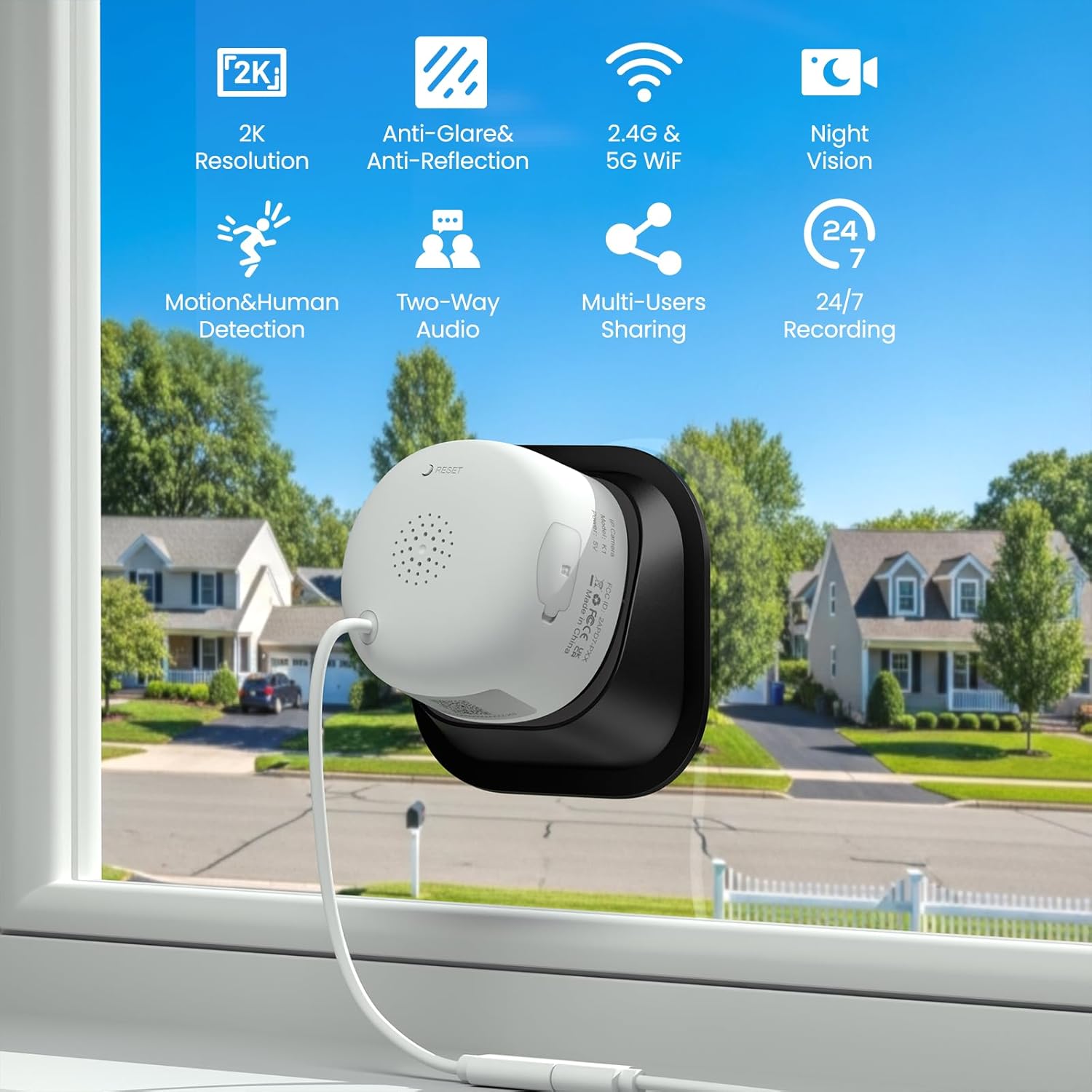
Design and placement strongly influence how the best indoor Wi Fi security cameras perform in real homes. A compact indoor camera that blends with décor is less likely to be tampered with or unplugged. When positioning a security camera, avoid pointing directly at windows, because reflections can weaken night vision and motion detection.
Place an indoor cam near main entry points, hallways, and shared spaces rather than private rooms. For families, balancing privacy and indoor security means using clear rules about when cameras are active. Some people schedule their cam indoor systems to arm only when everyone leaves, relying on outdoor security devices at night.
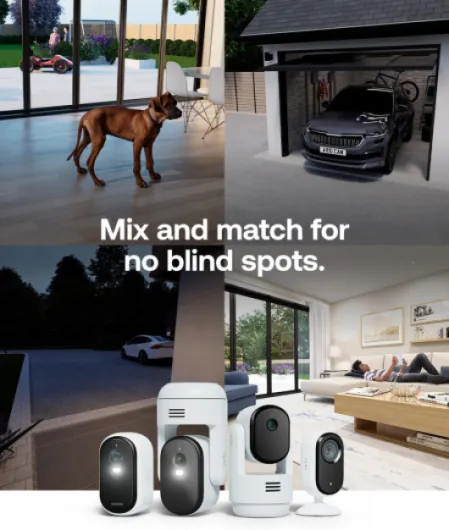
Pan tilt cameras can cover larger rooms, but they require thoughtful placement to avoid blind spots. If your indoor camera supports color night modes, test different lighting levels to ensure video quality remains usable. For multi camera setups, stagger angles so that one security camera can still capture activity if another is blocked.
Integrating indoor cameras with smart assistants like Google Assistant, Amazon Alexa, and Alexa Google routines can automate arming and disarming. Combining a Nest Cam, Blink Mini, or Link Tapo style indoor camera with sensors and alarms creates a layered defense. Over time, reviewing motion detection logs and alerts helps refine settings so your best indoor Wi Fi security cameras work with your habits rather than against them.
Key statistics about indoor security cameras and smart home protection
- Global adoption of indoor security cameras has grown significantly as Wi Fi coverage and smart assistants become more common in households.
- Many homeowners now combine indoor camera systems with outdoor security devices to create layered protection around entry points.
- Cloud storage subscriptions for security cameras represent a growing share of smart home service spending worldwide.
- Improved night vision and motion detection technologies have reduced false alerts and increased user satisfaction with indoor security solutions.