
Understanding how wired intruder alarms work
How a Wired Alarm System Protects Your Home
Wired intruder alarms are a staple in home security systems, offering reliable protection by connecting sensors and detectors directly to a central control panel. These systems use physical wiring to link devices like door contacts, motion detectors, and glass break sensors throughout your property. When a sensor is triggered, the control panel processes the signal and activates the alarm, alerting you and, if set up, your alarm monitoring service.
- Control Panel: The heart of the system, managing all connected sensors and detectors.
- Sensors and Detectors: Devices such as motion detectors, door/window contacts, and glass break sensors are hardwired for consistent communication.
- Keypad: Allows you to arm, disarm, and control the alarm system.
- Alarm Kit: Many brands, like Honeywell Vista and ADT, offer comprehensive kits that include all necessary components for a wired installation.
Unlike wireless alarm systems, wired security systems are less prone to interference and battery issues. This makes them a preferred choice for homeowners seeking long-term reliability. Wired alarms can also be integrated with other security solutions, such as video surveillance cameras from brands like Lorex, to create a comprehensive security setup.
DIY installation is possible for some wired alarm kits, but professional installation is often recommended to ensure proper wiring and system performance. If you encounter network connection issues with your alarm system or integrated cameras, you may find this guide to troubleshooting NVR network connection issues helpful.
Wired alarm systems remain a trusted option for homeowners who value robust, consistent protection. As you explore the advantages and challenges of these systems, you’ll see how they compare to wireless options and how they can be combined with modern monitoring and video solutions for enhanced security.
Key advantages of wired intruder alarm systems
Why Many Homeowners Trust Wired Alarm Systems
When it comes to protecting your home, a wired alarm system stands out for its reliability and performance. Unlike wireless security systems, wired alarms use physical connections between sensors, detectors, and the control panel. This design brings several key advantages for homeowners looking for robust security solutions.
- Consistent and Stable Monitoring: Wired security systems are less prone to interference from other devices or Wi-Fi outages. This means your alarm monitoring remains steady, even during power fluctuations or network issues.
- Lower Maintenance Needs: Since the sensors and detectors are hardwired, you don’t have to worry about replacing batteries as often as with wireless alarm systems. This is especially useful for larger homes or setups with many components, like a full alarm kit with multiple cameras and detectors.
- Enhanced Security Against Tampering: Wired alarms are generally harder for intruders to disable. The physical wiring makes it more challenging to bypass the system compared to wireless security options, which can sometimes be jammed or disrupted.
- Scalability for Complex Installations: Wired security systems, such as those using Honeywell Vista or ADT panels, are ideal for integrating a wide range of sensors, fire alarms, and control panels. This makes them suitable for both residential and commercial properties where comprehensive coverage is needed.
- Professional-Grade Performance: Many high-end alarm systems, including those from brands like Honeywell and Vista, are designed for professional alarm monitoring. These systems often include advanced features like video integration, keypad control, and compatibility with wired security cameras.
For homeowners interested in a comprehensive camera and monitor setup, wired alarms offer seamless integration with video surveillance. This allows for real-time monitoring and quick response in case of an incident.
While DIY wireless alarm kits are gaining popularity for their easy installation, wired alarm systems remain the gold standard for those who prioritize long-term reliability and robust protection. Their proven track record in both home and business security makes them a trusted choice for many.
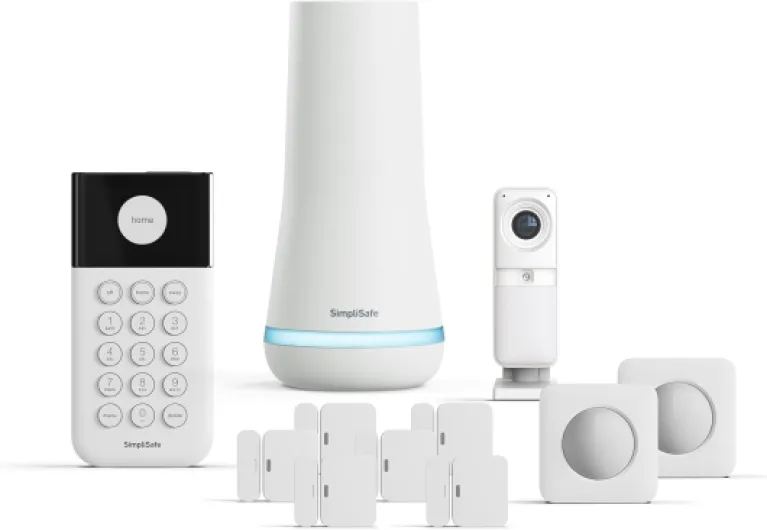
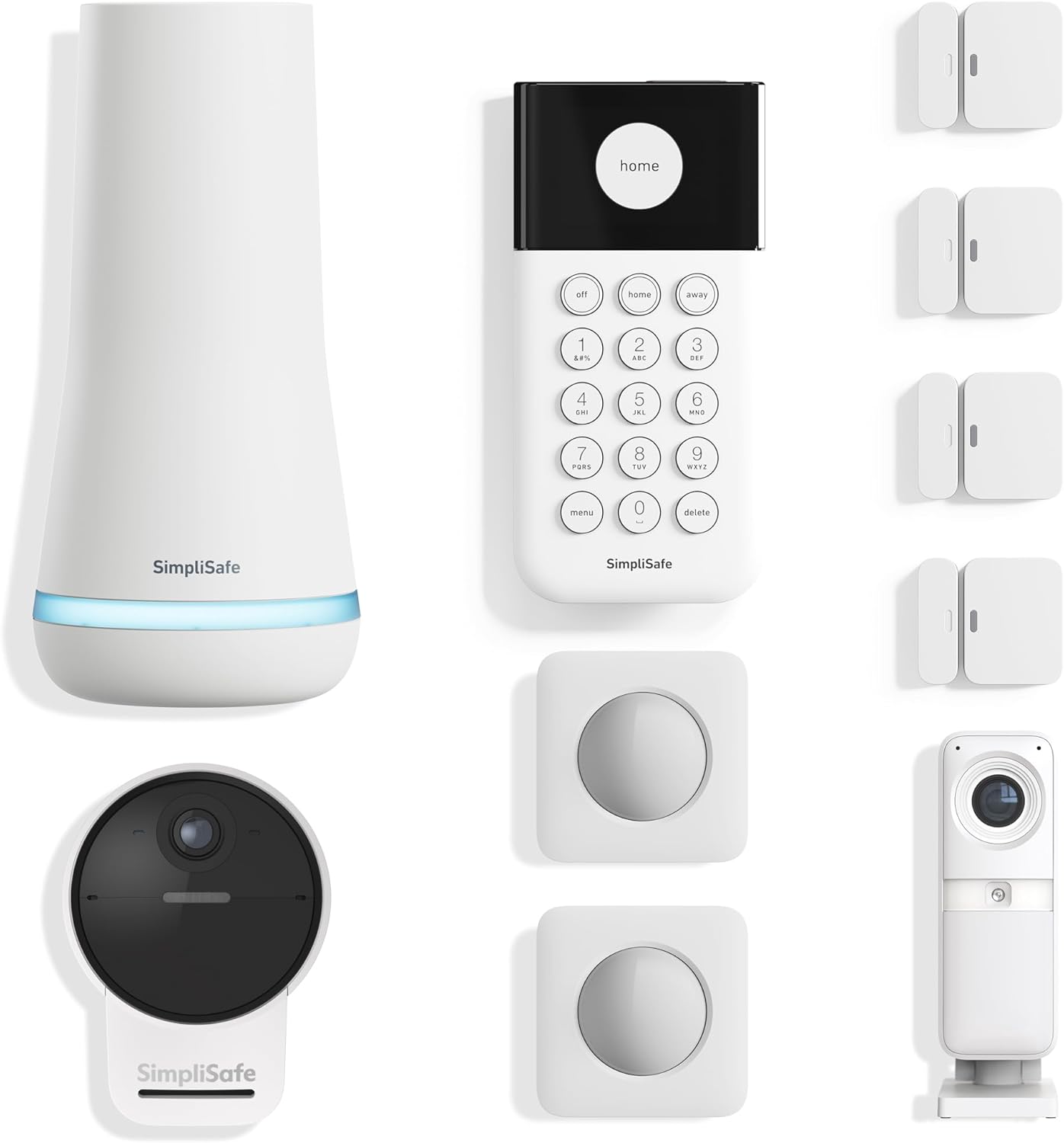
- + Wireless components for easy setup
- + Includes an Indoor HD camera for clear video
- + 11-piece kit covers multiple entry points
- + Optional 24/7 professional monitoring available
- + No Contract required — pay-as-you-go monitoring

Potential challenges with wired installations
Common Obstacles When Installing Wired Alarm Systems
While a wired alarm system offers reliable security and consistent monitoring, the installation process can present some unique challenges. Understanding these potential hurdles can help you make an informed decision about whether a wired or wireless alarm kit is right for your home.
- Complex Installation Process: Setting up a wired security system often requires running cables through walls, ceilings, or floors. This can be time-consuming and may require professional installation, especially in finished homes. DIY enthusiasts might find it more demanding than installing a wireless alarm system.
- Limited Flexibility: Once the alarm sensors, detectors, and control panels are installed, relocating them is not as simple as with wireless security systems. If you plan to renovate or move devices like cameras or keypads, rewiring may be necessary.
- Disruption to Home Structure: Drilling holes and routing wires can disrupt your home’s structure and aesthetics. This is particularly relevant for older homes or those with complex layouts. Some homeowners may be concerned about the impact on walls and floors.
- Higher Upfront Costs: The initial investment for a wired alarm kit, including professional installation, can be higher than for wireless alarm systems. However, this may be offset by lower long-term maintenance costs and fewer battery replacements.
- Maintenance and Troubleshooting: While wired systems like Honeywell Vista or ADT are generally reliable, troubleshooting wiring issues can be more complicated than swapping out a wireless sensor. Accessing hidden wires or control panels may require additional effort.
- Integration with Modern Devices: Some older wired alarm panels may not support newer technologies, such as smart home integration or video monitoring. Upgrading to a system that works with modern cameras, like Lorex or Ring alarm, may require additional hardware or adapters.
Despite these challenges, many homeowners still prefer the robust performance and consistent alarm monitoring that wired security systems provide. If you’re considering adding video surveillance, it’s important to plan your camera and detector placement during the initial installation to avoid extra work later. For more on how long your security camera footage is stored, check out this guide to security camera footage retention.
Comparing wired and wireless alarm systems
Wired vs Wireless: What Sets Them Apart?
When choosing a home security system, the debate between wired and wireless alarm systems is common. Both options offer unique benefits and some limitations, so understanding their differences helps you make an informed decision for your home’s protection.
- Installation: Wired alarm systems require physical cabling for sensors, detectors, and the control panel. This can mean more effort during installation, but it also results in a stable connection. Wireless security systems, on the other hand, use radio signals to communicate between components, making them easier for DIY setups and less disruptive to your home’s structure.
- Reliability: Wired security systems are less prone to interference from other devices and are not affected by Wi-Fi outages. This makes them a preferred choice for those who prioritize consistent alarm monitoring. Wireless alarms, while convenient, can sometimes experience signal dropouts or interference, especially in homes with thick walls or many electronic devices.
- Maintenance: Wireless alarm systems often rely on batteries for sensors and detectors, requiring regular checks and replacements. Wired systems, once installed, draw power directly from your home, reducing ongoing maintenance but making troubleshooting more technical if issues arise.
- Scalability: Adding new sensors or cameras to a wireless system is usually straightforward, making it ideal for growing families or changing security needs. Wired systems can be expanded, but running new cables can be challenging, especially in finished homes.
- Security: Wired alarms are generally considered more secure against hacking and signal jamming. Wireless systems have improved with encrypted signals, but some users still prefer the peace of mind that comes with a physical connection.
Comparing Features and Brands
Popular brands like Honeywell Vista, ADT, and Ring offer both wired and wireless options. Wired alarm kits often include robust control panels, keypads, and a range of sensors and detectors. Wireless kits, such as those from Ring Alarm or Lorex, focus on easy integration with video cameras and smart home platforms. Some systems, like Honeywell Vista alarm panels, allow hybrid setups, combining wired and wireless sensors for flexibility.
| Feature | Wired Alarm System | Wireless Alarm System |
|---|---|---|
| Installation | Professional, more complex | DIY-friendly, minimal disruption |
| Maintenance | Low, but technical | Battery checks needed |
| Reliability | Very high | Good, but can be affected by interference |
| Scalability | Challenging | Easy to expand |
| Security | Less vulnerable to hacking | Improved, but potential risks |
Whether you choose a wired or wireless alarm system, consider your home’s layout, your comfort with technology, and your long-term security needs. Many homeowners find that integrating both types, especially with modern control panels and video cameras, offers the best of both worlds for comprehensive protection.
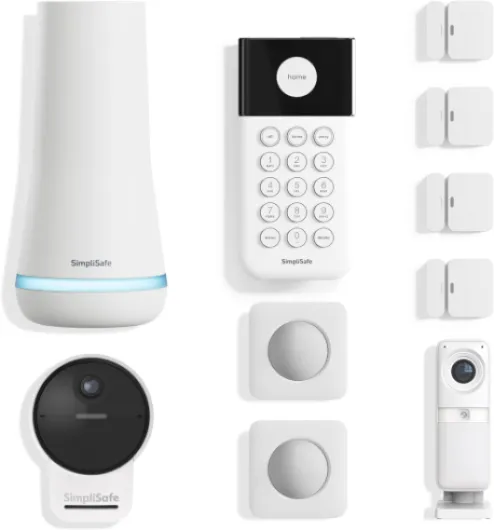
- + Easy to Install with no professional help needed
- + Flexible Monitoring Options including 24/7 professional monitoring
- + No Contract Required for users
- + Voice Control Compatible with Alexa and Google Assistant
- + Includes Outdoor Camera for enhanced security
Integrating wired alarms with home security cameras
How Wired Alarms and Security Cameras Work Together
Integrating wired intruder alarms with home security cameras can significantly improve your home’s protection. When both systems are connected, you get a more complete view of what’s happening around your property. The alarm system detects unauthorized entry using sensors and detectors, while cameras provide real-time video monitoring and evidence.
Benefits of Combining Wired Alarms and Cameras
- Enhanced Monitoring: When a wired alarm is triggered, cameras can start recording automatically, capturing crucial footage for review or evidence.
- Centralized Control: Many modern security systems allow you to manage both alarms and cameras from a single control panel or keypad, making it easier to monitor and control your entire system.
- Alarm Verification: Video feeds help verify if an alarm event is a real threat or a false alarm, reducing unnecessary alarm monitoring responses.
- Professional Integration: Brands like Honeywell Vista, ADT, and Lorex offer kits and systems designed for seamless integration between wired alarms and cameras.
Integration Options and Considerations
- Wired vs. Wireless: Wired cameras and alarms are reliable and less prone to interference, but installation can be more complex. Wireless security systems offer easier DIY setup but may require more maintenance and battery changes.
- Compatibility: Check if your alarm panel or control panel supports camera integration. Some systems, like Honeywell Vista alarm kits, are designed for compatibility with both wired and wireless sensors and video devices.
- Remote Access: Many systems now offer remote monitoring through mobile apps, letting you view live video and control your alarm system from anywhere.
Practical Tips for Homeowners
- Choose a security system that supports both alarm and camera integration for streamlined control.
- Plan camera placement to cover entry points monitored by your alarm sensors and detectors.
- Consider professional installation for wired security systems to ensure proper wiring and connectivity between the alarm and camera components.
- Regularly test both your alarm system and cameras to ensure all parts are working together as intended.
Maintenance and troubleshooting tips for wired alarms
Routine Checks for Reliable Performance
Regular maintenance is essential to keep your wired alarm system and home security cameras working effectively. Start by inspecting all sensors, detectors, and control panels for dust, debris, or signs of wear. Clean camera lenses and ensure that the video feed is clear. Test the alarm panel, keypad, and each sensor—both wired and wireless—at least once a month to confirm proper operation. Many systems, including popular brands like Honeywell Vista and ADT, offer built-in test modes to help with this process.
Addressing Common Issues
- False Alarms: Check for loose wiring or faulty detectors. Sometimes, environmental factors like pets or drafts can trigger sensors. Adjust sensitivity settings if your system allows.
- Loss of Power: Wired security systems rely on a stable power supply. Ensure backup batteries in your alarm control panel are charged and replace them every few years. If you notice frequent power issues, consult a professional.
- Camera Connectivity: For integrated video monitoring, verify that all camera cables are secure and undamaged. If your system includes both wired and wireless cameras, ensure your network is stable and that wireless cameras are within range of your router.
- Keypad or Control Panel Errors: If your keypad displays error codes, refer to your system manual. For Honeywell Vista or similar alarm kits, error codes often indicate which sensor or zone needs attention.
When to Seek Professional Help
While many DIY alarm kits and systems are designed for user-friendly troubleshooting, some issues—like persistent faults in the alarm panel or complex wiring problems—may require a certified technician. Brands such as ADT and Honeywell offer professional alarm monitoring and support services. If you experience repeated false alarms, loss of alarm monitoring, or cannot resolve a system error, it’s wise to contact your provider.
Tips for Long-Term Reliability
- Update your security system firmware when prompted by the manufacturer.
- Label all sensors and detectors for easier identification during troubleshooting.
- Keep a log of maintenance activities and any issues encountered.
- Test your fire alarm and other integrated detectors regularly.
Maintaining your wired alarm and security cameras ensures your home remains protected, whether you use a comprehensive alarm kit, a DIY system, or a professionally installed solution. Consistent care helps prevent unexpected failures and keeps your monitoring and control panels operating smoothly.