
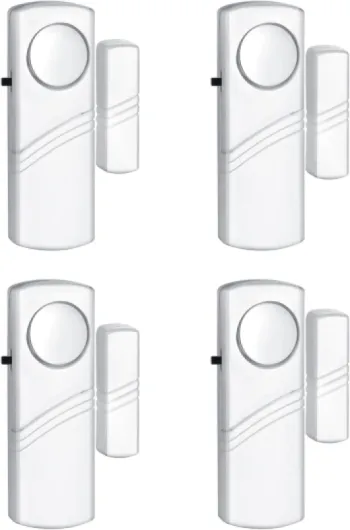
Understanding the basics of wireless door alarm sensors
What Makes Wireless Door Alarm Sensors Unique?
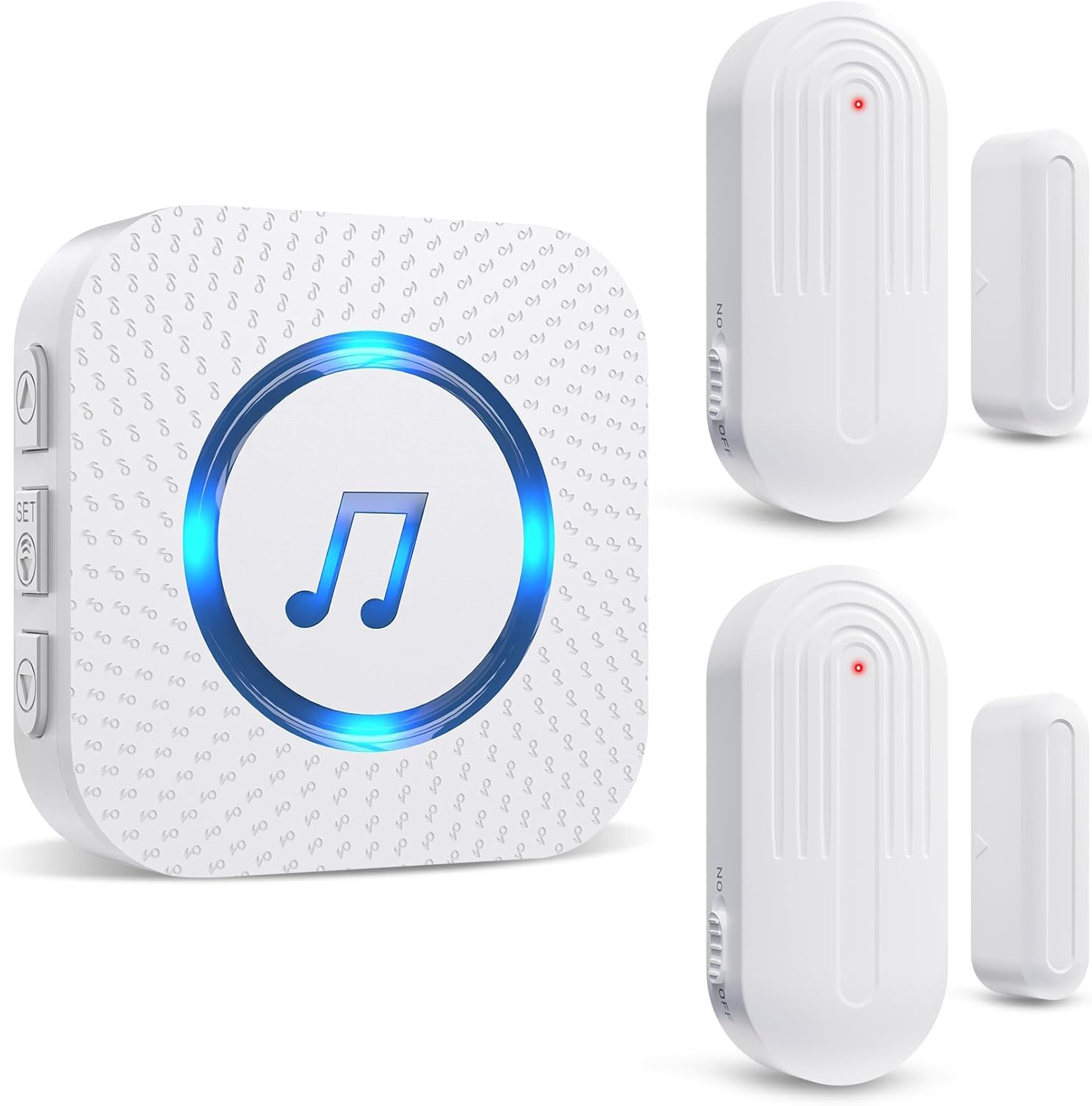
Wireless door alarm sensors are a key component in modern home security systems. Unlike traditional wired sensors, these devices use wireless technology—often wifi or proprietary radio frequencies—to communicate with your security hub or app. This means you can install them on any door or window without worrying about running wires through your walls. Many certified products are designed for easy integration with smart home systems, making them compatible with a wide range of hubs and apps.
How Do Door and Window Sensors Work?
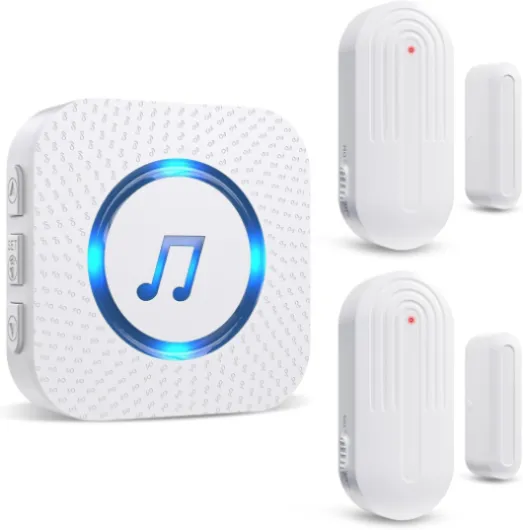
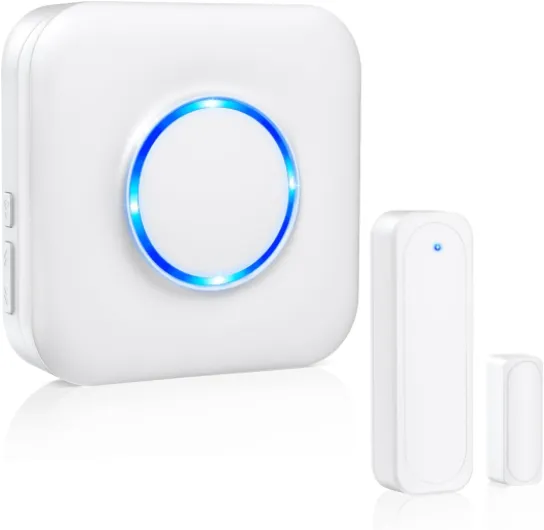
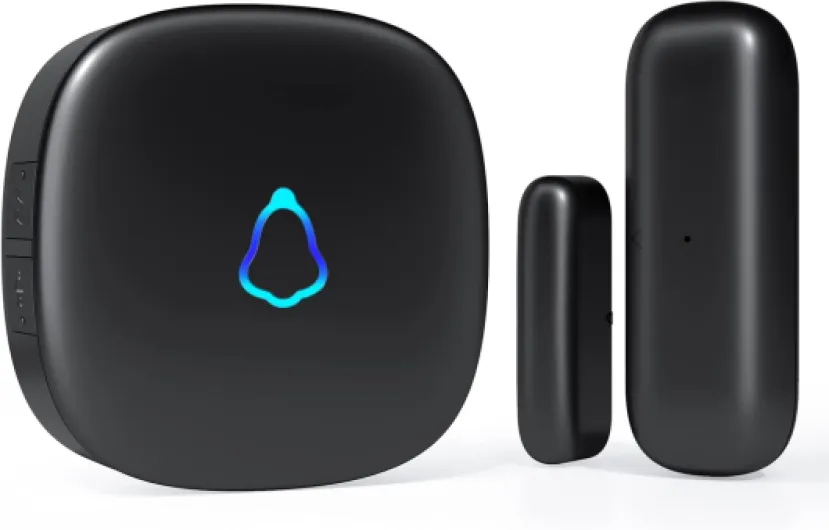
Most wireless door and window sensors operate using a simple contact mechanism. The sensor is placed on the door or window frame, while a magnet is attached to the moving part. When the door or window opens, the contact is broken, triggering the alarm. Some advanced sensors honeywell and other brands offer additional features, such as tamper alerts or integration with other smart security products.
- Door sensors are typically used on entry doors, garage doors, or even interior doors for added security.
- Window sensors help secure vulnerable entry points, especially on ground-level windows.
- Contact sensors can be used on both doors and windows, offering flexibility in placement.
Key Features to Look For
When shopping for a wireless door alarm sensor, consider the following:
- Battery life: Longer battery life means less maintenance.
- Compatibility: Make sure the sensor is compatible with your existing security system or hub required for your setup.
- Smart features: Some sensors offer wifi smart connectivity, allowing you to receive alerts on your phone via an app.
- Certified products: Look for certified products to ensure reliability and security.
- Price: Compare price honeywell and other brands to find the best value for your needs.
Wireless door and window sensors are available in a wide range of products, from basic models to advanced smart sensors. For a deeper understanding of how these sensors fit into a complete security system, you might find this guide to analog CCTV cameras helpful, as it explains the broader context of home security solutions.

Key benefits of using wireless door alarm sensors
Why Homeowners Choose Wireless Door Alarm Sensors
Wireless door alarm sensors have become a popular choice for homeowners looking to strengthen their security system. These sensors are designed to detect when a door or window is opened, sending instant alerts to your phone or hub. The technology behind these products is advancing rapidly, making them more reliable, affordable, and easy to use than ever before.
- Easy Installation: Wireless sensors do not require complicated wiring, so you can install them on any door or window without professional help. This flexibility is especially useful for renters or those who move frequently.
- Remote Monitoring: Most modern sensors connect to a wifi smart hub or app, allowing you to monitor your home from anywhere. Whether you’re at work or on vacation, you can check the status of every door and window sensor in real time.
- Integration with Security Systems: These sensors are compatible with a wide range of security systems, including certified products from brands like Honeywell. Some models work seamlessly with other smart devices, creating a comprehensive security network.
- Battery Life: Wireless door and window sensors are designed for long battery life, reducing the need for frequent maintenance. Many products will alert you through the app when battery replacement is needed.
- Flexible Placement: Since no hub is required for some models, you can place sensors wherever you need them most—on any door, window, or even a garage entry.
- Affordability: The price of wireless sensors has dropped as the technology has matured. You can shop for a range of products to fit your budget, from basic contact sensors to advanced models with extra features.
Comparing Features and Options
When looking at wireless door alarm sensors, it’s important to compare features and certified products. Some sensors honeywell models offer advanced integration with existing security systems, while others focus on ease of use and app compatibility. Always check if a hub is required for your chosen product, and review the list of compatible devices to ensure seamless operation.
| Feature | Benefit |
|---|---|
| Contact sensor technology | Reliable detection of door or window opening |
| Wifi smart connectivity | Remote alerts and control via app |
| Certified products | Peace of mind with tested and approved devices |
| Long battery life | Less frequent maintenance |
| Compatibility with security systems | Easy integration with your existing setup |
For a deeper dive into how wireless cameras and monitors can further enhance your home’s protection, check out this guide on enhancing home security with wireless cameras and monitors.
How wireless door alarm sensors work with home security cameras
Integrating Door and Window Sensors with Security Cameras
Combining wireless door alarm sensors with home security cameras creates a more robust security system. When a door or window sensor detects movement or a breach, it can trigger your security cameras to start recording or send an instant alert to your phone via a wifi smart app. This real-time response helps you verify threats quickly and take action if needed.
- Seamless Connectivity: Many modern sensors, including certified products from brands like Honeywell, are compatible with popular security systems and hubs. This means you can connect your wireless door and window sensors directly to your existing wifi security cameras, creating a unified system.
- Smart Automation: With the right hub required, you can set up automation rules. For example, if a contact sensor on a window is triggered, your security cameras can automatically pan to the area or send a notification to your app.
- Enhanced Monitoring: By linking sensors and cameras, you get a clear list of events. If a sensor wireless device is activated, you can review the corresponding footage, making it easier to spot false alarms or real intrusions.
It’s important to check the compatibility of your chosen products. Some sensors honeywell models, for instance, work best with specific security systems or require a dedicated hub. Always verify if the door window sensors you shop for will integrate smoothly with your camera system and app.
Battery life is another key factor. Wireless door and window sensors typically run on batteries, so regular checks and maintenance are essential to ensure your security system remains reliable.
For a practical guide on integrating sensors with security cameras, including product recommendations and setup tips, you can read this practical guide for home security.
Choosing the right wireless door alarm sensor for your needs
Factors to Consider Before Buying
When looking for a wireless door alarm sensor, it’s important to match the product to your specific security needs. Not all sensors are the same, and the right choice depends on your home layout, the type of doors and windows you have, and your existing security system. Here are some key points to keep in mind:
- Compatibility: Make sure the sensor is compatible with your current security system or hub. Some products, like Honeywell wireless sensors, work best with their own systems, while others are designed for broader compatibility with wifi smart hubs or apps.
- Type of Sensor: Decide if you need a contact sensor for doors, a window sensor, or a sensor that can handle both. Some sensors are designed specifically for window door setups, while others are more versatile.
- Wireless Connectivity: Check if the sensor uses wifi, Zigbee, or Z-Wave. Wifi smart sensors are easy to set up but may require a strong network. Some systems need a hub, so confirm if a hub is required for your chosen product.
- Battery Life: Look for sensors with long battery life to reduce maintenance. Some certified products offer up to two years of battery life, which is ideal for hard-to-reach windows or doors.
- App Integration: Many modern sensors come with an app for real-time alerts and remote monitoring. Make sure the app is user-friendly and supports the features you need.
- Price and Value: Compare the price of different sensors and check for features that justify the cost. For example, Honeywell wireless sensors may be priced higher but offer robust security and reliability.
- Certified Products: Choose certified products for better reliability and support. Look for sensors honeywell, or other reputable brands, that meet industry standards.
Popular Wireless Door and Window Sensors
| Product | Type | Connectivity | Battery Life | Price | Hub Required |
|---|---|---|---|---|---|
| Honeywell Wireless Door/Window Sensor | Door/Window | Proprietary RF | Up to 2 years | Mid-High | No (if using Honeywell system) |
| Generic Wifi Smart Sensor | Door/Window | Wifi | 1 year | Low-Mid | No |
| Zigbee Contact Sensor | Door/Window | Zigbee | Up to 2 years | Mid | Yes |
Where to Shop and What to Look For
When you shop for a wireless door alarm sensor, check the product list for certified products and read user reviews. Look for details about installation, battery life, and app features. If you have a window or door that’s far from your wifi router, consider a sensor with strong wireless range or one that works with a dedicated hub. Always confirm if the system is expandable with additional sensors for future needs.
Installation tips and common mistakes to avoid
Practical steps for installing wireless door and window sensors
Setting up a wireless door alarm sensor or window sensor can be straightforward, but there are some important steps and common pitfalls to consider. Whether you’re adding a sensor to your security system or upgrading to smart, wifi-enabled products, following best practices ensures your home stays protected and your investment lasts.
- Read the product manual: Each sensor wireless product, whether from Honeywell or another certified brand, may have unique installation requirements. Always start by reviewing the manufacturer’s instructions.
- Choose the right location: Place the door sensor or window sensor on the frame, ensuring the contact sensor aligns properly with the magnet when the door or window is closed. Misalignment can cause false alarms or missed triggers.
- Clean the surface: Before attaching the sensor, clean the door or window frame to ensure strong adhesion. Dust or moisture can weaken the adhesive strip, causing the sensor to fall off over time.
- Test before final placement: Temporarily position the sensor and test it with your security system or hub. Make sure the alarm triggers as expected before securing it permanently.
- Check compatibility: If you’re integrating with a wifi smart hub or app, verify that your sensor is compatible with your existing security systems. Some products, like Honeywell wireless sensors, may require a specific hub or app for full functionality.
- Mind the battery life: Install sensors where you can easily access them for battery replacement. Some sensors offer long battery life, but regular checks are still important for reliable security.
Common mistakes to avoid during installation
- Ignoring hub requirements: Some wireless door and window sensors need a hub to connect with your security system. Not all products are standalone, so check if a hub is required before you shop.
- Overlooking certified products: Using non-certified sensors can lead to compatibility issues or unreliable performance. Stick to certified products from reputable brands like Honeywell for peace of mind.
- Improper placement: Avoid placing sensors too far from the main system or wifi hub, as this can cause connection drops. Check the recommended range in the product manual.
- Skipping regular tests: After installation, periodically test each sensor window or door alarm to ensure they’re still working. This is especially important after changing batteries or moving sensors.
- Neglecting app setup: For smart sensors, don’t forget to complete the app setup. This allows you to receive real-time alerts and manage your security system remotely.
Taking the time to install your wireless door and window sensors correctly helps you get the most from your security system. Careful attention to detail during setup can prevent common issues and ensure your home stays secure.
Maintaining and troubleshooting your wireless door alarm sensor
Regular checks to ensure reliable performance
To keep your wireless door alarm sensor and window sensors working smoothly, regular maintenance is essential. Start by checking the battery life of each sensor wireless device. Most smart security systems or wifi smart sensors will alert you via their app when battery levels are low, but it’s a good habit to inspect them every few months. Replace batteries with certified products to avoid compatibility issues, especially with brands like Honeywell wireless or other popular products.
Cleaning and physical inspection
Dirt and dust can affect the contact sensor or window sensor performance. Gently clean the sensor window and the area around the door or window where the sensor is installed. Ensure the contact points are free from debris. If your alarm sensor uses adhesive, check that it’s still firmly attached. For screw-mounted sensors, make sure all screws are tight.
Testing connectivity and compatibility
Wireless sensors rely on a stable wifi or hub connection. Test your security system regularly by opening and closing each door and window to confirm the alarm triggers as expected. If your system uses a hub required for operation, make sure it’s placed centrally to maintain strong connections with all sensors. Some products, like sensors Honeywell, may require specific hubs or apps for full compatibility.
Troubleshooting common issues
- Sensor not responding: Check the battery and replace if needed. Ensure the sensor is within range of your wifi or hub.
- False alarms: Inspect for misalignment between the sensor and magnet, or interference from metal doors or window frames.
- App not receiving alerts: Confirm your wifi smart system is online and that the app is updated. Reconnect the sensor to the app if necessary.
When to seek professional help
If you’ve tried the above steps and your wireless door or window sensors still aren’t working, it may be time to contact the product manufacturer or shop for support. Some security systems offer certified products with extended warranties or customer service for troubleshooting. Always use compatible replacement parts to maintain your system’s reliability and security.
Keeping track of your sensors
Maintain a list of all installed sensors, including their locations and installation dates. This helps when checking warranty status, comparing price honeywell options, or expanding your system with additional products. Regularly updating this list ensures you stay organized and your home remains protected.