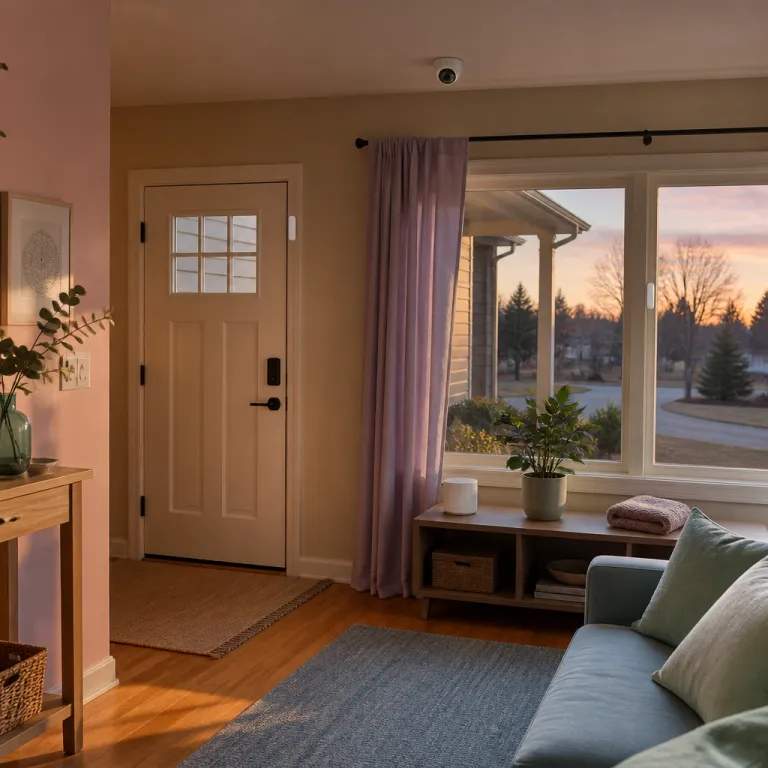

Why door and window alarms matter alongside indoor cameras
Indoor security cameras show you what happens inside your home, but door and window alarms tell you the exact moment someone tries to get in. A well chosen door alarm or window alarm creates a precise alert the instant a door or window contact separates, giving you time to react before an intruder reaches your valuables. When you combine alarms with cameras, you turn passive recording into an active home security system that protects real homes and apartments instead of just collecting footage.
Most break ins still start with a forced door or an opened window, so treating every exterior door and ground floor window as a monitored entry point is essential. The FBI’s Uniform Crime Reporting data has long shown that doors are the most common entry route in residential burglaries, with windows close behind. Simple wireless door and window alarms use magnetic sensors that trigger a chime or loud siren when the circuit breaks, and the best devices also send a push notification to your phone. This instant alert lets you check your indoor camera feed, verify whether a family member just opened window panels for fresh air, or whether a stranger is testing your doors and windows for weaknesses.
For people comparing products on Amazon or in local stores, the choice often comes down to alarm range, battery life, and ease of installation. Compact multi sensor alarm packs can cover several window and door frames in one purchase, which is ideal for renters who cannot drill or rewire. These small alarms are not a replacement for a fully monitored security system, but they dramatically raise the effort and noise required for any intruder to pass through a door or window unnoticed. In practice, even a basic 90–120 dB alarm can be enough to send an opportunistic burglar running while your indoor camera records clear evidence.
How to pair indoor cameras with door and window alarms
The most effective home setups treat indoor security cameras and door and window alarms as one coordinated system. When a door alarm or window alarm triggers, you immediately open your camera app and check the live view near that specific entry zone. This pairing turns a simple alarm chime into actionable information, because you can see whether the alert is a false alarm or a real threat.
Place an indoor camera so it covers the main security door and the adjacent window, then mount wireless alarms directly on the frames. If you already use a peel and stick indoor camera such as the model reviewed in this 2K window security camera test, you can mirror that easy installation style with adhesive alarm sensors. Matching the camera’s field of view to the alarm range means that every time the sensors trigger, the relevant footage is already framed and ready for review.
Many people build a simple list of entry points and then assign both a camera and an alarm pack to each one. For example, one pack of compact alarms can protect a balcony window and door while a single indoor camera watches the living room and hallway. This layered approach ensures that even low battery warnings on one product do not leave your home or apartment completely exposed, because another device still provides a second layer of security. A quick routine—hear the chime, glance at the live view, decide whether to ignore, speak through two way audio, or call for help—turns technology into a clear response plan.
Choosing the right alarm products for different rooms
Not every room needs the same type of alarm or the same style of indoor camera. Bedrooms and children’s rooms often benefit from quieter chime modes that send a security alert to your phone without waking everyone, while living room doors and windows may justify a louder siren. When you select door alarms and window alarms, think about who uses each entry point daily and how often you want to hear that alarm sound.
Pan tilt indoor cameras, such as the model reviewed in this indoor pan tilt camera test, can track movement across several doors and windows in open plan spaces. In those cases, a compact wireless door alarm on each security door and a matching window alarm on nearby glass panels give the camera clear triggers to follow. When the alarm products detect a contact break, you can rotate the camera toward that specific area and capture a clear image of whoever just entered.
For storage rooms or home offices, a more discreet alarm pack with easy installation and a moderate alarm range may be ideal. These products can protect sensitive documents or expensive electronics without drawing attention from visitors, while your indoor camera quietly records any unauthorized access. By tailoring each alarm and camera combination to the room’s purpose, you avoid over reacting to every opened window event while still maintaining strong overall security. A simple rule of thumb is loud and obvious for exterior doors, subtle and notification focused for interior spaces.
What to look for when buying door and window alarms online
Shopping for door and window alarms on Amazon or other marketplaces can feel overwhelming because the list of brands and products is long. Focus first on build quality, alarm range, and battery performance, then compare how each product handles low battery alerts and mounting options. A reliable alarm should trigger consistently when a door or window opens, but it should also warn you clearly when the battery needs replacement.
Many popular brands offer wireless alarm pack bundles that include several sensors and one shared alarm chime unit. These packs are ideal for small homes and apartments where one loud chime can cover multiple doors and windows without complicated installation. Look for clear information about shipping rates and whether the seller offers free shipping or shipping free thresholds, because these details affect the real cost of each alarm pack. Consumer tests from organizations such as Consumer Reports often highlight that alarms with 6–12 month battery life and at least 100 dB volume perform best in everyday use.
Some listings highlight features such as easy installation, adhesive mounts, and compatibility with specific smart home hubs. Others emphasize that the product is a stand alone security alarm with no subscription fees, which can be attractive if you already rely on indoor cameras for video evidence. When you read reviews, pay attention to comments about alarm volume, durability of the window and door adhesive, and how often users report low battery issues in everyday use. A short user story—such as a reviewer describing how a balcony door alarm scared off a late night intruder—often reveals more about real performance than a long feature list.
Integrating alarms into rental homes and apartments
Renters often assume they cannot improve security because they are not allowed to drill into a security door or window frame. In reality, many wireless door alarms and window alarms use peel and stick mounts that leave no marks, making them ideal for homes and apartments with strict lease rules. These products pair naturally with compact indoor cameras, which also rely on adhesive mounts or shelves instead of permanent installation.
When you cannot modify the building, focus on portable products that move with you, such as battery powered alarms and plug in cameras. A practical strategy is outlined in this renter’s front door monitoring guide, which shows how to monitor a door or window area without altering the structure. By following similar principles, you can place an alarm pack on every main door and window, then position cameras to capture anyone who triggers those alarms.
Because renters move more often, they should pay close attention to shipping rates, free shipping offers, and the total cost of multiple products. Choosing compact alarms with easy installation means you can remove each alarm chime unit and sensor in minutes when you relocate. This portability ensures that your investment in door and window alarms and indoor cameras continues to protect you in the next property, rather than staying behind on someone else’s doors and windows. A simple moving checklist—remove sensors, label them by room, pack spare batteries with the alarm pack—keeps your system ready for fast reinstallation.
Managing power, maintenance, and long term reliability
Even the best door and window alarms lose effectiveness if you ignore low battery warnings or physical wear. Make a simple maintenance list that includes testing each alarm chime monthly, checking alarm range from different parts of the home, and inspecting the adhesive on every window and door sensor. Regular checks ensure that a security alert from your alarm products always reflects real activity at an entry point rather than a failing device.
Battery powered alarms are easy to install and move, but they require discipline to maintain, especially when several products protect multiple doors and windows. Keep spare batteries near your indoor camera equipment, and replace them as soon as any security alarm reports a low battery status. Some brands include a visual LED alert or a brief chime pattern when power drops, so learn these signals and train everyone in the household to report them.
For long term reliability, consider mixing different brands and models so that a single product recall or defect does not affect every security door in your property. A combination of compact wireless alarms, a robust alarm pack for main entrances, and a few specialized window alarms near vulnerable opened window points creates redundancy. This layered approach means that even if one alarm fails or you accidentally skip maintenance on a single sensor, other alarms and your indoor cameras still provide meaningful protection. A quick quarterly review of sensor placement, battery dates, and camera angles keeps the whole system aligned with how you actually use the space.
Key figures on indoor security and entry point protection
- Industry and insurer reports consistently note that many residential burglaries begin with a forced door, which underlines the value of placing a security alarm and indoor camera near every primary entrance.
- Police and crime prevention agencies frequently highlight that a visible alarm chime unit or camera at the main door can discourage attempted break ins, because intruders prefer unprotected doors and windows.
- Consumer testing organizations report that wireless alarms with clear low battery alerts are used correctly for longer periods, while silent failures often leave homes and apartments unprotected for weeks.
- Market analyses of smart home products show steady growth in compact alarm pack and indoor camera bundles, reflecting a shift from single product purchases to integrated security solutions.
- Surveys of renters reveal that easy installation and the ability to remove alarms without damage are decisive factors, which explains the popularity of adhesive window and door sensors and portable indoor cameras.
FAQ about door and window alarms with indoor cameras
Are door and window alarms still useful if I already have indoor cameras ?
Yes, because cameras record events while door and window alarms provide an immediate security alert when a door or window opens unexpectedly. The alarm sound or notification prompts you to check the live camera feed and act quickly. Without alarms, you might only notice suspicious activity after reviewing recordings later.
Where should I place indoor cameras relative to door and window alarms ?
Position each camera so it clearly sees the security door or window that the alarm protects, ideally covering both the interior space and the entry point. Avoid placing cameras directly opposite glass to reduce reflections, and test the alarm range while watching the live view. This setup ensures that every time an alarm chime sounds, the relevant footage is already framed.
Do wireless door alarms and window alarms work in rental properties ?
Wireless alarms are well suited to rental homes and apartments because they usually rely on adhesive mounts and battery power. You can install an alarm pack on several doors and windows without drilling, then remove everything cleanly when you move. This flexibility lets renters improve security without breaching lease conditions.
How often should I replace the batteries in my alarms ?
Most battery powered alarms last several months to a year, depending on usage and temperature. Check each product’s manual, but also schedule regular tests and respond immediately to any low battery warning or unusual alarm chime pattern. Keeping spare batteries on hand reduces the risk of leaving a door or window unprotected.
What features matter most when buying door and window alarms online ?
Prioritize reliable triggering, clear low battery alerts, and easy installation over cosmetic details. Check whether the alarm range suits the size of your property, and compare shipping rates, free shipping offers, and return policies before choosing between brands. Reading detailed reviews about durability and adhesive strength on window and door frames will help you avoid weak products that fail when you need them most.