Key features that define the best indoor security cameras with audio
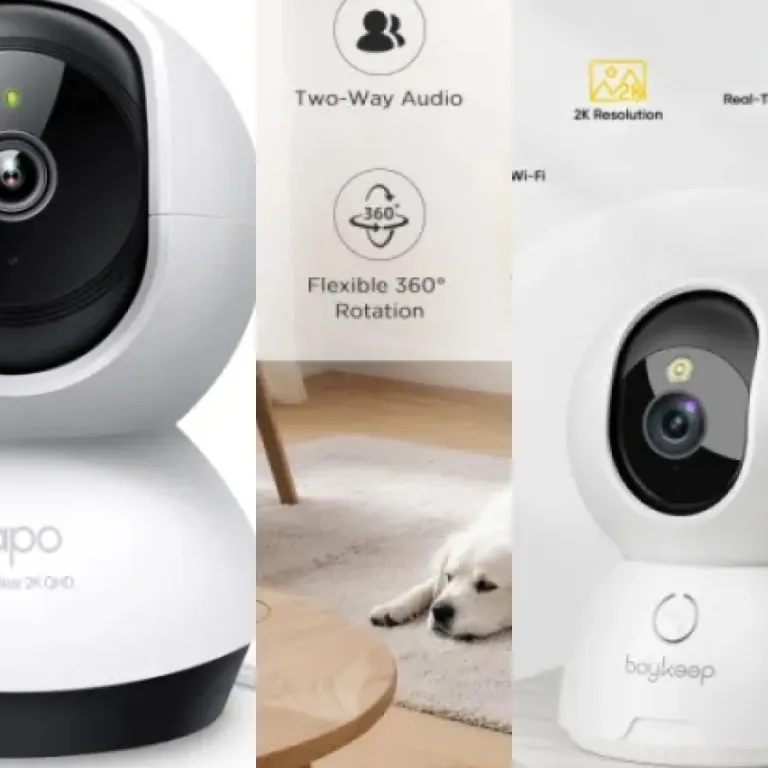
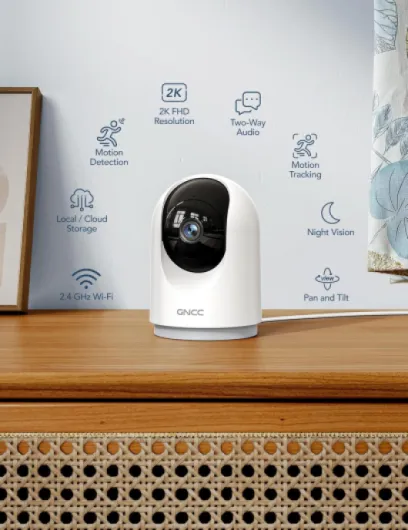
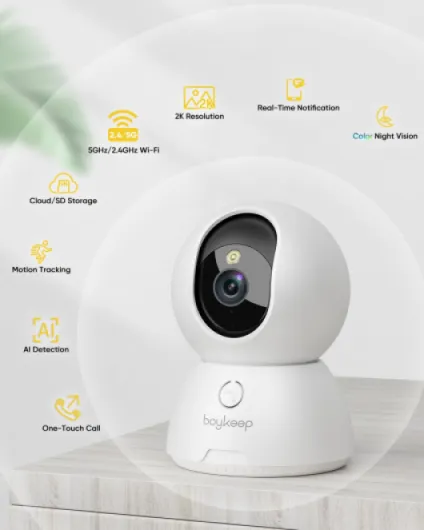
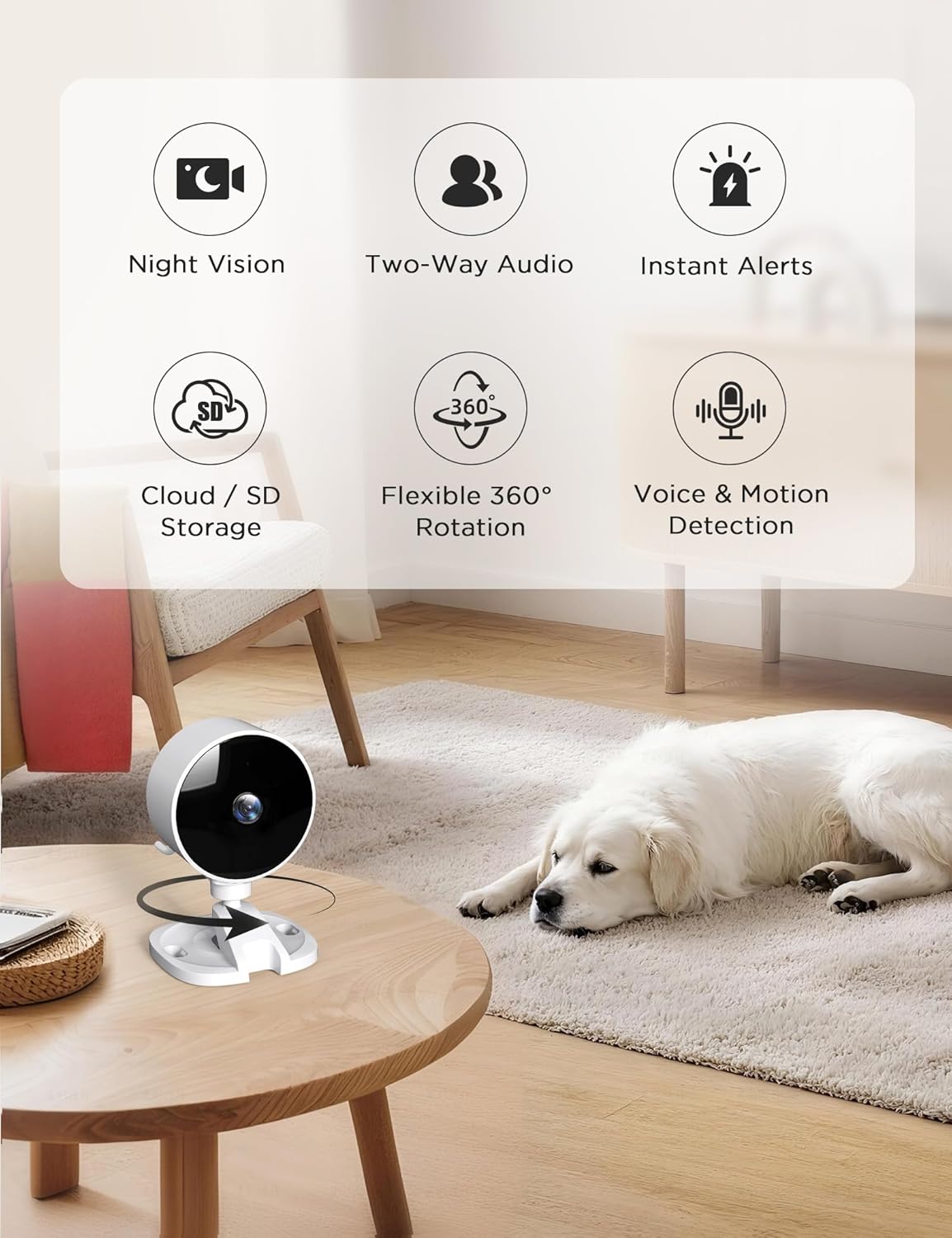
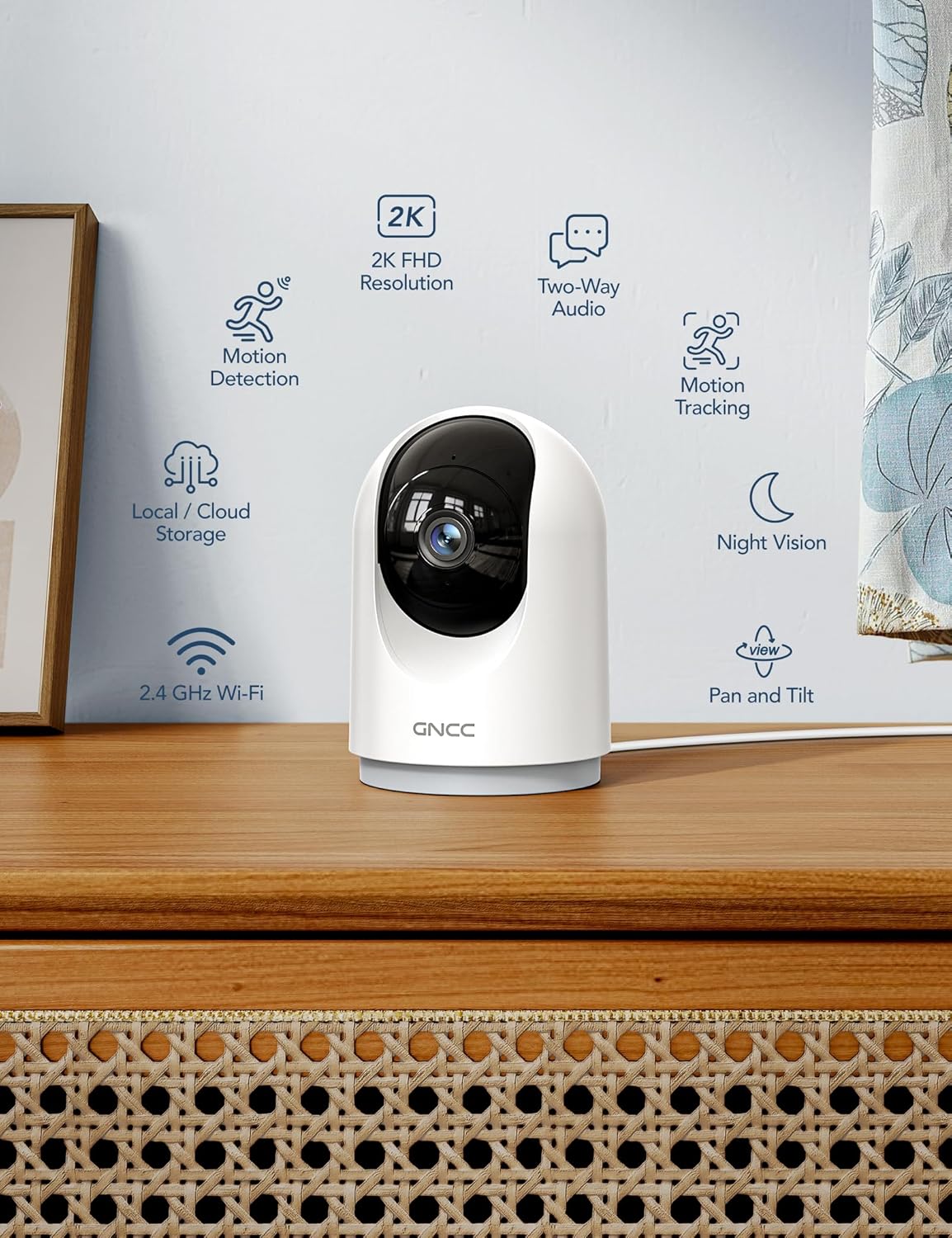
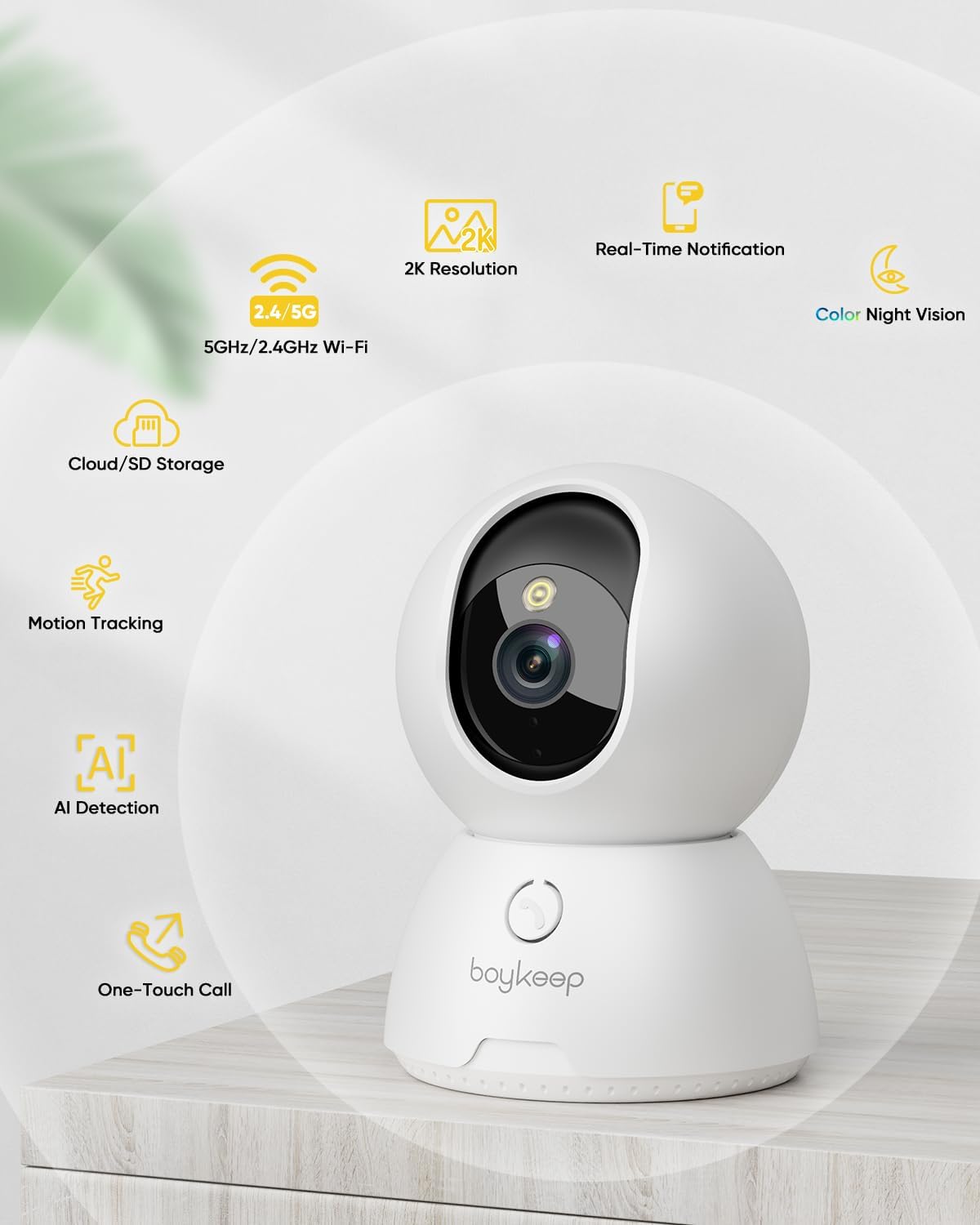
When you compare the best indoor security cameras with audio, start with image quality and lens design. A good indoor cam should offer at least 1080p video, but many smart cameras now reach 2K or higher, which makes it easier to zoom in on faces or objects without losing detail, especially in night scenes. Look for a camera with wide angle vision or a pan tilt mechanism, so one device can cover an entire room instead of forcing you to buy several cameras with overlapping views.
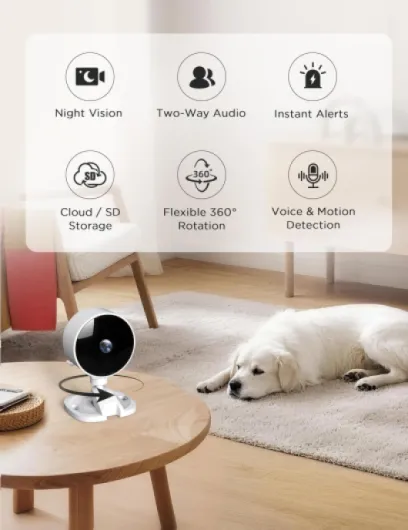
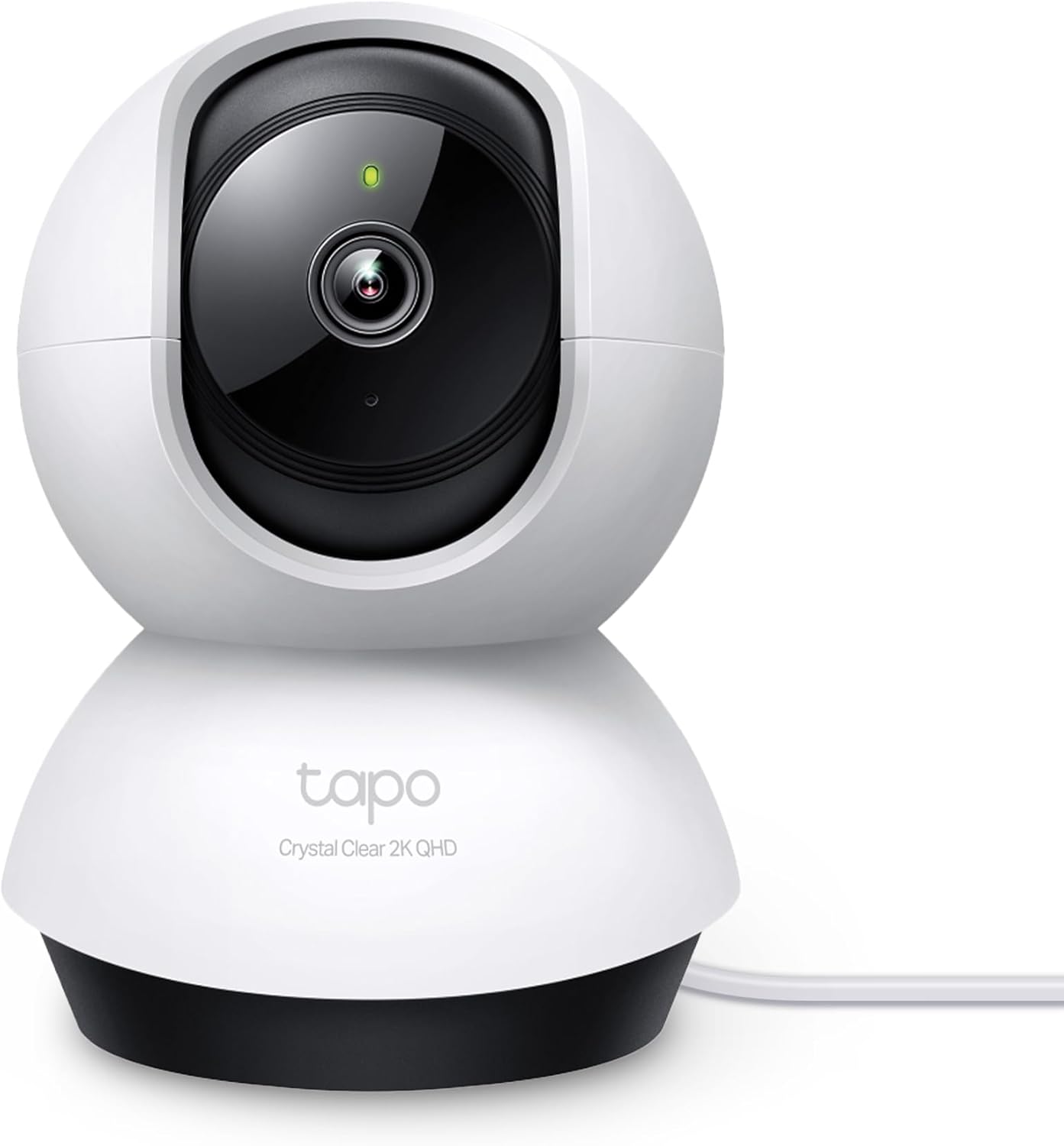
Audio performance deserves the same scrutiny as video, because a security camera with poor microphones is almost useless in a real dispute. Check whether the indoor camera supports full duplex two way audio, which allows you to talk naturally instead of in walkie talkie style bursts, and test how it handles echo in small rooms with hard floors. Many of the best indoor security cameras with audio, such as the Google Nest Cam Indoor and the latest Tapo indoor cam models, also integrate noise suppression to keep voices clear when appliances or street noise are present.
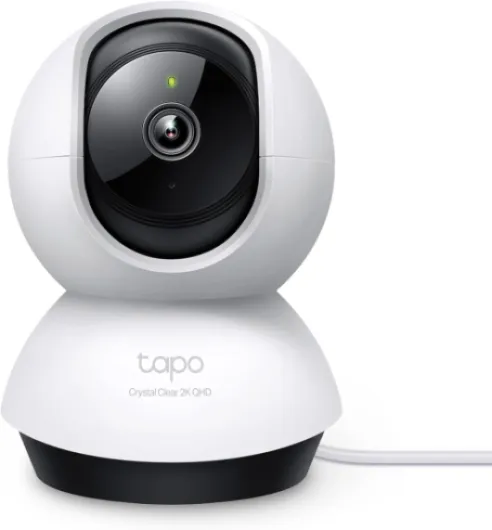
Smart features can transform a simple cam into a proactive guardian, especially when the device works with Alexa Google ecosystems or other voice assistants. A Tapo pan tilt indoor camera that works with Alexa, for example, can be moved by voice command to check on pets, while AI motion detection can distinguish between people and animals to reduce false alerts. For readers comparing options, a detailed test of a 2K pan tilt indoor camera with AI detection and night vision is available through this pan tilt indoor security camera review, which shows how smart detection and audio work together in daily use, including a sample clip where a dog bark is correctly classified as a pet event rather than a person alert.
Comparing leading brands: Tapo, Reolink, Nest Cam and more
Brand choice still matters when you invest in the best indoor security cameras with audio, because firmware support and cloud policies vary widely. Tapo indoor cameras, often sold under the TP Link Tapo label, focus on strong value for money, offering pan tilt models with 2K video, color night vision, and local storage via a microSD card slot, which reduces long term cloud costs. Reolink indoor cams, by contrast, tend to emphasize flexible recording options and generous free app features, making them attractive for users who dislike subscriptions.
The Google Nest Cam Indoor and other Nest Cam models integrate tightly with the Google Nest ecosystem, which appeals to households already using Nest thermostats, speakers, or displays. These Nest Cam indoor security cameras with audio offer polished apps and reliable cloud recording, but their price and subscription structure may be higher than some Tapo or Reolink alternatives on Amazon or other retailers. When you compare each security camera, weigh not only the purchase price but also the cost of cloud storage, because a low initial price can hide expensive monthly fees over several years.
Shoppers who prefer to buy from Amazon often benefit from free delivery and frequent discounts on indoor camera bundles, especially for Tapo, Reolink, and other popular brands. Before you commit, read how each cam indoor model handles motion detection, night vision, and integration that works with Alexa Google voice assistants, since these features shape daily convenience more than raw specifications. For readers focused on low light performance, a curated list of top indoor security cameras with night vision highlights which cameras with audio also deliver reliable color night footage and balanced infrared illumination.
| Model (example) |
Resolution |
Audio features |
Storage options |
Typical price band* |
| Tapo C210 pan tilt |
2K (3 MP) |
Two way audio, noise reduction |
microSD card, optional cloud |
Budget |
| Reolink E1 series |
Up to 4 MP |
Two way audio, app based talk |
microSD card, NVR, limited cloud |
Mid range |
| Google Nest Cam Indoor |
1080p |
High quality two way audio |
Cloud plans, limited local options |
Premium |
*Price bands are indicative only and vary by retailer and region.
Storage, privacy and the trade off between cloud and microSD cards
Every buyer of the best indoor security cameras with audio eventually faces the storage question, which affects both privacy and long term cost. Cloud storage keeps your video and audio clips off site, so a thief cannot simply steal the indoor camera and erase evidence, but it usually requires a subscription that adds up over time. Local storage on a microSD card inside the cam indoor device avoids monthly fees and keeps data physically in your home, yet it can be vulnerable if the camera is damaged or removed.
Many Tapo and Reolink indoor security cameras offer a hybrid approach, allowing continuous recording to a microSD card while sending motion detection clips to the cloud for quick access. This combination works well for people who want detailed archives of indoor security events without paying for high cloud capacity, while still having critical incidents backed up remotely. When you evaluate each security camera with audio, check whether the manufacturer encrypts both cloud and local recordings, and whether you can export video easily for police or insurance without weakening your privacy.
Smart home integration also influences privacy, especially when your camera works with Alexa or connects to Google Nest displays. A camera with audio that streams to a smart screen in your kitchen is convenient, but you should still control who can access that feed and how long voice commands are stored by the platform. For readers who want deeper technical protection, some advanced PTZ and color night vision models described in this human and vehicle tracking security camera test illustrate how encryption, two way audio, and microSD card storage can be combined, even though that particular cam is designed for outdoor use rather than indoor rooms.
Night vision, color night modes and real world indoor scenarios
Low light performance separates average indoor cameras from the best indoor security cameras with audio, especially in hallways and living rooms. Standard infrared night vision uses invisible IR LEDs to produce black and white video, which is usually enough to identify people but not always to distinguish clothing colors or small objects. Color night modes, which rely on larger sensors and sometimes a gentle white light, can capture more detail in dim scenes, but they may be less discreet if the light is noticeable.
In a typical apartment, an indoor camera with strong night vision can cover the entrance and main corridor, giving you clear video clips whenever motion detection is triggered after dark. If you choose a pan tilt cam indoor model, you can park the lens toward the door at night, then rotate it toward the living area during the day, which reduces the feeling of constant surveillance. Families with pets often appreciate cameras with audio and smart detection that can tell the difference between a cat jumping on furniture and a person entering, which cuts down on unnecessary alerts while still protecting indoor security.
For nurseries or elderly care rooms, the balance between visibility and comfort becomes more delicate, because bright color night lighting may disturb sleep. In these cases, a security camera with softer infrared night vision and clear audio can be more appropriate, letting you hear breathing patterns or coughing without flooding the room with light. When you evaluate night features on Amazon or brand websites, look for real sample clips from Tapo, Reolink, Nest Cam, and other security cameras, rather than relying only on marketing phrases like enhanced vision or ultra night, which can mean very different things between models.
How to match indoor security cameras with audio to your budget
Price is not just a number on the box when you compare the best indoor security cameras with audio, because total cost of ownership includes storage, accessories, and potential upgrades. Entry level indoor cameras from brands like Tapo often provide excellent value, combining 1080p video, two way audio, night vision, and microSD card recording at a modest price, which suits small apartments or single room monitoring. Mid range models, including some Reolink and Nest Cam indoor devices, add sharper resolution, smarter motion detection, and tighter integration that works with Alexa Google ecosystems, which can justify their higher price for busy households.
High end indoor security cameras with audio, especially those aligned with the Google Nest family, tend to focus on design, advanced AI, and polished apps, which appeal to users who want a seamless smart home experience. These cameras with premium features may offer better person detection, refined color night modes, and more reliable cloud services, but they also lock you into specific ecosystems and subscription tiers. Before you buy, list how many rooms you need to cover, whether you prefer cloud or microSD card storage, and how important voice control is, then match each security camera to that checklist instead of chasing the most expensive cam indoor model.
For many readers, a mixed setup works best, combining one feature rich indoor cam in the main living area with simpler cameras in secondary rooms, all with audio for consistent evidence. Buying during sales on Amazon or other retailers can reduce upfront price, especially when free delivery is offered on multi camera bundles that share the same app. Whatever you choose, remember that the best indoor security cameras with audio are those you actually configure, test, and review regularly, so they remain aligned with your changing routines, family needs, and evolving expectations of indoor security.
Key figures on indoor security cameras with audio
- According to a survey by Parks Associates, more than 30 % of US broadband households now own at least one security camera, and adoption is higher among homes that already use smart speakers or displays (see Parks Associates, Connected Cameras and Video Doorbells, 2022, executive summary available from the Parks Associates website).
- Research from Strategy Analytics shows that indoor security cameras with cloud storage generate recurring revenue that can exceed the original device price within three years, which makes subscription costs a critical factor in long term budgeting (Strategy Analytics, Smart Home Surveillance Camera Market Forecast, 2021, report overview published on the Strategy Analytics portal).
- Tests by independent labs such as UL and Consumer Reports indicate that cameras with two way audio and reliable motion detection can reduce false alerts by up to 40 % when AI based person detection is enabled, compared with basic pixel change detection (Consumer Reports, Security Camera Ratings & Reliability, 2023; UL IoT Security Rating program summaries, both accessible through their official sites).
- Data from major retailers suggests that models advertised with color night vision now represent a significant share of indoor camera sales, reflecting consumer demand for clearer low light video and more usable evidence in dim conditions (aggregated trends reported in retailer earnings calls and category reports from 2022–2023, with slide decks and transcripts hosted on investor relations pages).