Battery life, charging options and what they mean in daily use
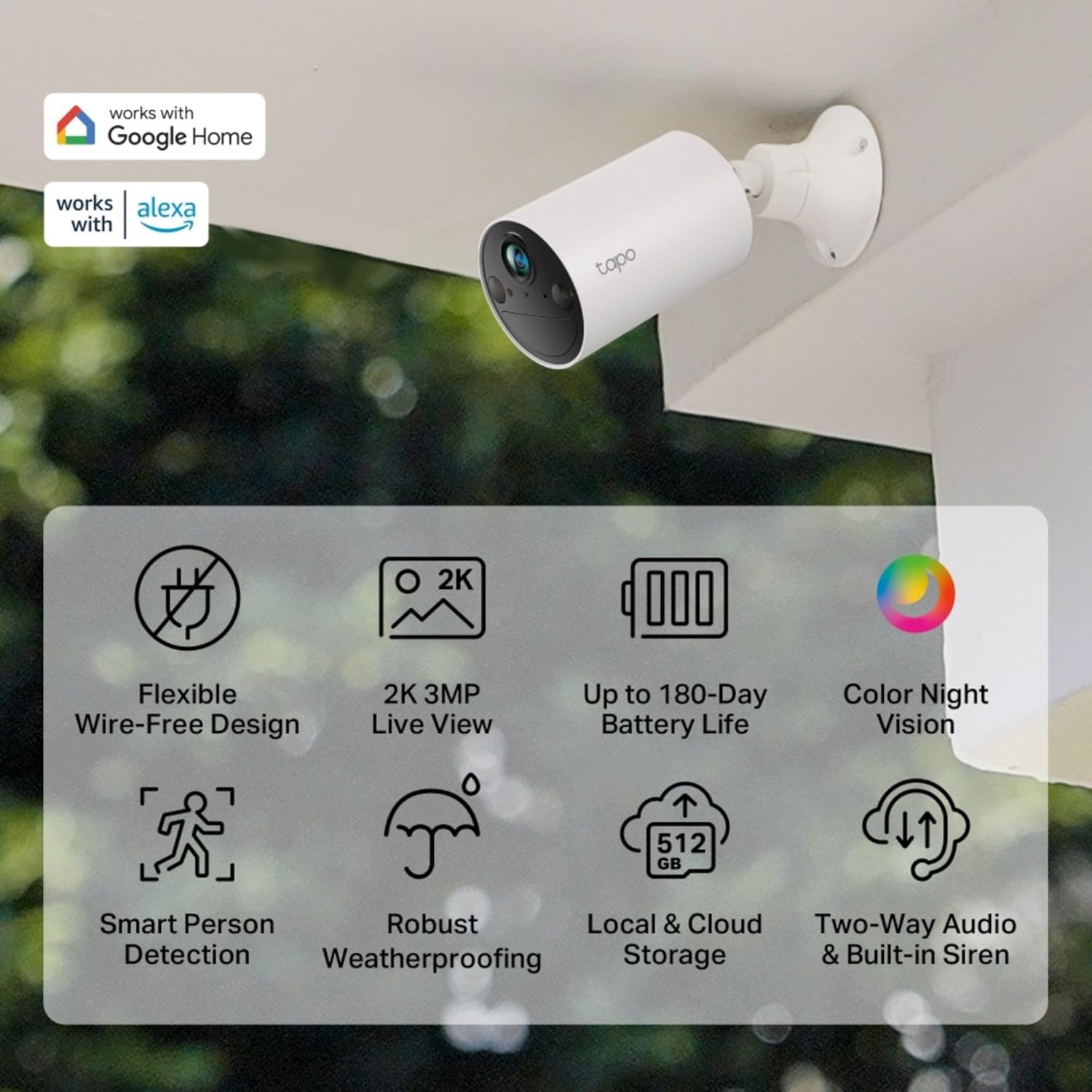
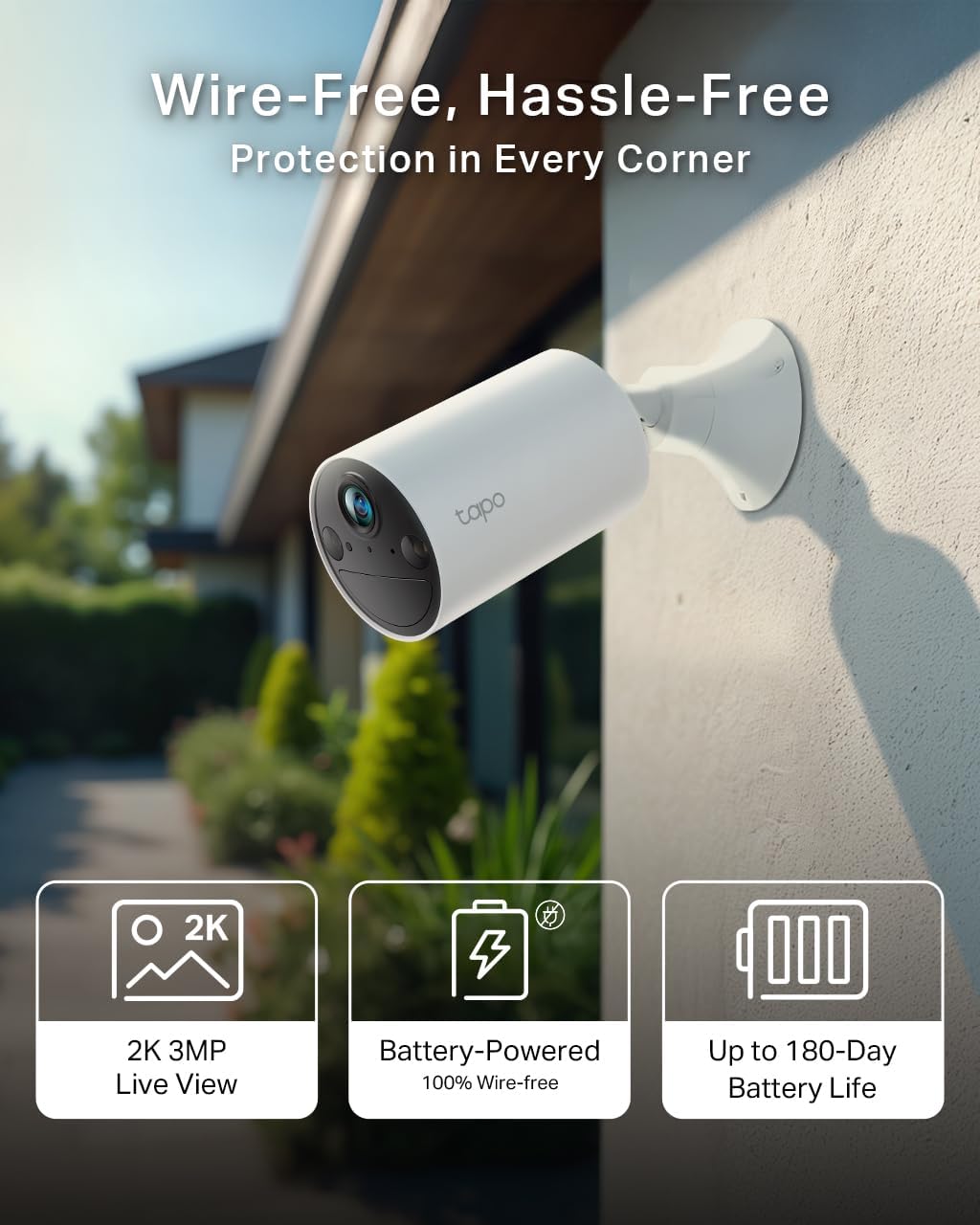
Battery life is the single most practical metric for any battery-powered outdoor cam. If you need to climb a ladder every few weeks to recharge your security camera, you will quickly stop using it. The best rechargeable security cameras balance motion detection sensitivity, video quality and wireless connectivity to stretch battery life without sacrificing security.
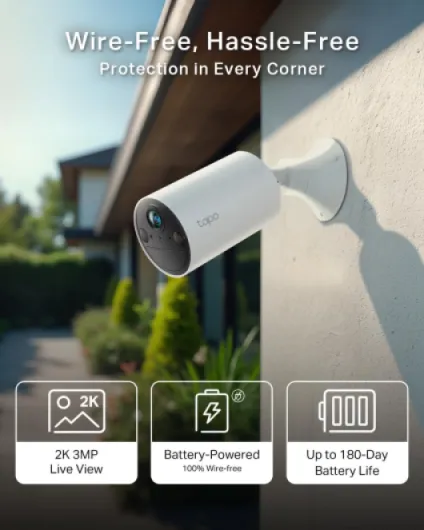
Manufacturers usually quote battery life in months, but real performance depends heavily on how busy your outdoor security area is. A camera watching a quiet garden path will record far less video than one facing a busy street, so its battery will last longer. To optimise your own cameras, start with conservative motion detection zones and then gradually widen them until you cover the essential parts of your property.
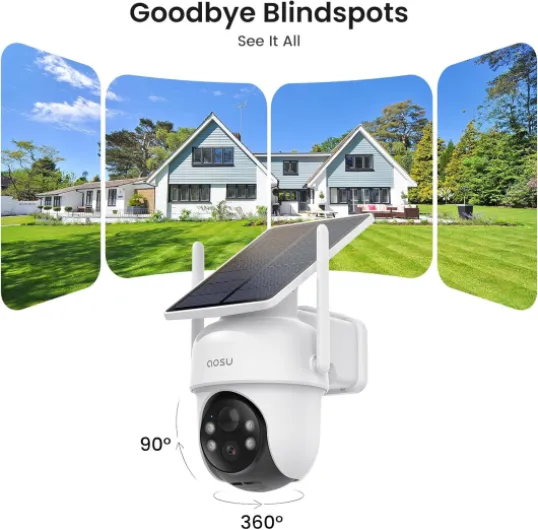
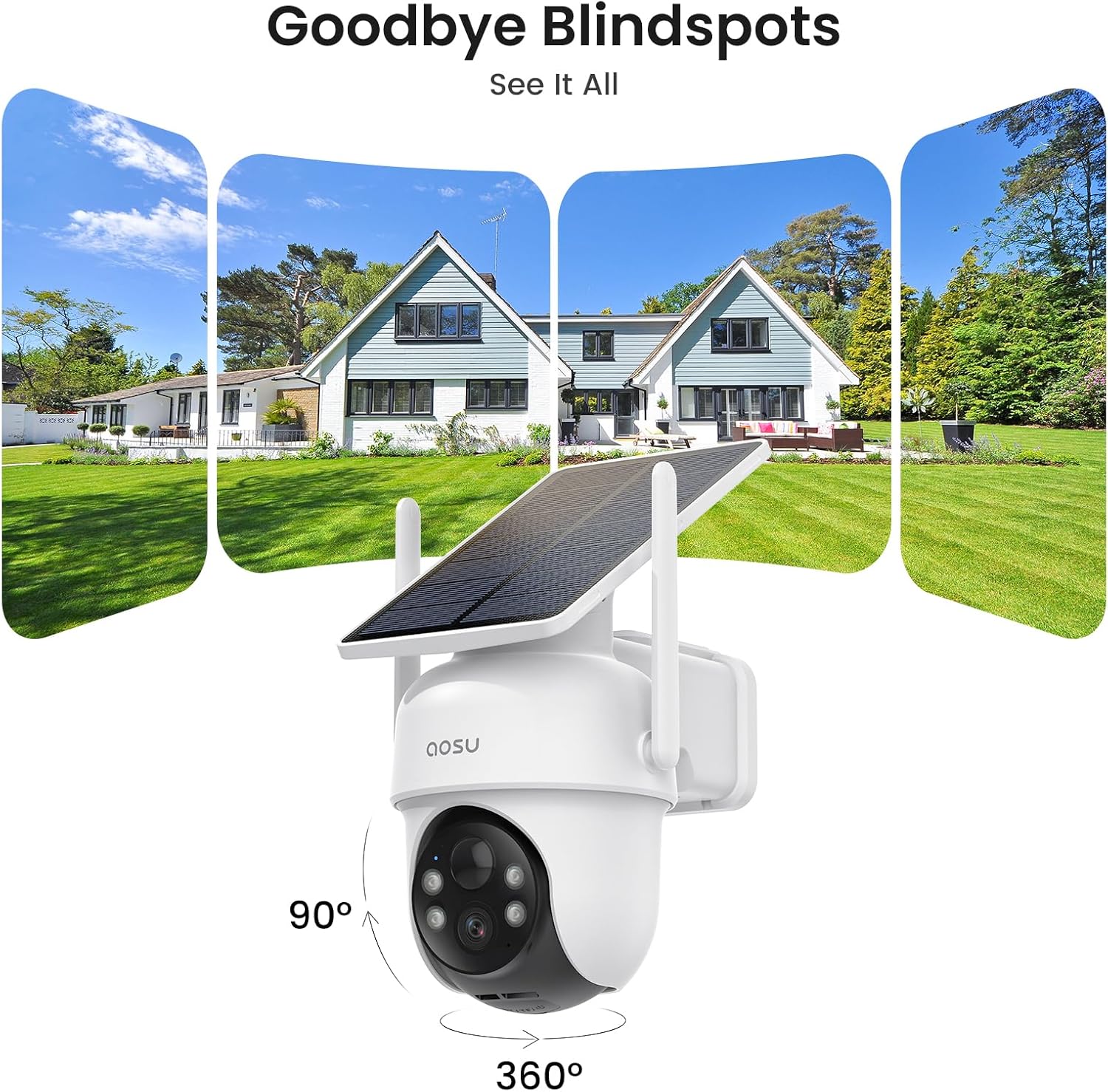
Solar panels are transforming how people think about rechargeable security cameras and free energy. A solar-compatible battery-powered cam can top up its battery every sunny day, which dramatically reduces manual charging. For a detailed example of a solar and battery combination, you can review this battery and solar outdoor wireless security camera kit that illustrates how continuous recording and colour night vision can work together.
Charging methods also influence how convenient a rechargeable security camera feels in daily life. Some wireless security cameras use removable battery packs that you swap indoors, while others require you to bring the entire cam unit to a USB charger. If you choose a model with fixed batteries, make sure the mount allows quick release so you are not fighting with screws every time you recharge.
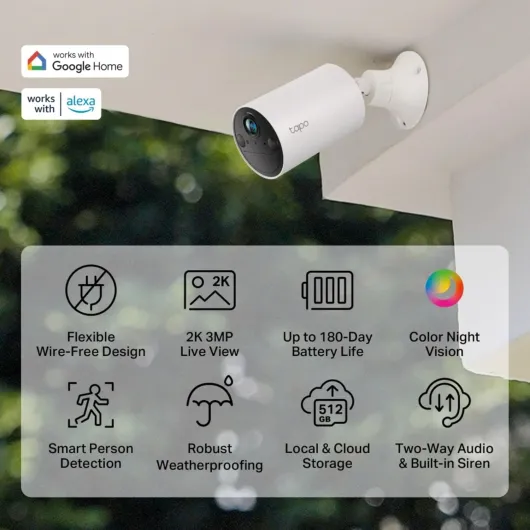
Smart home integration can indirectly improve battery life by making alerts more efficient. When a camera works with Amazon Alexa, Google Assistant or a combined Alexa Google ecosystem, you can use voice commands to check live video instead of constantly opening the app. This reduces unnecessary streaming, which is one of the biggest drains on any battery-powered security camera.
Some of the best rechargeable security cameras, such as the Arlo Essential range or the latest Nest Cam battery models, use advanced chipsets to manage power. In reviews from outlets like Wirecutter, PCMag and RTINGS, these cameras often maintain two to four months of real-world use with typical motion detection, thanks to processors that adjust frame rates, compress video efficiently and tweak night-vision brightness to preserve battery life.
Video quality, night vision and field of view for real security
Video quality is not just a marketing term when you rely on rechargeable security cameras for evidence. A higher-resolution camera sensor captures more detail in faces, licence plates and clothing, which matters when you share footage with police or neighbours. For most homes, Full HD is the minimum, while 2K or 3K video gives noticeably sharper security recordings.
Night-vision performance separates average security cameras from the best rechargeable security cameras on the market. Infrared-based night vision produces clear black-and-white images, but colour night technology uses a built-in spotlight to add colour information to the scene. This colour night capability can help you distinguish a red jacket from a dark one or identify the colour of a suspicious vehicle parked near your outdoor security gate.
Field of view and pan-tilt functions determine how much of your property a single cam can cover. A fixed-lens outdoor cam might offer a wide-angle view of your driveway, while a pan-tilt camera can rotate to follow movement across a larger area. If you want to monitor both a garden and a side path, a pan-tilt rechargeable security camera can sometimes replace two static cameras and reduce overall system cost.
Cloud storage and local storage both influence how you use high-quality video. When you choose cloud storage, your security camera uploads clips to remote servers where you can access them from any device with an internet connection. Local video storage on a microSD card or a dedicated recorder keeps your data on site, which some privacy-conscious homeowners prefer for sensitive security footage.
Smart brands such as Arlo and Nest Cam have invested heavily in image processing for rechargeable security cameras. An Arlo Essential outdoor cam, for example, can combine HDR processing with motion detection to keep moving subjects clear even in mixed lighting. Nest Cam models integrate closely with Google Assistant, allowing you to cast live video to a smart display with a simple voice command when you hear a noise outside.
For readers who want to pair high-resolution video with flexible storage, this 3K solar wireless security camera kit with flexible storage shows how modern systems avoid monthly cloud fees. Such systems often support both cloud storage and local recording, giving you a hybrid approach to video storage. When you evaluate the best rechargeable security cameras, always match video quality and storage options to how long you realistically need to keep your security recordings.
Smart features, voice assistants and automation that actually help
Smart features turn a basic rechargeable security camera into a responsive guardian for your home. Motion detection has evolved from simple pixel changes to advanced algorithms that recognise humans, vehicles and sometimes animals. This smarter motion detection reduces false alerts from rain or moving trees, which in turn preserves battery life and keeps you focused on real security events.
Integration with voice assistants such as Amazon Alexa and Google Assistant is now standard among the best rechargeable security cameras. When your security camera works with Amazon Alexa, you can say a simple command to show the front door cam on a compatible screen. In a similar way, a camera that supports Google Assistant lets you check outdoor security feeds on a Nest Hub while you cook or work.
Many rechargeable security cameras also support combined Alexa Google environments, which is useful in households that mix devices. A family might use Amazon Alexa speakers in the living room and a Google Assistant display in the kitchen, yet still want consistent access to every security camera. Before you buy, confirm that your chosen cameras support both ecosystems if you rely on this kind of mixed smart home setup.
Automation routines can link your rechargeable cameras with lighting, locks and alarms. For example, when motion detection triggers on an outdoor cam after midnight, your system can automatically switch on smart lights and start a louder recording profile. This combination of light, video and sound often deters intruders before they reach doors or windows, which is the real goal of any home security strategy.
Cloud-based apps from brands like Arlo and Nest Cam provide central control over multiple rechargeable cameras. Within a single interface, you can adjust night-vision intensity, tweak motion zones and review cloud storage clips from different parts of your property. Some platforms even offer free tiers of cloud storage, although serious users often upgrade to paid plans for longer video storage and richer analytics.
For homeowners who want more advanced automation, look for rechargeable security cameras that support routines based on geolocation. When your phone leaves a defined radius, the system can arm all outdoor security cameras and enable more sensitive motion detection. When you return, the same smart rules can reduce alerts, dim night-vision spotlights and switch the cameras into a more privacy-friendly mode while you are at home.
Installation, placement and avoiding common rechargeable camera mistakes
Installation is where many people first appreciate the advantages of the best rechargeable security cameras. Without mains power cables, you can mount a wireless security camera in places that would be impossible for a wired system. This freedom is especially valuable for renters, who often cannot drill large holes or modify external walls for traditional security cameras.
Placement, however, still requires careful planning if you want reliable security coverage. Aim each outdoor cam to capture entry points such as doors, ground-floor windows and gates, while avoiding direct views into neighbours’ private spaces. A slightly elevated angle, around 2.5 to 3 metres high, usually balances a wide field of view with enough detail for identification in both day and night-vision modes.
Weather resistance is critical for any outdoor security camera that relies on a rechargeable battery. Look for an IP rating that confirms protection against rain and dust, especially if the cam will face prevailing winds. Even the best rechargeable security cameras can fail early if water seeps into the battery compartment or corrodes the charging contacts over time.
Wi-Fi strength is another factor that many buyers underestimate when they choose wireless security cameras. A camera might offer excellent video quality and smart features, but a weak signal will cause dropouts and gaps in cloud storage recordings. Before final installation, test your cam in live-view mode and check whether the video stream remains stable when you walk around the monitored area.
When you compare models on Amazon or other retailers, pay attention to mounting hardware and adjustment options. A flexible bracket that allows both tilt and swivel makes it easier to fine-tune the camera angle after you see real-world footage. Some premium kits, such as this dual-lens wireless CCTV security camera system with monitor and PTZ, show how professional-style mounts can simplify long-term adjustments.
Finally, remember that even the best rechargeable security cameras need occasional maintenance. Clean the lens and infrared emitters regularly to preserve clear night vision, and check that spider webs or leaves are not triggering constant motion detection. A quick monthly inspection of each security camera, its battery status and its video storage health will keep your system reliable when you most need it.
Comparing leading brands and ecosystems for rechargeable security cameras
Brand ecosystems matter because your rechargeable security cameras rarely operate alone. When you choose a platform such as Arlo, Nest Cam or another major vendor, you are also choosing apps, cloud storage plans and long-term support. The best rechargeable security cameras integrate smoothly with these ecosystems, reducing friction every time you check a live feed or share a clip.
Arlo has built a strong reputation for outdoor security with its Arlo Essential and higher-end ranges. An Arlo Essential battery-powered cam typically offers robust weather sealing, sharp video and flexible mounting options for gardens and driveways. Many Arlo models support both cloud storage and local video storage via a base station, which appeals to users who want redundancy in their security recordings.
Nest Cam, developed under the Google brand, focuses heavily on smart integration and machine learning. A Nest Cam battery model works tightly with Google Assistant, allowing voice control and seamless casting of live video to Chromecast or Nest Hub devices. For households already invested in Google Assistant speakers and displays, Nest Cam rechargeable security cameras often feel like the most natural choice.
Amazon’s ecosystem, built around Amazon Alexa, also plays a major role in how people use rechargeable security cameras. Many third-party cameras advertise compatibility with Amazon Alexa, enabling simple commands such as showing the front door cam on a Fire TV. If your home already relies on Amazon Alexa for lights, plugs and routines, choosing cameras that support this voice assistant keeps your smart home coherent.
Some lesser-known brands compete aggressively on price, especially on Amazon marketplaces, but may offer weaker long-term support. When you evaluate these options, look closely at firmware update history, cloud storage policies and whether the company provides clear security documentation. A cheap rechargeable security camera that stops receiving updates can become a liability if hackers exploit unpatched vulnerabilities in its wireless security protocols.
Regardless of brand, always check how many cameras a single account or hub can support. If you plan to expand from one outdoor cam to a full set of security cameras around your property, you need an ecosystem that scales gracefully. The best rechargeable security cameras make it easy to add new devices, share access with family members and manage all your video storage from a single, secure interface.
Privacy, data protection and making sense of storage policies
Rechargeable security cameras inevitably raise questions about privacy and data protection. Every time your camera records video, that footage may include neighbours, delivery workers or passers-by who never consented to being filmed. Responsible use of the best rechargeable security cameras means configuring zones, schedules and storage so that you protect your home without over-collecting data.
Cloud storage is convenient, but it requires trust in the provider that manages your video storage. Before you subscribe, read how long the company keeps your clips, whether they use encryption and how they respond to law-enforcement requests. Some brands offer free tiers of cloud storage with limited history, while others require a paid plan from the first day, so align these policies with your expectations and budget.
Local storage, whether on a microSD card inside the cam or on a network recorder, keeps your data physically close. This approach can reduce exposure to remote breaches, but it also means you must secure the recorder itself against theft or tampering. Many homeowners choose a hybrid model, using local storage for continuous recording and cloud storage for critical motion detection events.
Smart assistants such as Amazon Alexa and Google Assistant add another layer of privacy considerations. When your security camera streams to a smart display or TV, think about who can see that feed and whether voice commands could be misused by visitors. Use strong account passwords, two-factor authentication and separate user profiles to keep control over who can access your security cameras.
Wireless security protocols also matter because rechargeable cameras rely on Wi-Fi for almost everything. Choose devices that support modern encryption standards and avoid leaving default passwords on your router or camera accounts. A compromised network can give attackers access not only to your video feeds but also to other smart devices connected through Alexa Google or similar platforms.
Finally, remember that privacy is not only a technical issue but also a social one. Talk to neighbours about your outdoor security setup, explain where your cameras point and adjust angles if they raise concerns. Transparent communication, combined with careful storage choices and strong wireless security, ensures that your use of the best rechargeable security cameras strengthens community trust rather than undermining it.
Key figures about rechargeable security cameras and home protection
- According to data from Parks Associates, more than 20% of US broadband households now own at least one security camera, and a growing share of these devices are battery-powered models that support flexible placement.
- Research from Strategy Analytics shows that smart home security spending has grown by roughly 15% year over year in recent periods, driven largely by wireless security cameras and cloud storage subscriptions.
- Tests by independent reviewers often find that real-world battery life for rechargeable outdoor cam devices is around 60% to 80% of the maximum figure claimed by manufacturers, especially in high-traffic areas with frequent motion detection events.
- Surveys from consumer advocacy groups indicate that more than half of buyers now consider integration with Amazon Alexa or Google Assistant a deciding factor when choosing the best rechargeable security cameras for their homes.
- Industry analyses suggest that colour-capable night vision and pan-tilt functionality are among the fastest-growing feature categories, as homeowners seek fewer cameras that can cover larger outdoor security zones.