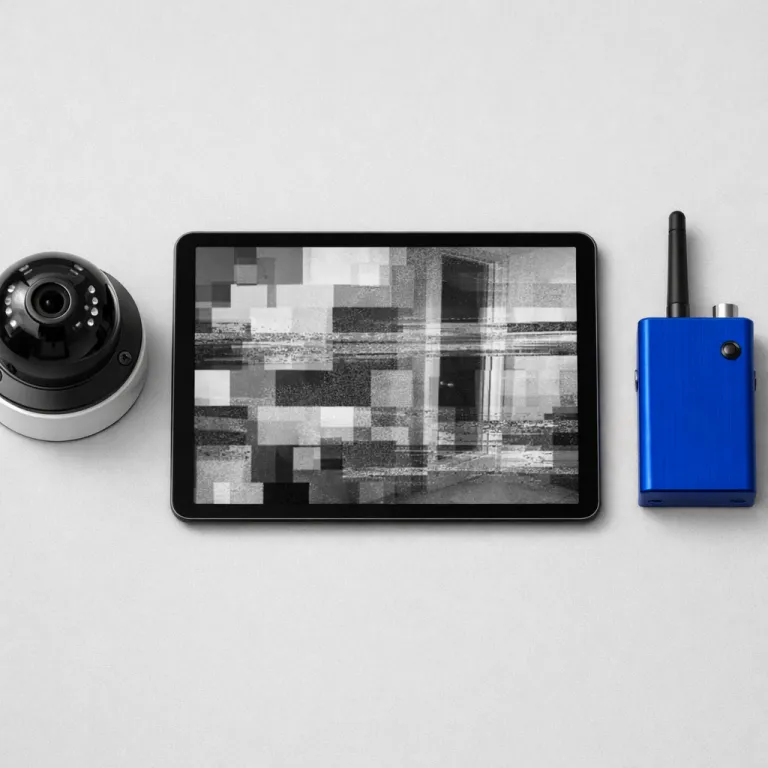
Understanding camera scrambler tools in modern home surveillance
A camera scrambler is any technique or jammer device that disrupts image capture. In the context of a home security camera, it can cause camera jamming, blurred footage, or complete loss of video, which directly undermines surveillance and privacy protection goals. People often confuse camera jammers with harmless interference, yet a deliberate camera jammer is designed to neutralize cameras and security systems.
Most home security cameras rely on wifi or another wireless signal, which makes them vulnerable to portable jammers that target 2,4 GHz wifi or 5 GHz wifi bands. When a jammer camera operates near a wireless camera, the wireless signal can be flooded with noise, leading to camera jamming that looks like random glitches rather than an obvious attack. This subtle disruption can affect a single security camera or entire security systems, especially if multiple cameras share the same router.
Not all camera scrambler methods involve electronic jamming, because some people use simple camera blocker accessories or reflective covers to hide a hidden camera or spy camera. These low tech products do not emit interference, but they still defeat surveillance systems by blocking the lens of cameras. For homeowners, the challenge is to balance effective surveillance with respect for privacy, while understanding how camera jammers and other tools might be misused.
Security cameras with night vision add another layer of complexity, since camera scrambler devices can target infrared as well as visible light. A determined attacker might use a portable product that combines a camera jammer with bright infrared LEDs to blind a detector camera or security camera sensor. Knowing how these threats operate is the first step to protect privacy without abandoning the benefits of modern surveillance system technology.
How camera jamming and interference threaten home security
Camera jamming is the deliberate use of a jammer to disrupt a camera or multiple cameras. In a typical home surveillance system, a wireless camera depends on stable wifi or another wireless signal to send footage to an app or recorder. When jammers operate on the same frequency, they create interference that overwhelms the signal and disconnects the security camera from the network.
Many consumer grade camera jammers are portable products that target 2,4 GHz wifi, 5 GHz wifi, or cellular bands. These jammer camera devices can be hidden in a bag or vehicle, allowing people with malicious intent to approach a property while disabling security cameras and other security systems. Because the interference looks like a technical fault, homeowners may blame their router or app instead of suspecting camera jamming.
Even without dedicated camera jammers, poorly designed wireless systems can suffer from unintentional interference. Overcrowded wifi channels, cheap wireless camera hardware, and metal structures can all degrade the wireless signal and mimic the effects of a camera jammer. This is why careful planning of a surveillance system, including wired links where possible, remains essential for robust home security.
Mounting choices also influence vulnerability, because an exposed security camera is easier to reach with a portable jammer or physical camera blocker. When choosing the right mount for your home security camera, strategic placement can reduce tampering risks and improve coverage. Homeowners who rely heavily on PTZ and other advanced models should also understand how network based attacks can affect remote control, as explained in detail in this guide on how PTZ cameras reshape home security and live monitoring.
Detectors, anti spy tools, and the limits of camera blockers
As camera scrambler devices become more common, so do anti spy tools designed to detect them. A typical camera detector or detector camera uses radio frequency scanning and optical sensors to locate a hidden camera or spy camera in a room. These detector products can help people identify unauthorized surveillance systems, but they do not always reveal a silent camera jammer that only emits interference when active.
Some anti spy kits combine a camera detector with a lens finder that reflects light off the glass of hidden cameras. This can expose a hidden camera disguised in smoke detectors, clocks, or other everyday products, which is crucial for privacy protection in rentals or shared spaces. However, if an attacker uses camera jammers instead of hidden cameras, these optical tools may not detect the threat.
Camera blocker accessories, such as sliding covers for laptop cameras or clip on shields for security cameras, offer a simple way to protect privacy. When used responsibly, they allow people to control when a camera records without relying solely on software or an app. Yet if a camera blocker is applied to a critical security camera, it can unintentionally weaken the overall surveillance system and create blind spots.
Homeowners should evaluate each camera, from indoor spy camera models to outdoor night vision security cameras, and decide where physical blocking is appropriate. For exterior cameras that protect entrances, it is usually better to rely on secure mounts and tamper resistant housings than on removable camera blockers. For more detailed guidance on hardware placement, many experts recommend reviewing how to choose and install the right brackets for mounting your home security camera before finalizing any installation.
Balancing privacy protection, legality, and security camera performance
The ethics and legality of using a camera scrambler or camera jammer in a residential setting are complex. In many jurisdictions, operating jammers that interfere with wireless signal transmissions, including 2,4 GHz wifi used by a wireless camera, is heavily restricted or outright illegal. This applies to camera jammers, jammer camera gadgets, and broader jamming equipment that can disrupt not only security cameras but also emergency communications.
From a privacy perspective, some people argue that camera scrambler tools help protect privacy against intrusive spy cameras or unauthorized surveillance systems. They may use anti spy products, camera detector devices, or even localized camera jamming to prevent a hidden camera from recording in sensitive spaces. However, indiscriminate interference can also affect legitimate security cameras that neighbors or businesses rely on for safety.
Responsible privacy protection starts with transparency about where each security camera is placed and how footage is stored. Clear communication with household members and guests about visible cameras, night vision capabilities, and any app based monitoring helps build trust. When people feel informed, they are less likely to resort to covert camera blocker tactics or portable jammers that could damage security systems.
Technical measures can also balance privacy and security, such as masking zones within a surveillance system to avoid filming neighboring properties. Many modern security cameras and wireless camera products allow users to configure privacy zones directly in the app, reducing the temptation to use camera scrambler devices. Ultimately, the goal is to protect privacy without undermining the legitimate role of cameras in deterring crime and documenting incidents.
Evaluating price, performance, and resilience against camera scramblers
When choosing a home security camera, price often dominates the conversation, but resilience against camera scrambler threats deserves equal attention. Low price wireless camera kits may rely entirely on unsecured wifi, making them more vulnerable to camera jamming and other interference. Higher quality security cameras sometimes offer dual connectivity, combining wired links with wireless signal options to maintain surveillance even when jammers are present.
Homeowners should compare not only the price of individual cameras but also the total cost of ownership for complete security systems. This includes the surveillance system recorder, storage, mounts, and any anti spy or camera detector tools used to protect privacy. A slightly higher initial price for robust security cameras with better encryption, night vision, and interference resistance can pay off when facing deliberate camera jammers.
Some products advertise themselves as anti camera jamming solutions, but buyers should scrutinize these claims carefully. No consumer device can completely eliminate the risk of a powerful jammer camera, especially one targeting 2,4 GHz wifi or other common bands. Instead, look for layered defenses, such as wired connections for critical cameras, redundant recording, and thoughtful placement that makes it harder for people to approach with portable jammers.
It is also wise to invest in a reliable app and backend service that can alert you when a security camera or multiple cameras go offline unexpectedly. Sudden loss of a wireless camera feed, especially when other wifi devices remain connected, may indicate targeted camera jamming rather than a routine outage. For complex properties with many cameras and PTZ units, expert guidance on system design can significantly reduce exposure to camera scrambler tactics.
Practical steps to protect privacy and strengthen home surveillance
Protecting a home against camera scrambler threats starts with mapping every security camera, wireless camera, and wired unit on the property. Identify which cameras rely solely on wifi or another wireless signal, and which ones can fall back to Ethernet or local recording if jamming occurs. Prioritize critical viewpoints, such as entrances and driveways, for the most resilient cameras within your surveillance system.
Next, evaluate how easily people could approach each camera with a portable jammer or physical camera blocker. Mount security cameras high enough to deter tampering, and use housings that make it difficult to cover the lens without being noticed. Where possible, angle cameras to capture anyone who might attempt to use camera jammers, jammer camera devices, or other products that cause interference.
Integrating a camera detector or broader anti spy toolkit into your routine can help identify hidden camera threats inside the home. Periodic sweeps for a spy camera or unauthorized cameras in guest rooms, offices, or rental spaces support privacy protection without resorting to illegal jamming. If you suspect camera jamming, document patterns of interference, check other wifi devices, and consult a qualified security professional before purchasing any anti or jamming equipment.
Finally, use your security app to set alerts for offline cameras, unusual motion gaps, or sudden loss of night vision performance. Combine these digital safeguards with physical measures and clear communication to the people who share your space about how surveillance systems operate. By treating camera scrambler risks as one part of a broader security strategy, you can protect privacy while maintaining reliable, lawful, and effective home surveillance.
Key statistics about home security cameras and interference
- No dataset provided, so no verified quantitative statistics are available for this topic.
Common questions about camera scramblers and home surveillance
How does a camera scrambler affect a wireless home security camera ?
A camera scrambler targeting wifi or another wireless signal can overwhelm the connection between a wireless camera and its recorder or app. The result may be frozen images, pixelated footage, or complete loss of video from one or more security cameras. In severe cases, the entire surveillance system can appear offline while other household devices continue to function normally.
Can a camera jammer block wired security cameras as well as wireless cameras ?
A typical camera jammer focuses on radio frequencies used by wireless camera products, such as 2,4 GHz wifi or cellular bands. Wired security cameras that transmit over Ethernet are less vulnerable to this type of interference, although their power supplies and recorders can still be targeted physically. For this reason, many experts recommend combining wired links with careful equipment placement to reduce exposure to camera jamming.
Is it legal to use camera jammers or jammer camera devices at home ?
In many countries, operating jammers that interfere with licensed wireless services, including wifi and cellular networks, is restricted or prohibited. This often applies even when people intend to protect privacy from a hidden camera or spy camera. Homeowners should consult local regulations and prioritize legal anti spy tools, such as camera detectors and privacy zones, instead of relying on camera scrambler devices.
How can I tell if my surveillance system is being jammed ?
Signs of camera jamming include repeated disconnections of one or more security cameras while other wifi devices remain stable. You may notice that only the wireless camera feeds fail, especially at specific times or when certain people are nearby. Monitoring offline alerts in your app and checking for patterns can help distinguish deliberate interference from routine network issues.
What practical steps help protect privacy without using jammers ?
To protect privacy legally, start by placing each security camera thoughtfully and configuring privacy zones in the app to avoid filming neighbors. Use physical camera blocker covers only on non essential cameras, and rely on clear communication with household members about where cameras and night vision features are active. Regular sweeps with a camera detector or anti spy kit can address hidden camera concerns without resorting to illegal camera jamming.