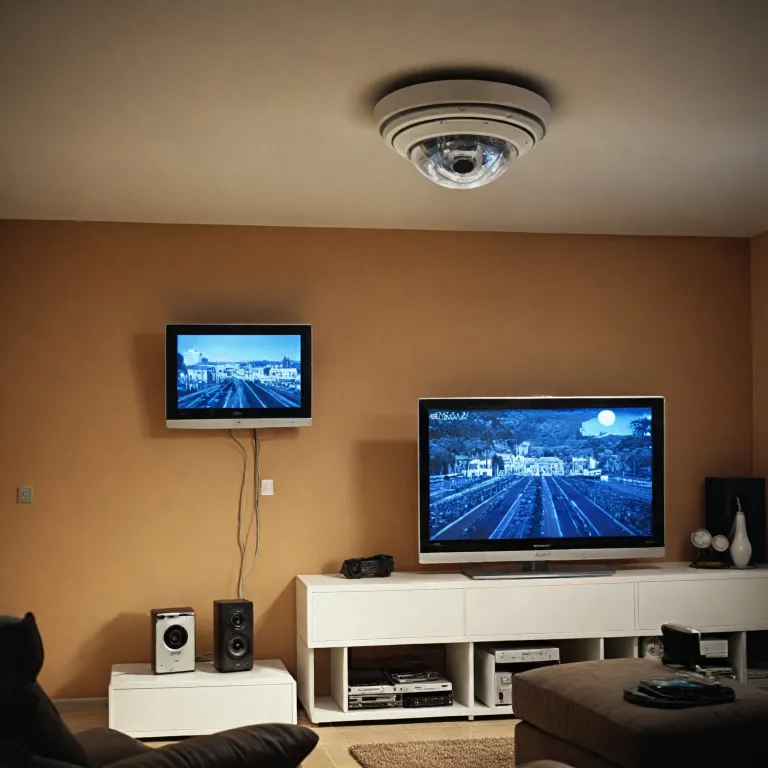

How cvbs shapes the foundations of home security cameras
In home security, the cvbs standard quietly underpins many reliable analog systems. While glossy marketing focuses on high definition buzzwords, the composite video backbone still carries a stable video signal that many households trust. Understanding how cvbs video works helps you judge each security camera on more than just resolution claims.
Composite video, often called cvbs video, merges brightness, color, and sync into a single analog signal. This composite format travels over a simple coaxial cable, keeping installation straightforward even when several cameras feed a shared channel dvr in the attic. For many buyers, the balance between analog simplicity and modern features defines the real value behind the price of a complete camera systems bundle.
Traditional analog cameras using cvbs remain common in legacy security cameras installations. These analog video feeds connect to a camera dvr or hybrid dvr security recorder that may also accept tvi camera or ahd cvi inputs. Such hybrid systems let you mix older analog cameras with newer tvi cameras or tvi ahd models without replacing every cable run.
In practice, cvbs ahd and tvi cvi technologies extend the life of analog infrastructure while edging closer to high definition clarity. Many security camera installers still rely on ntsc pal compatible equipment to ensure that every video signal remains stable across regions. When you evaluate security camera options, it is essential to understand how cvbs, composite video, and analog cameras interact inside real homes.
Comparing cvbs, tvi, and ahd in real home installations
Homeowners often struggle to compare cvbs, tvi, and ahd because marketing terms blur technical differences. At the core, each format carries analog video over coaxial cable, yet they handle resolution, distance, and interference differently. A careful look at how each video signal behaves in a real house reveals which security camera format suits your needs.
Classic cvbs video uses standard definition composite video, which is enough for basic monitoring of doors and driveways. High definition formats like tvi camera and ahd cvi push more detail through the same cable, giving clearer faces and license plates. However, higher resolution can stress older camera dvr units, so you must check whether your existing channel dvr supports tvi ahd or tvi cvi inputs.
Many hybrid systems accept both analog cameras and newer tvi cameras on different channel inputs. This flexibility lets you upgrade critical security cameras first, such as those watching entrances, while keeping less important analog video feeds unchanged. Over time, you can phase out older security camera units without a disruptive full system replacement.
When comparing price, remember that cvbs based camera systems often cost less upfront than pure high definition packages. Yet a modern dvr security recorder with HDMI output, audio inputs, and hybrid options may justify a slightly higher price by extending future upgrade paths. If you also use smart doorbells or Wi Fi devices, guides on resolving connectivity issues, such as fixing a Ring camera that will not connect to Wi Fi, complement your understanding of wired analog infrastructure.
Signal integrity, cabling, and baseband realities in the home
Behind every clear image from a cvbs camera lies careful attention to signal integrity. The analog baseband signal that carries composite video is sensitive to poor connectors, long cable runs, and electrical noise. When planning security cameras, you must think beyond the camera body and consider every meter of cable and each connector.
Standard coaxial cable supports cvbs video, tvi camera feeds, and ahd cvi signals across typical home distances. However, as you add more cameras and extend cable runs, the analog video signal can soften, show ghosting, or pick up interference from mains wiring. Choosing quality connectors and avoiding tight bends helps preserve both video and audio performance in multi channel dvr security setups.
Hybrid camera systems often mix cvbs ahd and tvi cvi formats on the same recorder, which increases the importance of labeling each cable. A mislabeled line can send a tvi ahd feed into a cvbs only channel dvr input, resulting in a blank screen that looks like a camera failure. Careful documentation of which security camera uses which standard prevents frustrating troubleshooting later.
When you connect your recorder to a television or monitor, the HDMI output translates the analog baseband feeds into digital form. This step does not magically turn cvbs into true high definition, but it does simplify integration with modern screens. For homeowners who also rely on wireless devices, resources such as step by step Wi Fi camera connection guides complement the wired reliability of analog cameras.
Balancing cvbs legacy systems with modern high definition expectations
Many households sit at a crossroads between long serving cvbs systems and the lure of high definition upgrades. The analog cameras that once felt cutting edge now share space with smartphones that stream crisp video, raising expectations for every security camera. Yet replacing every cable and recorder can be costly, disruptive, and technically unnecessary.
Hybrid dvr security recorders bridge this gap by accepting cvbs video alongside tvi camera, ahd cvi, and even IP streams in some models. These camera dvr units often provide HDMI outputs, multiple audio channels, and flexible options for recording schedules and motion detection. By assigning high risk areas to tvi cameras or tvi ahd models, you can reserve cvbs channels for less critical views like back gardens or garages.
In such mixed camera systems, the price per channel becomes a key metric for planning upgrades. A single high definition tvi cvi camera may cost more than a basic analog unit, but the added detail can transform evidence quality. Meanwhile, existing composite video cabling continues to carry each analog video signal without expensive rewiring.
Consumers interested in advanced analytics, such as facial recognition, should evaluate whether their current infrastructure can support compatible security cameras. Some guides to top security cameras with facial recognition highlight models that integrate with hybrid systems, preserving cvbs where it still makes sense. This incremental approach respects both budget constraints and the enduring reliability of analog baseband technology.
Practical evaluation of cvbs based security camera systems at home
Evaluating a cvbs based security camera setup starts with defining what you truly need to see. For many homeowners, a clear outline of a visitor at the door and a readable number plate at the gate matter more than cinematic detail. In such cases, well configured analog cameras feeding a capable channel dvr can still meet essential security goals.
When testing composite video quality, examine how the video signal behaves in low light, during rain, and under strong backlighting. Some cvbs ahd and tvi camera models handle these conditions better than older analog video units, even when sharing the same cable. Pay attention to whether the dvr security recorder maintains smooth video and audio synchronization across multiple channels.
Hybrid camera systems also allow you to compare cvbs video directly with tvi cvi or ahd cvi feeds on the same monitor. This side by side view reveals whether the higher price of high definition cameras justifies the upgrade in your specific environment. If the difference is marginal for certain angles, you can keep those security cameras in analog mode and focus investments elsewhere.
Remember that ntsc pal standards still govern how many legacy devices handle composite video and baseband signals. Ensuring that your camera dvr, display, and any encoder boxes share the same standard prevents compatibility issues. A thoughtful, evidence based evaluation of each security camera channel supports better decisions than relying on marketing claims alone.
Future proofing home security while respecting cvbs infrastructure
Future proofing a home security camera system does not always mean abandoning cvbs overnight. Instead, it involves planning how analog cameras, tvi cameras, and ahd cvi units will coexist as your needs evolve. A flexible camera dvr with hybrid options becomes the central piece that orchestrates this gradual transition.
Look for dvr security recorders that support multiple analog video standards, including cvbs video, tvi ahd, and tvi cvi. These systems often provide HDMI outputs, several audio inputs, and network connectivity for remote viewing. By mapping which channel handles each security camera, you can schedule phased upgrades without interrupting overall coverage.
Price considerations remain important, but they should be weighed against the cost of lost footage or unusable evidence. Investing in at least a few high definition tvi camera or ahd cvi units for key entrances can significantly improve identification chances. Meanwhile, existing composite video cabling continues to carry reliable baseband signals from secondary analog cameras.
As consumer expectations rise, manufacturers continue refining how cvbs, composite video, and hybrid systems interact in real homes. The enduring presence of ntsc pal standards shows that legacy technologies can adapt rather than vanish. By understanding the technical foundations of each video signal type, homeowners can build security cameras ecosystems that remain robust, flexible, and aligned with real world risks.
Questions people also ask about cvbs in home security
No faq_people_also_ask data was provided in the dataset, so additional verified FAQs cannot be listed. However, typical concerns include compatibility between cvbs and high definition formats, the lifespan of analog cameras, and how hybrid systems manage mixed video standards.