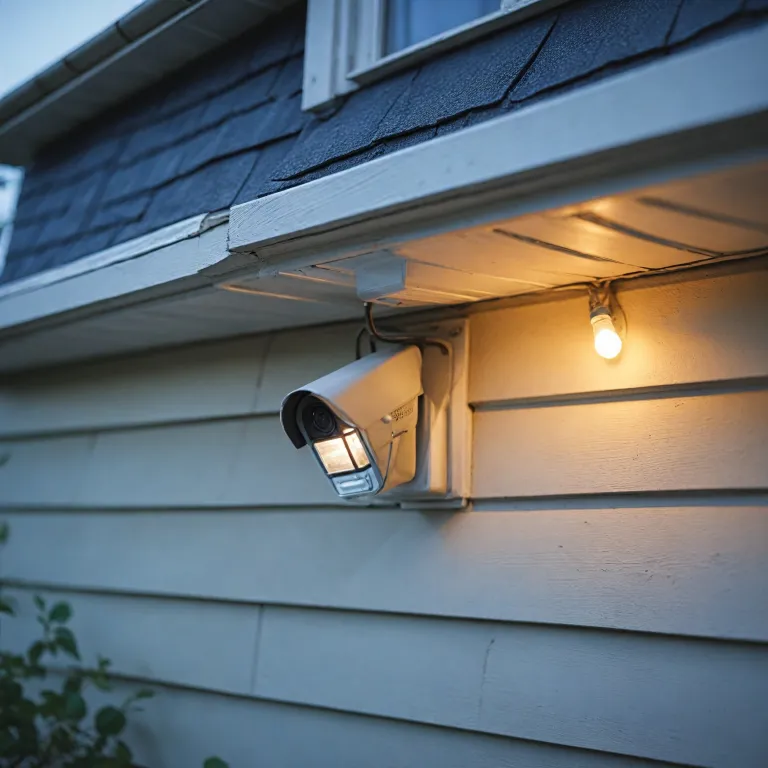
Why a 50 ft ethernet cable cat5e matters for home security cameras
A wired connection built around a 50 ft ethernet cable cat5e can transform an unreliable home security camera into a stable, professional grade system. When a camera sends continuous video data over this type of ethernet cable, it benefits from consistent bandwidth and fewer dropouts than most Wi-Fi setups. For homeowners placing cameras at the edge of their property, the extra feet of a 50 ft run often makes the difference between a compromised angle and full coverage.
Many customers underestimate how much cable length and cable quality influence image clarity, especially when several cameras share the same network. A well made patch cable with pure copper conductors and gold plated contacts helps maintain signal integrity over the full 50 feet, which is critical when streaming high resolution footage to a recorder. In contrast, low quality products or mixed metal copper wire can introduce resistance and interference, degrading the performance of your cat ethernet connection over time.
For outdoor cameras, the choice between shielded and unshielded ethernet cables becomes even more important. A cat shielded network cable can better protect sensitive data signals from nearby power lines or radio sources, particularly when the cable length approaches 50 feet or more. When you select high quality cat cables in the color blue, you also gain easier visual identification inside junction boxes and along walls, which simplifies future maintenance and reviews of your installation.
Balancing cable length, power, and subscription costs in camera planning
Placing a home security camera exactly where you need it often requires a 50 ft ethernet cable cat5e to bridge the gap between your router and the ideal vantage point. This length allows you to route a network cable neatly along skirting boards, through ceilings, or around door frames without stretching or straining the jacket. When the cable length is carefully measured in feet before purchase, you avoid unnecessary slack that can create trip hazards or signal issues.
Power over Ethernet relies on good quality copper wire inside the ethernet cable to deliver both data and power to the camera. With a 50 ft run, pure copper conductors in a cat cable reduce voltage drop and keep your camera stable, even during peak data usage. Choosing a snagless patch cable design also protects the clip when you pull cables through tight spaces, which is especially useful in older homes with narrow conduits.
While hardware like ethernet cables and patch cables is a one time investment, ongoing service fees also shape your security strategy. Before committing to a cloud recording plan, it is wise to understand the typical cost of a Ring camera subscription and compare it with local storage options enabled by a reliable cat network. A high quality 50 ft ethernet patch solution can support network video recorders that reduce long term subscription costs, giving customers more control over both price and privacy.
Shielding, interference, and the role of cable construction in video reliability
When a home security camera is installed near electrical equipment, the construction of your 50 ft ethernet cable cat5e becomes a frontline defense against interference. A shielded cat cable uses foil or braid around the copper pairs to block electromagnetic noise that might otherwise corrupt your data stream. This is particularly valuable in garages, basements, or utility rooms where power tools and HVAC systems operate close to network cables.
Cat shielded products are often rated for specific MHz frequencies, and these ratings indicate how well the ethernet cables can handle higher bandwidth video signals. For most residential cameras, a cat5e ethernet patch rated at 100 MHz or higher provides ample headroom for HD streams, even when several devices share the same network. Selecting a high quality patch cable with gold plated contacts further reduces contact resistance, which helps maintain consistent performance across the full 50 feet.
Homeowners comparing security providers should evaluate wiring requirements alongside monitoring services and contracts. When assessing options such as those explained in guidance on choosing between Brinks and ADT, it is important to check whether professional installers use pure copper network cable or cheaper alternatives. Over time, good quality cat cables in the color blue or other shades will better resist kinks and damage, ensuring that your camera’s data remains stable and your investment in hardware and service delivers strong value.
Indoor versus outdoor runs, and why physical routing details matter
Routing a 50 ft ethernet cable cat5e indoors demands a different strategy than running the same ethernet cable outdoors to a gate or driveway camera. Inside the home, a flexible snagless patch cable can be tucked behind furniture, clipped along skirting, or passed through discreet wall openings without stressing the connector. Many customers prefer cables cat in the color blue for easy tracing among other products in a crowded media cabinet.
Outdoor installations benefit from shielded cat cables and weather resistant jackets that protect the copper wire from moisture and temperature swings. When the cable length reaches 50 feet or more, even small nicks in the jacket can allow water ingress that slowly degrades data performance and shortens the life of the product. Choosing high quality cat network solutions with pure copper conductors and robust molding around the gold plated plugs significantly reduces these long term risks.
For both indoor and outdoor paths, planning the exact feet of each run before buying patch cables helps control price and minimize waste. A carefully measured cat patch or ethernet patch segment avoids tight bends that can damage twisted pairs and compromise signal integrity. By treating your 50 ft network cable as a permanent part of the security infrastructure rather than a temporary accessory, you align with best practices used in professional installations and improve the reliability of your home surveillance system.
Latency, bandwidth, and how cabling choices affect camera performance
Every frame your home security camera sends travels through the 50 ft ethernet cable cat5e, so cabling directly influences latency and image stability. A well specified ethernet cable with pure copper conductors and a suitable MHz rating can carry multiple HD streams with minimal delay. When several cameras share the same network, high quality cat cables help prevent congestion and packet loss that might otherwise blur or freeze critical footage.
Patch cables built with gold plated contacts and consistent twist ratios maintain signal integrity over the full 50 feet, which is especially important for cameras using advanced motion analytics. In contrast, mixed metal copper wire or poorly crimped connectors can introduce micro interruptions that disrupt data flow at the worst possible moment. Customers who invest in shielded cat cable for noisy environments often report more stable performance in reviews, particularly when cameras are near power lines or wireless transmitters.
Color coding your ethernet cables, for example by reserving the color blue for security devices, simplifies troubleshooting and future upgrades. When you later add more products such as additional cameras or a network video recorder, clearly labeled cat patch and patch cables reduce confusion and installation time. For a deeper look at how sensing technologies interact with cabling and power, resources on how sensor shock technology elevates modern home security cameras can complement your understanding of the physical network layer.
Practical buying checklist for a 50 ft ethernet cable cat5e in security setups
When selecting a 50 ft ethernet cable cat5e for a home security camera, start by confirming that the product uses pure copper rather than copper clad aluminum. Genuine copper wire delivers better conductivity over 50 feet, which is essential for Power over Ethernet and stable data transmission. Many reputable products clearly state their materials and MHz rating on the packaging, making it easier for customers to compare options and assess overall quality.
Next, decide whether you need a shielded or unshielded cat cable based on the planned route. If the network cable will run parallel to mains wiring or pass near appliances, a cat shielded design offers extra protection against interference that can corrupt video streams. For most indoor runs away from heavy electrical noise, a high quality unshielded ethernet patch or cat patch cable is sufficient and often comes at a great price.
Finally, pay attention to practical details such as snagless boots, connector molding, and the color blue or other shades that fit your labeling scheme. A well made 50 ft ethernet cable with gold plated contacts, robust strain relief, and clear length markings in feet will be easier to install and maintain over the life of your security system. By applying the same scrutiny to cables cat and patch cables as you do to cameras and recorders, you build a more resilient, trustworthy surveillance network for your home.
Key statistics on wired home security camera performance
- Up to 100 meters of cat5e ethernet cable can typically support standard PoE cameras without active repeaters when using pure copper conductors.
- Shielded cat cables can reduce electromagnetic interference by a significant margin in environments with dense electrical wiring and radio sources.
- Many residential NVR systems are designed to operate optimally with network cable runs under 70 meters for multiple HD streams.
- Gold plated RJ45 connectors can withstand more mating cycles than unplated contacts, improving long term reliability in frequently serviced installations.
Frequently asked questions about ethernet cabling for home security cameras
How long can a cat5e ethernet cable be for a home security camera ?
For most home security cameras using standard Ethernet, a cat5e cable can run up to 100 meters without active boosting when it is made from pure copper. A 50 ft ethernet cable cat5e sits well within this limit, providing a comfortable margin for signal integrity. Staying below the maximum recommended length helps maintain stable power delivery and consistent video quality.
Is shielded cat5e necessary for indoor security camera installations ?
Shielded cat5e is not always necessary indoors, but it becomes valuable when cables run close to mains wiring, fluorescent lighting, or other sources of electromagnetic noise. In typical residential rooms with short, separated runs, high quality unshielded ethernet cables often perform perfectly well. If you experience unexplained interference or plan complex routing, upgrading to cat shielded options can add an extra layer of protection.
Can I use the same ethernet cable type for both indoor and outdoor cameras ?
You can use the same category of ethernet cable, such as cat5e, but the jacket and construction should be rated for the environment. Outdoor cameras benefit from weather resistant, UV stable, and often shielded network cable to withstand moisture and temperature changes. Indoor rated products should not be exposed directly to the elements, even if their electrical performance is otherwise suitable.
Does cable color, such as blue, affect performance in any way ?
Cable color, including the popular color blue, has no impact on electrical performance or data capacity. Manufacturers use different colors mainly for organization, allowing installers to distinguish security lines from other network cables at a glance. Choosing consistent colors across your system can simplify maintenance, labeling, and future expansion.
Are gold plated connectors worth paying extra for in security systems ?
Gold plated connectors resist corrosion better than bare metal contacts, which is helpful in humid environments or locations with frequent plug and unplug cycles. In a fixed home security installation, the performance difference may be modest, but gold plating can still enhance long term reliability. When combined with pure copper conductors and good strain relief, these connectors contribute to a robust, low maintenance cabling setup.