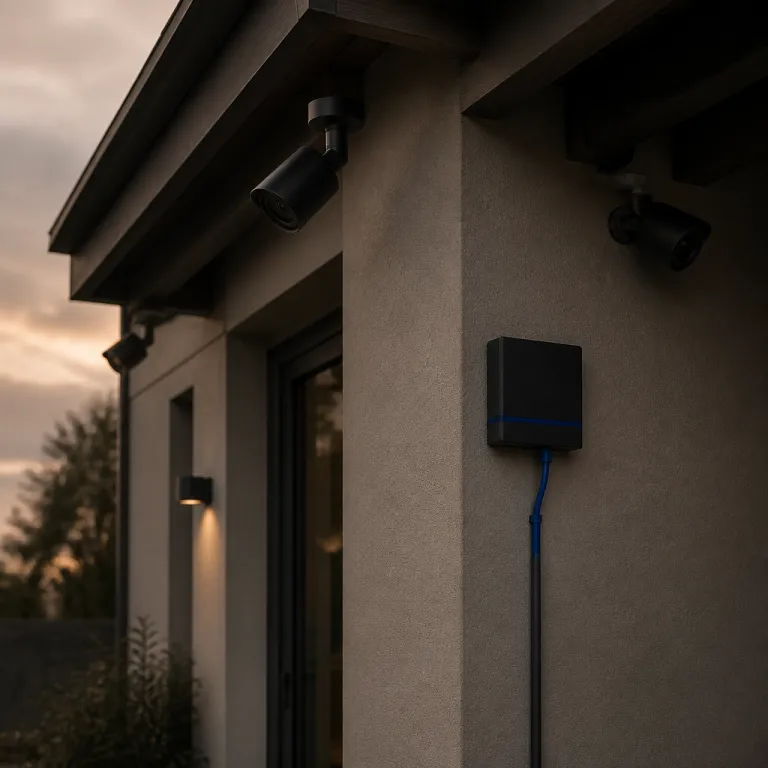

AlarmNet 360: connecting panels, communicators, and home security cameras
Understanding alarmnet 360 as the digital backbone of your security system
Alarmnet 360 operates as a cloud based management layer that quietly coordinates every alarm and camera event in the background. By linking each alarm panel, communicator, and smart camera into one supervised network, it turns a traditional alarm system into a connected security platform that can be tuned in real time. For a homeowner seeking clarity, this means you can view how every device behaves, how quickly they send data, and how reliably the central station receives it.
At the heart of alarmnet 360 sits the relationship between the local panel and the remote alarmnet central infrastructure. Your security panels, whether older Honeywell Vista communicators or newer Lyric panels, use a communicator module to send data through IP or cellular paths to the alarmnet website and then on to the monitoring central station. When signal strength drops or communicator details change, the platform flags the issue so your installer can adjust the device before a critical alarm is missed.
For camera users, the same ecosystem underpins the Total Connect service and its mobile app and web app interfaces. A single alarmnet account can be linked to Total Connect so that alarm events, video clips, and automation scenes share one security account structure instead of scattered logins. Over time this unified account creation process reduces configuration errors, simplifies panel communication changes, and gives you a consistent view of both alarms and video from any compatible Resideo Technologies or Honeywell Home system.
From alarm panel to smart camera: making systems talk to each other
Most people first meet alarmnet 360 when a professional installer programs an alarm panel and pairs it with indoor or outdoor cameras. Behind the scenes, the installer uses the platform to build a list of zones, assign each device to a room, and confirm that the communicator can send data correctly to the central station. This is where the difference between a basic alarm system and a fully integrated security system becomes obvious.
When the communicator panel is provisioned, the technician checks communicator details such as IP path, cellular backup, and signal strength in the alarmnet 360 dashboard. If the cellular version of the communicator shows weak coverage, they may reposition the device or add an external antenna before finalizing the alarmnet account. That careful work at installation time is what allows your cameras and sensors to report instantly when a door opens, a motion detector trips, or a video analytic rule is triggered.
For camera integration, the same account creation process links the alarmnet app or other mobile app with Total Connect video services. Once linked, arming the alarm panel can automatically start recording video clips, while disarming can pause certain cameras to protect privacy. Readers who want to understand how a modern interactive panel such as an IQ Panel coordinates with cameras can explore this detailed guide on how an advanced panel enhances your home security camera experience, which complements the alarmnet 360 approach to panel communication.
Integrating alarmnet 360 with wider smart home systems
Once the basic alarm, panel, and communicator links are stable, alarmnet 360 becomes a strategic tool for integrating your security system with the rest of your smart home. Resideo and Honeywell branded security panels often support Z Wave or similar protocols, allowing lights, locks, and thermostats to respond when the alarm system changes state. Through the same alarmnet account and Total Connect interface, you can view and adjust these devices without juggling multiple apps.
For camera owners, this integration matters because video is most useful when it is context aware rather than always on. You might program the system so that when the alarm panel is armed away, exterior cameras record continuously while interior cameras only send data when motion occurs in restricted areas. When the system is disarmed, the mobile app can limit video notifications to specific cameras, reducing alert fatigue and protecting privacy at the same time.
Smart home standards are evolving quickly, and multi platform compatibility is becoming a key selection criterion for any new device. Homeowners evaluating new cameras that will sit alongside existing Honeywell or Resideo Technologies security panels should pay attention to how those cameras will coexist with alarmnet central infrastructure and Total Connect services. A useful reference on this topic is this analysis of what a Matter compatible camera means for multi platform smart homes, which highlights the importance of choosing devices that can integrate cleanly with platforms like alarmnet 360 over time.
Optimizing camera placement and performance within an alarmnet 360 ecosystem
Even the most advanced alarmnet 360 configuration cannot compensate for poorly placed cameras or badly tuned motion zones. To get reliable evidence and avoid nuisance alerts, you need to think about camera height, angle, and field of view in relation to doors, windows, and likely intrusion paths. The goal is to let the security system capture faces and actions clearly while keeping irrelevant movement such as passing cars or tree branches out of the frame.
Professional installers often use the alarmnet website and related tools to test how quickly video clips arrive after an alarm and whether the central station receives matching alarm data. They may adjust the communicator panel location to improve cellular signal strength, then retest how fast the communicator can send data when the alarm panel is triggered. For homeowners, this testing translates into shorter delays between a real world event, a push notification on the alarmnet app, and a call from the monitoring central station.
Camera height is a recurring point of confusion, and many people mount devices either too high or too low. A detailed discussion of why the common eight foot rule is often wrong and how camera height should match what you are trying to capture can be found in this guide on optimizing home security camera height for real incidents. When you combine thoughtful placement with a well maintained alarmnet 360 configuration, your security panels, cameras, and communicators work together as a coherent system rather than as isolated devices.
Managing accounts, apps, and privacy in an alarmnet 360 world
For many households, the practical experience of alarmnet 360 is shaped by how easy it is to manage accounts and apps. A clear account creation process ensures that each family member has the right level of access to the alarm panel, cameras, and automation scenes. When the alarmnet account is structured correctly, you can grant temporary access to guests, revoke credentials quickly, and still keep a clean list of active users.
On the software side, the alarmnet app and related mobile app interfaces for Total Connect act as the daily touchpoints for arming, disarming, and viewing video. These apps rely on the same underlying communicator details and panel communication paths that installers configure through alarmnet 360, so any change to the communicator panel or cellular version of the hardware should be reflected in the app settings. If you notice delays or missing notifications, it is often a sign that the communicator cannot send data reliably to alarmnet central or that the security system configuration has drifted from the original design.
Privacy management is another area where a structured alarmnet 360 deployment helps. By separating user roles at the account level, you can allow some people to control the alarm system without granting them access to stored video clips or live camera feeds. Over time, this granular control builds trust within the household, because everyone understands who can view which cameras and how long the system retains sensitive data.
Future proofing your home security with alarmnet 360 and Resideo Technologies
Home security technology evolves quickly, but the core role of alarmnet 360 remains stable, acting as a bridge between legacy Honeywell hardware and newer Resideo Technologies platforms. Whether you are using classic Vista communicators, modern Lyric panels, or other compatible security panels, the same cloud infrastructure coordinates alarm routing, communicator supervision, and integration with Total Connect video. This continuity matters when you plan upgrades, because it lets you replace one device at a time without rebuilding the entire security system.
When evaluating new hardware, ask how well the device will integrate with your existing alarmnet account and whether the communicator panel supports dual path communication with both IP and cellular channels. A communicator that can maintain strong signal strength on at least one path will keep sending data to alarmnet central and the monitoring central station even during local network outages. Over time, this resilience reduces the risk that a real alarm or critical video clip fails to reach you or the monitoring team in time.
From a strategic perspective, using alarmnet 360 as the management layer for your alarm system and cameras gives you a clear view of the entire estate. You can see which devices are online, which firmware version each communicator runs, and how often the system reports supervision signals. That level of visibility is what turns a collection of alarms, panels, and cameras into a coherent security system that can adapt to new threats, new devices, and new expectations about privacy and reliability.
Key statistics on home security cameras and monitored systems
- According to Parks Associates, professionally monitored security systems are present in roughly one quarter of broadband households, and homes with monitoring are significantly more likely to use integrated cameras rather than standalone devices. In its 2022 report “Home Security: Market Sizing and Forecasts,” Parks Associates estimated that about 24–26% of U.S. broadband households subscribed to professional monitoring, and that camera adoption was several percentage points higher in those homes than in households without monitoring.
- Data from the European Union Agency for Cybersecurity indicates that connected devices, including security cameras, account for a growing share of reported vulnerabilities, which reinforces the value of managed platforms such as alarmnet 360 that centralize updates and supervision. ENISA’s “Threat Landscape for Connected Devices” publications from 2021 and 2022 highlight that Internet of Things equipment, including consumer video devices, appears in a rising proportion of incident reports and coordinated vulnerability disclosures.
- Studies from the Urban Institute have shown that visible cameras combined with monitored alarms can reduce certain property crimes in targeted areas, especially when residents actually use the system consistently rather than leaving panels disarmed. For example, Urban Institute evaluations of place based crime prevention projects in the 2010s found measurable declines in offenses such as burglary and theft in neighborhoods where residents adopted monitored alarms and maintained active camera coverage.
- Consumer surveys by Resideo have found that many homeowners rank remote video access and mobile app control among the top reasons for upgrading an alarm system, which aligns directly with the role of Total Connect and alarmnet based services. In Resideo’s smart home and security sentiment research published around 2020–2022, respondents frequently cited smartphone control, live video, and event driven clips as primary motivations for replacing or enhancing existing alarm equipment.
FAQ: alarmnet 360 and smart home security camera integration
How does alarmnet 360 improve the reliability of my home security cameras ?
Alarmnet 360 improves reliability by supervising the communicator panel, monitoring signal strength on IP and cellular paths, and ensuring that alarms and video events reach the central station consistently. When a communicator or panel stops sending data, the platform flags the issue so your installer can intervene before a real incident occurs. This continuous oversight reduces silent failures that might otherwise leave cameras online but disconnected from the wider security system.
Can I use alarmnet 360 with existing Honeywell or Resideo security panels ?
Many Honeywell and Resideo branded security panels, including Vista communicators and Lyric panels, are designed to work with alarmnet 360 and related services. In most cases, your installer can register the communicator, link it to an alarmnet account, and then enable Total Connect for remote control and video. Compatibility does depend on the specific hardware version, so it is important to confirm details with a qualified professional or the monitoring company.
What role does the mobile app play in an alarmnet 360 setup ?
The mobile app, often branded as the alarmnet app or as part of Total Connect, is the main interface for daily use of the system. Through the app you can arm and disarm the alarm panel, view live and recorded video, and receive push notifications when alarms or important events occur. Behind the scenes, the app communicates with alarmnet central, which in turn coordinates with your communicator panel and the monitoring central station.
How should I think about privacy when integrating cameras with my alarm system ?
Privacy starts with careful account creation and role management so that only trusted users can view cameras or change settings. In an alarmnet 360 environment, you can separate alarm control from video access, limit how long clips are stored, and configure cameras to record only when the alarm system is armed or when specific rules are met. Clear household rules about where cameras are placed and who can access footage are just as important as the technical controls.
Is it worth upgrading an older alarm system just to integrate cameras and smart home devices ?
Upgrading an older alarm system can be worthwhile when you want unified control of alarms, cameras, and automation through platforms such as alarmnet 360 and Total Connect. A modern communicator panel with strong cellular and IP capabilities can extend the life of existing sensors while adding remote access and video verification. The decision often comes down to whether the current hardware can support secure panel communication and whether the monitoring provider fully supports the newer ecosystem.