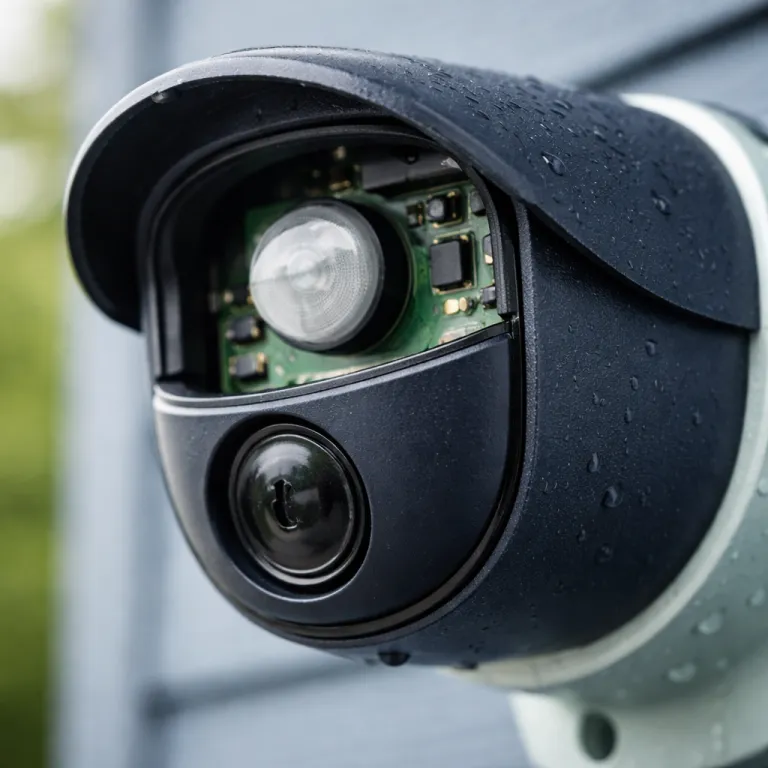
Understanding passive infrared sensor technology in home cameras
A passive infrared sensor sits quietly in a corner yet reshapes how home cameras perceive movement. This compact sensor reads infrared radiation from people and objects, turning subtle heat energy changes into reliable motion detection for security. Because the device is passive, it measures existing infrared energy rather than emitting light or radiation itself.
In a typical home, pir sensors watch over rooms, corridors, and entry points with minimal power consumption. Each passive infrared sensor divides its field of view into zones, so when a warm object crosses zones, the sensor interprets this movement as a motion event. The infrared sensor then signals the camera to start recording, send an alert, or trigger another security action.
Unlike older motion detector systems based on visible light, modern infrared sensors focus on heat rather than brightness. This sensing approach allows the motion sensor to work in darkness, where cameras rely on infrared light or low light sensitivity to capture images. When infrared motion is detected, the motion detector collaborates with the camera to balance sensitivity and reduce false alarms from shadows or small light changes.
Homeowners often confuse a single pir sensor with more complex sensors pir arrays used in advanced cameras. In practice, multiple sensors improve motion detection accuracy by comparing heat patterns and filtering irrelevant movement. This layered sensing technology helps the motion sensor distinguish between a person, a pet, and harmless background heat.
Because infrared radiation behaves differently across materials, the placement of each detector matters greatly. Glass can block some infrared energy, while thin curtains may still allow enough heat to reach the sensor. Understanding how passive infrared interacts with surfaces helps you position cameras and occupancy sensor devices for optimal security coverage.
How pir sensors interpret heat, movement, and light indoors
Inside a home, every passive infrared sensor constantly measures background heat energy and waits for meaningful changes. When a person walks through a room, their body emits infrared radiation that contrasts with the cooler environment. The pir sensor converts this difference into an electrical signal that the motion detector circuitry can analyze.
Most pir sensors use a pyroelectric element divided into segments to sense movement across zones. As a warm object moves, each segment receives varying infrared energy, creating a pattern that indicates direction and speed. This pattern helps the motion sensor differentiate between genuine movement and random heat fluctuations that might otherwise cause false alarms.
In many security cameras, the infrared sensor works alongside ambient light sensors to adapt sensitivity. When light levels drop, the camera may switch to infrared light illumination while the motion detection algorithm leans more heavily on heat based sensing. This combination of light and infrared motion data allows the motion detector to maintain accuracy in both bright and dark conditions.
Homeowners should understand that not all sensors pir configurations behave identically in every room. A high bay ceiling in a loft or stairwell, for example, changes how infrared sensors perceive movement at different heights. In such spaces, a carefully angled occupancy sensor or pir cameras module can better detect objects moving below without reacting to distant heat sources.
When reading a smart home camera manual, such as an in depth guide to a wireless HD camera system, you will often see diagrams of sensor coverage. These diagrams show how each infrared pir detector views the room and where blind spots may appear. By aligning the passive infrared sensor field with likely entry paths, you strengthen overall home security.
Reducing false alarms while maintaining reliable motion detection
One of the main benefits pir technology brings to home security is the ability to reduce false alarms. A well tuned passive infrared sensor focuses on meaningful heat energy changes rather than every minor movement. This approach allows the motion sensor to ignore swaying curtains or small light reflections while still reacting quickly to a person entering the room.
False alarms often occur when a detector faces windows, radiators, or heat vents that emit fluctuating infrared radiation. To limit these issues, installers position pir sensors away from direct sunlight and strong heat sources, while adjusting sensitivity levels in the camera software. Many modern cameras combine infrared motion data with video analytics, checking whether detected objects resemble human shapes before sending alerts.
Pet owners face particular challenges because animals generate heat and movement similar to people. Some pir motion systems use dual element infrared sensors and refined sensing technology to estimate object size and distance, reducing unnecessary motion detection from small pets. In addition, masking zones within the camera view can prevent the motion detector from reacting to low level movement near the floor.
Advanced security cameras sometimes integrate multiple sensors pir modules to cross verify events. When two separate infrared sensors detect similar heat energy changes, the system gains confidence that a real intrusion is occurring. This layered detection strategy balances responsiveness with the need to avoid false alarms that might cause users to ignore important notifications.
For households that also use smart cleaning devices, understanding how motion and infrared interact becomes even more important. A detailed review of a robot vacuum with advanced obstacle avoidance shows how moving objects can cross camera fields unexpectedly. Careful placement of each passive infrared sensor ensures that routine household activity does not overwhelm your security system.
Integrating passive infrared sensors with smart home security systems
Modern home security cameras rarely operate alone, and the passive infrared sensor is now a core part of wider ecosystems. When a pir sensor detects movement, it can trigger not only recording but also smart lighting, alarms, or automated door locks. This integration turns simple motion detection into a coordinated security response that protects people and property.
In many systems, the infrared sensor inside the camera communicates with a central hub or cloud platform. The hub aggregates data from multiple sensors pir devices, including occupancy sensor modules in hallways and high bay areas like garages. By comparing infrared radiation patterns across rooms, the platform can track movement paths and identify unusual activity.
Some security cameras allow users to schedule different motion detection profiles for day and night. During daytime, the motion sensor may rely more on visible light and video analytics, while at night the passive infrared sensor becomes the primary detector. This flexible sensing technology ensures that infrared motion events are interpreted correctly in changing environmental conditions.
When evaluating camera options, it helps to study detailed product analyses that explain how pir cameras handle heat energy and false alarms. Resources that explore the features of advanced wireless security cameras often highlight the role of infrared sensors. These discussions show how each motion detector balances sensitivity, range, and immunity to irrelevant movement.
Homeowners can also link passive infrared devices with environmental sensors that monitor light, temperature, and energy usage. For example, an occupancy sensor in a living room can switch off lights when no motion detection occurs for a set period. By coordinating cameras, pir sensors, and lighting controls, you improve both security and household energy efficiency.
Positioning sensors for different rooms, heights, and high bay spaces
Correct placement of every passive infrared sensor is essential for accurate motion detection in diverse home layouts. In small rooms, a single pir sensor mounted at around 2,2 metres usually covers doors and windows effectively. Larger spaces or open plan areas may require multiple sensors pir modules to avoid blind zones where movement goes undetected.
High bay spaces such as tall stairwells, mezzanines, or garages introduce unique challenges for infrared sensors. From greater heights, the detector must interpret smaller heat energy signatures and longer movement paths. To maintain reliable motion detection, installers often angle the motion sensor downward and slightly toward likely entry points.
In corridors, a passive infrared sensor works best when aligned along the length of the hallway. This orientation allows the infrared sensor to see movement crossing multiple zones, improving sensitivity to people walking toward or away from the camera. Mounting the detector at a consistent height also helps the motion detector distinguish between human sized objects and minor heat sources.
Outdoor or semi enclosed areas require additional care because infrared radiation from the sun and reflective surfaces can cause false alarms. Positioning pir cameras under eaves or in shaded spots reduces direct exposure to sunlight while still allowing the sensor to detect movement. Combining infrared motion data with video based object recognition further refines which events trigger security alerts.
When planning a whole home security layout, consider how each occupancy sensor complements the cameras in that zone. A well placed passive infrared sensor can activate recording before a person fully enters the frame, capturing clearer evidence. By mapping heat, light, and movement patterns room by room, you build a coherent sensing technology network that strengthens overall security.
Balancing privacy, sensitivity, and energy efficiency in home monitoring
Using a passive infrared sensor in home cameras raises important questions about privacy and data handling. Because pir sensors detect heat energy rather than detailed images, they can provide motion detection without constant video recording. This approach allows homeowners to limit footage to genuine security events while still monitoring movement patterns.
Careful configuration of each motion sensor helps balance sensitivity with respect for private spaces. For example, you might rely on an occupancy sensor in a hallway while disabling cameras in bedrooms, using only infrared sensors to detect movement. In shared living areas, masking zones within the camera view can prevent recording of sensitive corners while the motion detector still tracks objects entering key pathways.
Energy efficiency is another significant benefit pir technology brings to home monitoring. Because a passive infrared sensor consumes very little power while idle, battery powered cameras can remain on standby for long periods. The infrared sensor only wakes the main camera and wireless modules when motion detection occurs, conserving energy and extending device lifespan.
From a technical perspective, infrared radiation based sensing technology also reduces the need for constant visible light. Cameras can rely on infrared light or low light modes at night, while the motion detector continues to interpret heat energy changes. This combination lowers overall energy usage compared with systems that keep bright lights on solely for security.
Homeowners should regularly review how their sensors pir network behaves, adjusting thresholds to avoid unnecessary alerts. By fine tuning each passive infrared sensor, you maintain strong security without overwhelming occupants with notifications. Thoughtful use of pir sensors, infrared sensors, and occupancy sensor devices creates a home environment that feels both protected and respectful of everyday life.
Common questions about passive infrared sensors in home cameras
No faq_people_also_ask data was provided in the dataset, so specific external FAQs cannot be reproduced. Below are general answers to frequent questions from people seeking information about passive infrared sensors in home security cameras.
How does a passive infrared sensor differ from other motion sensors ?
A passive infrared sensor measures heat energy from people and objects instead of emitting its own radiation. This makes the motion sensor more energy efficient and less intrusive than active systems using ultrasound or microwave signals. It is particularly effective for indoor security cameras that need reliable motion detection in both light and dark conditions.
Why do passive infrared sensors sometimes cause false alarms ?
False alarms usually occur when infrared sensors face direct sunlight, heating appliances, or rapidly changing temperatures. These conditions create sudden infrared radiation shifts that resemble genuine movement to the detector. Proper placement and sensitivity adjustment significantly reduce such issues in home security setups.
Can passive infrared sensors work through glass or walls ?
Most passive infrared sensors cannot reliably detect movement through solid walls or standard glass. These materials block or distort infrared radiation, preventing accurate motion detection. For this reason, detectors are typically installed with a clear line of sight to the monitored area.
Are passive infrared sensors safe for people and pets ?
Yes, a passive infrared sensor is considered safe because it does not emit harmful radiation. It simply reads existing heat energy from bodies and objects in its field of view. People and animals are not exposed to additional light or energy beyond normal environmental levels.
Where should I place pir sensors for best home security coverage ?
Place pir sensors at a height of about 2 to 2,5 metres, angled toward entry points and main movement paths. Avoid direct views of windows, radiators, or heat vents that might trigger false alarms. In larger or high bay spaces, consider multiple detectors to cover blind spots and ensure consistent motion detection.
Trusted references for further reading :
– International Electrotechnical Commission (IEC) standards on motion detectors and alarm systems
– European Committee for Electrotechnical Standardization (CENELEC) guidelines on intrusion and hold up systems
– Reputable manufacturer white papers on passive infrared sensor technology in security cameras