
Understanding 1080p cctv and its advantages
What Makes 1080p Resolution Stand Out in Home Security?
When considering a home security camera system, the resolution of your cameras is a crucial factor. 1080p CCTV cameras, also known as Full HD cameras, deliver a video resolution of 1920x1080 pixels. This level of detail is a significant upgrade from older analog systems, making it easier to recognize faces, license plates, and other important details in surveillance video. Whether you’re looking at bullet cameras, PTZ cameras, or wireless security cameras, 1080p provides a clear and sharp image that’s essential for effective home monitoring.
Benefits of 1080p for Everyday Security Needs
- Enhanced Clarity: 1080p video captures more detail than standard definition analog cameras, helping you spot suspicious activity or identify visitors with confidence.
- Wide Compatibility: Many modern DVR and NVR systems support 1080p CCTV, whether you’re using AHD cameras, TVI cameras, or even hybrid systems that combine analog and IP channels.
- Better Night Vision: Most 1080p security cameras come equipped with advanced night vision, including color night options, so you can monitor your property even in low-light conditions.
- Flexible Installation: 1080p cameras are available in both wired security and wireless formats, making it easier to find a solution that fits your home’s layout. You can use BNC cable, HDMI connections, or even video baluns for longer cable runs.
- Cost-Effective: Compared to higher-resolution systems, 1080p offers a balance between image quality and affordability, making it a smart choice for most homeowners.
Real-World Applications and Trusted Brands
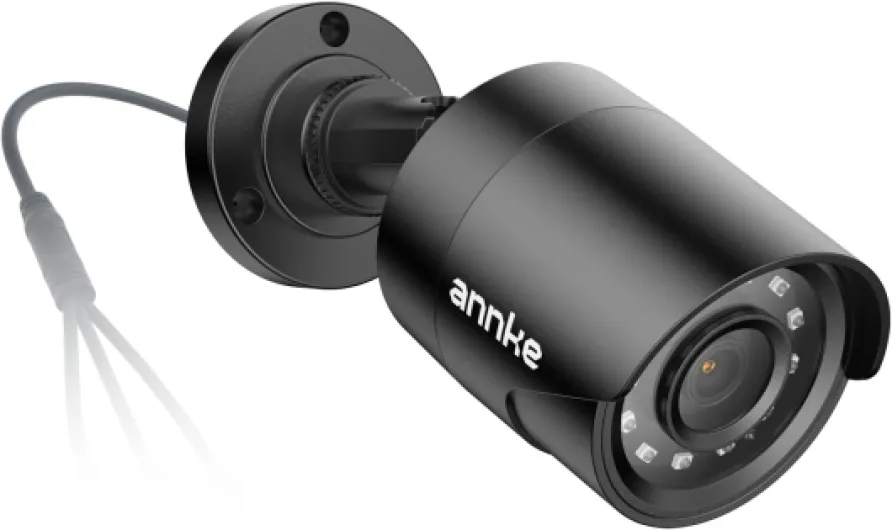
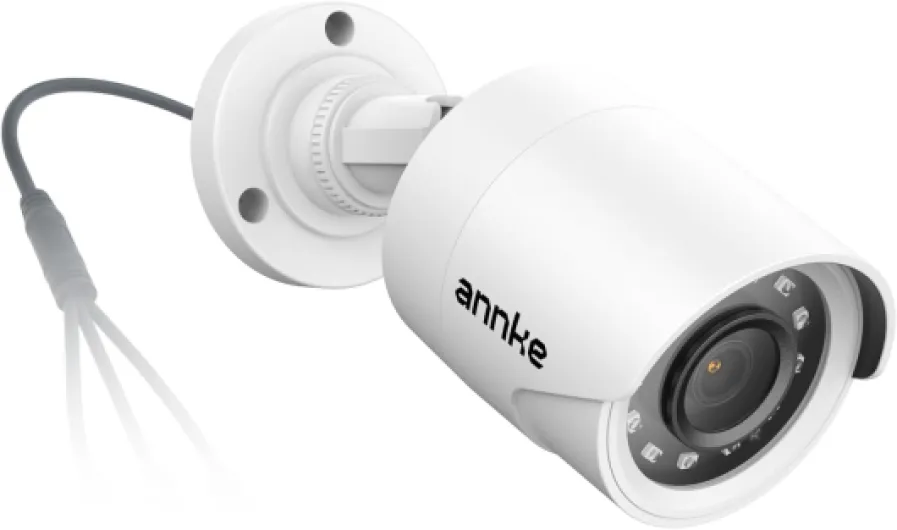
Homeowners often choose 1080p camera systems for their reliability and versatility. Brands like Annke offer a range of 1080p CCTV cameras, from simple cameras bullet models to advanced PTZ cameras with pan tilt zoom features. These systems are suitable for monitoring driveways, entrances, and even for plate recognition tasks. With the right hard drive and power supply, you can store weeks of surveillance video without worrying about running out of space.
For those interested in exploring a smart, reliable 1080p CCTV solution, you might want to check out this in-depth review of a top-rated home security camera that highlights the advantages of modern 1080p systems.
Comparing 1080p cctv with other resolutions
How 1080p Stacks Up Against Other Resolutions
When choosing a security camera system for your home, resolution is a key factor. 1080p CCTV cameras have become the standard for many homeowners, but it's important to understand how they compare to other options like 720p, 4K, and analog systems. Each resolution level impacts the clarity of your surveillance video, the ability to recognize faces or license plates, and even the storage needs on your DVR or NVR hard drive.
- 720p vs 1080p: 720p cameras offer basic HD video, but 1080p provides noticeably sharper images. This can make a difference when you need to identify details at night or from a distance, especially with features like color night vision or plate recognition.
- 1080p vs 4K: 4K cameras deliver ultra-high definition, but they require more bandwidth, larger hard drives, and often pricier NVRs. For most homes, 1080p strikes a balance between image quality and system cost, making it a smart choice for multi-channel camera systems.
- Analog vs HD (AHD/TVI): Traditional analog cameras are limited in clarity. Modern AHD cameras and TVI cameras support 1080p, giving you HD quality over existing coaxial cable (BNC), which is ideal for upgrading older systems without rewiring.
- Wired vs Wireless: Both wired security and wireless systems can support 1080p. Wired options like bullet cameras or PTZ cameras (pan tilt zoom) often deliver more stable video, while wireless cameras offer flexible installation but may face interference.
1080p is also widely supported by popular brands like Annke and is compatible with most DVRs, NVRs, and accessories such as video baluns and HDMI outputs. Whether you need a pro-grade PTZ camera for tilt zoom or a simple night vision camera, 1080p models are available in nearly every form factor.
For homeowners seeking a comprehensive setup, it's worth exploring how to choose the right 16 cameras for comprehensive home security. This guide can help you understand how resolution impacts overall coverage and system performance.
| Resolution | Typical Use | Pros | Cons |
|---|---|---|---|
| Analog (D1/CIF) | Legacy systems | Low cost, easy upgrades | Poor image quality |
| 720p HD | Entry-level HD | Better than analog, affordable | Limited detail |
| 1080p Full HD | Modern home security | Sharp images, good for license plate and face recognition, balanced storage | Higher storage than 720p, not as detailed as 4K |
| 4K Ultra HD | High-end/professional | Exceptional detail, wide coverage | Expensive, large storage needs, higher bandwidth |
Ultimately, 1080p CCTV cameras offer a practical mix of clarity, compatibility, and value for most home security needs. The right choice depends on your priorities, whether it's night vision, pan tilt zoom, or easy integration with existing cable and power supply setups.
Key features to look for in a 1080p cctv system
Essential Elements for a Reliable 1080p CCTV Setup
When choosing a 1080p CCTV camera system for your home, it’s important to focus on features that ensure both clarity and reliability. Not all security cameras are created equal, and the right combination of components can make a big difference in your surveillance video quality and overall experience.
- Camera Type: Decide between analog, AHD cameras, TVI cameras, or IP cameras. Analog and AHD systems often use BNC connectors, while IP cameras connect via network cables. PTZ cameras (pan tilt zoom) offer flexibility for monitoring larger areas, and bullet cameras are great for fixed-point coverage.
- Night Vision: Look for cameras with strong night vision or color night capabilities. This ensures you get usable footage even in low-light conditions, which is crucial for license plate recognition or identifying faces at night.
- Recording Device: Choose between a DVR (for analog, AHD, or TVI systems) or an NVR (for IP cameras). Make sure your DVR or NVR supports 1080p resolution and has enough channels for your current and future needs.
- Storage: A reliable hard drive is essential for storing surveillance video. Check the maximum supported capacity and consider how many days of footage you want to keep.
- Connectivity: HDMI outputs on your DVR or NVR provide crisp video display on modern monitors. Video baluns can help transmit video over longer distances using standard cable.
- Power Supply: Wired security cameras require a stable power supply. Some systems offer power over Ethernet (PoE), while others need separate power cables.
- Wireless Options: Wireless security cameras offer flexible installation but may be affected by Wi-Fi reliability. Consider your home’s layout and potential interference.
- Special Features: Features like pan tilt, tilt zoom, and plate recognition can add significant value, especially if you need to monitor driveways or entrances closely.
- Brand and Support: Established brands like Annke often provide better support, firmware updates, and compatibility with accessories.
For a deeper dive into how to match your camera system with the right monitor and setup, check out this guide on choosing the right camera and monitor setup for your home security. It covers practical tips to maximize your 1080p CCTV system’s performance.
Installation tips for optimal coverage
Strategic Placement for Maximum Security
Getting the most out of your 1080p CCTV cameras starts with careful placement. Position cameras to cover main entry points, driveways, and any blind spots around your home. For license plate recognition, angle the camera to capture clear images of vehicles entering or leaving. Pan tilt and PTZ cameras are ideal for monitoring larger areas, as they allow you to adjust the view remotely. Bullet cameras are effective for fixed coverage of specific zones, such as gates or walkways.
Choosing the Right Mounting and Connections
Mount your cameras at a height that deters tampering but still provides a clear video feed. Wired security systems using BNC cables and DVRs offer stable connections, while NVRs are suited for IP cameras. AHD cameras and TVI cameras are popular analog options, often compatible with existing cable infrastructure. For wireless setups, ensure a strong Wi-Fi signal to avoid video interruptions. Use video baluns if you need to extend cable runs without losing quality.
Optimizing Night Vision and Lighting
Night vision is a key feature in modern security cameras. To maximize color night vision, avoid pointing cameras directly at bright lights or reflective surfaces. Annke and other pro systems often include IR LEDs for better visibility in low-light conditions. For areas requiring extra clarity, consider adding external lighting or choosing cameras with advanced night vision capabilities.
Ensuring Reliable Power and Storage
Connect your cameras to a stable power supply to prevent outages. For wired systems, check that all cables are securely attached and protected from weather. If your camera system uses a hard drive for surveillance video storage, make sure it has enough capacity for your channel count and recording needs. HDMI outputs on DVRs or NVRs provide a clear way to monitor footage in real time.
Fine-Tuning for Special Requirements
- For plate recognition, use cameras with high frame rates and adjustable focus.
- PTZ cameras with tilt zoom functions are best for tracking movement across wide areas.
- Wireless systems offer flexibility but may need signal boosters for larger homes.
By following these installation tips, you can ensure your 1080p CCTV camera system delivers reliable, high-quality security coverage tailored to your property’s needs.
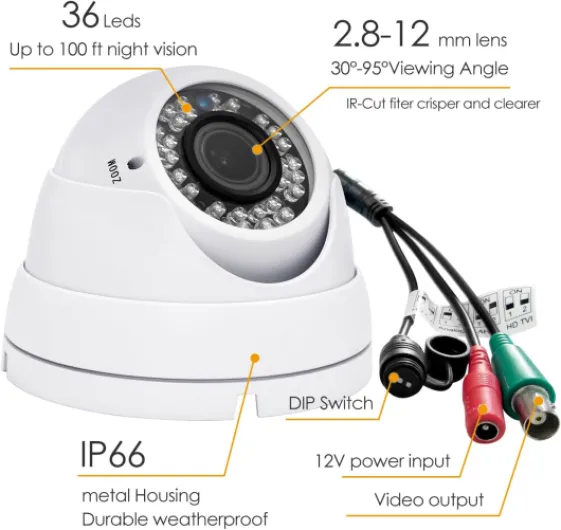
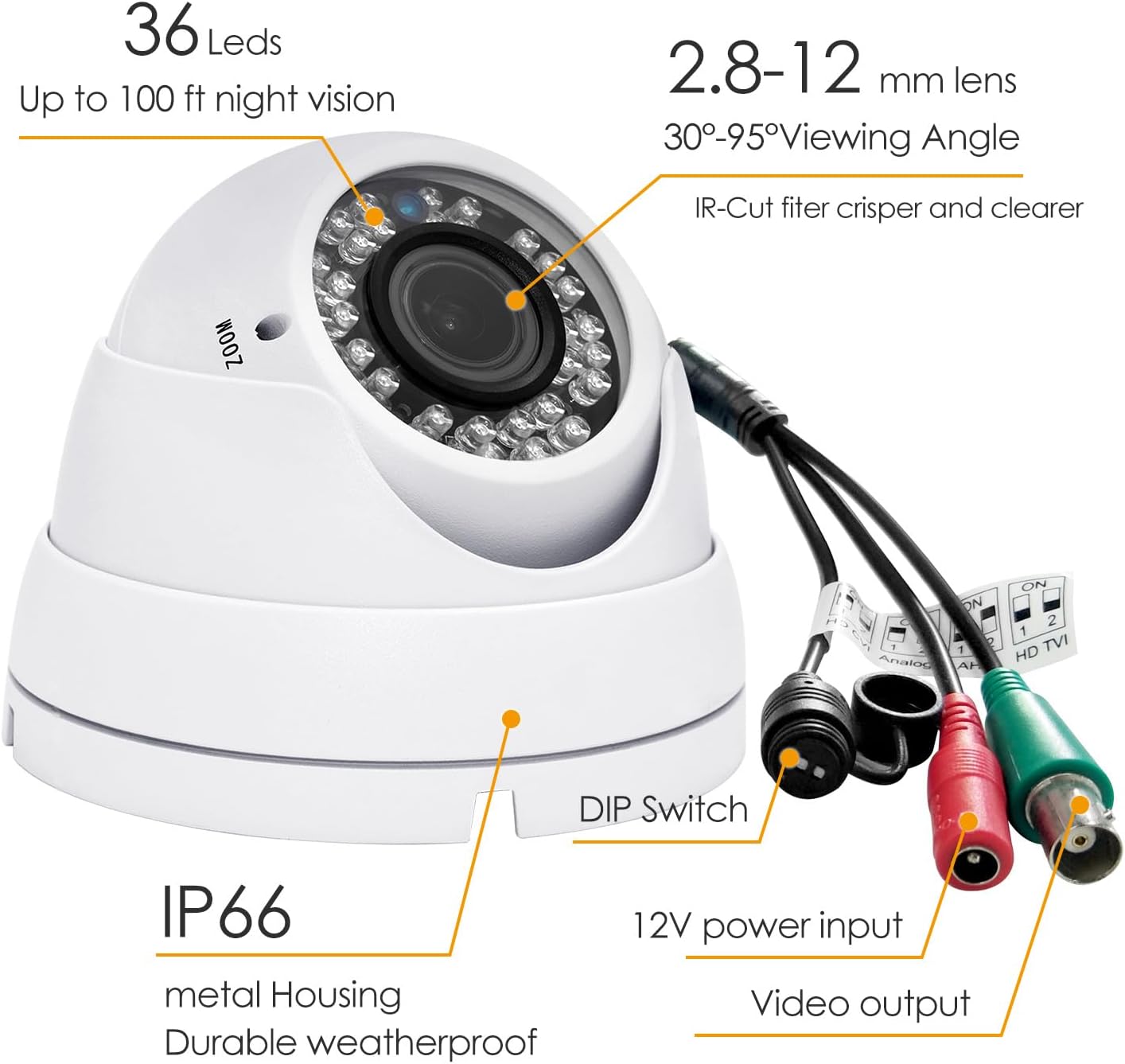
- + 1080P HD resolution for clear video
- + 4-in-1 compatibility (TVI/AHD/CVI/CVBS) works with most analog DVRs
- + Varifocal 2.8–12mm lens allows adjustable field of view
- + Weatherproof metal housing for durable outdoor use
- + 36 IR LEDs for enhanced night vision

Addressing privacy and legal considerations
Understanding Privacy Laws for Home CCTV
When installing 1080p CCTV cameras and other security systems at home, it’s important to be aware of privacy laws. In many regions, you are allowed to monitor your own property, but pointing cameras toward public areas or a neighbor’s home can raise legal issues. Always check local regulations before setting up your camera system, whether you use analog, wireless, or wired security cameras. This applies to all types, including bullet cameras, PTZ cameras, and systems with night vision or pan tilt zoom features.
Best Practices for Respecting Privacy
- Position cameras to avoid capturing footage beyond your property line.
- Inform visitors and household members that surveillance video is being recorded.
- Use privacy masking features available on many modern DVR, NVR, and AHD camera systems to block out sensitive areas in the video feed.
- Secure your footage with strong passwords and limit access to authorized users only.
Data Storage and Security
Storing video on a hard drive, DVR, or NVR means you are responsible for protecting that data. Choose systems with encrypted storage and regularly update passwords. If you use wireless cameras or cloud-based systems, ensure the connection is secure to prevent unauthorized access. Video baluns, BNC cables, and HDMI connections should also be checked for tampering, especially in analog setups.
Legal Use of Surveillance Footage
Footage from your security cameras can be useful for license plate recognition or evidence in case of incidents. However, sharing or publishing video that includes people without their consent may be restricted by law. Always consult local guidelines before sharing surveillance video outside your household or with third parties.
Special Considerations for Advanced Features
Features like color night vision, plate recognition, and PTZ camera tilt zoom add value to your security system, but they also increase the risk of capturing unintended areas. Regularly review your camera system’s field of view and adjust as needed to maintain privacy compliance. Brands like Annke and pro systems often include privacy settings—make sure to use them.
Troubleshooting common issues with 1080p cctv cameras
Dealing with Video Loss and Signal Problems
Video loss is a common issue in 1080p CCTV camera systems, especially with analog setups using BNC cables. If your security cameras suddenly stop displaying video, check the cable connections at both the camera and DVR or NVR. Loose or damaged cables, particularly with older analog or AHD cameras, can disrupt the channel signal. For wireless systems, interference from other devices or weak Wi-Fi can cause video dropouts. Upgrading to shielded cables or using video baluns for longer runs can help maintain a stable surveillance video feed.Addressing Night Vision and Image Quality Issues
Night vision is a key feature for home security, but sometimes the video appears too dark or blurry. Make sure the camera lens is clean and free of obstructions. For color night vision, ensure your cameras are positioned away from direct light sources that can cause glare. If your system supports IR cut filters, check that they are functioning properly. For bullet cameras or PTZ cameras with tilt and zoom, adjust the angle to avoid reflections. If you notice poor image quality, verify that your DVR or NVR is set to record at 1080p resolution and that your HDMI cable is securely connected to your monitor.Storage and Hard Drive Concerns
If your CCTV system is not recording footage, the hard drive may be full or malfunctioning. Regularly check storage status in your DVR or NVR settings. For systems with license plate recognition or plate recognition features, high-resolution video can fill up storage quickly. Consider upgrading to a larger hard drive or enabling motion detection to save space. For wireless or analog systems, make sure the recording schedule is properly configured.Power Supply and Camera Reboots
Cameras that randomly reboot or lose connection may be experiencing power supply issues. Inspect the power adapters and cables for wear. For multi-channel systems, ensure the power supply can handle the total load. PTZ cameras and tilt zoom models often require more power, so dedicated power sources or PoE (Power over Ethernet) may be necessary for stable operation.Remote Access and App Connectivity
Many modern security camera systems offer remote viewing via mobile apps. If you can’t access your cameras remotely, check your network settings and ensure your DVR or NVR is connected to the internet. Update the firmware on your camera system and apps to the latest version. For ANNKE or other pro brands, consult the manufacturer’s support for troubleshooting steps specific to your model.- Always keep your system firmware updated for improved security and performance.
- Label cables and channels for easier troubleshooting in multi-camera setups.
- For advanced features like PTZ or plate recognition, refer to the user manual for calibration tips.