

Understanding the role of the security alarm battery in home cameras
Why the Right Alarm Battery Matters for Home Security Cameras
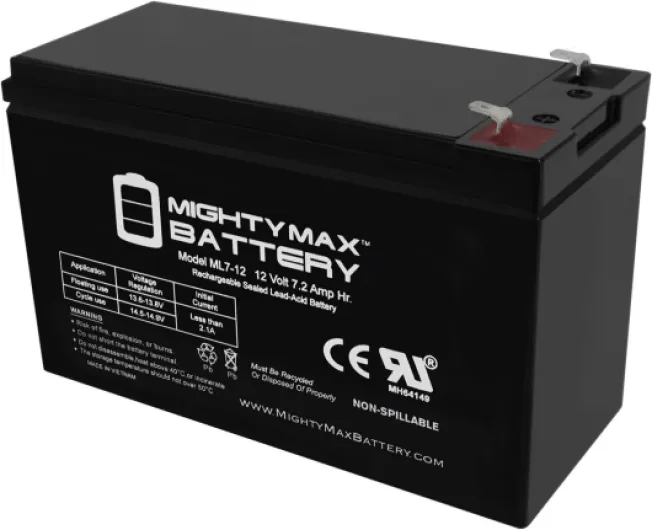
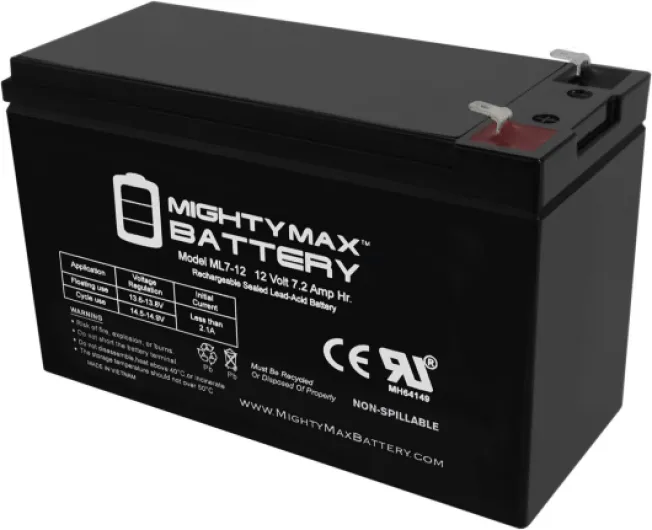
When it comes to home security, the battery inside your alarm system is more important than many realize. The alarm battery is the heart of your security alarm, providing backup power to keep your cameras and sensors running during power outages. Whether you have a Honeywell Ademco, Ademco Vista, or another popular system, the right battery ensures your home stays protected at all times.
How Alarm Batteries Support Your Security System
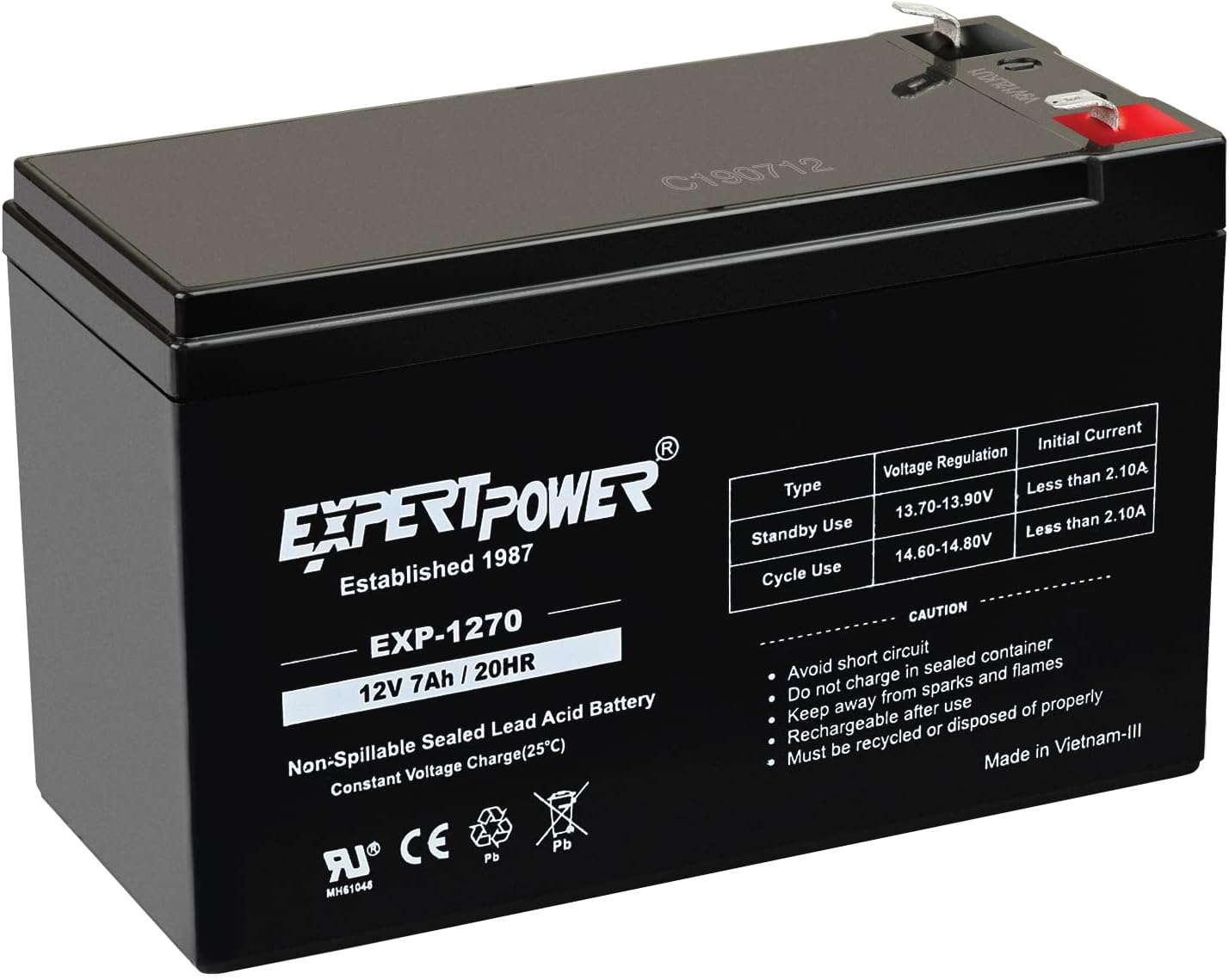
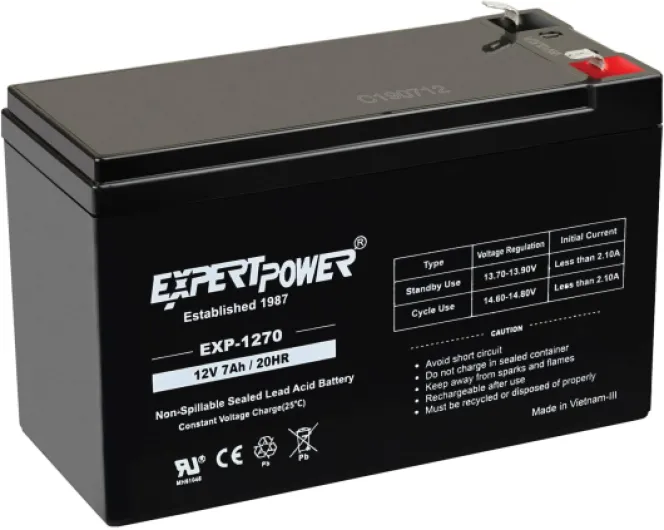
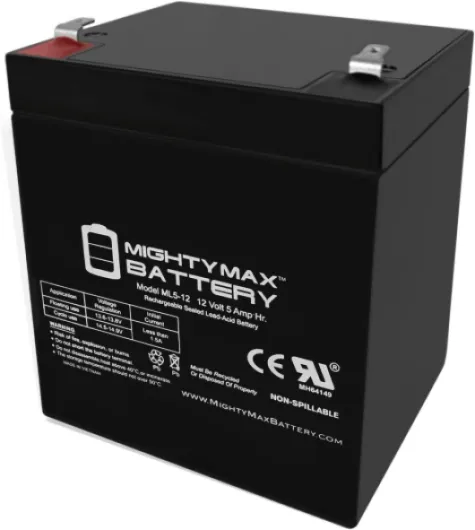
Most modern security alarm systems use sealed lead acid (SLA) or AGM (Absorbent Glass Mat) technology batteries. These batteries are maintenance free and designed to deliver reliable power for extended periods. The battery type, such as AJC battery or OEM replacement, can impact the current price, lifespan, and overall performance of your alarm system. Choosing an original or OEM replacement battery helps maintain the system’s integrity and reliability.
- Continuous Power: Alarm batteries provide backup power, so your cameras and alarms keep working even if the electricity goes out.
- System Health: A well-maintained battery prevents false alarms and ensures your security system is always ready.
- Compatibility: Using the correct battery, like a 12 volt sealed lead acid or an AJC battery, is crucial for optimal performance and safety.
What to Know About Battery Price and Replacement
The price of alarm batteries varies depending on the brand, technology, and capacity. While some may look for the lowest price, it’s important to consider the original price versus the current price, as well as the full details of the battery’s specifications. Investing in a quality battery, such as an SLA AGM or a maintenance free model, can save you money and hassle in the long run.
Understanding the role of your alarm battery is the first step to keeping your home security cameras running smoothly. For more insights on how battery life impacts your system, check out this guide on the lifespan of Ring camera batteries.

Types of batteries used in security alarm systems
Comparing Common Battery Types for Security Alarm Systems
When selecting a battery for your home security alarm, understanding the different types available is essential. The most common options include sealed lead acid (SLA), absorbed glass mat (AGM), and OEM replacement batteries. Each type offers unique benefits in terms of technology, maintenance, and price.
- Sealed Lead Acid (SLA) Batteries: These are widely used in security alarm systems due to their reliability and cost-effectiveness. SLA batteries are maintenance free, meaning you don’t need to top up fluids or perform regular checks. They are also known for their stable power output and compatibility with many alarm models, including Honeywell Ademco and Ademco Vista systems.
- AGM Technology: AGM batteries, such as the AJC battery, use absorbed glass mat technology to hold the acid, making them spill-proof and enhancing their safety profile. AGM batteries are also maintenance free and tend to have a longer lifespan compared to traditional lead acid batteries. They are often chosen for their durability and ability to deliver consistent power, even in demanding security setups.
- OEM Replacement Batteries: These batteries are designed to match the original specifications of your security alarm system. Choosing an OEM replacement ensures compatibility and optimal performance. Always check the full details and current price before purchasing to ensure you’re getting the right fit for your system.
Key Factors When Choosing Alarm Batteries
When evaluating alarm batteries, consider the following:
- Voltage and Capacity: Most home security alarms use 12 volt sealed batteries. Check your system’s requirements for the correct voltage and amp-hour rating.
- Maintenance Requirements: Maintenance free options like SLA AGM batteries reduce the need for regular checks and are ideal for homeowners seeking convenience.
- Price and Value: Compare the original price, current price, and features. Sometimes, a slightly higher price for an AGM or OEM battery can mean better longevity and fewer replacements over time.
- Brand and Compatibility: Stick with reputable brands and ensure the battery is compatible with your alarm system. Look for models that specify compatibility with popular systems such as Honeywell Ademco or Ademco Vista.
For a deeper dive into how long these batteries typically last and what impacts their lifespan, you can view full details on battery lifespan here.
How to check and monitor your security alarm battery health
Simple Steps to Monitor Your Alarm Battery’s Health
Keeping your home security alarm battery in good shape is essential for reliable protection. Regular checks help you avoid sudden power loss, false alarms, or system downtime. Here’s how you can easily monitor the health of your alarm batteries, whether you use sealed lead acid (SLA), AGM technology, or OEM replacement batteries.
- Visual Inspection: Open your security alarm panel and look for any signs of swelling, leaks, or corrosion on the battery terminals. This is especially important for lead acid and sealed lead batteries, which can show visible wear over time.
- Check Battery Voltage: Use a multimeter to measure the current voltage. Most home alarm systems use 12 volt sealed batteries. If the voltage drops below the recommended level (usually around 12.6V for a full charge), it’s time to consider a replacement battery.
- Monitor System Alerts: Many modern security alarm systems, like Honeywell Ademco or Ademco Vista, will alert you if the battery is low or needs maintenance. Always respond promptly to these notifications.
- Review Battery Age: Even maintenance free batteries like AJC battery or SLA AGM types have a limited lifespan. Check the installation date and compare it to the manufacturer’s recommended replacement interval, often listed in the full details or product manual.
- Test Backup Power: Simulate a power outage to ensure your alarm batteries can keep the system running. If the alarm fails to operate on battery power, it’s a clear sign the battery needs attention.
What to Look for in Battery Specifications
When checking your battery, pay attention to details like the original price, current price, and whether you’re using an OEM replacement or an aftermarket option. AGM technology and maintenance free designs are popular for their reliability and low upkeep. Always verify the battery’s amp-hour rating and compatibility with your security system model.
For those managing multiple cameras or a comprehensive alarm setup, it’s wise to view full system requirements to ensure your batteries provide adequate power.
Tips for Ongoing Maintenance
- Keep a log of battery checks and replacements for future reference.
- Store spare alarm batteries in a cool, dry place to extend shelf life.
- Choose original or OEM replacement batteries for best performance and warranty support.
Regular monitoring and proper maintenance of your security alarm battery will help you avoid unexpected issues and keep your home protected at all times.
When and how to replace your security alarm battery
Recognizing the Right Time for Battery Replacement
Security alarm batteries are crucial for keeping your home cameras powered and reliable. Over time, even the best batteries—like sealed lead acid (SLA), AGM technology, or OEM replacement models—lose their ability to hold a full charge. If you notice your alarm system sending low battery alerts, or your cameras shutting down unexpectedly, it’s a clear sign that a replacement battery is needed. Regular maintenance checks help you catch these issues early, avoiding gaps in your security coverage.
Steps to Replace Your Security Alarm Battery
- Identify the battery type: Check your system’s manual or the current battery label for details. Common types include SLA AGM, lead acid, and maintenance free batteries. Brands like AJC, Honeywell Ademco, and Ademco Vista often use specific models, so verify the OEM or AJC battery requirements.
- Purchase the correct replacement: Compare the original price and current price of alarm batteries. Look for full details on compatibility, voltage (such as 12 volt sealed), and whether the battery is maintenance free. Buying from reputable sources ensures you get an original or OEM replacement, which is important for safety and longevity.
- Power down your alarm system: Before replacing, always turn off the security alarm to avoid electrical issues or false alarms.
- Remove the old battery: Carefully disconnect the terminals, noting their orientation. Some batteries may have acid residue, so handle with care.
- Install the new battery: Connect the new battery, ensuring terminals are secure and match the original configuration. Double-check that the replacement battery fits snugly in the compartment.
- Restore power and test: Turn the alarm system back on and view full system status to confirm the new battery is recognized and charging properly.
Tips for Maximizing Battery Life and Value
- Choose maintenance free or sealed lead batteries for less frequent upkeep.
- Keep track of the installation date and monitor the battery’s health regularly, as discussed in earlier sections.
- Compare price, warranty, and technology features before purchasing. Sometimes, the original price may be higher, but OEM or AJC batteries often provide better reliability and longer service life.
By following these steps and using quality alarm batteries, you ensure your home security system remains dependable and effective. Always consult your camera’s manual for full details and recommended battery models.
Troubleshooting common battery issues in home security cameras
Identifying and Resolving Battery Problems in Security Cameras
When your security alarm system starts acting up, the battery is often the first place to check. A weak or faulty battery can cause false alarms, loss of power, or even system failure. Here are some practical steps to troubleshoot common battery issues in home security cameras:- Alarm Not Powering On: If your security alarm or camera does not turn on, verify the battery connections. Loose terminals or corroded contacts can interrupt power. For sealed lead acid (SLA) or AGM batteries, check for any visible swelling or leaks, which indicate the need for immediate replacement.
- Frequent Low Battery Warnings: Repeated alerts may signal that your battery is nearing the end of its lifespan. Compare the current price and specifications of OEM replacement batteries like AJC battery or Honeywell Ademco models to ensure compatibility and performance. Maintenance free AGM technology batteries are often recommended for their reliability and longevity.
- Short Runtime After Charging: If your battery drains quickly, it could be due to age, improper charging, or using a non-original replacement. Always use batteries that match the original price and full details provided by the manufacturer. For example, an AJC battery with SLA AGM technology is a common choice for Ademco Vista and similar systems.
- Alarm Sounds During Power Outage: If your alarm fails to operate during a blackout, the backup battery may be depleted or not holding charge. View full details on your system’s battery requirements and consider a sealed lead acid or AGM replacement battery for better backup performance.
- Corrosion or Acid Leaks: Lead acid batteries can sometimes leak, causing corrosion around the terminals. This can affect the power supply and trigger system errors. Clean the contacts carefully and replace the battery if you notice any acid residue or damage.
Tips for Preventing Future Battery Issues
- Regularly check the battery health and voltage using a multimeter or the system’s built-in diagnostics.
- Choose maintenance free, sealed lead acid or AGM batteries for reduced upkeep and longer service life.
- Keep a record of the original price and current price of batteries for budgeting future replacements.
- Always opt for OEM replacement batteries to maintain warranty and system reliability.
Eco-friendly disposal and recycling of old security alarm batteries
Safe and Responsible Battery Disposal
When your security alarm battery reaches the end of its life, it’s important to dispose of it properly. Most alarm batteries, including sealed lead acid (SLA), AGM, and AJC batteries, contain materials that can harm the environment if not handled correctly. Never throw old batteries in the regular trash. Instead, use dedicated recycling centers or battery collection points. Many retailers and local waste facilities accept used batteries for safe processing. This helps prevent acid leaks and keeps toxic substances out of landfills.
Understanding Battery Types and Recycling Options
Different battery technologies require different disposal methods. For example, lead acid and sealed lead batteries, commonly found in security alarm systems like Honeywell Ademco or Ademco Vista, must be recycled according to local regulations. AGM technology batteries and maintenance free options, such as OEM replacement or AJC battery models, should also be handled with care. Always check the full details on your battery label or manufacturer’s website for specific recycling instructions. If you’re unsure, contact your local recycling authority for guidance.
What to Do Before Recycling
- Remove the battery from your security alarm system following the same safety steps you use during replacement or maintenance.
- Store old batteries in a cool, dry place away from direct sunlight until you can take them to a recycling center.
- Do not attempt to open or dismantle sealed batteries, as this can expose you to harmful chemicals.
Reducing Environmental Impact
Choosing eco-friendly options, such as maintenance free or AGM technology batteries, can help reduce your environmental footprint. Some brands offer recycling programs or incentives for returning old alarm batteries. When purchasing a new replacement battery, consider the original price, current price, and whether the manufacturer supports sustainable disposal. This not only supports the environment but can also help you find the best value for your next purchase.
| Battery Type | Common Use | Disposal Method |
|---|---|---|
| Lead Acid (SLA, AGM) | Security alarm systems, Honeywell Ademco, Ademco Vista | Recycle at certified centers |
| OEM Replacement | Direct replacement for original batteries | Follow manufacturer’s recycling guidelines |
| AJC Battery | Maintenance free, sealed lead acid | Return to battery retailers or recycling points |
By taking these steps, you ensure your old alarm batteries are handled safely and responsibly, protecting both your home and the environment while staying up to date with the latest in security technology and maintenance practices.