

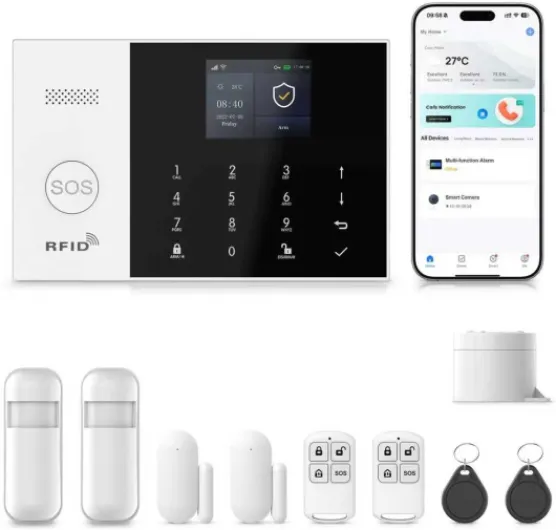
Understanding the role of alarm siren home systems
Why Alarm Sirens Matter in Home Security
Alarm siren systems are a crucial part of any home security setup. Their main job is to alert you and others nearby when there’s a potential threat, like a break-in or unauthorized entry. The loud sound from a siren can scare off intruders and quickly notify you, your neighbors, or even a monitoring service that something is wrong. This immediate response is often the difference between a minor scare and a major loss.
How Alarm Sirens Work with Other Security Products
Alarm sirens don’t work alone. They are usually part of a larger security system that includes devices like motion detectors, contact sensors, and security cameras. When a sensor detects motion or a door opens unexpectedly, the alarm system triggers the siren. Some systems are smart and can send real time alerts to your phone or a base station, especially if they are connected to the internet via wifi. This integration helps you stay informed, whether you’re at home or away.
- Alarm sirens can be powered by batteries or connected to your home’s power supply. Battery life is important if you want uninterrupted protection during power outages.
- Many modern systems are compatible with smart home products, letting you control your alarm from your phone or voice assistant.
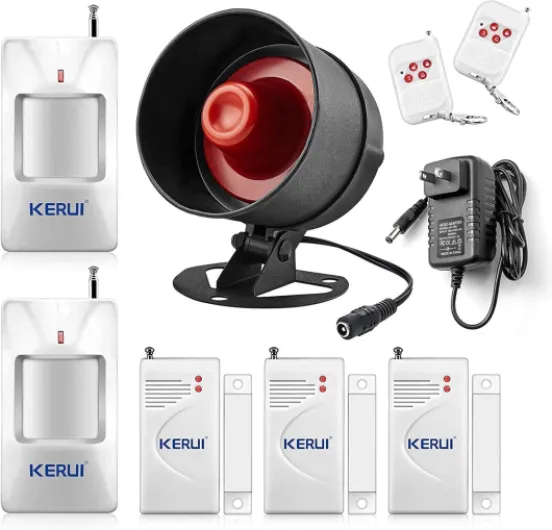
- Some alarm sirens are sold separately as add-ons to existing security kits, while others come as part of a complete kit.
Choosing the Right Alarm Siren for Your Needs
There are many alarm siren products available, from basic models to advanced smart systems. When looking at reviews on sites like Amazon, pay attention to details like volume, battery life, and whether the product is compatible with your current security system. Some people prefer a wired alarm for reliability, while others like the flexibility of wireless options. If you run a home business, you might need a more robust system with a backup power battery and internet connection for real time monitoring.
For those considering using indoor security cameras outside as part of their alarm system, it’s important to understand the limitations and best practices. You can find more information on this topic in this guide to using indoor cameras outdoors.
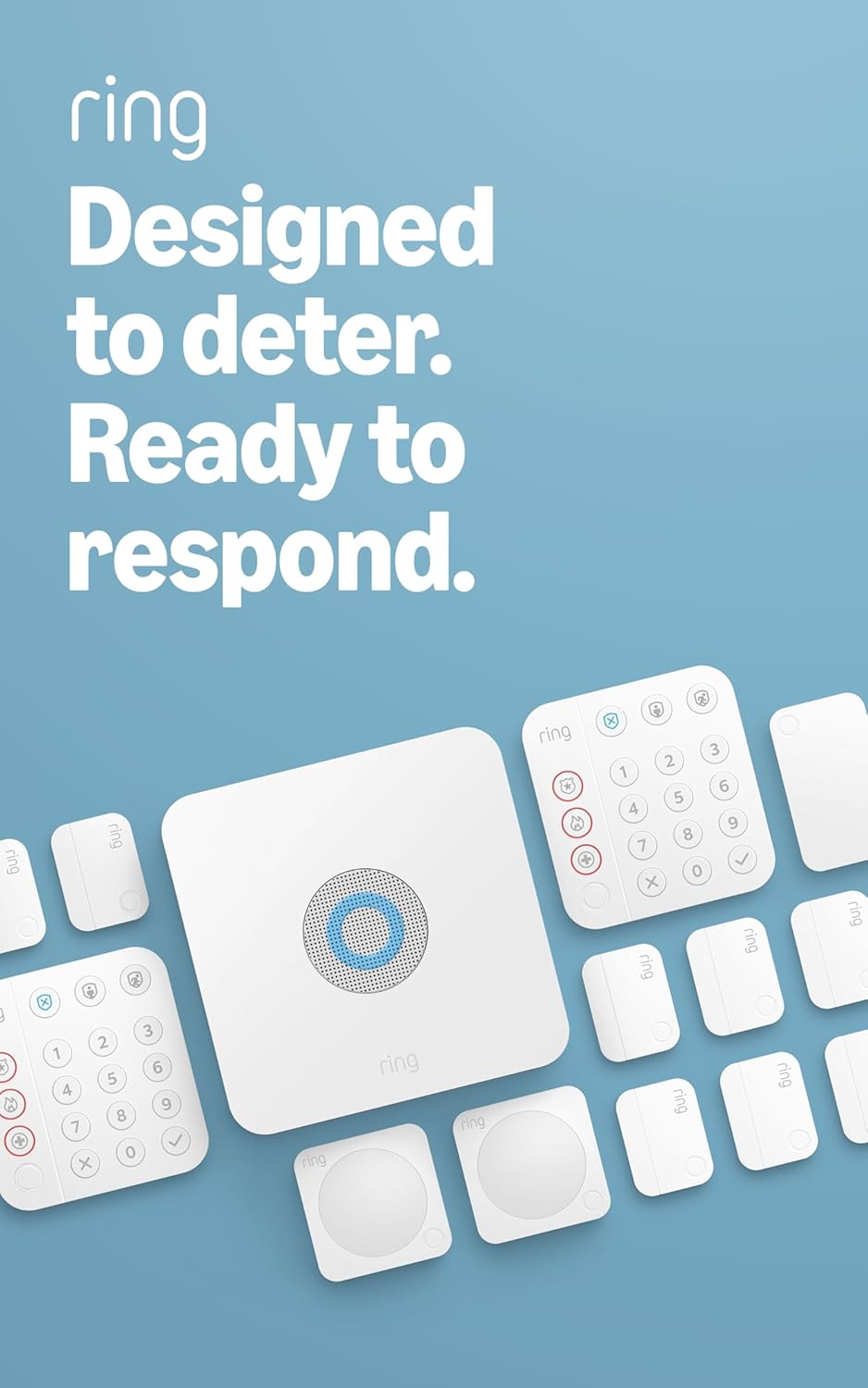
- + Comprehensive 14-piece kit suitable for home or small business
- + Wireless design allows flexible sensor placement
- + Expandable system so you can add more sensors later
- + Easy setup with simple plug-and-play installation
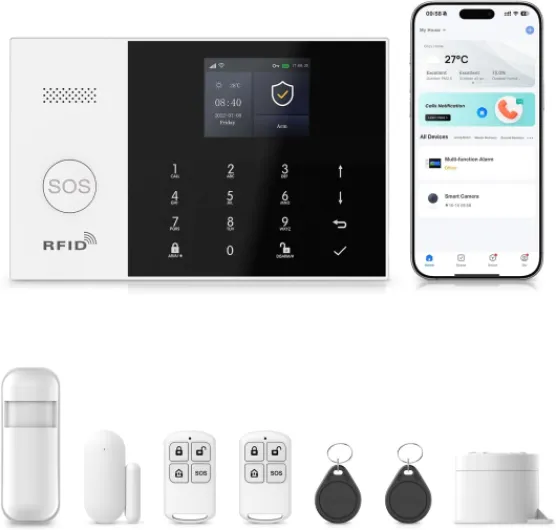
- + Mobile App Control for remote monitoring and real-time alerts

Key features to look for in alarm siren home systems
Essential Qualities for Reliable Alarm Sirens
When choosing an alarm siren system for your home or business, it’s important to focus on features that actually improve security and fit your lifestyle. Not all products are created equal, and details matter. Here’s what to look for when comparing alarm sirens and security kits:
- Sound Power and Volume: The main job of an alarm siren is to alert you and scare off intruders. Look for sirens with a loud decibel rating (often 100dB or more). A powerful siren can make a real difference in emergency situations.
- Smart Home Compatibility: Many modern alarm systems are designed to work with smart home platforms. Check if the product is compatible with your existing smart devices, such as Amazon Alexa, Google Home, or Apple HomeKit. This makes it easier to control your security system and receive real-time alerts.
- Wireless vs Wired Options: Some alarm sirens connect via wifi, while others use wired connections. Wireless systems are easier to install and move, but wired alarm sirens can offer more reliable power and fewer interruptions. Consider your home’s layout and internet connection reliability.
- Battery Life and Power Backup: A good alarm system should keep working even during power outages. Look for sirens with long-lasting battery life or a backup power battery. This ensures your security system stays active when you need it most.
- Sensor Integration: The best alarm sirens work seamlessly with other security products, like motion detectors, contact sensors, and security cameras. A complete security kit often includes these features, but some items may be sold separately. Make sure your chosen system supports easy integration.
- Remote Control and App Support: Many top-rated products let you manage your alarm system through a mobile app. This allows you to arm or disarm the system, tap into live alerts, and check status from anywhere with an internet connection.
- Professional Reviews and Ratings: Before making a decision, read product reviews from trusted sources and real users. Sites like Amazon can provide insights into battery life, ease of installation, and overall reliability.
For those considering providers in specific areas, it’s wise to research alarm security providers in Tustin or your local region. This can help you find systems that are well-supported and compatible with your needs.
Remember, the right alarm siren system is not just about loud noise. It’s about how well the system fits into your home security setup, how easy it is to use, and how reliably it can protect your property. Always check the details before you buy, and consider how each feature will work in your daily life.
Integrating alarm sirens with home security cameras
How Alarm Sirens and Security Cameras Work Together
Combining an alarm siren with your home security camera system can significantly improve your overall security. While a camera records and sends real time alerts, an alarm siren acts as an immediate deterrent, drawing attention and potentially scaring off intruders. When integrated, these products create a more responsive and visible security system for your home or home business.
- Automated Triggers: Many smart home security kits allow the alarm siren to activate automatically when the camera detects motion or a contact sensor is triggered. This seamless connection between sensor motion, camera, and siren ensures a quick response.
- Centralized Control: Using a base station or compatible app, you can manage both your alarm system and cameras from one interface. This makes it easier to monitor details, adjust settings, and review footage or alarm events in real time.
- Power and Connectivity: For reliable integration, consider the power supply and internet connection requirements. Wired alarm sirens may need a stable power source, while wireless options often rely on battery life or wifi. For more on this, check out this guide on power supply for video surveillance cameras.
- Compatibility: Not all alarm sirens are compatible with every security camera system. Always review product details and reviews, especially if you’re purchasing from Amazon or considering a security kit where some components may be sold separately.
When choosing your alarm home system, look for products that offer easy integration with your existing cameras, whether you prefer a wired alarm or a smart wifi-enabled solution. This approach ensures your alarm security setup is both robust and user-friendly, providing peace of mind for your home or business.
Wired vs wireless alarm siren systems
Comparing Wired and Wireless Alarm Siren Options
When choosing an alarm siren system for your home or business, one of the most important decisions is whether to go with a wired or wireless setup. Each type has its own strengths and limitations, and understanding these can help you select the right product for your security needs.
- Wired Alarm Siren Systems: These systems connect directly to your power supply and often to a central base station. Wired alarms are known for their reliability, as they are less susceptible to interference and do not depend on battery life or wifi connectivity. However, installation can be more complex and may require professional help, especially if you want to hide cables for a cleaner look. Wired systems are often preferred for larger properties or home business setups where consistent power and real time alerts are critical.
- Wireless Alarm Siren Systems: Wireless options have become increasingly popular thanks to advances in smart home technology. These systems use wifi or other wireless protocols to communicate between the siren, motion detector, contact sensor, and base station. Wireless alarm sirens are easier to install, often requiring just a few taps on your smart device to connect. They are ideal for renters or those who want a flexible security kit that can be moved or expanded. However, they rely on battery power and a stable internet connection, so regular checks on battery life and wifi strength are important.
Factors to Consider Before Buying
- Power Source: Decide if you prefer a system that plugs into your home’s power or one that runs on batteries. Some products offer both options for added security.
- Compatibility: Make sure the alarm siren is compatible with your existing security system, smart home devices, or security cameras. Some kits are sold separately and may require a specific base station or app.
- Internet Connection: For wireless systems, a strong and reliable internet connection is crucial for real time alerts and remote control features.
- Installation: Consider whether you want a DIY installation or if you’d prefer a pro to handle the details. Wired systems may need more expertise, while wireless kits are often designed for easy setup.
What Reviews Say
Looking at reviews on sites like Amazon can provide insight into how different alarm sirens perform in real homes. Pay attention to comments about battery life, ease of installation, and how well the siren integrates with other security products. Some users highlight the importance of having a backup power battery for wireless systems, especially in areas prone to outages.
Whether you choose a wired or wireless alarm siren, the right system will enhance your home security and give you peace of mind. Always check the product details, look for a security kit that fits your needs, and consider how the siren will work with your motion detectors, contact sensors, and security cameras for a complete alarm home solution.
Installation tips for alarm siren home systems
Preparing for Installation: What You Need to Know
Before you start installing your alarm siren system, it’s important to gather all the necessary details about your home and the products you’ve chosen. Check if your alarm kit is compatible with your existing security system, smart home devices, and internet connection. Many modern alarm sirens, like those found in popular security kits on Amazon, offer both wired and wireless options. Decide early if you prefer a wired alarm for continuous power or a wireless model for easier placement and battery life.
Step-by-Step Setup for Reliable Security
- Choose the Right Location: Position the alarm siren in a spot where the sound will cover the main entry points. Avoid placing it near heavy curtains or soft furnishings that could muffle the sound.
- Power Source: If you’re using a wired alarm, ensure there’s a nearby power outlet. For wireless sirens, check the battery life and keep spare power batteries on hand.
- Connect to the Base Station: Most smart alarm systems require the siren to be linked to a base station. Follow the product instructions for pairing, and make sure your wifi or internet connection is stable for real time alerts.
- Integrate with Sensors: Attach motion detectors and contact sensors at doors and windows. Test each sensor motion and contact sensor to confirm they trigger the siren as expected.
- Test the System: After setup, run a full test of your alarm security system. Tap into the app or control panel to check if the siren, sensors, and camera (if included) are working together.
Professional Tips for a Smooth Installation
- Read product reviews and installation guides before starting. Some products are sold separately and may require additional accessories.
- If your home business or property is large, consider a security kit with multiple alarm sirens for wider coverage.
- Keep your alarm system firmware updated for the latest security features and compatibility with smart home platforms.
- For advanced setups, consult a pro installer, especially if integrating with other smart home products or a complex security system.
Taking the time to plan your installation and understanding your alarm home system’s requirements will help you avoid common mistakes and get the most out of your security investment.
Common mistakes to avoid with alarm siren home systems
Overlooking Compatibility and Connectivity
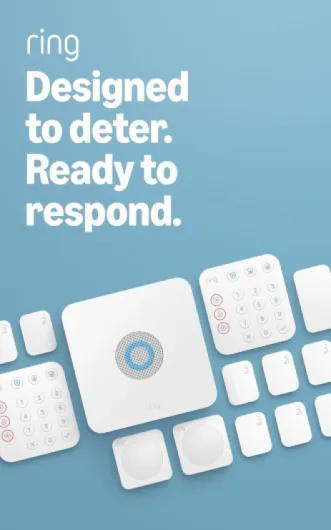
One of the most common mistakes when setting up an alarm siren system is not checking if the product is compatible with your existing home security kit or smart home devices. Many alarm sirens require a specific base station or work only with certain brands. For example, some systems are only compatible with Ring or other smart home platforms, while others need a dedicated internet connection or wifi to function properly. Always review the product details and reviews on sites like Amazon to confirm compatibility before purchasing.Ignoring Power and Battery Requirements
Another frequent issue is underestimating the importance of power sources. Wired alarm sirens need reliable power, while wireless models rely on battery life. If you forget to check the power battery status or don't have a backup plan, your alarm system might fail during an outage. Pro tip: Look for alarm sirens with long battery life or those that alert you in real time when the battery is low.Poor Placement of Sensors and Sirens
The effectiveness of your alarm home system depends on where you place the siren and sensor motion or contact sensor devices. Placing them too far from the base station or in areas with weak wifi can cause delays or missed alerts. Make sure your alarm sirens are installed in locations where the sound can be heard throughout your home or business, and that all sensors have a strong internet connection to the system.Neglecting Regular Testing and Updates
Many users install their alarm security system and forget to test it regularly. Without routine checks, you might miss issues like a disconnected sensor or a siren that isn’t working. Set reminders to test your system and update the firmware of your smart products to ensure optimal performance.Not Reading the Fine Print
Some alarm sirens or security kits are sold separately from essential components like motion detectors or contact sensors. Always read the product details carefully to avoid missing key parts of your alarm system. If you’re buying a kit, confirm what’s included and what needs to be purchased separately.- Check compatibility with your home security and smart home devices
- Monitor power and battery life for both wired and wireless systems
- Place alarm sirens and sensors strategically for maximum coverage
- Test your system and update software regularly
- Review product details to ensure all necessary components are included