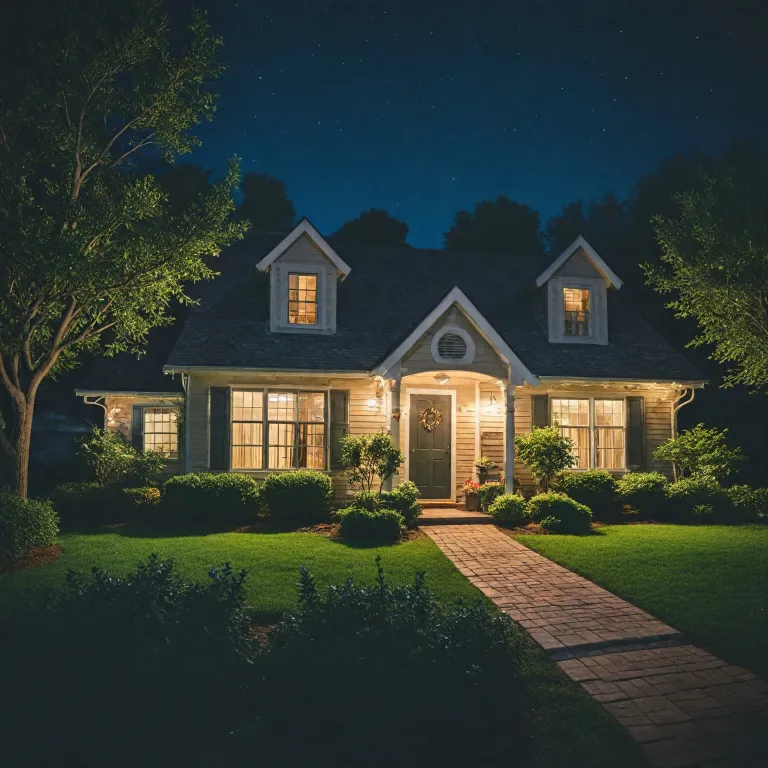

Understanding how color night vision cameras work
How modern cameras capture color at night
Traditional security cameras often switch to black and white when it gets dark, making it hard to see important details. Color night vision cameras, however, use advanced sensors and special lighting technology to keep the image in full color even in low light conditions. This means you can see the true color of clothing, cars, or other objects, which can be crucial for security and identification.
The role of sensors and lighting
At the heart of a color night vision camera is an ultra low light sensor. These sensors are designed to absorb more light than standard ones, allowing the camera to produce a full color image even when there’s very little light available. Some models, like certain Reolink cameras, also use built-in spotlights or LEDs to add just enough light color for the sensor to capture a clear, colorful picture. This combination of sensor and lighting is what sets color night vision apart from older night vision security cameras.
What makes color night vision different?
- Image quality: Full color images at night help improve picture quality and make it easier to spot details.
- Field view: Many color night vision cameras offer a wide field of view, so you can monitor more of your property.
- Real time detection: With better image quality, motion detection is more accurate, reducing false alarms.
- Low light performance: Ultra low light sensors mean the camera will work in conditions where older cameras would struggle.
Technology and price considerations
While color night vision technology is becoming more common, there are differences in price and performance. Some of the best security cameras on Amazon and other retailers offer full color night vision at a reasonable price, but it’s important to compare features like sensor quality, video resolution, and detection range in feet. Reolink cameras, for example, are known for their balance of price and image quality, making them a popular choice for home security.
For a deeper look at how answering machine detection can enhance your home security camera system, check out this guide on answering machine detection.
Key advantages of color night vision for home security
Enhanced Visibility in Low Light Conditions
Color night vision cameras stand out by delivering full color images even in ultra low light. Unlike traditional night vision security cameras that rely on infrared and produce black and white footage, these advanced models use powerful sensors and special light technology. This means you get a clearer picture of what’s happening around your home, whether it’s dusk, dawn, or the middle of the night. The ability to see real time color details—like the color of a car or clothing—can make a big difference in identifying people or objects.
Improved Motion Detection and Security
With color night vision, motion detection becomes more accurate. Cameras can better distinguish between people, animals, and moving objects because of the richer image quality. Some of the best security cameras, such as Reolink cameras, use advanced sensors that adapt to changing light conditions, ensuring you get reliable motion alerts. This helps reduce false alarms and increases the effectiveness of your home security system.
Better Evidence for Investigations
Full color video footage provides law enforcement and homeowners with more useful evidence. Details like light color, clothing, and vehicles are easier to spot and verify. This can be crucial when reviewing footage after an incident. The improved picture quality, especially in ultra low light, means you’re less likely to miss important details that could help resolve a security issue.
Wider Field of View and Coverage
Many modern color night vision cameras offer a wider field view, allowing you to monitor larger areas with fewer devices. This can be more cost effective, especially when comparing price and coverage on platforms like Amazon. A single camera with a broad field view and full color night vision can replace multiple standard cameras, making it easier to secure your property.
Flexible Installation and Integration
Color night vision security cameras are available in various models, from budget friendly to high end. Whether you need a camera for your front door or to cover your entire yard, there are options to fit your needs. Many of these cameras are compatible with existing security systems and can be integrated with smart home devices for added convenience.
For more on how to boost your camera’s night performance, check out this guide on infrared illuminators for security cameras.
Limitations and challenges of color night vision cameras
Challenges with Low Light and Color Accuracy
While color night vision cameras promise full color images even in ultra low light, their performance can vary depending on the environment. These cameras rely on advanced sensors and supplemental lighting, such as built-in spotlights or ambient street lights, to capture color details at night. In areas with very little or no light, the camera sensor will struggle to deliver accurate color, sometimes resulting in washed-out or unnatural hues. This can affect the overall image quality and make it harder to identify important details in the video footage.
Price and Technology Trade-Offs
Color night vision security cameras often come at a higher price compared to traditional infrared night vision models. The technology required for full color night vision, including high-quality sensors and powerful image processing, adds to the cost. While brands like Reolink offer some of the best value options on Amazon, buyers should be aware that ultra low light performance and real time color video may require investing in higher-end models. Budget-friendly cameras may compromise on picture quality, field view, or motion detection capabilities.
Potential for Light Pollution and Privacy Concerns
To achieve color images at night, many cameras use visible light LEDs. This can lead to light pollution, especially if the camera is installed near neighbors or in shared spaces. Excessive lighting may also draw unwanted attention to your property. Additionally, as with all vision security cameras, privacy and legal considerations are important. Always ensure your camera placement and recording practices comply with local regulations. For more information on privacy and legal aspects, you can refer to this guide to alarm keypad use and home security laws.
Environmental and Weather Limitations
Weather conditions such as heavy rain, fog, or snow can impact the effectiveness of color night vision. Moisture and particles in the air scatter light, reducing the camera's ability to capture clear, full color images. Even the best security cameras may experience reduced image quality or motion detection accuracy in challenging weather. When selecting a vision camera, consider models with weather-resistant features and strong low light performance to maintain reliable security year-round.
Choosing the right color night vision camera for your home
What to Look for in a Color Night Vision Security Camera
When choosing a color night vision camera for your home, it’s important to focus on features that directly impact image quality and security performance in low light conditions. Not all cameras deliver the same results, especially when it comes to full color video at night.- Sensor Quality and Light Sensitivity: The sensor will determine how well the camera captures color in ultra low light. Look for cameras with advanced image sensors, such as those labeled "ultra low light" or "full color night vision." These sensors can produce clearer, more detailed images even when lighting is minimal.
- Built-in Lighting: Many color night vision security cameras use integrated spotlights or LEDs to enhance color visibility at night. Check if the camera offers adjustable light color and intensity, which can help maintain natural-looking video footage without overexposing the scene.
- Resolution and Picture Quality: Higher resolution means better image quality. Cameras with 1080p or higher (sometimes called "ultra HD" or "full HD") provide more detail, making it easier to identify faces or objects in your footage.
- Field of View: A wider field view allows you to monitor more area with a single camera. Consider your property layout and choose a camera that covers the necessary feet of space, especially for large yards or driveways.
- Motion Detection and Real-Time Alerts: Effective motion detection is crucial for security. Some cameras, like certain Reolink cameras, offer advanced motion detection that can distinguish between people, vehicles, and animals, reducing false alarms and ensuring you get real time notifications when it matters.
- Weather Resistance and Durability: For outdoor use, make sure the camera is rated for weather resistance. Look for IP ratings that indicate protection against dust and water.
- Price and Value: Compare features and price across different brands. While Amazon offers a wide range of options, consider the balance between cost and the features you need for your security goals.
Popular Brands and Models to Consider
Some of the best color night vision security cameras come from established brands like Reolink, which are known for their reliable image quality and robust motion detection. When researching, check customer reviews and video samples to get a sense of real world performance in various light conditions.Matching Camera Features to Your Needs
Think about where you plan to install your camera and what you want to monitor. For example, a camera with ultra low light color vision is ideal for areas with little to no ambient light. If you need to monitor a long driveway, prioritize a model with a long night vision range (measured in feet) and a wide field view. For indoor use, a compact camera with good picture quality and discreet design might be best. Ultimately, the right color night vision camera will depend on your specific security needs, your budget, and the unique lighting conditions around your home. Take time to compare specs, read independent reviews, and consider how each feature will contribute to your overall vision security strategy.Installation tips for optimal night vision performance
Positioning for Maximum Color Night Vision
Getting the best image quality from your color night vision security camera depends a lot on where and how you install it. Color night vision cameras rely on ultra low light conditions to deliver full color video, so placement is key. Make sure your camera has a clear field of view, free from obstructions like trees or walls that could block light or motion detection. For optimal performance, position the camera near ambient light sources, such as porch lights or street lamps. This helps the sensor capture more light color, resulting in brighter, more detailed images even at night.
Lighting Matters: Enhancing Low Light Performance
Even the best color night vision cameras, including popular brands like Reolink cameras, perform better when there is some light available. Consider installing low price LED lights that stay on at night, or use motion-activated lights to boost visibility only when needed. This not only improves picture quality but also helps with real time motion detection. Ultra low light sensors in modern security cameras are designed to work with minimal lighting, but a little extra light can make a big difference in capturing full color video.
Camera Settings and Adjustments
Most vision security cameras come with adjustable settings to fine-tune night vision performance. Check your camera’s app or web interface for options like brightness, contrast, and exposure. Some models, like certain Reolink cameras found on Amazon, allow you to set motion detection zones or adjust the sensitivity of the sensor. Experiment with these settings during different light conditions to find the best balance between image quality and false alerts.
Wiring and Connectivity Tips
Reliable power and network connections are essential for uninterrupted video recording. If you’re installing a wired camera, use weatherproof cables and secure them to avoid damage. For wireless security cameras, ensure a strong Wi-Fi signal at the installation point. This helps maintain high-resolution video streams and real time alerts, especially important for full color night vision footage.
Testing and Regular Maintenance
After installation, test your camera at night to check the color and clarity of the images. Walk through the camera’s field of view to see how well motion detection works in low light. Clean the lens regularly to prevent dust or water spots from affecting image quality. Periodic checks help ensure your security camera continues to deliver the best day night performance and full color vision.
Privacy and legal considerations with home security cameras
Balancing Home Security with Privacy
When installing color night vision cameras, it’s important to consider not just the benefits of full color video and enhanced image quality, but also the privacy of everyone in and around your home. Modern security cameras, especially those with ultra low light sensors and real time motion detection, can capture detailed footage even in challenging light conditions. This capability raises questions about where and how you use these devices.
- Placement matters: Avoid pointing your camera’s field view at neighboring properties or public spaces. Many regions have laws restricting the use of surveillance equipment in areas where people expect privacy, such as inside homes or private gardens.
- Audio recording: Some vision security cameras record sound along with video. In many places, recording audio without consent is illegal, so check your local regulations before enabling this feature.
- Data storage and access: Consider how your camera stores video footage. Whether you use a cloud service or local storage, ensure your data is secure and only accessible to authorized users. Brands like Reolink offer security features to help protect your recordings.
Legal Responsibilities for Homeowners
Owning a security camera with advanced night vision means you have certain legal responsibilities. Laws vary by country and state, but here are some general guidelines:
- Notification: If your cameras monitor areas where guests or workers might be present, it’s good practice to inform them about video surveillance.
- Retention limits: Some regions require you to delete footage after a certain period. Regularly review your storage settings to comply with these rules.
- Use of footage: Only use video for security purposes. Sharing or publishing footage without consent can lead to legal issues.
Best Practices for Responsible Use
To get the best out of your color night vision camera while respecting privacy and legal boundaries, follow these tips:
- Choose a camera with customizable motion detection zones to limit unnecessary recording.
- Regularly update your camera’s firmware to maintain security and image quality.
- Opt for reputable brands like Reolink cameras, which often provide clear privacy policies and robust security features.
- Before purchasing, check reviews on platforms like Amazon to compare price, picture quality, and privacy features.
By understanding the privacy and legal aspects of using color night vision security cameras, you can enjoy the benefits of full color, ultra low light vision while maintaining trust and security in your home environment.