

Understanding the role of motion sensor batteries in home security cameras
Why Motion Sensor Batteries Matter in Home Security
When you rely on a home security camera system, the motion sensor battery is more than just a power source. It’s the heart of your camera’s motion detection features. Every time the sensor detects movement, it triggers the camera to record or send alerts. If the battery is weak or unreliable, you risk missing important events or losing footage when you need it most. That’s why understanding how batteries work in these products is essential for anyone who wants to keep their home secure.
How Motion Sensor Batteries Power Your Security
Most modern home security cameras use either alkaline or lithium batteries to power their motion sensors. Lithium batteries, in particular, are popular for their longer battery life and ability to handle frequent motion events. Some products use a single battery pack, while others require multiple batteries to support advanced smart features. The type of battery you select can impact how often you need to replace or recharge it, which affects the overall reliability of your system.
What to Expect from Battery-Powered Motion Sensors
Battery-powered motion sensors offer flexibility in placement and are easier to install than wired options. However, they require regular maintenance to ensure optimal performance. Factors like temperature, frequency of motion events, and the quality of the battery pack all play a role in how long your sensor battery will last. Choosing the best battery for your needs is a key step in keeping your security system running smoothly.
- Reliable batteries help reduce false alarms and missed detections
- Smart sensors may use more power due to advanced features
- Alkaline lithium and lithium battery options each have pros and cons
For more details on keeping your security system powered and reliable, check out this guide on how to choose and maintain your security alarm battery for home cameras.
Types of batteries used in motion sensor cameras
Common Battery Types in Motion Sensor Cameras
When selecting a motion sensor battery for your home security camera, understanding the available battery types is crucial. The right battery pack can directly impact the reliability and battery life of your system. Most motion sensor cameras are powered by either alkaline or lithium batteries, each offering distinct features and benefits for different products and use cases. For a deeper dive into why camera batteries matter for home security, check out this guide on the importance of camera batteries.
- Alkaline Batteries: These are widely available and often used in entry-level products. Alkaline batteries are affordable and easy to replace, but they generally offer a shorter battery life compared to lithium options. They are best for low-traffic areas where the motion sensor is triggered less frequently.
- Lithium Batteries: Lithium battery packs are popular in smart home security systems due to their longer lifespan and ability to handle extreme temperatures. They provide consistent power, making them ideal for high-traffic zones or outdoor sensors. Lithium batteries are often recommended for users who want to minimize maintenance steps and maximize reliability.
- Rechargeable Batteries: Some advanced battery powered motion sensor cameras use rechargeable lithium-ion batteries. These products are eco-friendly and cost-effective over time, though they require regular charging. Rechargeable options are suitable for users who prefer a sustainable approach and can manage occasional recharging.
Single-Use vs. Rechargeable: What to Consider
Choosing between single-use (alkaline or lithium) and rechargeable batteries depends on your system’s features and your personal preferences. Single-use batteries are convenient for those who want a quick replacement, while rechargeable packs help reduce waste and can be more economical in the long run. Always check your camera’s product manual to ensure compatibility with your selected battery type.
Battery Features That Matter
- Capacity: Higher capacity batteries provide longer battery life, reducing the frequency of replacements or recharges.
- Temperature Tolerance: Lithium batteries perform better in extreme temperatures, which is essential for outdoor sensors.
- Compatibility: Not all batteries fit every motion sensor. Always verify the recommended battery type for your specific product.
Understanding these battery options will help you select the best motion sensor battery for your needs, ensuring your home security system remains reliable and effective.
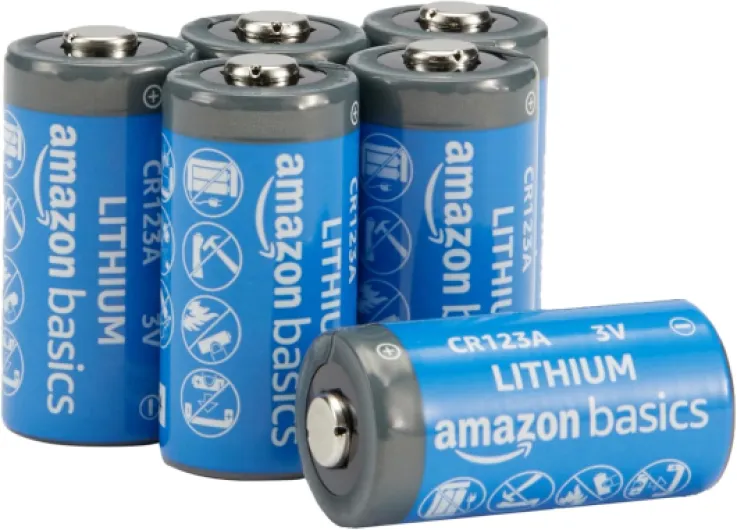
- + Non-rechargeable
- + 3 Volt
- + Long shelf life (up to 10 years)
- + Convenient 6 count

How to choose the right motion sensor battery for your needs
Key steps to select the right battery for your motion sensor camera
Choosing the best battery for your home security camera’s motion sensor is not just about picking any pack off the shelf. The right choice impacts your system’s reliability, battery life, and even the features your camera can support. Here are some practical steps and considerations to help you make an informed decision:- Check compatibility: Always start by reviewing your camera’s product manual or manufacturer’s website. Some sensors require specific battery types, such as lithium or alkaline lithium, to function optimally. Using the wrong battery can reduce performance or even damage the product.
- Consider battery life: Look for batteries known for long-lasting power. Lithium batteries are popular for their extended battery life and stable performance in both hot and cold environments. If your camera is in a high-traffic area, a longer-lasting battery will reduce the need for frequent replacements.
- Evaluate battery-powered vs. wired options: Battery powered sensors offer flexibility in placement but require regular battery changes. Wired sensors eliminate battery concerns but may limit where you can install the camera. Think about your home’s layout and your willingness to maintain the system.
- Assess smart features: Some smart motion sensors have advanced features like remote login, app notifications, or integration with other smart products. These features may drain batteries faster, so opt for high-capacity packs if your system is feature-rich.
- Single-use or rechargeable: Decide if you prefer single-use batteries or rechargeable ones. Rechargeable lithium battery packs can be cost-effective and environmentally friendly over time, but require a charging routine.
- Quality and brand reputation: Not all batteries are created equal. Stick with reputable brands and products that have positive reviews from other users. This helps ensure your sensor battery is reliable and safe.
| Battery Type | Pros | Cons |
|---|---|---|
| Lithium | Long battery life, stable in extreme temperatures | Higher upfront cost |
| Alkaline lithium | Affordable, widely available | Shorter lifespan, less reliable in cold |
| Rechargeable packs | Eco-friendly, cost-effective over time | Requires regular charging |

Tips to extend the life of your motion sensor battery
Simple habits to maximize battery life
- Regularly check your system settings. Lowering the sensitivity of your motion sensors can reduce unnecessary triggers, which helps conserve battery life. Many smart cameras let you adjust these features in your account or app login.
- Update firmware and software. Keeping your camera and sensor firmware up to date ensures the latest battery optimization features are active. Manufacturers often release updates that help extend battery performance.
- Optimize placement. Place your battery powered cameras and sensors away from high-traffic areas if possible. Constant motion detection drains batteries faster, so select locations that balance security with battery conservation.
Choosing the right battery pack and type
- Use recommended products. Always select batteries or packs recommended by your camera manufacturer. Using the wrong product can shorten battery life or even damage your device.
- Prefer lithium over alkaline. Lithium batteries, especially rechargeable lithium battery packs, generally last longer and perform better in extreme temperatures compared to alkaline lithium or standard alkaline batteries. This is especially important for outdoor sensors.
- Single-use vs rechargeable. If your system supports it, rechargeable lithium battery packs can be more cost-effective and environmentally friendly over time. However, single-use lithium batteries may offer longer life per charge in some products.
Routine maintenance steps
- Clean your sensors. Dust and debris can interfere with motion detection, causing your system to work harder and drain batteries faster. Wipe sensors with a soft cloth regularly.
- Inspect for corrosion. Check battery contacts for corrosion or residue. Clean with a dry cloth if needed to maintain optimal battery connection and sensor performance.
- Replace batteries before they fail. Don’t wait for your system to alert you about low battery. Set a reminder to check and replace batteries at regular intervals, especially for critical security products.
By following these steps and selecting the best battery for your motion sensor camera, you can help ensure your home security system remains reliable and efficient. Remember, the right maintenance habits can make a significant difference in the performance and longevity of your battery powered sensors and cameras.
Troubleshooting common motion sensor battery issues
Identifying and Solving Battery Issues in Motion Sensor Cameras
When your home security camera starts missing motion events or sends frequent low battery alerts, it’s often a sign that the sensor battery needs attention. Here are practical steps to help you troubleshoot common battery-powered motion sensor problems:- Check Battery Type Compatibility: Always confirm that you’re using the recommended battery type for your product. Some cameras require alkaline lithium or lithium batteries for optimal performance. Using the wrong pack can cause short battery life or unreliable motion detection.
- Inspect Battery Contacts: Dust, corrosion, or loose connections between the battery and the sensor can disrupt power flow. Remove the battery and gently clean the contacts with a dry cloth. Reinsert the battery securely to ensure a stable connection.
- Monitor Battery Life: If your system’s battery drains faster than expected, check for features like continuous motion recording or high-sensitivity settings. These can reduce battery life. Adjusting these features in your smart camera’s account or login dashboard can help extend battery performance.
- Update Firmware: Some battery issues are caused by outdated software. Regularly update your camera’s firmware to benefit from the latest power management improvements and bug fixes. Most products offer easy update steps through their app or website.
- Test with a Single Battery: If your camera uses multiple batteries, test each one individually. A single weak battery can affect the entire pack’s performance. Replace any underperforming batteries with fresh lithium or alkaline lithium options.
- Evaluate Environmental Factors: Extreme temperatures can impact battery-powered sensors. Lithium batteries generally perform better in cold or hot conditions compared to alkaline. If your camera is outdoors, consider switching to lithium for best results.
Comparing battery-powered vs wired motion sensor cameras
Key Differences Between Battery Powered and Wired Motion Sensor Cameras
When selecting a home security camera system, understanding the differences between battery powered and wired motion sensor cameras is essential. Each option offers unique features and benefits that can impact your home’s security and your daily routine.
- Installation Flexibility: Battery powered cameras offer more flexibility in placement since they don’t require a power outlet. This makes them ideal for areas where wiring is difficult or for renters who want a non-permanent solution. Wired cameras, on the other hand, need to be installed near a power source, which can limit placement options but provides a stable connection.
- Maintenance and Battery Life: Battery powered sensors require regular battery checks and replacements. The type of battery—alkaline, lithium, or rechargeable pack—affects how often you’ll need to maintain them. Lithium batteries generally provide longer battery life, making them a popular choice for those seeking less frequent maintenance. Wired cameras are powered continuously, so you don’t have to worry about battery life, but you may need to check the wiring and connections periodically.
- Reliability During Power Outages: Battery powered products continue to operate during power outages, which can be a critical advantage for home security. Wired systems may lose functionality unless they are connected to a backup power source.
- Smart Features and Integration: Both types of cameras can offer smart features like remote login, motion alerts, and integration with other smart home products. However, battery powered models may limit some features to conserve power, such as reducing video quality or motion sensor sensitivity.
- Cost Considerations: Initial costs for battery powered cameras can be lower due to easier installation, but ongoing expenses for replacement batteries or packs should be considered. Wired systems may have higher upfront installation costs but lower ongoing maintenance related to batteries.
| Feature | Battery Powered | Wired |
|---|---|---|
| Installation | Easy, flexible placement | Requires wiring, fixed location |
| Maintenance | Battery checks, replacement needed | Check wiring, less frequent |
| Power Outage Operation | Yes | No (unless backup present) |
| Battery Life | Varies by battery type (alkaline, lithium, pack) | Not applicable |
| Smart Features | May be limited to save power | Full features available |
When choosing the best motion sensor camera for your needs, consider your home layout, desired features, and how much maintenance you’re willing to perform. The right system will help protect your property and offer peace of mind, whether you prefer the convenience of battery powered products or the reliability of a wired setup.