
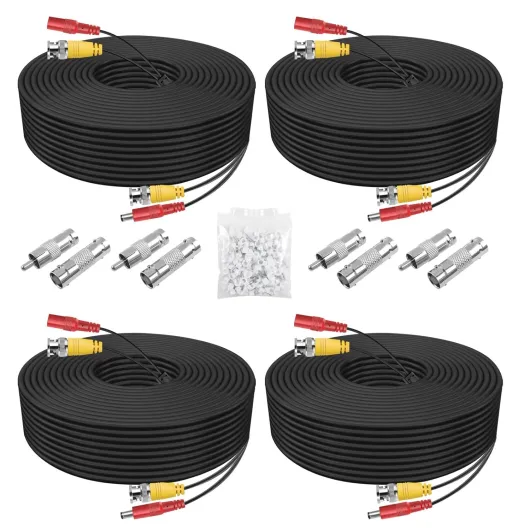
Understanding the role of ser cable in home security cameras
Why the Right Cable Matters for Home Security Cameras
When setting up a home security camera system, the choice of cable is often overlooked, but it plays a crucial role in the reliability and safety of your installation. The service entrance (ser) cable, along with seu cables, is responsible for delivering power and sometimes data between your camera, panel feeder, and other essential components. Understanding the function and importance of these cables helps ensure your system operates smoothly and safely.
- Power Delivery: Ser cables are designed to handle significant electrical loads, making them suitable for connecting your security camera system to the main electrical panel or meter base. Their ampacity, determined by the American Wire Gauge (awg) and material (often aluminum or aluminum alloy), ensures your cameras receive consistent power without risk of overheating.
- Safety and Compliance: Using the correct type of entrance cable, such as aluminum ser or seu cable, helps meet building codes and safety standards. These cables typically include a ground conductor and neutral wire, which are essential for protecting your equipment and home from electrical faults.
- Durability: The outer jacket and tape of ser cables provide protection against physical damage and environmental factors, which is especially important for cables running through walls or exposed areas in your building.
Choosing the right wire cable is not just about matching voltage and current. It’s about ensuring the longevity and reliability of your security system. The right product and style of cable can make a difference in how well your cameras perform, especially in demanding electrical projects or when stock and type options vary.
For a deeper dive into why security camera cables matter and how they impact your system’s performance, check out this guide on the importance of security camera cables.

Types of ser cables used in security camera setups
Key Types of Cables Used in Home Security Camera Installations
When setting up a home security camera system, choosing the right cable is crucial for both safety and performance. The most common types of cables used are ser cable and seu cable. Both are classified as service entrance cables, designed to carry electrical power from the meter base to the panel feeder or branch circuits inside a building. Understanding the differences between these cables helps ensure your electrical project meets code and functions reliably.
- SER Cable: This stands for Service Entrance Round cable. It typically features multiple insulated conductors plus a bare ground conductor, all wrapped in a durable jacket. SER cables are often used as panel feeder cables, connecting the main electrical panel to subpanels or large appliances. The conductors are usually made from aluminum alloy, which is lightweight and cost-effective. SER cable is suitable for above-ground installations and is not rated for direct burial.
- SEU Cable: Service Entrance Unarmored cable is designed mainly for residential service entrance applications. SEU cables have two insulated conductors for hot wires and one bare neutral conductor, all encased in a tough jacket. Like SER, SEU cables are often made from aluminum or series aluminum alloy. SEU cables are commonly used to connect the meter base to the main panel in a home.
Comparing Features: SER vs SEU Cables
| Feature | SER Cable | SEU Cable |
|---|---|---|
| Conductor Material | Aluminum alloy | Aluminum alloy |
| Number of Conductors | 3 or 4 + ground | 2 + neutral |
| Typical Use | Panel feeder, branch circuits | Service entrance from meter to panel |
| Jacket Type | Durable, sunlight-resistant | Durable, sunlight-resistant |
| AWG Range | Varies by ampacity needs | Varies by ampacity needs |
| Ground Conductor | Included | Neutral acts as ground |
Other Considerations: Ampacity, Stock, and Product Style
When selecting a cable for your security camera system, pay attention to ampacity (the maximum current the wire can safely carry), AWG (American Wire Gauge, which determines wire thickness), and whether the cable is suitable for your building's requirements. Some cables come with additional features like reinforced tape or thicker jackets for extra protection. Always check if the cable is listed for use as a service entrance cable and matches your local electrical code.
For a deeper dive into the importance of security camera cables, including more on conductor types and installation tips, check out this guide on understanding the importance of security camera cables.
How to choose the right ser cable for your needs
Key factors to consider before selecting your cable
When choosing the right ser cable for your home security camera system, it’s important to match the cable type and specifications to your electrical project and building requirements. The right cable ensures safety, reliability, and long-term performance for your security setup. Here are some essential points to help guide your decision:
- Understand ampacity and wire gauge (AWG): The ampacity of a ser cable refers to the maximum current it can safely carry. For most home security camera systems, you’ll need to check the total load your cameras and related equipment will draw. Selecting the correct AWG size is crucial—thicker wires (lower AWG numbers) can handle more current. Always consult local codes and consider future upgrades.
- Material matters: aluminum vs. copper: Aluminum ser cables are commonly used for service entrance and panel feeder applications due to their cost-effectiveness and lighter weight. However, aluminum has a lower conductivity than copper, so you may need a larger gauge. If you’re considering aluminum service entrance cable, ensure it’s approved for your building and installation style.
- Type and style of cable: There are several types of ser and seu cables. For most home security systems, look for building wire rated for service entrance and branch circuits. The jacket and tape around the conductors provide protection, so choose a product with a durable outer jacket suitable for your installation environment.
- Number of conductors and grounding: Your cable should have enough conductors to support your system’s needs, including hot, neutral, and ground wires. Proper grounding is essential for safety and to prevent electrical interference with your cameras.
- Stock and availability: Make sure the cable you select is readily available in your area and meets all local electrical codes. Some products are designed specifically for residential service entrance, while others are better for commercial or industrial use.
For a more technical breakdown of advanced home security camera requirements and how cable selection impacts performance, check out this in-depth guide on advanced home security cameras.
By carefully evaluating these factors, you’ll be better equipped to choose the right ser, seu, or aluminum service entrance cable for your security camera system, ensuring a safe and reliable installation.
Installation tips for ser cables in home security systems
Preparing for a Safe and Efficient Installation
Before starting your home security camera system installation, make sure you have the right ser cable, seu cable, and related products on hand. Double-check the ampacity and AWG (American Wire Gauge) ratings to ensure the cable can handle your system's electrical load. Using the correct aluminum or copper conductor is essential for safety and performance. Always verify the cable type and jacket style are suitable for your building and local electrical codes.
Key Steps for Installing Ser and Seu Cables
- Plan your cable routes: Map out the path from your panel feeder or meter base to each camera location. Avoid sharp bends and keep cables away from sources of heat or moisture.
- Measure and cut carefully: Use a wire cutter to trim your ser or seu cable to the required length. Leave extra slack for adjustments and connections at the panel or camera end.
- Secure the cable: Fasten the cable to walls or ceilings using appropriate clips or straps. This prevents sagging and protects the jacket from damage.
- Connect ground and neutral conductors: Properly connect the ground conductor to your building's grounding system. Ensure the neutral wire is securely attached at both the panel and camera end for safe operation.
- Seal entry points: Where the entrance cable passes through walls or the service entrance, use grommets or sealant to prevent water intrusion and protect the cable jacket.
- Label your cables: Mark each wire cable or entrance cable clearly, especially if you have multiple branch circuits or are using aluminum service entrance cables for different zones.
Safety and Compliance Tips
- Always turn off power at the main panel before working with ser cables or building wire.
- Follow local electrical codes and consult a licensed electrician if you are unsure about ampacity, aluminum alloy compatibility, or conductor sizing.
- Check that all connections are tight and that the cable panel is properly closed after installation.
- Use only UL-listed products and stock from reputable suppliers for your electrical project.
By following these steps, you help ensure your home security camera system is reliable and safe, with ser cables and seu cables performing as intended for years to come.
Troubleshooting common ser cable issues
Identifying and Fixing Common Cable Problems
Even with careful planning and installation, issues with ser cables and seu cables can arise in home security camera systems. Recognizing these problems early helps maintain the reliability of your setup and ensures your cameras stay powered and connected.
- Loose Connections: Over time, connections at the panel feeder, meter base, or camera end may loosen. This can cause intermittent power loss or signal drops. Regularly check all connection points, especially where the aluminum or copper conductor meets terminals. Tighten as needed, but avoid over-tightening, which can damage the wire or terminal.
- Physical Damage: Entrance cables and building wire can be damaged by rodents, weather, or accidental impact. Inspect the cable jacket for cuts, nicks, or exposed conductor. Damaged cables should be replaced immediately to prevent electrical hazards.
- Corrosion and Oxidation: Aluminum ser and seu cables are susceptible to oxidation, especially at connection points. Look for white or gray powdery residue on the wire or terminals. Use antioxidant compound on aluminum service entrance cable connections and replace any corroded parts.
- Overheating: If your cable feels warm or hot to the touch, it may be overloaded. Check the ampacity rating of your ser cable and ensure it matches the electrical load of your security system. Undersized cables (incorrect AWG) can lead to overheating and potential fire risk.
- Grounding Issues: A poor or missing ground conductor can cause erratic camera operation or even damage equipment. Verify that the ground wire is properly connected at both the panel and the camera side. For aluminum alloy cables, ensure the ground is compatible and securely fastened.
When to Replace or Upgrade Your Cables
Sometimes, troubleshooting reveals that your current entrance cable or building wire is no longer suitable. Consider upgrading if:
- Your security camera system has expanded, requiring higher ampacity or additional branch circuits.
- The existing cable stock is outdated, with worn insulation or obsolete style not meeting current electrical codes.
- You notice persistent issues despite repairs, such as recurring power loss or interference.
When replacing, choose the right type and product for your building and electrical project. Look for cables with a durable jacket, proper AWG, and a neutral conductor sized for your load. Always follow local codes and consult a licensed electrician for service entrance or panel upgrades.
Quick Reference Table: Common Ser Cable Issues and Solutions
| Issue | Possible Cause | Solution |
|---|---|---|
| Intermittent camera power | Loose connections, damaged wire | Check and tighten terminals, replace damaged cable |
| Camera image flicker | Poor ground, undersized cable | Verify ground conductor, upgrade to correct AWG |
| Overheating cable | Overloaded circuit, wrong ampacity | Reduce load, upgrade cable to higher ampacity |
| Corrosion at terminals | Oxidation on aluminum series | Clean terminals, apply antioxidant, replace if severe |
By staying proactive with your ser, seu, and entrance cables, you can keep your home security camera system running smoothly and safely.
Maintaining and upgrading your ser cable setup
Regular Inspection and Cleaning
To keep your ser cable and seu cables in top condition, make it a habit to visually inspect them every few months. Look for signs of wear on the jacket, such as cracks, cuts, or discoloration. Pay attention to the cable’s entry points at the meter base, panel feeder, and any building wire connections. Dust and debris can accumulate around entrance cables, so gently clean the area to prevent buildup that could affect performance.
Monitoring Connections and Ground Conductors
Loose or corroded connections can lead to voltage drops or even safety hazards. Check the terminations at the panel, branch circuits, and ground conductor points. Ensure that the aluminum ser or series aluminum wires are tightly secured and that the neutral and ground wires are intact. If you notice any corrosion, especially on aluminum alloy conductors, consult a qualified electrician for proper cleaning and re-termination.
Upgrading for Increased Demand
If you expand your home security camera system or add more devices, assess whether your current ser cable’s ampacity and awg rating are sufficient. Upgrading to a higher gauge or a different type of entrance cable may be necessary to handle increased loads. Stocking extra cable or wire cable of the same product style can be helpful for quick upgrades or repairs.
Protecting Against Environmental Damage
- Ensure the jacket and tape on your ser seu and seu cables are free from UV damage, especially if exposed outdoors.
- Check for moisture intrusion at service entrance points and around the building. Moisture can degrade aluminum service cables over time.
- Use proper conduit or cable panel covers to shield entrance cables from accidental impact or rodent damage.
When to Replace or Call a Professional
If you notice persistent issues like flickering cameras, unexplained outages, or visible damage to the ser cable or entrance cable, it may be time to replace the affected section. For complex electrical projects, such as upgrading a panel feeder or replacing aluminum cables, always consult a licensed electrician. They can ensure your building’s electrical system remains safe and compliant with local codes.