


What is IR light and how does it work in security cameras
How infrared light makes night vision possible
Infrared (IR) light is a type of electromagnetic radiation that sits just beyond the visible spectrum for the human eye. While we can’t see IR light, many home security cameras use it to capture clear images in complete darkness. This is possible because security cameras are equipped with special sensors that detect IR radiation and convert it into visible images. The process is often called night vision, and it’s a key feature in modern security systems.
Most security cameras use infrared LEDs as their main light source for night vision. These tiny lights emit IR radiation, which floods the camera’s field of view. When the camera’s sensor picks up the reflected IR light, it creates a black-and-white image that reveals details invisible to the naked eye. This technology is especially useful for monitoring areas at night or in low-light conditions, where traditional visible light sources would be ineffective or too energy-consuming.
- Infrared LEDs: These are the most common IR light sources in home security cameras. They are energy-efficient and can provide a wide angle of illumination, depending on the design.
- Range and coverage: The effectiveness of IR illumination depends on the number and quality of LEDs, as well as the camera’s lens and sensor. Some products offer long range or wide angle coverage, while others are designed for smaller spaces.
- Types of IR illumination: There are different types of IR illuminators, such as flood lights for wide areas or pro series range illuminators for long distance applications. The choice affects both price and performance.
It’s important to note that IR light is not the same as thermal imaging. While both use infrared radiation, thermal cameras detect heat differences, while standard IR security cameras rely on reflected IR light to create images. For a deeper look at how motion sensors can work alongside IR technology, check out this guide on motion sensor integration in home security.
Understanding how IR light works in security cameras is the first step in choosing the right system for your needs. The next sections will cover the benefits of IR illumination, the different types of IR lights and illuminators, and how to select and maintain the best products for your home.
Benefits of IR light for home security
Why Infrared Light Matters for Home Security
Infrared (IR) light is a game-changer for home security cameras, especially when it comes to night vision and low-light applications. Unlike visible light, infrared radiation is invisible to the human eye, but it can be detected by camera sensors. This allows security cameras to capture clear images even in total darkness, making them effective for 24/7 surveillance.
Key Advantages of IR Light in Security Cameras
- Enhanced Night Vision: IR LEDs or infrared illuminators act as a light source that enables cameras to see in the dark. This means you get reliable footage at night or in poorly lit areas, which is crucial for identifying intruders or suspicious activity.
- Discreet Monitoring: Since infrared lights are not visible to the human eye, they don’t draw attention. This makes your security system less noticeable and reduces the risk of tampering.
- Wide Range Coverage: Many modern security cameras use a combination of flood lights and wide angle IR LEDs to cover larger areas. Some pro series products offer long range infrared illumination, ensuring even distant corners are monitored.
- Energy Efficiency: IR LED technology is energy efficient compared to traditional visible light sources. This means lower power consumption and longer-lasting systems, which can be important for both price and maintenance.
- Versatile Applications: Infrared light is used in various security applications, from basic home systems to advanced thermal imaging cameras. Whether you need a simple led illuminator or a long range infrared solution, there are products to fit different needs and budgets.
Comparing IR Light to Other Illumination Methods
Unlike visible light sources such as flood lights, infrared lights do not create glare or light pollution. This makes them ideal for residential areas where you want to maintain privacy and avoid disturbing neighbors. Additionally, IR illumination works well with black and white night vision modes, delivering sharp images without the need for extra lighting.
Considerations for Homeowners
When choosing a security camera, it’s important to look at the type and range of the infrared LED or infrared illuminator used. Some cameras offer a wide angle light source for broader coverage, while others focus on long range performance. The price can vary depending on the features and the quality of the IR system. For more on how timing and lighting can impact your footage, check out this resource on time mismatch in security camera footage.
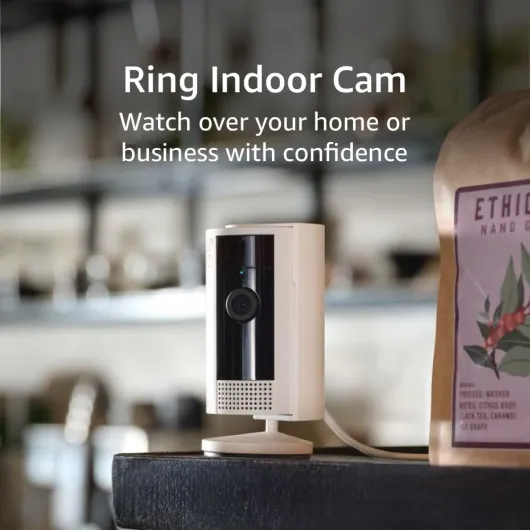
- + High Definition video at 1080p
- + Indoor use for homes and businesses
- + Compact white design
- + Easy to install and set up

Types of IR illumination used in cameras
Comparing Infrared Illumination Technologies
When it comes to night vision in home security cameras, not all infrared (IR) light sources are created equal. The type of IR illumination used can significantly impact the camera’s performance, energy efficiency, and price. Here’s a breakdown of the most common IR light technologies you’ll find in today’s security cameras:
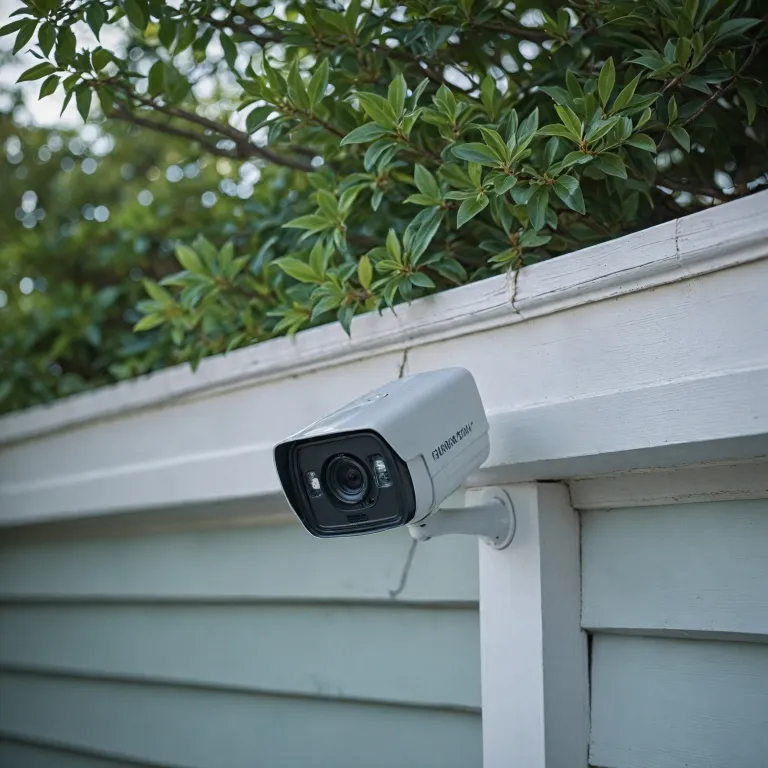
- Infrared LED Arrays: The majority of modern security cameras use infrared LED lights as their primary IR light source. These LEDs emit infrared radiation that is invisible to the human eye but allows the camera to capture clear images in complete darkness. LED illuminators are popular for their long lifespan, low energy consumption, and ability to provide consistent coverage. You’ll often see these as small, black dots around the camera lens.
- Flood IR Illuminators: For applications requiring wide angle or long range night vision, flood light style IR illuminators are used. These products emit a broad beam of infrared light, covering larger areas such as driveways or backyards. Flood IR lights are ideal for outdoor security systems where wide coverage is essential.
- Pro Series and Range IR Illuminators: Higher-end or pro series cameras may feature advanced IR illuminators designed for long range performance. These range infrared lights can illuminate objects at greater distances, making them suitable for monitoring large properties or commercial applications. The price of these systems is typically higher, but they offer superior night vision capabilities.
- Thermal Imaging: While not technically an IR light source, some security cameras use thermal sensors to detect heat signatures rather than relying on reflected infrared light. Thermal cameras are effective in total darkness and can detect intruders even when traditional IR LED light sources are blocked or ineffective. However, these products are generally more expensive and are used in specialized security applications.
When choosing a security camera, it’s important to consider the type of IR light source, its energy efficiency, and the range required for your specific application. For a detailed guide on selecting the right camera for your needs, including how different IR illuminators affect performance, check out this resource on choosing a camera for vehicle motion detection.
| IR Technology | Light Source | Range | Energy Use | Best For |
|---|---|---|---|---|
| Infrared LED | LED light | Short to medium | Low | General home security |
| Flood IR Illuminator | Flood light | Wide angle, long range | Moderate | Outdoor, large areas |
| Pro Series/Range Illuminator | High-power LED | Long range | Varies | Commercial, large properties |
| Thermal Imaging | Thermal sensor | Variable | Low to moderate | Specialized security |
Understanding these IR illumination options will help you match the right camera to your security needs, balancing price, performance, and energy efficiency for your home or business.
Common challenges with IR light in home security cameras
Limitations and Issues with Infrared Night Vision
Infrared (IR) light is essential for home security cameras to capture clear images in low-light or complete darkness. However, several challenges can affect the performance of IR systems and the overall quality of night vision.- Limited Range: The effective range of infrared light depends on the power of the IR LED illuminator and the camera's sensor. Many standard security cameras have a limited range, often between 10 to 30 meters. Long range infrared illuminators are available, but they can increase the price and energy consumption of your system.
- Uneven Illumination: Some cameras use a single IR LED or a small cluster, resulting in a narrow or unevenly lit area. This can cause bright spots in the center and dark corners, especially with wide angle lenses. Flood light or range illuminator products can help, but may not be included in all systems.
- Reflection and Glare: IR light can reflect off surfaces like glass windows, wet pavement, or shiny objects, causing glare or "white-out" effects in the footage. This is a common issue when cameras are installed behind glass or near reflective surfaces.
- Attracting Insects: Infrared lights, especially those with visible red or black LED light, can attract insects at night. This may trigger motion detection alerts or obscure the camera's view.
- Infrared Bleed and Light Pollution: Some cheaper or poorly designed products may leak visible light from their IR LEDs, making the camera more noticeable at night and potentially drawing unwanted attention.
- Energy Consumption: High-powered IR illuminators and flood lights can consume more energy, which is a consideration for long-term use and for battery-powered systems.
- Thermal and Environmental Factors: Extreme temperatures, humidity, or dust can impact the performance of IR LED lights and the camera's night vision capabilities. Over time, exposure to the elements may reduce the effectiveness of the infrared light source.
- Human Eye Invisibility: While infrared radiation is invisible to the human eye, some IR LEDs emit a faint red glow. This can be a security concern if you want your camera to remain completely hidden at night.
How to choose a home security camera with effective IR light
Key Factors When Selecting a Camera with Strong IR Capabilities
Choosing a home security camera with effective infrared (IR) light performance can make a real difference in your night vision and overall security. Here are some important things to consider before making your decision:
- IR Range and Coverage: Check the range of the infrared illuminator. Some cameras offer long range IR, reaching up to 100 feet or more, while others are designed for smaller spaces. Consider the area you need to monitor and whether you need a wide angle or focused coverage.
- Type and Number of IR LEDs: The quality and quantity of infrared LEDs impact how well the camera can illuminate dark spaces. Pro series security cameras often use high-powered LED lights or even a flood light for better coverage. More LEDs generally mean brighter and more even IR light distribution.
- IR Light Source and Technology: Some products use traditional IR LEDs, while others feature advanced infrared light sources or even thermal imaging for specialized applications. Look for cameras that specify the type of IR illuminator and whether it is suitable for your needs.
- Image Quality in Low Light: Not all cameras handle IR light the same way. Check sample night vision footage if possible. Look for cameras that minimize issues like "light black" or overexposed spots caused by uneven IR distribution.
- Energy Efficiency: Consider how much energy the IR system uses. Efficient LED illuminators can provide strong night vision without driving up your electricity bill.
- Price and Value: Compare the price of different security cameras and IR systems. Sometimes, higher-priced products offer better range infrared performance, but always balance cost with your actual needs.
- Weather Resistance and Durability: If you need outdoor security, make sure the camera and its IR lights are rated for outdoor use. Look for water and dust resistance to ensure reliable performance in all conditions.
- Compatibility with Other Systems: Some cameras allow you to add external IR illuminators or flood lights for extra coverage. Check if the camera supports additional light sources for future upgrades.
Comparing IR Features in Security Camera Products
| Feature | Basic Models | Pro Series |
|---|---|---|
| IR Range | Up to 30 ft | Up to 100+ ft (long range) |
| LED Type | Standard IR LED | High-power LED, wide angle, or range illuminator |
| Energy Use | Moderate | Optimized for efficiency |
| Night Vision Quality | Basic, may have light black areas | Clear, even illumination |
| Price | Lower | Higher, but more features |
When comparing products, make a list of your priorities: Do you need a long range infrared light source, or is a compact, energy-efficient camera enough? Consider your specific security applications and the environment where the camera will be used. By focusing on these factors, you can find a security camera system that delivers reliable night vision and peace of mind.
Maintaining and optimizing IR performance
Keeping Your Infrared System in Top Shape
Regular maintenance and smart optimization can make a big difference in how well your home security camera’s infrared light performs. Here are some practical steps to help you get the most out of your system:- Clean the lens and infrared LED regularly. Dust, spider webs, or water spots can block the infrared light source, reducing night vision clarity. Use a soft, dry cloth to gently wipe the lens and LED illuminator area.
- Check for obstructions. Make sure nothing is blocking the infrared lights or the camera’s field of view. Overgrown plants, outdoor furniture, or even decorations can interfere with the range and effectiveness of the infrared illuminator.
- Inspect for LED performance. Over time, infrared LEDs can lose brightness or fail. If you notice your night vision is getting weaker, it may be time to replace the LED light source or consider upgrading to a pro series model with better energy efficiency and longer lifespan.
- Adjust camera placement for optimal coverage. The angle and height of your camera affect how well the infrared light floods the area. For wide angle applications or long range coverage, position your camera so the infrared radiation covers the most important zones without reflecting off nearby surfaces.
- Monitor for reflections and glare. Infrared light can bounce off shiny surfaces, causing white spots or a light black haze in your footage. Try to avoid pointing cameras directly at windows or glossy objects, or use anti-reflective covers if needed.
- Test your system at night. Walk around the monitored area after dark to see how well the night vision works. Check for dark spots, uneven lighting, or areas outside the range of your infrared lights. This helps you decide if you need an additional infrared illuminator or a flood light for better coverage.
- Review power sources and energy usage. Consistent power is crucial for reliable night vision. For wired systems, check connections regularly. For battery-powered products, keep an eye on battery life, especially if your camera uses high-powered LED light or long range infrared.