

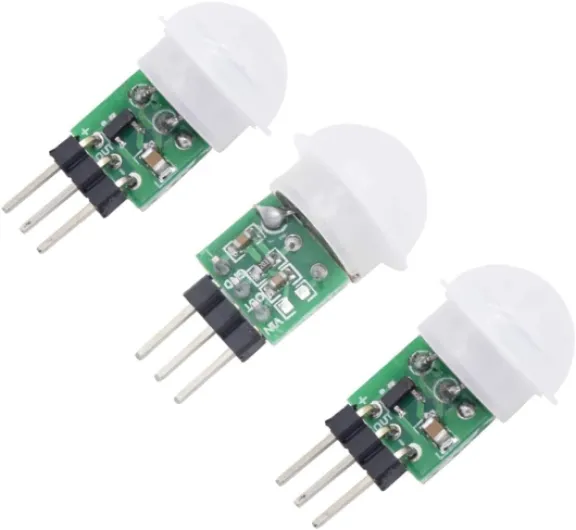
Understanding passive IR motion detectors
What Makes Passive Infrared Sensing Unique?
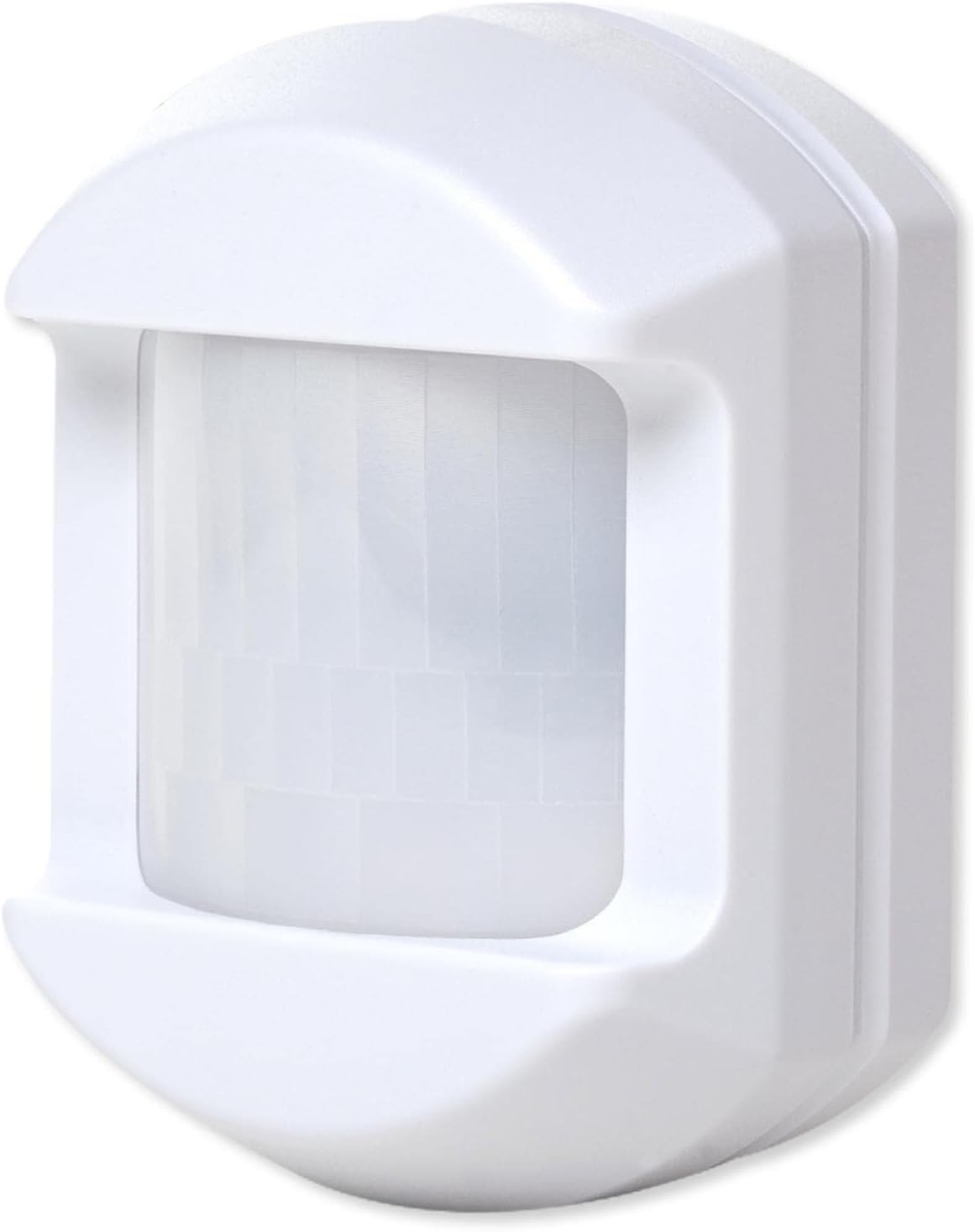
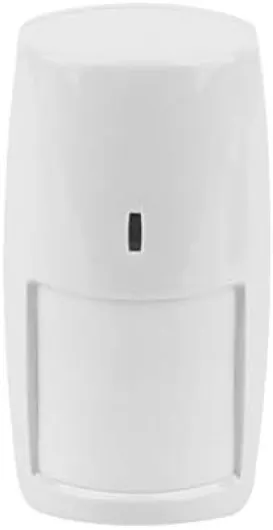
Passive infrared (PIR) motion detectors are a staple in modern home security systems. Unlike active sensors that emit signals and wait for a response, PIR sensors are called "passive" because they do not send out energy. Instead, they detect infrared radiation—essentially heat energy—emitted by people, animals, or objects moving within their field of view. This makes them highly effective for motion detection in a variety of settings.
How PIR Sensors Detect Movement
Every object with a temperature above absolute zero emits some level of infrared energy. PIR sensors use a pyroelectric sensor module, often placed behind a special lens, to sense changes in infrared radiation in their coverage area. When a warm body, like a person, moves across the sensor's field, the infrared energy level changes. The sensor detects this shift and triggers an alert or activates a connected device, such as a security camera.
- Infrared sensors are sensitive to heat, not visible light, so they work well in low-light or dark environments.
- Ceiling mount and wall-mount options allow flexible coverage for different room layouts.
- PIR motion sensors are commonly used in both indoor and outdoor security products.
Why Passive IR is Preferred in Home Security
One of the main reasons PIR motion detectors are popular in home security is their reliability and low price compared to active sensors. They are less likely to trigger false alarms from non-heat sources, such as moving shadows or changes in light. This makes them a trusted choice for homeowners who want effective motion detection without frequent false alerts.
If you want to dive deeper into how motion detection works in security cameras, check out this guide on understanding motion sensitivity in home security cameras.

How passive IR motion detectors integrate with home security cameras
How PIR Sensors Work with Security Cameras
Passive infrared (PIR) motion detectors are a popular choice for home security systems because they sense infrared radiation, or heat energy, emitted by people, animals, and objects. When integrated with home security cameras, these sensors add a powerful layer of motion detection that goes beyond what a camera’s lens or standard motion sensor can achieve.
PIR sensors detect changes in infrared energy within their coverage area. When a person or animal moves across the sensor’s field of view, the sensor module registers a shift in infrared radiation. This triggers the motion detector, which can then activate the security camera to start recording, send alerts, or turn on lights. This process is passive because the sensor does not emit energy; it simply detects the heat energy already present in the environment.
Integration Methods and Placement
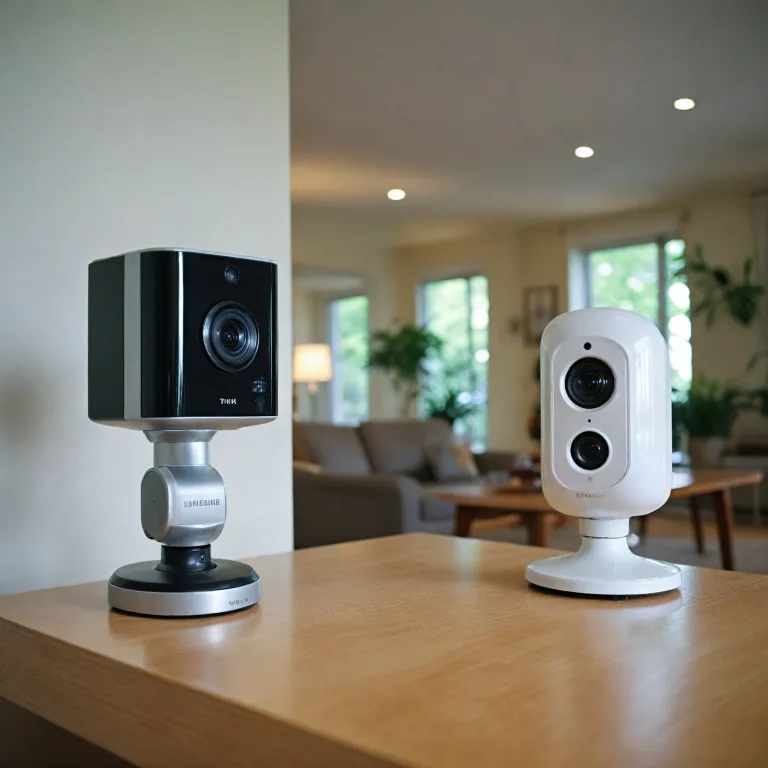
Most modern home security cameras are designed to work seamlessly with PIR motion sensors. Some cameras have built-in PIR sensors, while others can be paired with external sensor modules. The integration allows the camera to respond only when real motion is detected, reducing false alarms caused by changes in light or non-heat-emitting objects.
- Built-in PIR sensors: Many indoor and outdoor cameras include a passive infrared sensor within the camera housing. This compact design simplifies installation and ensures the sensor’s detection area matches the camera’s field of view.
- External PIR modules: For larger properties or specific coverage needs, external PIR sensor modules can be ceiling mounted or placed strategically to cover blind spots. These sensors connect wirelessly or via cables to the camera system.
Proper placement is crucial. PIR sensors should be positioned to cover entry points and high-traffic areas, avoiding direct exposure to heat sources or reflective surfaces that could affect detection accuracy.
Why Combine PIR and Camera Sensing?
Traditional motion detection in cameras often relies on changes in visible light or pixel shifts, which can lead to false triggers from shadows, moving branches, or headlights. By adding a PIR sensor, the system focuses on actual heat energy movement, making detection more reliable. This combination helps ensure that the camera only records relevant events, saving storage space and reducing unnecessary alerts.
For a deeper dive into how infrared light enhances your home security camera’s performance, check out this guide on IR light and security cameras.
Key benefits of using passive IR motion detectors
Why Passive IR Motion Detectors Stand Out in Home Security
Passive infrared (PIR) motion detectors have become a cornerstone in modern home security camera systems. Their unique way of sensing infrared energy, or heat energy, makes them highly effective for detecting movement within a specific area. Here’s how these sensors enhance your security setup:- Accurate Motion Detection: PIR sensors detect changes in infrared radiation, which means they respond to the heat emitted by people, animals, or vehicles. This helps reduce false alarms caused by shadows, light changes, or moving branches, unlike some active sensors that might react to any motion.
- Energy Efficiency: Because PIR motion sensors only activate when they sense a change in infrared energy, they use less power than continuous video monitoring or active sensor modules. This efficiency can lower the overall price of running your security system.
- Enhanced Night Surveillance: Infrared sensors work in low light or complete darkness, allowing your security cameras to detect motion even when visible light is absent. This is especially useful for outdoor or poorly lit indoor areas.
- Wide Coverage and Flexibility: With the right lens and ceiling mount, a single passive infrared sensor can monitor a broad area. Many products offer adjustable detection zones, so you can tailor the sensing range to your needs.
- Seamless Integration: PIR motion detectors can trigger your home security camera to start recording or send alerts only when motion is detected. This targeted approach saves storage space and makes it easier to review footage. For more on how motion sensors can work with your camera system, check out this guide on door motion sensor integration.
Common challenges and limitations
Challenges with False Alarms and Environmental Factors
While passive infrared (PIR) motion detectors are a popular choice for home security camera systems, they are not without their challenges. One of the most common issues is false alarms. PIR sensors detect changes in infrared energy, which usually means movement from a warm body, like a person or animal. However, sudden changes in ambient temperature, sunlight streaming through a window, or even heat from household appliances can trigger the sensor module. This can lead to unnecessary alerts and reduce trust in the system.
Limitations in Detection Range and Coverage
PIR motion sensors have a limited detection area, often determined by the lens design and the placement of the detector. If the sensor is not positioned correctly, it may miss movement in certain zones or detect motion outside the intended area. Ceiling mount options can help, but obstacles like furniture or walls can still block the infrared radiation, reducing effectiveness. Also, most PIR sensors are less effective at detecting motion through glass or other transparent barriers, as infrared energy does not pass through these materials efficiently.
Performance in Extreme Lighting and Weather Conditions
Infrared sensors can struggle in environments with extreme light fluctuations or rapid temperature changes. For example, direct sunlight or reflections can overwhelm the sensor, while cold weather may reduce the contrast between a moving object and the background, making detection less reliable. Outdoor PIR motion detectors must also be weatherproof to withstand rain, dust, and temperature swings, which can affect both performance and product lifespan.
Price and Product Quality Considerations
The price of PIR motion detectors varies widely depending on the quality, sensitivity, and features of the product. Lower-cost sensors may have less accurate detection, a shorter lifespan, or limited integration with other security devices. Investing in a reputable brand and checking for certifications can help ensure you get a reliable sensor module that works well with your home security camera system.
Active vs. Passive Sensing Technologies
It’s important to note that PIR sensors are passive—they only detect infrared radiation emitted by objects, rather than emitting energy themselves. This can be both a strength and a limitation. Passive infrared sensors are less likely to interfere with other devices, but they may not detect all types of motion, especially from objects that do not emit much heat energy. In some cases, combining PIR sensors with active motion detection technologies can provide more comprehensive coverage.
Tips for choosing the right passive IR motion detector
Factors to Consider When Selecting a PIR Motion Detector
Choosing the right passive infrared (PIR) motion detector for your home security camera system is crucial for reliable detection and peace of mind. With so many products on the market, it’s easy to get overwhelmed. Here are some key factors to help you make an informed decision:
- Detection Range and Coverage Area: Check the sensor’s specified range and the area it can monitor. Some PIR sensors are designed for wide spaces, while others focus on narrow zones. Consider your room size and layout before selecting a product.
- Mounting Options: PIR sensors come in various forms, including ceiling mount and wall mount. Ceiling mount sensors often provide broader coverage, while wall-mounted units can be aimed at specific entry points.
- Sensitivity Settings: Look for motion detectors with adjustable sensitivity. This feature allows you to fine-tune the sensor to detect the right level of infrared energy, reducing false alarms from pets or minor heat changes.
- Compatibility with Security Cameras: Ensure the PIR sensor module integrates smoothly with your existing home security camera system. Some sensors are designed to trigger camera recording or alerts when motion is detected.
- Type of Sensor Technology: Most home systems use passive infrared sensors, but some products combine PIR with other technologies like microwave or active infrared for enhanced accuracy. Consider if you need a hybrid sensor for your environment.
- Power Source: PIR motion detectors can be battery-powered or hardwired. Battery-powered models offer flexible placement but require periodic battery changes. Hardwired sensors are more permanent but may need professional installation.
- Price and Value: Compare features and reliability against the price. A higher price doesn’t always mean better performance, but investing in a reputable brand can provide better long-term security.
- Environmental Suitability: Some sensors are designed to withstand changes in light, temperature, or humidity. If you plan to install a detector in a garage, basement, or outdoor area, check the product’s specifications for environmental resistance.
- False Alarm Reduction: Quality PIR sensors use advanced algorithms or dual-element pyroelectric sensors to minimize false alarms caused by sunlight, HVAC systems, or small animals.
Comparing PIR Motion Detectors: What to Look For
| Feature | Why It Matters |
|---|---|
| Detection Range | Ensures the sensor covers the intended area |
| Sensor Type | Passive infrared, active infrared, or hybrid for different needs |
| Mounting Style | Ceiling mount or wall mount affects coverage and installation |
| Sensitivity Adjustment | Helps reduce false alarms and tailor detection |
| Integration | Works seamlessly with your security cameras |
| Power Source | Battery or wired options for flexibility |
| Environmental Resistance | Performs reliably in various conditions |
| Price | Balance features and budget |
By focusing on these aspects, you’ll be better equipped to choose a PIR motion detector that fits your home’s unique security needs. Remember, the right sensor can make a significant difference in the effectiveness of your motion detection and overall home security system.
Best practices for installation and maintenance
Optimal Placement for Reliable Motion Detection
To get the best performance from your passive infrared (PIR) motion sensors, careful placement is essential. PIR sensors detect changes in infrared energy, which is the heat energy emitted by people, animals, or objects. For accurate motion detection, install the sensor module where it has a clear view of the area you want to monitor. Avoid placing sensors near heat sources like radiators or direct sunlight, as these can trigger false alarms by emitting infrared radiation similar to that of a moving person.
Mounting Height and Angle Considerations
The mounting height and angle of your PIR motion detector can impact its ability to sense movement. Ceiling mount options are popular for wide coverage, but wall mounting at a height of 6 to 8 feet is also effective for most home security applications. Adjust the lens angle so the sensor covers the desired detection area without missing blind spots. Some products offer adjustable lenses or sensor modules for more flexibility.
Regular Maintenance for Consistent Performance
- Clean the lens regularly to prevent dust or debris from blocking infrared sensors.
- Test the motion detection function periodically to ensure the sensor is still responsive to movement and changes in infrared radiation.
- Check for firmware updates if your PIR sensor is part of a smart home system, as updates can improve detection accuracy and security.
Environmental Factors and Sensor Sensitivity
PIR sensors are passive, meaning they only detect infrared energy and do not emit any. However, environmental factors like light, temperature changes, or moving shadows can affect their performance. If you notice frequent false alarms, try adjusting the sensitivity settings or repositioning the detector. Some advanced products allow you to fine-tune the sensitivity to match the specific needs of your security area.
Product Selection and Price Considerations
When choosing a PIR motion sensor, compare features such as detection range, sensor module quality, and compatibility with your existing security camera system. Price can vary depending on whether you need basic motion detection or more advanced options like dual infrared sensors or active/passive hybrid models. Always select a product from a reputable manufacturer to ensure reliability and support.