
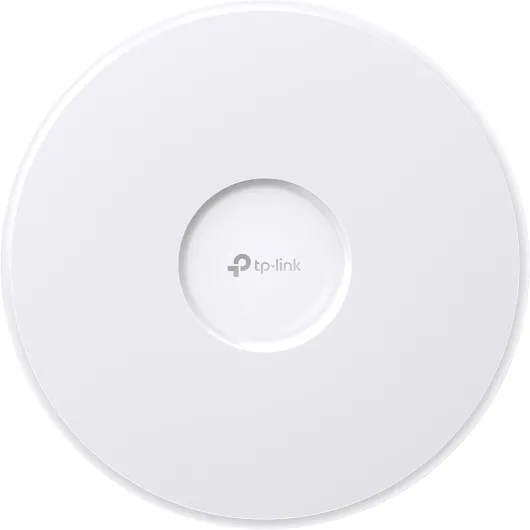
Understanding access point 5 in home security
What is Access Point 5 and Why Does It Matter?
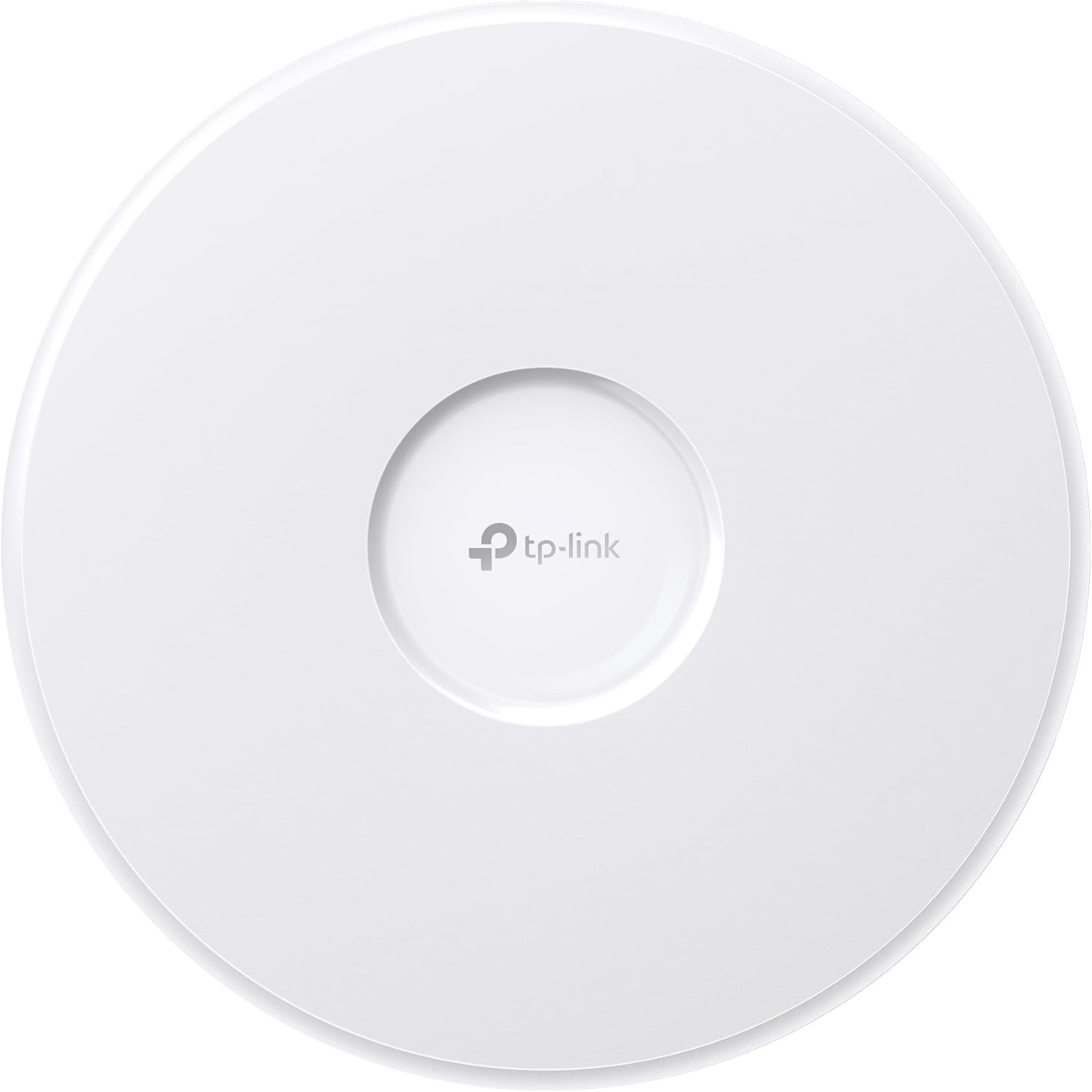
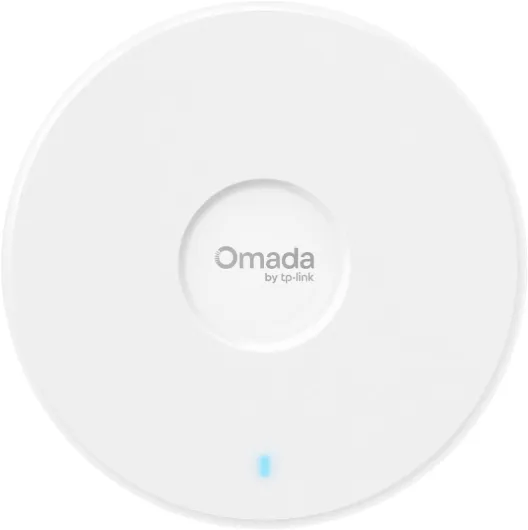
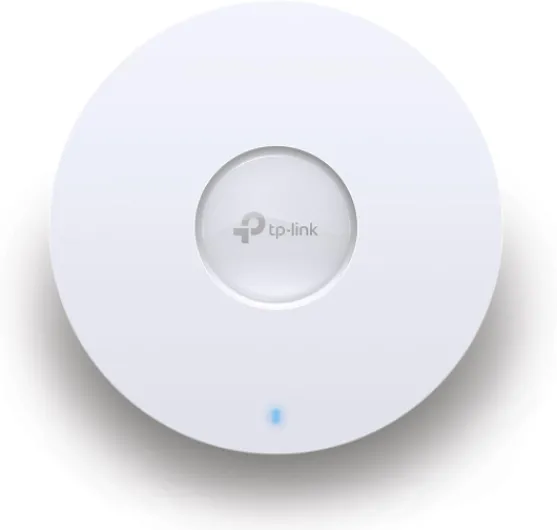
When setting up a home security camera system, reliable network connectivity is essential. Access Point 5 refers to a modern generation of wireless access points, often supporting dual band (2.4 GHz and 5 GHz) WiFi, advanced features, and high-density device support. These access points are designed to handle the growing demands of smart home devices, including security cameras that require stable, high-speed connections for live view and recording.
How Access Point 5 Fits Into Your Home Security Network
Traditional WiFi routers can struggle with multiple devices, especially in larger homes or when cameras are placed far from the main router. Access Point 5 products, such as the UAP series or lite access models, offer improved wireless coverage and performance. They can be installed as single units or as part of a mesh network, ensuring your cameras maintain a strong connection even at the edges of your property.
- Dual band support: Allows cameras to connect on the less congested 5 GHz band for higher speeds (e.g., 867 Mbps on 5 GHz, 300 Mbps on 2.4 GHz).
- PoE support: Many access points include Power over Ethernet (PoE) capability, simplifying installation and reducing cable clutter.
- High density: Designed to support multiple devices simultaneously without performance drops.
- Controller integration: Some models work with a central controller for easier management and monitoring.
Why Choose Access Point 5 for Security Cameras?
Security cameras need consistent bandwidth and low latency to deliver clear video feeds. Access Point 5 products, such as the UAP Pro or long range models, are engineered for this purpose. They offer gigabit LAN ports, support for both wireless and wired connections, and advanced features like wave WiFi and adapter included options. This ensures your cameras stay online and accessible, whether you are viewing footage locally or remotely.
If you are new to setting up wireless cameras, you may find this step-by-step guide for connecting your Eufy camera to WiFi helpful for understanding the basics of network integration.
Key benefits of using access point 5 for security cameras
Why Access Point 5 Makes a Difference for Home Security Cameras
When you’re looking to upgrade your home security camera setup, Access Point 5 stands out for several reasons. It’s not just about adding another device to your network. The details matter, especially when you want reliable, high-quality video streams and smooth remote access.- Dual Band Support: Access Point 5 offers both 2.4 GHz and 5 GHz bands. This dual band capability means your cameras can connect on the best frequency for their needs, reducing interference and improving performance, especially in high density environments.
- High-Speed Connectivity: With gigabit LAN ports and support for mbps ghz speeds, you get faster data transfer. This is crucial for high-resolution cameras that need to send large video files across your network without lag.
- PoE Support: Power over Ethernet (PoE) simplifies installation. Many access points, including the uap pro and lite access series, offer poe power and adapter included options, so you can power your cameras and access points with a single cable. This reduces clutter and makes it easier to place devices where you need them most.
- Reliable Wireless Coverage: Long range and wave wifi features mean you can cover larger areas with fewer devices. Whether you’re using a single unit or multiple access points, you’ll have consistent coverage for all your security cameras.
- Easy Integration: Access Point 5 is designed to work with a variety of controllers and network setups. Whether you’re using a uap controller or managing devices manually, the user guide and product support make setup straightforward.
Common challenges with home security camera connectivity
Connectivity headaches: what holds back your security cameras?
When setting up a home security camera system, reliable network access is essential. Yet, many users encounter frustrating issues that can impact the performance and reliability of their cameras. Understanding these common challenges can help you make informed decisions about your network setup and product purchase.- Weak wifi signal: Many homes have dead zones where the wifi signal does not reach, especially in larger properties or those with thick walls. Cameras placed far from the main router may struggle to maintain a stable connection, leading to missed footage or delayed notifications.
- Network congestion: With multiple devices connected—phones, tablets, smart TVs, and more—your home network can become overloaded. High density environments, such as apartments or smart homes with many wireless devices, often experience interference and reduced performance.
- Limited bandwidth: Security cameras, especially those with high-definition video, require significant bandwidth. If your network cannot support the mbps ghz demands of several cameras, you may notice lag, buffering, or dropped streams.
- Compatibility issues: Not all cameras and access points support the same wifi bands. Some devices only work on 2.4 ghz, while others can use dual band (2.4 ghz and 5 ghz) for better performance. Mismatched devices can lead to connection failures or reduced speeds.
- Power challenges: Some cameras and access points require Power over Ethernet (poe) for both power and data. If your setup lacks poe support or the right adapter included, installation can become complicated.
How to set up access point 5 with your cameras
Step-by-step process for integrating access point 5
Setting up access point 5 with your home security cameras can seem technical, but with the right approach, it’s manageable for most users. Here’s a practical guide to help you connect your cameras to a robust network using access point 5, whether you’re using a pro model, lite access, or a dual band series.- Choose the right location: Place your access point where it can provide optimal wireless coverage for all your security cameras. High density areas or long range spots may benefit from a uap pro or lite access point. Avoid physical obstructions that can weaken the wifi signal.
- Connect your access point: Use the included adapter or poe power if your product supports poe. Connect the access point to your gigabit lan network for high-speed data transfer. Some models, like the uap pro, offer dual band (2.4 ghz and 5 ghz) for better performance.
- Configure your network: Access the controller interface, often via a web browser or dedicated app. Follow the user guide for your specific series to set up SSID, password, and security settings. Enable both bands if you have dual band support, ensuring compatibility with all your devices.
- Connect your cameras: On each camera, access the wifi settings and select the newly created network. Enter your credentials and verify the connection. For poe cameras, connect directly to the poe port on the access point or a poe switch for stable power and data access.
- Test and optimize: View the live feed from each camera to ensure a stable connection. If you notice lag or dropouts, consider repositioning your access point or adding additional access points for better coverage. Some products offer wave wifi or high density support for challenging environments.
What to consider before purchase and setup
- Compatibility: Check if your security cameras support dual band wifi or require poe support. Not all devices are compatible with every access point series.
- Network size: For larger homes or multiple cameras, a single unit may not provide enough coverage. Consider a mesh network or multiple access points for seamless content access across your property.
- Product details: Review the user guide and product specifications before purchase. Features like gigabit lan, adapter included, and poe power can make setup easier and more reliable.
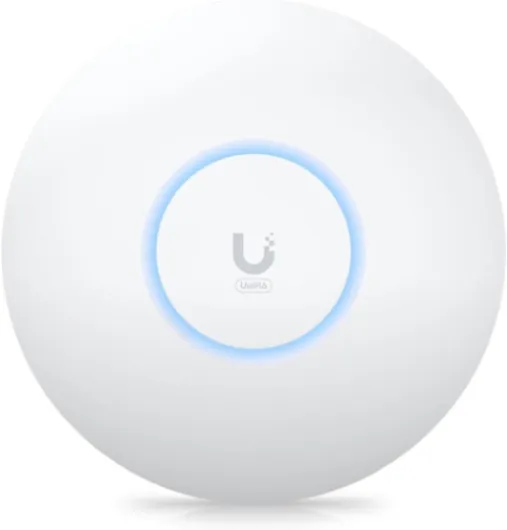

Comparing access point 5 with other network solutions
How does Access Point 5 stack up against other network solutions?
When choosing the right network solution for your home security camera system, it's important to compare Access Point 5 with other popular options. Here are some key points to consider:- Dual Band and High Density Support: Access Point 5 offers dual band (2.4 GHz and 5 GHz) connectivity, which is essential for supporting multiple devices in high density environments. Many basic wifi access points or lite access models may only offer single band, limiting performance when several cameras or smart devices are connected.
- Power over Ethernet (PoE) Capability: With PoE support, Access Point 5 allows for both data and power delivery over a single cable. This simplifies installation and reduces clutter. Not all wireless access points or adapters include PoE power or gigabit LAN ports, so check the product details before purchase.
- Controller and User Guide: The Access Point 5 series often comes with a controller for easier network management and a comprehensive user guide. Some competing products may require additional purchases or lack detailed support documentation.
- Long Range and Wave Wifi: Compared to standard wifi access points, Access Point 5 is designed for long range coverage and stable connections, even at the edge of your property. This is especially valuable for outdoor cameras or devices placed far from your main router.
- Pro and Lite Models: The series includes both pro and lite access point options. The pro models are suitable for high bandwidth needs (like 1300 Mbps on 5 GHz), while lite units are more budget-friendly for smaller setups. Consider your camera's resolution and streaming requirements when choosing between them.
- Single Unit vs. Multiple Access Points: For larger homes or properties with several cameras, you may need more than one access point. Access Point 5 supports seamless roaming between units, which is not always the case with basic wireless products.
| Feature | Access Point 5 | Standard Wifi Router | Lite Access Point |
|---|---|---|---|
| Dual Band | Yes (2.4/5 GHz) | Sometimes | Rarely |
| PoE Support | Yes | No | Optional |
| Long Range | Yes | Limited | Limited |
| High Density Devices | Excellent | Moderate | Poor |
| Controller Included | Yes | No | No |
| Adapter Included | Yes | No | Optional |
Troubleshooting tips for access point 5 and security cameras
Quick fixes for common connectivity issues
If your home security cameras are not connecting smoothly to your access point 5, start with the basics. Double-check that your devices are within the recommended range for your access point series, especially if you are using a lite access or long range model. Sometimes, simply rebooting the access point or camera can resolve temporary glitches. Make sure your wifi access credentials are correct and that your network is not overloaded with too many devices.Understanding band and network compatibility
Access point 5 supports dual band operation, typically 2.4 GHz and 5 GHz. Some cameras only work on one band, so verify your camera’s specifications in the user guide. If you have a dual band access point, try switching your camera between bands to see which gives a more stable connection. For high density environments, a uap pro or wave wifi product may offer better performance, especially if you need gigabit lan speeds or support poe for power and data.Firmware and controller updates
Outdated firmware can cause connectivity issues. Check for updates for both your access point and your security camera. If you use a controller to manage your access points, update its software as well. Manufacturers often release updates to improve wireless stability and add support for new devices.Physical setup and interference
Placement matters. Avoid putting your access point behind thick walls or near large metal objects, as this can block the wifi signal. If you have a poe adapter included with your access point, use it to reduce cable clutter and ensure a stable power supply. For larger homes, consider adding more access points or using a mesh network to extend coverage.Advanced troubleshooting steps
- Check if your access point supports the camera’s network mode (for example, some cameras require support poe or specific mbps ghz rates).
- Test with a single unit first before connecting multiple cameras to rule out device-specific issues.
- Review the product documentation for both your camera and access point for any compatibility notes.
- If you purchased a lite or pro model, confirm the details about maximum supported devices and high density performance.