
Understanding solar camera 100 500 technology
How solar-powered cameras work for home security
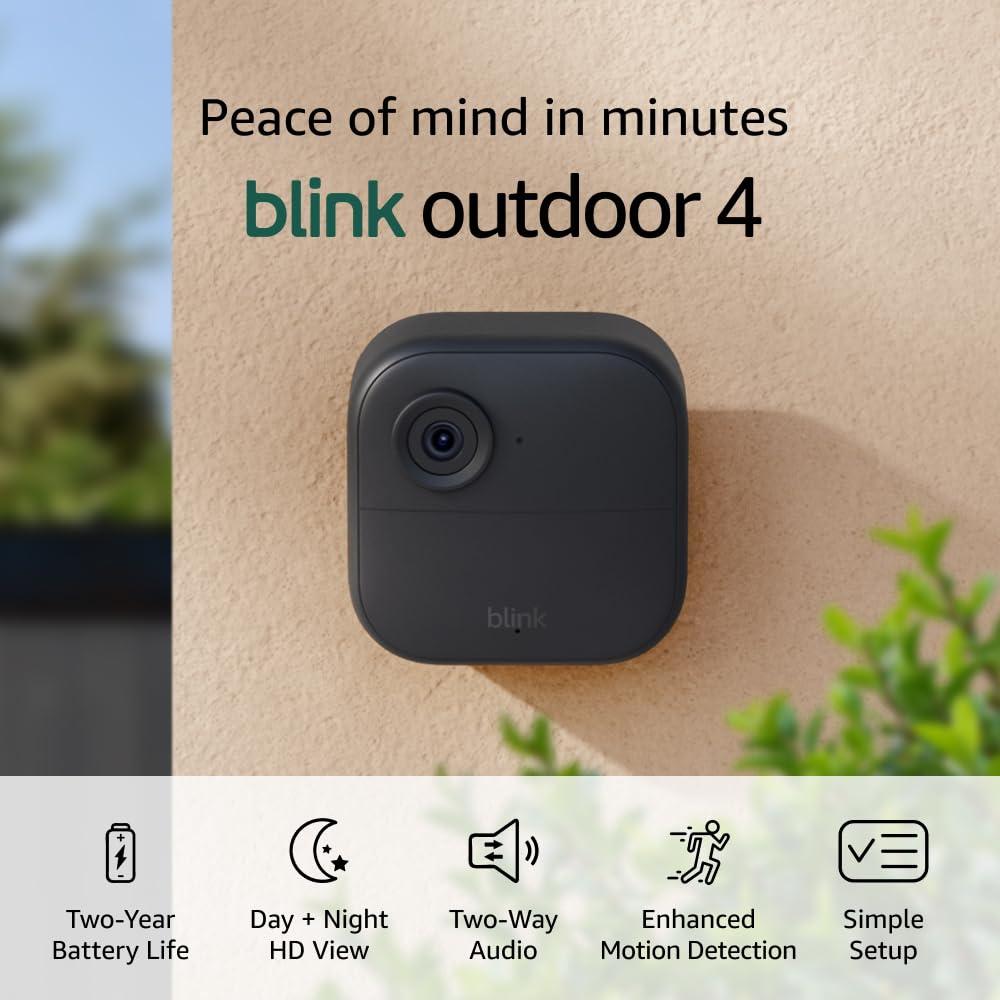
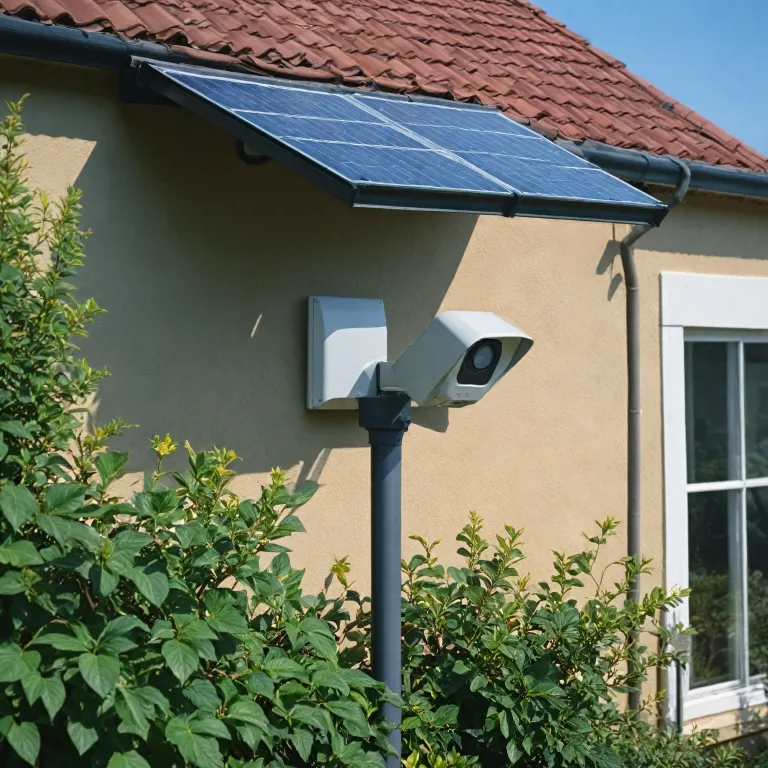
Solar security cameras have become a popular choice for homeowners looking for an eco-friendly and wireless outdoor security solution. These cameras use a solar panel to convert sunlight into energy, which charges an internal battery. This battery then powers the camera system, allowing it to operate day and night without being plugged into an electrical outlet. This makes solar powered security cameras especially useful for areas where running wires is difficult or expensive.
Key components of a solar camera system
- Solar panel: Captures sunlight and converts it into electricity.
- Battery: Stores energy for use during cloudy days or at night.
- Camera unit: Includes features like motion detection, night vision, and video recording.
- Wireless connectivity: Most solar cameras use wifi to transmit video and alerts to your phone or cloud storage.
Benefits of wireless outdoor solar cameras
Wireless solar cameras offer flexibility in placement, since you are not limited by power outlets or cables. They are ideal for monitoring driveways, gardens, or remote corners of your property. Many models now feature color night vision, human detection, and two-way audio, making them a comprehensive security solution. Plus, with no monthly fee for basic storage, the price can be more affordable over time compared to traditional wired systems.
Understanding storage and recording limitations
One important aspect to consider is how your solar camera stores video footage. Some products offer free local storage via SD card, while others require a cloud subscription. If you ever notice your solar powered security camera isn’t recording on the SD card, it’s worth checking out this guide on troubleshooting SD card recording issues for practical solutions.
What to expect from solar camera 100 500 models
Solar camera 100 500 models are designed to balance price and performance. They typically offer HD video, motion detection, night vision, and wireless connectivity. The battery life and solar panel efficiency can vary by product, so it’s important to compare options based on your specific needs and the amount of sunlight your location receives. Later sections will cover which features to prioritize and how to install your camera for optimal performance.
Key features to look for in a solar camera 100 500
Essential Capabilities for Reliable Solar Security
When evaluating a solar camera 100 500 for your home, it’s important to focus on features that directly impact performance, reliability, and ease of use. The right combination of technology and design can make a big difference in your home security system’s effectiveness.
- Wireless Connectivity: Most modern solar security cameras are wireless, making installation easier and reducing clutter. Look for wifi-enabled models that offer stable connections and remote access via smartphone apps.
- Solar Powered Efficiency: A quality solar panel is crucial. It should efficiently charge the camera’s battery even on cloudy days, minimizing downtime and the need for manual recharging. Some products include a detachable solar panel for flexible placement.
- Battery Life and Backup: Long-lasting batteries are essential for continuous operation, especially at night or during extended periods of low sunlight. Check the estimated battery life per charge and whether the camera supports battery backup.
- Night Vision and Color Night Capabilities: Security doesn’t stop after sunset. Cameras with infrared night vision or advanced color night vision provide clearer images in low-light conditions, helping you identify details like faces or license plates.
- Motion Detection and Human Detection: Motion detection is standard, but human detection technology reduces false alarms from animals or moving branches. This feature ensures you only get alerts that matter.
- Video Quality: High-definition video (1080p or higher) is recommended for clear footage. Some cameras offer wide-angle lenses for broader coverage.
- Storage Options: Consider whether the camera supports local storage (SD card) or cloud storage. Each has pros and cons regarding privacy, accessibility, and monthly fee requirements.
- Weather Resistance: Outdoor solar cameras must withstand rain, dust, and extreme temperatures. Look for products with a high IP rating for durability.
- Price and Ongoing Costs: Compare the initial price of the camera system and factor in any monthly fees for cloud storage or premium features. Some wireless outdoor cameras offer free basic plans, while others require subscriptions for full functionality.
Additional Considerations for a Complete System
Beyond the basics, some solar powered security cameras offer extra features like two-way audio, customizable detection zones, and integration with smart home systems. These can enhance your overall security experience and make daily use more convenient.
For those interested in understanding how camera adapters can influence performance and compatibility, you can read more in this guide on camera adapters for home security.
Choosing the right combination of features will help ensure your solar camera system meets your needs and provides peace of mind, whether you’re monitoring your front yard, backyard, or an entire property.
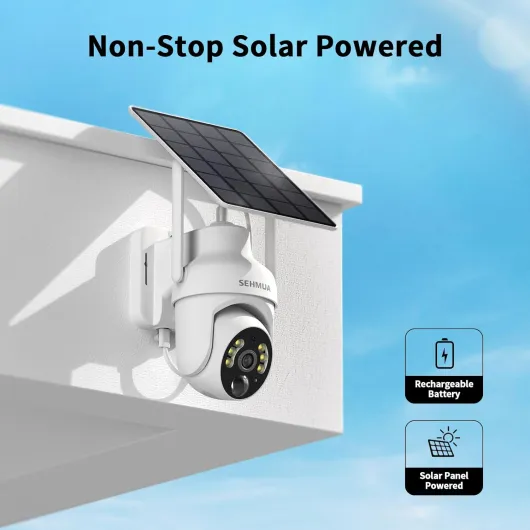
- + 2K resolution for clearer, more detailed video
- + 360° pan/tilt coverage to reduce blind spots
- + Wireless Wi‑Fi connectivity for flexible placement
- + Color night vision for better nighttime identification
- + Easy installation — quick setup advertised

Installation tips for optimal performance
Finding the Best Spot for Your Solar Security Camera
Getting the most out of your solar powered security camera starts with choosing the right location. Place your camera where it gets direct sunlight for most of the day. This helps keep the battery charged and ensures the camera system is always ready. For outdoor solar cameras, avoid spots with heavy shade from trees or buildings. Also, make sure the camera has a clear view of the area you want to monitor, whether it's your driveway, backyard, or entrance.
Mounting and Positioning for Maximum Coverage
Proper mounting is crucial for both security and performance. Use sturdy brackets or stands designed for wireless outdoor cameras. If you need advice on stands, check this guide to choosing the right outdoor stand for your security camera. Mount the camera high enough to avoid tampering, but low enough for clear video and motion detection. Angle the camera to cover entry points and paths, and avoid pointing it directly at bright lights or reflective surfaces, which can affect night vision and color night video quality.
Connecting to Wifi and Power
Most solar cameras are wireless, but they still need a strong wifi signal for reliable video streaming and storage. Test the wifi connection at the installation spot before mounting. If the signal is weak, consider a wifi extender. For solar powered cameras, check that the solar panel is clean and positioned for optimal sunlight. Some products allow you to adjust the panel angle for better charging throughout the month.
Configuring Motion Detection and Storage
After installation, set up motion detection zones to reduce false alerts from passing cars or animals. Many camera security systems let you adjust sensitivity and detection color settings. For storage, decide if you want local storage (like an SD card) or cloud storage. Some cameras offer both, and some may require a monthly fee for extra features or video history.
- Check battery status regularly, especially after cloudy days.
- Test night vision and color night features to ensure clear footage in low light.
- Update the camera firmware for the latest security and performance improvements.
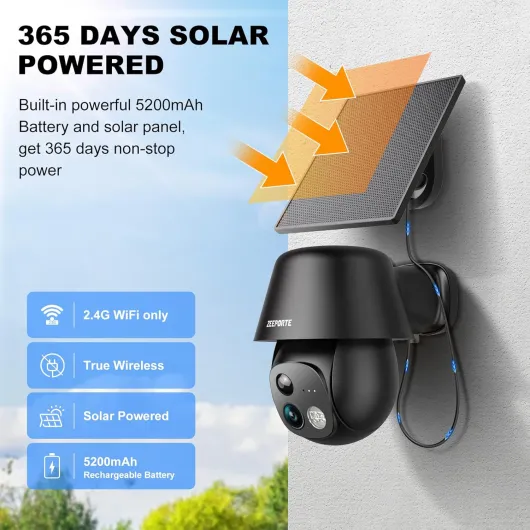
- + Solar-powered with battery backup for extended runtime
- + 2K resolution for sharper video and clearer details
- + 360° pan/tilt coverage reduces blind spots
- + AI motion detection for fewer false alerts
- + Spotlight & siren for active deterrence
Common challenges and troubleshooting
Troubleshooting Power and Connectivity Issues
Solar powered security cameras are designed for convenience, but they can face power and connectivity challenges. If your wireless outdoor camera loses connection or fails to charge, check the solar panel placement first. Make sure it gets direct sunlight for most of the day. Obstructions like trees or dirt on the panel can reduce charging efficiency. For wifi issues, ensure your camera system is within range of your router and that your network is stable. If you notice frequent disconnections, try relocating your router or using a wifi extender.Addressing Motion Detection and Night Vision Problems
Motion detection is a key feature for any security camera, but false alerts or missed events can be frustrating. Adjust the sensitivity settings in your camera’s app to reduce unwanted notifications. For human detection, some cameras allow you to set activity zones, focusing only on important areas. If your night vision or color night vision isn’t working as expected, check the lens for dirt and ensure the infrared LEDs are not blocked. Poor night performance can also be caused by low battery levels, so keep an eye on the battery status, especially after several cloudy days.Video Storage and Monthly Fee Concerns
Many solar security cameras offer both local and cloud storage options. If you’re having trouble accessing recorded video, verify your SD card is properly inserted and formatted. Some products require a specific type of card or have storage limits. For cloud storage, check if your subscription is active and whether your camera supports free or paid plans. Be aware of any monthly fee associated with advanced features or extended storage.Weather-Related Challenges for Outdoor Cameras
Outdoor solar cameras are built to withstand the elements, but extreme weather can impact performance. Heavy rain, snow, or dust can cover the solar panel, reducing charging efficiency. Regularly clean the panel and camera lens to maintain optimal performance. If you live in an area with long periods of low sunlight, consider a model with a larger battery or an additional solar panel for extra power.- Ensure your wireless solar camera is installed where it gets maximum sunlight.
- Check wifi signal strength and use extenders if needed.
- Adjust motion detection settings to avoid false alerts.
- Monitor battery and storage status, especially after bad weather.
Comparing solar camera 100 500 models
How Different Solar Cameras Stack Up
When comparing solar camera 100 500 models, it’s important to look beyond just the price. Each product offers a unique mix of features, and understanding these differences can help you choose the right camera system for your home security needs.| Model | Wireless | Battery Life | Night Vision | Motion Detection | Storage | Monthly Fee | Solar Panel | Outdoor Rated |
|---|---|---|---|---|---|---|---|---|
| SolarCam 100 | Yes | Up to 3 months | Infrared | Basic | SD Card | No | Included | Yes |
| SolarGuard 300 | Yes | Up to 6 months | Color Night | Human Detection | Cloud/SD Card | Optional | Included | Yes |
| EcoSolar 500 | Yes | Up to 4 months | Color Night | Advanced Motion Detection | Cloud | Yes | Detachable | Yes |
What Sets Each Camera Apart
- Wireless and Outdoor Use : All models are wireless and designed for outdoor use, making installation flexible and easy.
- Battery and Solar Powered : Battery life varies, but all are solar powered for continuous operation. Some offer longer battery backup, which is helpful during cloudy periods.
- Night Vision and Detection : While basic models provide standard night vision, higher-end options include color night vision and human detection, improving security and reducing false alerts.
- Storage and Monthly Fees : Consider if you prefer local SD card storage or cloud storage. Cloud options may require a monthly fee, but can offer more secure video backup.
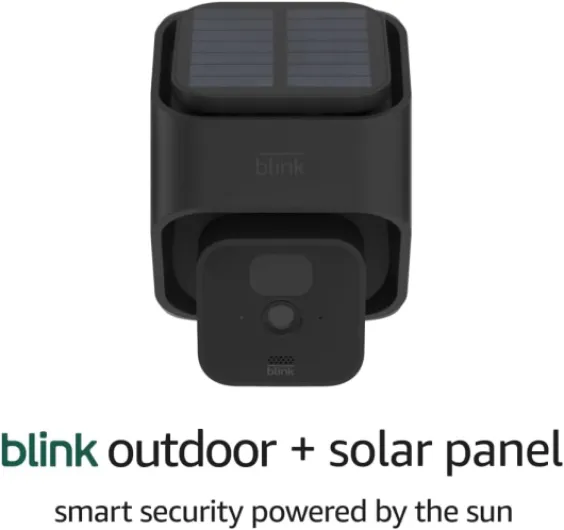
- Solar Panel Design : Some cameras have built-in solar panels, while others use detachable panels for more flexible placement.
Making the Right Choice
Choosing between these solar security cameras depends on your priorities. If you want advanced motion detection and color night vision, a higher-end model may be worth the extra investment. For those looking to avoid monthly fees, focus on products with SD card storage. Always check the outdoor rating and make sure the camera system fits your local climate and wifi coverage. Comparing these features side by side can help you find the best solar powered security camera for your needs.Maintenance and longevity of your solar camera
Keeping Your Solar Security Camera in Top Shape
Regular care is essential to get the most out of your solar powered security camera system. Outdoor cameras face dust, rain, and sun, so a little attention goes a long way in maintaining performance and extending lifespan.- Clean the solar panel: Dust and debris can block sunlight, reducing charging efficiency. Wipe the panel gently with a soft, damp cloth every month or after storms.
- Check the battery status: Wireless solar cameras rely on battery health. Most products let you monitor battery levels via their app. If you notice rapid drops or the camera shutting down at night, the battery may need replacement.
- Inspect for obstructions: Trim any branches or objects that could shade the solar panel or block the camera’s field of view. This helps maintain optimal solar charging and clear video footage.
- Test motion detection and night vision: Walk in front of your camera to ensure motion detection and night vision features are working. If you notice issues, check the lens for dirt and review your system’s settings.
- Update firmware: Manufacturers often release updates to improve detection, wifi connectivity, and security. Check for updates in your camera’s app every few months.
- Review storage and video quality: Make sure your video storage system is working and not full. Regularly review recorded footage to confirm the camera is capturing clear color night vision and motion events.
How Long Will Your Wireless Outdoor Solar Camera Last?
The longevity of a solar camera depends on several factors:| Component | Typical Lifespan | Maintenance Tips |
|---|---|---|
| Solar Panel | 5-10 years | Keep clean and unobstructed |
| Battery | 1-3 years | Monitor charge cycles, replace if capacity drops |
| Camera Hardware | 3-5 years | Protect from extreme weather, update firmware |