Ring vs Arlo as security ecosystems, not just cameras
Choosing between Ring and Arlo is really choosing a security ecosystem. When you compare Ring vs Arlo properly, you are deciding how your security cameras, alarm equipment, and smart home automation will work together every month, not just which app looks nicer. That is why people who already own some DIY security systems often feel stuck between keeping their existing Ring security devices and moving to higher resolution Arlo security cameras.
Ring leans into Amazon Alexa, Echo Show screens, and cloud storage on Amazon Web Services, while Arlo security focuses on image quality, flexible monitoring plans, and broader smart home compatibility. In practice, that means a Ring alarm system, a Ring video doorbell, and a few outdoor cameras can feel easy to manage if you already talk to Alexa every day, but the same setup can feel limiting if you want HomeKit or more detailed night vision. When you place Arlo ring side by side, the Arlo Pro 5S and Arlo Ultra 2 cameras deliver sharper footage than any cameras Ring currently sells, especially when you zoom in on faces or licence plates.
For a security conscious upgrader who has lived through false alerts and missed events, the real question is how each security system handles motion sensors, notifications, and video storage over several years. Ring security systems are cloud first, so every camera clip and alarm event flows to the cloud storage service, while Arlo offers a hybrid model with optional local storage through its SmartHub. That difference shapes not only your privacy posture but also how much you pay per month for each monitoring plan and how your security systems behave during internet outages.
Hardware reality check: cameras, sensors, and night vision
On paper, Ring vs Arlo can look like a simple resolution race, but the hardware story runs deeper. Ring caps its security cameras at 1080p, including popular models like the Ring Stick Up Cam and the Ring Floodlight Camera, while Arlo security cameras such as the Arlo Pro 5S and Arlo Ultra 2 push up to 2K and 4K with HDR, which matters when you freeze a frame at 3 a.m. under weak street lighting. That extra detail means Arlo offers clearer evidence when you hand footage to insurance companies or the police after a real incident.
Night vision performance separates these brands even more than daytime sharpness, because infrared LEDs, sensor size, and bitrate all shape what you actually see. In many suburban driveways, cameras Ring installs will show a bright white halo around close objects, while Arlo cameras keep more usable detail in the background thanks to better dynamic range and higher bitrates in their security cameras. If you are considering a Ring floodlight upgrade, it is worth reading a detailed analysis such as this review of the Ring floodlight camera to understand how lighting, sensors, and cloud storage interact in real backyards.
Both companies sell indoor outdoor models, battery powered outdoor cameras, and wired options, but their equipment philosophy differs. Ring alarm sensors and cameras are designed for easy DIY installation with clear instructions and simple mounting hardware, while Arlo security gear often assumes you are willing to tweak Wi Fi placement, adjust zones, and tune motion sensitivity to reduce false alerts. If you want a security system that just works with minimal tinkering, Ring security may feel like the best fit, but if you are willing to invest time to optimise every camera angle, Arlo ring combinations can deliver superior coverage.
Alarm systems, monitoring, and what happens when things go wrong
When you move beyond cameras into full security systems, Ring vs Arlo becomes a question of how you want alarms and professional monitoring to behave. Ring alarm is a complete DIY alarm system with door and window sensors, motion detectors, a keypad, and optional professional monitoring that can call emergency services when you are away. Arlo security, by contrast, started with cameras and later added Arlo security system components, so its alarm systems feel more like an extension of the camera ecosystem than a separate product line.
Professional monitoring changes the stakes, because a missed notification is annoying, but a missed alarm signal can be catastrophic. Ring security offers professional monitoring plans that bundle cellular backup, monitoring plan options, and cloud storage for video clips, turning your cameras ring setup into a more traditional security system that can still be installed as a DIY project. Arlo offers its own monitoring plans in some regions, but coverage, response workflows, and integration with local emergency services can vary more than with Ring alarm packages.
Failure modes matter as much as features when you evaluate security systems from serious companies. If your broadband fails, a Ring alarm base station with cellular backup can still send alarm signals, but your Ring vs Arlo cameras may not upload video storage clips until the connection returns, while local storage on an Arlo SmartHub can keep recording even without internet. Before you commit to any security system, read a focused breakdown of wired floodlight options such as this guide to the Ring Floodlight Camera Wired Plus, because it shows how power, connectivity, and monitoring interact in real emergencies.
Subscriptions, long term costs, and cloud versus local storage
The most overlooked part of any Ring vs Arlo decision is the long term cost of subscriptions, accessories, and replacements. A single Ring security camera with a basic cloud storage plan looks affordable in isolation, but four cameras, a Ring alarm kit, and a monitoring plan over several years can cost more than the original equipment, especially when you add a video doorbell and extra sensors. Arlo offers similar subscription tiers for its security cameras, and the total bill for multiple outdoor cameras and indoor units can surprise people who only checked the upfront price.
Cloud storage is convenient because you can review security footage from anywhere, share clips with neighbours, and let professional monitoring teams verify alarms, yet it locks you into monthly payments. Arlo security gives you a partial escape hatch with local video storage on its SmartHub, while Ring security remains cloud first, which means your security systems depend heavily on both your internet connection and your willingness to keep paying every month. For homeowners who hate subscriptions, a local first brand like Eufy, with models such as the Eufy SoloCam S340 and the EufyCam S300 kit, can be compelling, and a detailed review of a 4K local storage kit such as this EufyCam S300 analysis shows how zero subscription ownership really works.
When you compare Ring arlo and Eufy over three years, Ring usually lands in the middle on cost, Arlo often becomes the most expensive due to higher camera prices and richer plans, and Eufy can be the cheapest if you accept its ecosystem limits. The winner tie scenario appears when you value different things across your property, such as using Arlo security cameras for critical outdoor cameras, Ring for an easy video doorbell at the front door, and a local storage system for sensitive indoor rooms. Mixing brands can work if you accept multiple apps and notifications, but it undermines the simplicity that many people expect from modern security systems.
Which brand fits which homeowner, and can you mix ecosystems ?
By this point, Ring vs Arlo should feel less like a beauty contest and more like a choice between philosophies. If you are a budget buyer who wants easy DIY installation, simple apps, and tight Alexa integration, a Ring security system with Ring alarm, a few indoor outdoor cameras, and a video doorbell is usually the best balance of cost and convenience. For a privacy advocate who dislikes cloud storage, Arlo offers more flexibility than Ring, but a local first system with strong encryption and no required subscription may still be the better fit.
Smart home power users who already run HomeKit, Google Assistant, or SmartThings often lean toward Arlo security because Arlo offers broader platform support than Ring, higher resolution cameras, and more granular control over automation routines. In that scenario, you might keep an existing Ring video doorbell for its reliable motion detection and add Arlo ring combinations of outdoor cameras with superior night vision and higher bitrates, accepting that your security systems will live in two apps. Set and forget parents, on the other hand, usually prefer a single app, clear alerts, and professional monitoring that just works, which is where Ring security with a monitoring plan and cellular backup still shines.
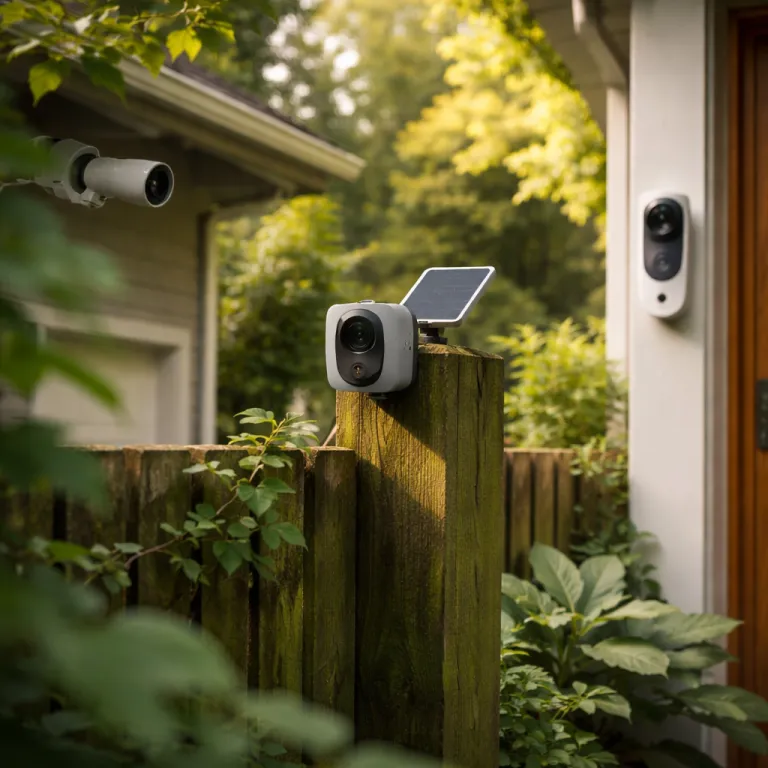
Mixing brands can be powerful when you use a smart home hub to unify notifications, but it also multiplies complexity when something breaks. A hybrid setup with cameras Ring on the front and Arlo security cameras on the back may give you the best of both worlds, yet you will troubleshoot two ecosystems whenever Wi Fi, sensors, or automation rules misbehave. In the end, the real winner tie is not about logo loyalty but about which combination of security cameras, alarm systems, and monitoring plans lets you sleep through the night without wondering what your cameras actually captured at three in the morning.
FAQ
Is Ring or Arlo better for image quality on security cameras ?
Arlo generally delivers better image quality than Ring, especially on its higher end security cameras such as the Arlo Pro 5S and Arlo Ultra 2. Those Arlo security models offer up to 4K resolution with HDR, which preserves more detail in shadows and bright areas than the 1080p cameras Ring currently sells. If you care most about identifying faces or licence plates, Arlo offers a clearer picture than Ring security in most real world tests.
Which brand is easier to install as a DIY security system ?
Ring alarm and Ring security cameras are usually easier to install for DIY users than Arlo security systems. The Ring app walks you through adding sensors, pairing cameras, and setting up a video doorbell with very simple steps, which helps people who are not comfortable with networking. Arlo systems are still DIY friendly, but they often require more tuning of Wi Fi placement, motion zones, and night vision settings to avoid false alerts.
How do Ring and Arlo compare on subscriptions and long term costs ?
Both Ring and Arlo rely on monthly subscriptions for cloud storage and advanced features, but their pricing and flexibility differ. Ring security plans tend to be slightly cheaper per month, especially when you bundle a monitoring plan with Ring alarm and multiple cameras, while Arlo offers more expensive tiers that unlock higher resolution video storage and advanced analytics. Over several years, Arlo offers the highest total cost for a multi camera system, Ring usually lands in the middle, and a local first brand without mandatory subscriptions can be the most affordable.
Which brand handles outages and cellular backup better ?
Ring alarm with a monitoring plan and cellular backup is stronger than Arlo when it comes to keeping alarm signals flowing during internet outages. The Ring base station can still send alarm events to professional monitoring companies even if your broadband fails, although your cameras may not upload new clips until the connection returns. Arlo offers local recording through its SmartHub, which keeps video storage running during outages, but its alarm signalling is more dependent on your home network.
Can I mix Ring and Arlo in the same home security setup ?
You can absolutely mix Ring and Arlo in one property, and many homeowners run a Ring video doorbell alongside Arlo outdoor cameras. This mixed approach lets you use the best features of each brand, such as easy Ring security for the alarm system and higher resolution Arlo security cameras for the garden or driveway. The trade off is managing two apps, two sets of notifications, and sometimes overlapping automation rules, so it suits more technical users than people who want a single, simple interface.