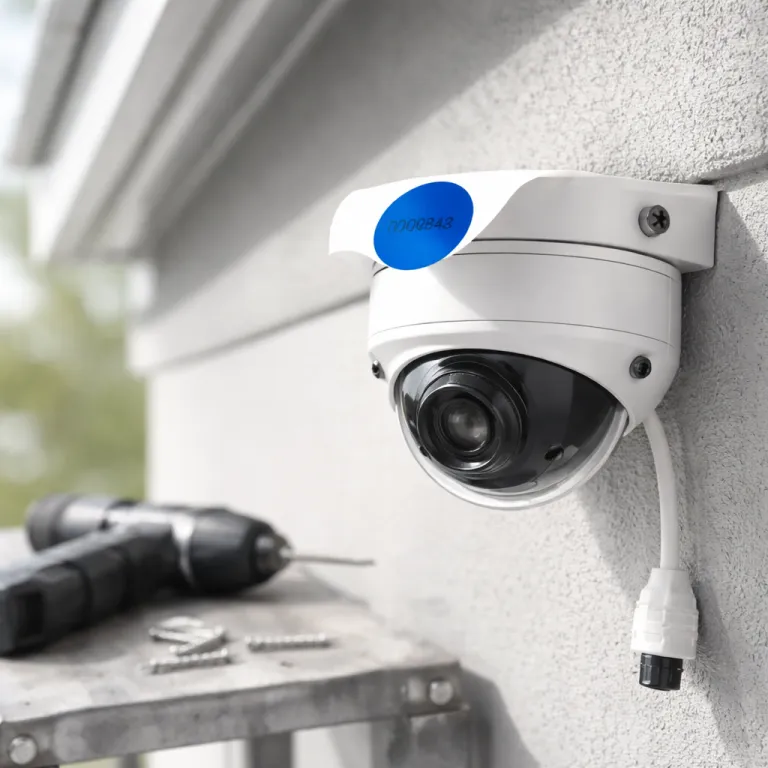
What the FCC Cyber Trust Mark means for a home security camera
The FCC Cyber Trust Mark program for security cameras is the first national attempt to rate how hard your camera is to hack, not how sharp its video looks. Under this cybersecurity labeling initiative from the Federal Communications Commission, a compliant product carries a shield-style logo and a QR code label that signal it meets baseline cybersecurity standards for consumer IoT devices, as outlined in the FCC’s Cybersecurity Labeling Program documentation. For a privacy-first buyer comparing a Reolink PoE turret with a Nest Cam Battery or a Ring Stick Up Cam, that small emblem on the box will quietly matter more than another bump in advertised resolution.
The mark program is part of a broader FCC cybersecurity labeling framework for smart products, covering a growing list of IoT devices such as security cameras, smart locks, baby monitors and even some wireless consumer routers. To qualify, manufacturers must show that their IoT devices ship without default passwords, encrypt data in transit, support regular security updates and follow documented testing procedures for known cyber vulnerabilities. The FCC rules also require a vulnerability disclosure process so independent researchers can report flaws, which gives the public and every consumer a clearer path to push brands when cybersecurity standards slip.
For home cameras, that translates into concrete protections rather than vague marketing about cyber trust or military-grade security. A compliant camera under the Cyber Trust Mark scheme must support unique credentials per device, hardened firmware and a clear policy for how long it will receive security updates, which is critical when you keep cameras like an Arlo Pro 5S or Blink Outdoor 4 mounted for years. The cybersecurity label does not guarantee perfection, but it sets a floor for IoT security that cheap white-label products on marketplace sites often fail to reach, and it aligns with best-practice guidance from NIST and similar standards bodies.
The FCC labeling program also aims to clean up the long tail of smart devices that quietly sit on your network for a decade. Many older IoT products never received a single firmware patch, leaving open ports and unencrypted streams that automated cyberattack bots can sweep up in minutes. By tying the trust mark to ongoing security updates and documented testing procedures, the program pushes manufacturers to treat every shipped camera as a long-term cybersecurity obligation, not a one-off product sale, and to submit to periodic reassessment when major firmware changes or new device families are introduced.
From a buyer’s perspective, the cybersecurity label works like a nutrition label for data handling and software maintenance. Scan the QR code on a compliant home security camera and you are taken to an FCC-hosted page that explains which cybersecurity standards the product meets, how long the vendor will provide patches and what kinds of data the device collects. The FCC has previewed this flow in its public briefings and pilot program materials, showing a standardized landing page that acts as a single, consistent place to check whether a camera’s cyber posture matches your privacy expectations before you wire it into a PoE switch or connect it to a wireless consumer mesh network.
The FCC has positioned itself as the lead administrator for this cybersecurity labeling effort, but it will rely heavily on accredited labs to run testing procedures on IoT devices. Those labs check whether the product firmware enforces password complexity, whether data between the camera and cloud is encrypted and whether security updates can be delivered without exposing new attack surfaces; for example, a lab might verify that a camera supports secure boot and signed firmware images before granting approval. Early pilot participants and supporters have included brands such as Google, Amazon and Samsung, and for privacy-focused homeowners who already run UniFi Protect or Amcrest NVRs, the presence of the trust mark on any new smart devices offers a quick filter to separate serious vendors from opportunistic importers.
How the Cyber Trust Mark intersects with real world camera threats
Behind the FCC Cyber Trust Mark initiative for security cameras sits an uncomfortable number, with research from multiple industry reports suggesting that a typical home now faces around 29 cyberattack attempts per day against its smart devices. Studies from firms such as Kaspersky and Bitdefender have documented similar volumes of automated probes, most of them aimed at consumer IoT hardware. Most of those attacks are not Hollywood-style zero days but automated credential stuffing, lazy network scanning and scripts that probe IoT devices for old firmware bugs. When a labeling program forces vendors to remove default passwords and harden login pages, it cuts off the easiest wins for attackers who rely on reused credentials and neglected security updates.
Home security cameras are prime targets because they combine always-on connectivity, sensitive data and often weak IoT security. Attackers routinely scan for exposed RTSP streams, outdated web interfaces and cloud APIs that were never designed with modern cybersecurity standards in mind, especially on low-cost smart products that ship with minimal support. A camera that carries the FCC trust mark has at least passed baseline cybersecurity checks, meaning its product design and software stack have been reviewed against defined IoT security requirements rather than improvised by a rushed engineering team.
For a privacy-first buyer choosing between subscription-heavy cloud cameras and local NVR-based systems, the mark program should be treated as a minimum bar, not a gold medal. A Ring Stick Up Cam or Nest Cam Battery that carries the cybersecurity label may still funnel video and audio data into a cloud where retention policies, law enforcement access and cross-service data sharing remain outside the scope of the FCC program. The trust mark focuses on keeping attackers out of your devices, not on limiting how the vendor itself uses your consumer data once it reaches their servers.
That gap matters if you prefer cameras like Reolink PoE domes, Amcrest bullets or UniFi G4 turrets that record primarily to local NVRs or Home Assistant integrations. Even with a strong security label from the FCC, you still need to read the vendor’s privacy policy, check whether end-to-end encryption is available and decide how much cloud connectivity your smart devices truly require. The program does not govern law enforcement data requests, cross-border transfers or how long a company keeps motion clips from your driveway, so a cautious consumer will still limit which cameras point indoors.
Some major brands have signalled support for the FCC cybersecurity label in public comments and filings, while others remain non-committal or silent. In FCC dockets and press releases, Google, Amazon and Samsung have backed the idea of a national cybersecurity labeling program for consumer IoT, which suggests that Nest, Ring and SmartThings-compatible cameras will gradually adopt the trust mark as the rules are finalized and enforcement dates take effect. By contrast, many budget camera makers that flood marketplaces with unbranded IoT products have not announced any plans to join the FCC framework, leaving their devices outside the emerging baseline for IoT security.
For buyers who hate subscription paywalls, the Cyber Trust Mark scheme does not change the economics of cloud recording, but it does help you compare risk. When you evaluate security cameras with no subscription using an independent guide, you can now add the presence or absence of the trust mark to your checklist alongside storage options and bitrate controls. That way, you are not trading away cybersecurity for the sake of avoiding monthly fees, especially when you rely on wireless consumer networks that already juggle dozens of smart devices.
How to read the label and use it without over trusting it
On a practical level, using the FCC Cyber Trust Mark system for cameras starts with the QR code printed on the packaging or the device label. When you scan that code with a phone, you are taken to an FCC-hosted page that acts as a cybersecurity label, listing which cybersecurity standards the product meets, how long it will receive security updates and what categories of data it collects. Think of it as a structured public notice that turns vague marketing about cyber trust into specific, testable claims about the product you are about to bolt above your front door.
The page will typically outline whether the camera supports unique credentials, encrypted transport, secure boot and a documented process for vulnerability reporting to the lead administrator or vendor security team. It may also state whether the IoT devices in that family share a common firmware base, which matters when you deploy multiple smart devices such as a mix of indoor cubes and outdoor bullets from the same brand. For a homeowner who already understands PoE, CVBS compatibility and NVR throughput, this cybersecurity labeling detail is the missing layer that explains how the camera behaves under cyber pressure, not just how it connects to a monitor.
There are limits. The FCC Cyber Trust Mark framework does not cover how a company responds to law enforcement requests, how long it stores cloud backups or whether it offers end-to-end encryption for live viewing. Those issues sit in privacy policies, state privacy laws and sometimes in separate wireless consumer terms of service, which means a cautious buyer still needs to read beyond the trust mark before installing cameras in bedrooms or home offices.
For technically inclined homeowners, the label can guide more advanced setups that keep sensitive data closer to home. If you run Home Assistant with a mix of Reolink PoE cameras and a legacy CVBS feed converted for a modern NVR, you can still use the FCC cybersecurity label as a filter when adding any new smart products that insist on cloud connectivity. A camera that passes the FCC testing procedures for IoT security is easier to sandbox behind VLANs and firewalls, because you know its firmware supports secure updates and basic hardening rather than relying on default passwords.
The mark also helps when you connect a security camera to a TV or monitor without HDMI, where you might otherwise reach for the cheapest adapter or white-label camera you can find. By prioritising devices that carry the FCC Cyber Trust Mark label, you reduce the chance that a poorly secured product will sit on your network for years, quietly exposed to cyber scanning and credential attacks. The trust mark will not fix Wi-Fi handoff drops, dying PIR sensors or IR washout at 3 am, but it does narrow the field to vendors that treat cybersecurity as part of the product, not an optional extra, and it creates a basis for future recertification if serious vulnerabilities emerge.
Used well, the FCC Cyber Trust Mark becomes one more tool in a layered defence that already includes strong router passwords, segmented networks and careful placement of indoor cameras. It will not tell you whether a Ring Stick Up Cam handles backlight better than a Eufy SoloCam S340, or whether a Blink Outdoor 4 copes with snow glare, but it will tell you whether the underlying software meets a national baseline for IoT products. In the end, your home is safer when your cameras are not just watching but are also built to withstand the constant low-level cyber noise that now surrounds every connected device.
Further reading
For readers comparing local and cloud storage options, an in-depth guide to security cameras with no subscription can help frame the trade-offs between monthly fees and control over your data. If you are planning a mixed analogue and digital system, this explainer on CVBS video in modern home security camera systems clarifies how older feeds interact with newer NVRs and smart devices. Homeowners who want to integrate cameras directly with a television or legacy monitor can follow this step-by-step guide on connecting a security camera to a TV monitor without HDMI while still applying the FCC Cyber Trust Mark as a filter for safer IoT devices.