

Understanding the role of motion detector lights indoor
Why Indoor Motion Detector Lights Matter for Security
Indoor motion detector lights play a crucial role in modern home security. These lights are designed to automatically turn on when motion is detected, providing instant illumination that can deter unwanted visitors and alert you to movement inside your home. The combination of motion and light not only improves visibility but also enhances your sense of safety, especially in areas like hallways, basements, and entryways.
How Motion-Activated Lighting Works
Motion sensor lights use a sensor, often infrared, to detect movement. When motion is detected, the sensor activates the light, which can be an LED, incandescent, or other type of bulb. The color temperature of the light, measured in Kelvin, affects the ambiance and visibility. For example, a white LED motion sensor light with a higher lumen output provides brighter, clearer lighting. Some units are battery operated, offering flexibility in placement, while others are hardwired for continuous power. Battery life and the type of batteries used (such as AA or rechargeable units) are important considerations for maintenance.
Benefits Beyond Illumination
- Acts as a deterrent for intruders by making movement visible
- Helps prevent accidents by lighting up dark areas when motion is detected
- Can be integrated with other security devices, such as cameras and alarms, for a comprehensive system
- Energy efficient options like LED motion sensor lights reduce electricity usage
Choosing the Right Light for Your Needs
When shopping for indoor motion detector lights, consider factors like the lumens (brightness), color of the light, damp rated or unit suitability for specific rooms, and warranty year for peace of mind. Look for customer reviews and sku details to compare products. Some sensor lights come with adjustable sensitivity and timer settings, allowing you to customize how long the light stays on after motion is detected. Battery operated options are ideal for areas without easy access to wiring, while ceiling light or light bar designs can provide broader coverage.
Understanding how to avoid camera blind spots in your home security system is also essential when planning your lighting and camera placement. For more tips on optimizing your setup, check out this guide on avoiding camera blind spots.
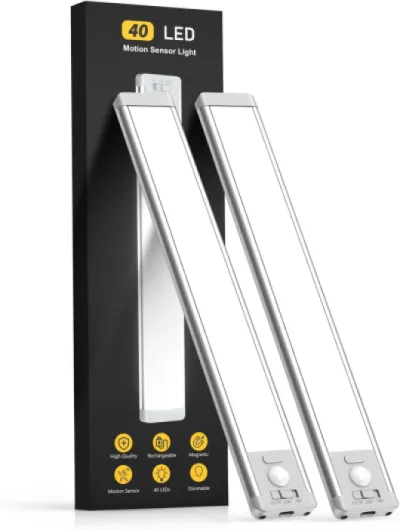
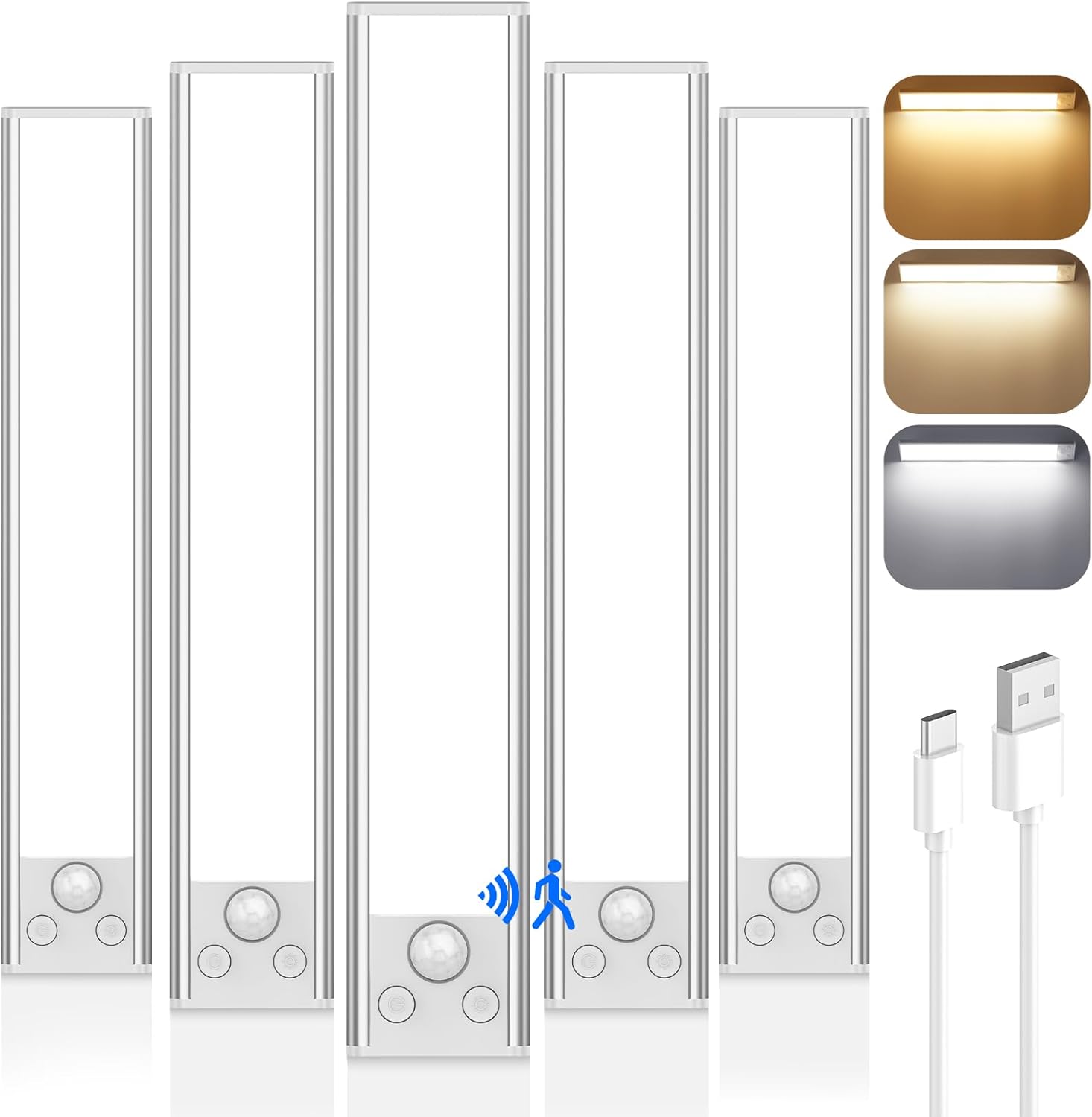
- + Rechargeable and wireless for easy installation
- + Motion sensor feature for automatic lighting
- + 5 levels of dimming for customizable brightness
- + Magnetic design for flexible placement
- + Compact size fits under cabinets or in closets

Key features to look for in indoor motion detector lights
What Makes a Motion Detector Light Stand Out?
When you shop for indoor motion detector lights, it’s easy to get overwhelmed by the options. To make the right choice, focus on features that directly impact your security and daily convenience. Here’s what to look for:
- Motion Sensor Sensitivity: The core of any motion activated light is its sensor. Check how well the sensor detects movement—some units offer adjustable sensitivity to reduce false alarms. A quality sensor light should reliably detect motion in the intended area without being triggered by pets or HVAC airflow.
- Light Output and Lumens: Brightness is measured in lumens. For indoor security, a light bar or ceiling light with 300 to 800 lumens is usually sufficient. LED motion lights are energy-efficient and provide consistent lighting. Consider the size of your space when choosing the right output.
- Color Temperature and Color Options: The color temperature, measured in Kelvin, affects the ambiance. A white light (around 4000K to 5000K) is ideal for security, as it offers clear visibility. Some sensor LED lights let you adjust the color temperature or even the color itself for more flexibility.
- Power Source and Battery Life: Decide between battery operated and hardwired models. Battery operated sensor lights offer flexible placement but check the battery life and type of batteries required. Some units use standard light bulbs, while others have integrated LEDs. Look for products with a long battery life and easy battery replacement.
- Build Quality and Ratings: If you plan to install lights in damp areas, look for damp rated or UL rated units. This ensures the lighting will withstand humidity and last longer. Check the warranty year and customer reviews for insights into reliability.
- Integration and Compatibility: Some sensor lights can connect with your home security system or smart devices. This can enhance your overall security setup, especially when paired with a home security camera or glass break detector. For more on how these devices work together, learn about how the Honeywell glass break detector enhances your home security.
- Ease of Installation and Maintenance: Consider how simple it is to install the unit and replace light bulbs or batteries. Some lights come with mounting hardware and clear instructions, making DIY installation easier.
By focusing on these features, you’ll be better equipped to choose a motion sensor light that fits your needs, whether you’re lighting a hallway, closet, or entryway. Remember, the right lighting can make a significant difference in your home’s security and comfort.
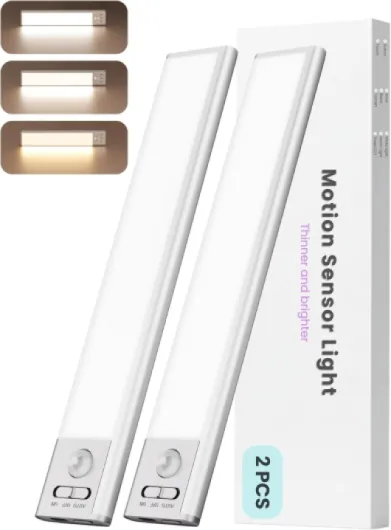
- + Cordless and rechargeable for convenience
- + Features motion sensor technology
- + Bright 110 lumens output
- + Includes magnetic strip for easy installation
- + Versatile for use in closets, counters, stairs, and pantries
Placement tips for optimal coverage
Where to Place Motion Detector Lights for Maximum Effectiveness
Choosing the right spot for your indoor motion detector lights can make a big difference in your home security. The goal is to ensure the sensor light covers the most vulnerable areas, while avoiding unnecessary false alarms. Here are some practical tips to help you get the most out of your lighting setup:- Entry Points: Place motion activated lights near doors, hallways, and staircases. These are common paths for movement and are ideal for detecting unwanted activity.
- Ceiling or Wall Mounting: Mounting a sensor led or led motion light on the ceiling or high on a wall increases the coverage area. Ceiling lights with a wide angle sensor can detect motion across a larger space.
- Room Corners: Positioning sensor lights in corners helps maximize the field of view. This is especially useful for battery operated units, as you can cover more area with fewer lights.
- Lighting Inch and Placement: Consider the size of the room and the lighting inch of your unit. Larger rooms may need multiple sensor lights or a light bar for full coverage.
- Color Temperature and Lumens: Choose the right color temperature (like white or warm) and lumens for your needs. Brighter led motion lights are better for security, while softer lighting may be preferred for living spaces.
- Battery Life and Access: For battery operated models, install them where you can easily change batteries. Check the battery life and warranty year to ensure reliable performance.
- Damp Rated Areas: If you’re installing in a damp rated location (like basements or laundry rooms), make sure your security light is rated for those conditions.
Integrating motion detector lights with home security cameras
How to Sync Motion Detector Lights with Security Cameras
Pairing your motion detector lights with home security cameras can significantly boost your indoor security. When a sensor light is triggered by motion, it can activate your camera to start recording, ensuring you capture important events in real time. Here’s how to make the most of this integration:
- Choose Compatible Devices: Before you shop, check if your lighting unit and security camera can communicate. Many modern sensor lights and cameras offer smart home compatibility, supporting platforms like Alexa or Google Home. Look for models with clear information on integration, such as "motion activated" or "sensor led" features in the product sku or customer reviews.
- Wiring and Power: Decide if you want battery operated or wired options. Battery life is crucial for battery powered lights and cameras, especially in areas without easy access to outlets. LED motion lights are often more energy efficient, extending battery life and reducing maintenance.
- Lighting and Camera Placement: For optimal coverage, position your sensor lights so that the area illuminated matches your camera’s field of view. This ensures that when motion is detected, the camera records a well-lit scene. Consider the color temperature of your lights (such as white or warm) and the lumens output to avoid overexposure or dark spots in your footage.
- Automation and Alerts: Many systems allow you to set up routines where motion detected by the sensor triggers both the light and the camera. Some units even let you adjust the sensitivity of the motion sensor to reduce false alarms, as discussed in other sections.
- Reliability and Warranty: Check if your chosen products are damp rated for use in humid areas, and review the warranty year for peace of mind. Reliable sensor lights and cameras with good customer support can make troubleshooting easier if issues arise.
By learning how to integrate your lighting and camera systems, you can create a seamless, responsive security setup. Always review product specifications, such as led motion, sensor lights, and battery life, to ensure they meet your needs. If you’re unsure about compatibility, consult the manufacturer or a professional installer before making a purchase.
Common challenges and how to avoid false alarms
Reducing Annoying False Alarms
False alarms are a common frustration with indoor motion detector lights. They can be triggered by pets, HVAC airflow, or even changes in light color and temperature. To minimize these, start by learning your sensor’s sensitivity settings. Many modern sensor lights let you adjust how much motion is needed before activation. If your unit is too sensitive, even small movements or shadows can set it off.- Choose a sensor light with adjustable sensitivity and range.
- Opt for models with pet immunity if you have animals at home.
- Position the sensor away from windows or vents to avoid detecting moving curtains or drafts.
- Use LED motion activated lights with a higher color temperature (like cool white) for more accurate detection in varied lighting conditions.
Understanding Sensor Technology and Placement
The type of sensor—whether PIR (passive infrared), microwave, or dual-technology—affects how well your lighting unit can distinguish between real threats and harmless movement. PIR sensors detect heat, so a warm object like a person will trigger the light, but a moving shadow or light bulb flicker should not. Dual-technology sensors combine methods for better accuracy, but may cost more. Battery operated sensor lights can be more prone to false alarms if their batteries are low, so check battery life regularly. Some models even offer a warranty year or customer support for troubleshooting, which can be helpful if you encounter persistent issues.Smart Lighting Features to Help
Look for indoor security lights with smart features, such as:- Customizable activation times (only turn on when needed)
- Integration with home security cameras for video verification when motion is detected
- App notifications to learn when and why your sensor light was triggered
Quick Troubleshooting Table
| Problem | Possible Cause | Solution |
|---|---|---|
| Light stays on | Sensor detects constant motion or is too sensitive | Adjust sensitivity, check for moving objects nearby |
| Light does not activate | Low batteries, blocked sensor, incorrect placement | Replace batteries, clean sensor, reposition unit |
| Frequent false alarms | Pets, airflow, reflective surfaces | Use pet-immune sensor, avoid vents, angle away from mirrors |
Maintenance and troubleshooting for indoor motion detector lights
Simple Steps to Keep Your Motion Detector Lights Reliable
Regular maintenance is essential to ensure your indoor motion detector lights work when you need them. Over time, dust, battery issues, or sensor misalignment can reduce performance. Here are practical tips to keep your lighting system in top shape:- Clean the sensor and lens: Dust or smudges on the sensor or LED lens can block motion detection and reduce light output. Gently wipe the sensor light and light bulbs with a soft, dry cloth every few months.
- Check battery life: For battery operated units, test batteries regularly. Weak batteries can cause the light to flicker or fail to activate. Replace batteries as soon as you notice reduced brightness or shorter activation times. Many customer reviews highlight the importance of using high-quality batteries for longer battery life.
- Inspect for loose connections: If your lighting is hardwired, make sure all connections are secure. A loose wire can cause intermittent operation or prevent the light from turning on when motion is detected.
- Test the motion sensor: Walk through the detection area to confirm the sensor activates the light. If the sensor led does not respond, check for obstructions or adjust the angle for better coverage.
- Monitor color temperature and brightness: Over time, LED motion lights may dim or shift in color. If you notice a change in color temperature or a drop in lumens, consider replacing the light bar or bulb to maintain optimal lighting.
- Review product warranty: Many indoor security lights come with a warranty year or more. Keep your purchase details and SKU handy in case you need to contact the shop or manufacturer for support.
Common Troubleshooting Tips
If your motion activated lights are not working as expected, try these steps before seeking professional help:- Reset the unit: Some sensor lights have a reset button or require removing the batteries for a few minutes. This can resolve minor glitches.
- Check for interference: Nearby electronics or reflective surfaces can trigger false alarms. Adjust the placement or angle of your security light to minimize unwanted activations.
- Confirm damp rated status: If your ceiling light or sensor is installed in a humid area, ensure it is damp rated to prevent moisture-related issues.
- Replace faulty components: If the LED or sensor fails, check if the unit or individual parts are covered under warranty. Many manufacturers in the United States offer replacement parts for rated products.