


Understanding door motion sensors and their role in home security
Why Door Motion Sensors Matter for Home Security
Door motion sensors are a key part of any modern home security system. These devices are designed to detect movement at entry points like doors and windows, alerting you to possible intrusions. Whether you live in a house or an apartment, adding a motion sensor to your door can boost your safety and peace of mind.
Unlike traditional alarm systems that only trigger when a door is opened, motion detectors sense movement in their field of view. This means they can catch suspicious activity before someone even tries to enter. Many homeowners choose wireless motion sensors for easy installation and flexibility. Some products come as part of a security kit, while others can be bought separately from a store or online platforms like Amazon, often with free shipping.
- Detection: Sensors monitor for movement near your door or window, sending alerts to your phone or triggering a door chime.
- Versatility: They work for both indoor and commercial door setups, including automatic doors and glass break detection.
- Integration: Modern systems often connect with security cameras, remote control panels, and other detectors for a comprehensive approach.
When considering a motion detector, price and customer service are important factors. Some brands offer mounting brackets for easy setup, while others provide advanced features like remote control or integration with smart home devices. For those interested in discreet options, you might explore hidden camera solutions that blend seamlessly into your environment.
Door sensors and motion detectors are not just for homes. Businesses use them for chime business alerts, automatic doors, and entry monitoring. The right product can make a big difference in your overall safety and convenience.
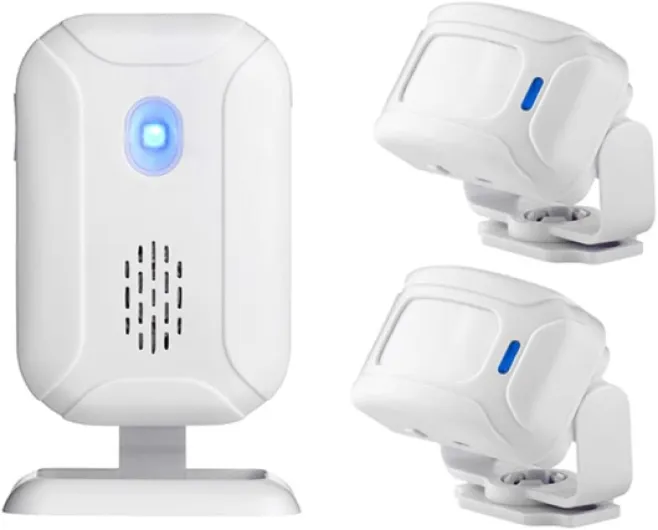
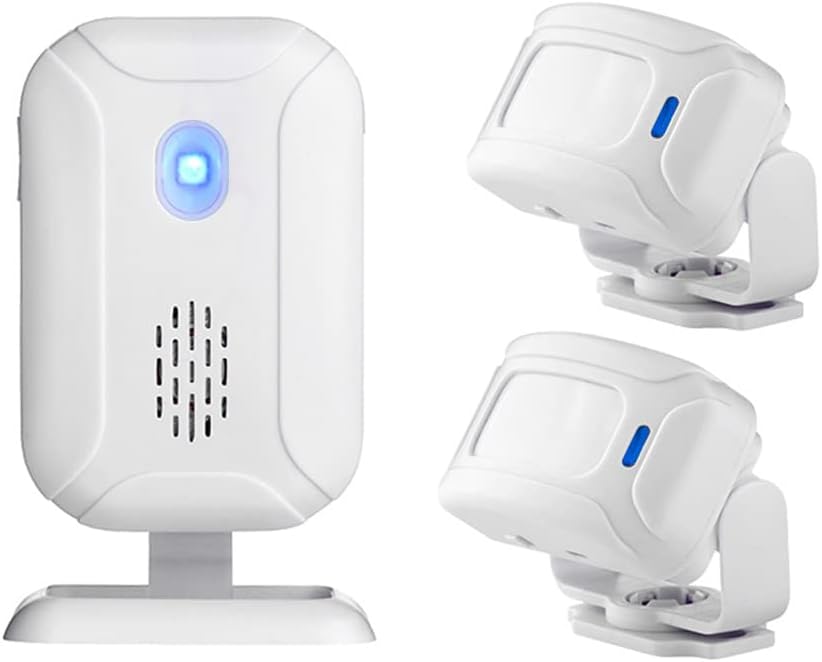
- + Wireless design for easy installation
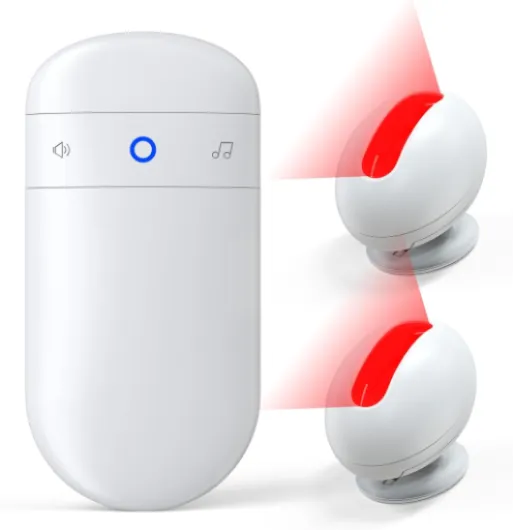
- + Includes 2 PIR detectors for extensive coverage
- + Functions as a welcome doorbell and alert system
- + Ideal for home, office, and store use
- + Features a night light option for visibility

How door motion sensors work with security cameras
Integrating Motion Sensors with Security Cameras
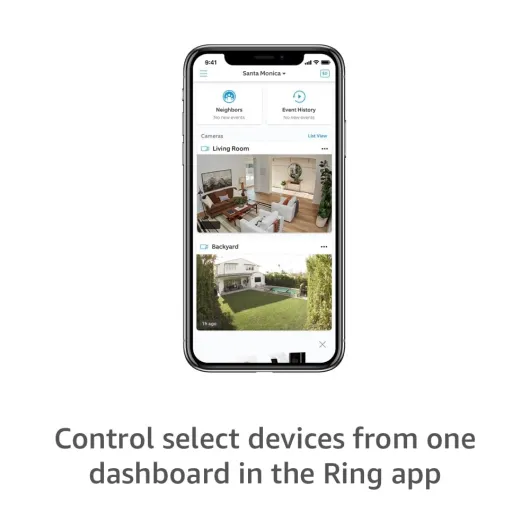
When you combine a door motion sensor with your home security camera system, you create a more responsive and reliable setup. The sensor detects movement at your entry points, such as doors or windows, and instantly signals your camera system to start recording or send an alert. This integration helps ensure that every important event is captured, whether it's a delivery at your front door or an unexpected entry.
- Automatic triggers: Motion sensors act as a trigger for your security cameras, so you don't miss crucial footage. For example, when a sensor detects motion near your automatic door, the camera can automatically record the event.
- Real-time alerts: Many systems offer free mobile notifications or email alerts when a sensor is activated. This feature keeps you informed about any activity at your entry points, even when you're away from home.
- Efficient monitoring: By using sensors to activate cameras only when needed, you save storage space and reduce the time spent reviewing footage. This is especially useful for indoor areas or commercial door entries where constant recording isn't necessary.
Some security kits available on Amazon or at your local store include wireless motion sensors, door chimes, and mounting brackets for easy installation. Products with remote control features allow you to manage your system from anywhere, enhancing both safety and convenience. If you're interested in more discreet options, consider learning about enhancing home security with a camera hidden in an electrical outlet for added peace of mind.
When selecting a motion detector or sensor door product, check for compatibility with your existing system and look for features like glass break detection or customer service support. The right combination of sensors and cameras can help protect your home or business, reduce false alarms, and provide reliable security coverage for every entry point.
Reducing false alarms with smart sensor technology
Smart detection: minimizing unnecessary alerts
One of the biggest challenges with any home security system is dealing with false alarms. Traditional motion sensors and cameras can be triggered by pets, passing cars, or even shadows, which can lead to unnecessary notifications and frustration. Modern door motion sensors, however, use advanced detection technology to help reduce these false alarms and improve the reliability of your security setup. Smart sensors are designed to distinguish between genuine entry events and harmless movement. For example, a wireless motion detector placed at your main entry or on a door window can be calibrated to ignore small pets or routine indoor activity. This means your system only sends an alarm or activates your security camera when it detects real motion, like someone opening the door or attempting unauthorized entry. Some products, such as the BEA Eagle series or commercial door sensors, offer features like adjustable sensitivity, dual detection (combining PIR and microwave technology), and even integration with automatic doors. These enhancements help ensure that your security kit focuses on actual threats, not everyday movements.- Look for sensors with customizable detection zones to further limit false triggers.
- Consider a door chime or glass break detector for added safety and immediate alerts.
- Many systems now offer remote control and customer service support for easy troubleshooting.
Placement tips for effective coverage
Where to Place Door Motion Sensors for Maximum Security
Getting the most out of your home security camera system often comes down to where you install your door motion sensors. Proper placement helps ensure accurate detection, reduces false alarms, and provides reliable coverage for your entry points. Here are some practical tips to help you get it right:- Prioritize main entry points: Place motion sensors near front, back, and side doors. These are the most common entry routes for intruders. For commercial door setups or businesses, cover all customer-accessible doors and delivery entrances.
- Consider indoor and outdoor use: Some sensors are designed for indoor use only, while others are weatherproof for outdoor mounting. Always check the product specifications before installation.
- Mount at the correct height: Most motion detectors work best when installed 6 to 8 feet above the floor. This height allows the sensor to cover a wide area and detect movement effectively.
- Avoid direct sunlight and heat sources: Placing a sensor near windows, radiators, or automatic doors that generate heat can cause false alarms. Instead, position the detector where temperature changes are minimal.
- Use mounting brackets for flexibility: Many wireless motion sensors and door chimes come with adjustable mounting brackets. These allow you to angle the sensor for optimal coverage of your entry or glass break zones.
- Pair with cameras for full coverage: Install sensors in areas where your security cameras may have blind spots. This ensures that any motion detected by the sensor is captured on video, improving your overall safety system.
- Test before final installation: Temporarily mount your sensor with tape or a removable bracket. Walk through your entry and delivery areas to check detection range and adjust as needed before securing it permanently.
Privacy considerations when using door motion sensors
Balancing Security and Personal Privacy
When adding a door motion sensor to your home security system, privacy should be a top priority. These sensors are designed to detect movement at entry points like doors and windows, but it’s important to understand how they collect and use data. Most modern motion detectors only sense movement and do not record audio or video, which helps protect your personal space indoors. However, integrating them with security cameras can raise concerns if not managed carefully.
- Location matters: Placing a sensor near an automatic door or entryway is effective for detection, but avoid areas where you expect privacy, such as bedrooms or bathrooms.
- Data storage: Check if your system stores motion events locally or in the cloud. Some products offer free storage, while others may charge a price for extended history. Always review the product’s privacy policy before buying.
- Wireless security: Wireless motion sensors and detectors are convenient, but make sure your network is secure to prevent unauthorized access. Look for security kits with encryption and regular updates.
- Customer service and transparency: Choose brands or stores that clearly explain how their sensors work, what data is collected, and how it’s used. Good customer service can help answer privacy questions before you buy.
For those concerned about indoor privacy, consider using motion sensors that only trigger alarms or door chimes, rather than those that activate cameras. Some commercial door sensors and glass break detectors are designed for business use, but similar principles apply at home. Always use mounting brackets and remote controls to adjust sensor coverage as needed, and check if the product offers free shipping or return options for added peace of mind.
Ultimately, the right balance between safety and privacy comes from understanding your system’s features and choosing the best sensor door or motion detector for your needs. Whether you bought your system from Amazon, a local store, or a specialty provider, staying informed helps you protect both your property and your personal life.
Choosing the right door motion sensor for your needs
Key Features to Compare Before Buying
When selecting a door motion sensor for your home security system, it’s important to weigh several factors. The right product can make a big difference in both safety and convenience. Here’s what to look for:
- Detection Range and Sensitivity: Check the sensor’s detection range to ensure it covers your entry points. Some motion detectors are designed for wide areas, while others focus on a narrow field, ideal for a single door or window.
- Wireless vs. Wired: Wireless motion sensors offer easier installation and flexibility, especially if you want to avoid running cables. Many wireless models come with a mounting bracket for quick setup.
- Integration with Security Systems: Make sure the sensor is compatible with your existing security kit or camera system. Some sensors work seamlessly with automatic doors, door chimes, or remote control features.
- False Alarm Reduction: Look for smart sensors with advanced detection algorithms. These can help minimize false alarms caused by pets, moving curtains, or glass break events.
- Indoor or Outdoor Use: Not all sensors are weatherproof. For outdoor or commercial door applications, choose a product rated for exterior use, like a BEA Eagle or similar commercial-grade detector.
- Power Source: Consider whether the sensor uses batteries, is hardwired, or offers both options. Battery-powered models can be easier to install but require periodic replacement.
- Additional Features: Some sensors include extras like a door chime for business entry alerts, glass break detection, or integration with automatic doors. Evaluate which features matter most for your needs.
- Price and Value: Compare prices across different brands and stores, including options on Amazon or local retailers. Look for free shipping offers or bundled security kits for better value.
- Customer Service and Support: Reliable customer service can be crucial if you need help with installation or troubleshooting. Check reviews for feedback on support quality.
Where to Buy and What to Expect
Door motion sensors are widely available online and in physical stores. Many buyers appreciate the convenience of free shipping and fast delivery from major retailers. When shopping, look for clear product descriptions, warranty information, and customer reviews to help you make an informed decision. Some popular options include wireless motion detectors, sensor doors for automatic entry, and complete security kits with multiple sensors.
Remember, the right sensor enhances your home security system by providing reliable detection at every entry point. Take the time to compare features and choose a product that fits your specific needs and budget.