Why your alarm system battery matters more than you think
Your home security depends on one quiet hero, the alarm system battery that keeps cameras and sensors alive when the lights go out. When the main power fails, a correctly specified sealed lead alarm system battery prevents your security alarm from going dark and protects every connected device. A weak battery or mismatched batteries can turn a sophisticated alarm system into an expensive dummy during the very outage when you need full protection.
Most modern alarm systems use a compact sealed lead acid battery, often in a 6 volt or 12 volt format, to deliver stable backup power for several hours. These lead acid batteries are usually valve regulated and built with AGM technology, where an absorbent glass mat AGM design holds the electrolyte and keeps the unit spill proof and maintenance free. In practice, that means a sealed lead acid battery can sit quietly in standby applications for years, then instantly provide the power surge needed when the mains fail.
For home security cameras, the same rechargeable battery principles apply, whether the battery pack sits in a control panel, a wireless hub, or a dedicated camera enclosure. A high quality sla rechargeable battery with robust battery terminals will support both wired cameras and Wi Fi bridges that link to your alarm systems. When you plan your system, always add some capacity headroom so the battery pack can handle extra accessories, such as solar panels or power adapters, without sacrificing superior performance.
Inside sla agm batteries that power security cameras and alarms
Behind every reliable security alarm panel you will usually find an SLA AGM battery quietly doing its job. This type of sealed lead acid battery uses mat AGM separators between lead plates, which immobilise the acid and make the unit effectively spill proof in normal applications. Because the electrolyte is absorbed, valve regulated AGM technology allows the battery to recombine gases internally, reducing water loss and extending service life in standby applications.
For home security camera users, this design has several advantages over older flooded lead acid batteries that required topping up. A modern SLA rechargeable battery offers superior performance in high discharge events, such as when an alarm system triggers sirens, activates multiple cameras, and powers a network video recorder simultaneously. These sealed batteries also tolerate being stored at partial charge better than many older acid battery designs, although you should still recharge them promptly after any outage.
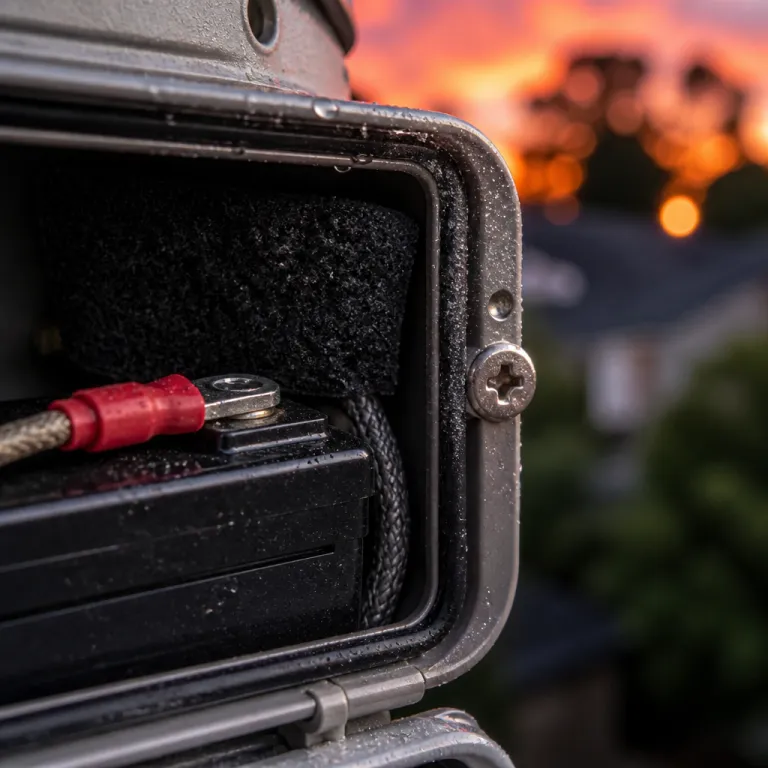
When you examine a typical alarm system battery pack, pay attention to the battery terminals and cable quality, because poor connections can waste power and create false low voltage alarms. Many control panels accept standard spade terminals, while some camera specific battery pack designs use screw terminals for a more secure fit. For a detailed look at how a compact sealed lead acid unit such as a UB1250 model quietly powers reliable home security cameras, you can read this guide on a sealed lead acid camera backup battery.
Choosing the right alarm system battery for camera focused security
Selecting the correct alarm system battery starts with matching voltage, capacity, and chemistry to your existing equipment. Most residential alarm systems and camera hubs use 12 volt sealed lead acid batteries, but some compact devices rely on 6 volt or proprietary battery pack formats. Always check the label on your current rechargeable battery and the specifications in your security alarm manual before ordering any replacement.
Capacity, usually expressed in ampere hours, determines how long your alarm system and cameras can run on backup power. A higher capacity SLA AGM battery will generally support more cameras, Wi Fi access points, and network recorders, but it may also increase the price and physical size of the pack. For homes with multiple outdoor cameras or power hungry features such as motorised pan tilt zoom, investing in a larger sealed lead acid battery with superior performance is often justified.
Many online retailers make it easy to add the correct battery to your cart by listing compatible alarm systems and standby applications for each model. Look for clear information about whether the unit is a valve regulated, spill proof SLA rechargeable design, and whether free shipping is available for single batteries or multi pack orders. If you are integrating cameras that work with voice assistants, you can also consult this overview of top security cameras compatible with Alexa to ensure your power and battery choices support the full feature set.
Solar panels, power adapters, and how they interact with your backup batteries
Homeowners increasingly pair solar panels and dedicated power adapters with their security cameras, but the alarm system battery still anchors overall resilience. A well designed setup uses solar panels to keep a rechargeable battery topped up, while a stable mains power adapter runs the day to day load. When the grid fails or the sun disappears, the sealed lead acid backup battery steps in to keep both the alarm system and critical cameras online.
For fixed cameras mounted outdoors, a compact solar panel can feed a small battery pack located near the device, reducing cable runs and voltage drop. These packs often use SLA AGM or lithium chemistries, yet many central alarm systems still rely on traditional lead acid or sealed lead designs in the main control cabinet. The key is to ensure that every rechargeable battery in the chain, from the smallest camera pack to the main alarm system battery, is correctly sized for its applications and compatible with the charging profile of your power adapters.
Readers planning a new installation can benefit from a step by step guide to effortless solar camera installation, then cross check how those panels will interact with existing batteries alarm setups. When you add solar charging to an older sealed lead acid or valve regulated AGM battery, verify that the controller supports spill proof SLA rechargeable units and will not overcharge them. Done correctly, this hybrid approach extends runtime, reduces strain on the main battery terminals, and can lower long term replacement costs.
Cost, lifespan, and when to replace an alarm system battery
Price often dominates buying decisions, yet the cheapest alarm system battery can become the most expensive choice if it fails early. A quality sealed lead acid or SLA AGM unit for a typical home security alarm usually costs only a fraction of the overall system, but it protects every camera, sensor, and siren during outages. When comparing batteries, consider not just the upfront price but also the expected lifespan in standby applications and the warranty offered.
Most sealed lead and AGM technology batteries in alarm systems last between three and five years under normal indoor conditions. High temperatures, frequent deep discharges, or undersized capacity can shorten that duration significantly, especially for smaller acid battery packs that power multiple cameras. You should schedule a yearly test where you simulate a power cut, confirm that the rechargeable battery holds voltage, and check that all security alarm functions, including video recording, continue without interruption.
Replacement is due when you notice slow charging, reduced backup time, or swelling around the battery terminals or case. At that point, add a new SLA rechargeable battery pack to your cart from a reputable supplier that clearly states chemistry, capacity, and whether the design is valve regulated and spill proof. Many vendors offer free shipping on multi pack orders, which can be useful if you maintain several alarm systems or have an ADT Security style monitored installation with multiple distributed panels.
Practical tips to maintain superior performance from your security power setup
Keeping your alarm system battery in peak condition requires a few simple but disciplined habits. First, ensure the control panel or camera hub is installed in a cool, dry location, because heat accelerates chemical reactions inside lead acid and sealed lead batteries. A temperature controlled cupboard or utility room usually extends the life of both the rechargeable battery and the sensitive electronics of your security alarm system.
Second, inspect the battery terminals at least once a year for corrosion, loose screws, or damaged cables. Clean terminals help the SLA AGM or mat AGM plates deliver full power to cameras, motion detectors, and communication modules during an outage. If you see white or green deposits on the terminals of your battery pack, disconnect mains power, follow the manufacturer’s safety instructions, and clean the contacts before reconnecting the system.
Third, avoid connecting unapproved accessories that might overload the existing batteries alarm configuration, such as high current sirens or extra lighting, without recalculating total power draw. When you add new cameras or smart home devices, verify that the existing sealed lead acid or SLA rechargeable unit can support the extra load in both normal and standby applications. For professionally monitored setups, including those similar to ADT Security installations, ask the provider to document the backup runtime so you know exactly how long your alarm systems and cameras will remain active during a prolonged outage.
Key figures about alarm system batteries and camera backup power
- In many residential alarm systems, a 12 volt 7 ampere hour sealed lead acid battery typically provides between 4 and 24 hours of backup power, depending on the number of connected devices and total current draw, according to manufacturer datasheets from major SLA AGM suppliers such as Yuasa and CSB Battery.[1]
- Industry testing by several battery manufacturers shows that valve regulated AGM technology can deliver up to 20 % longer service life in standby applications compared with older flooded lead acid designs when kept at 20 to 25 degrees Celsius, as reported in technical bulletins from Panasonic and EnerSys.[2]
- Field surveys from security industry associations indicate that more than half of alarm system failures during power cuts are linked to neglected or expired rechargeable batteries, rather than faults in the main control electronics or wiring, a trend echoed in guidance from the Electronic Security Association.[3]
- Laboratory data from leading sealed lead acid producers report that every 10 degree Celsius increase above room temperature can roughly halve the expected lifespan of an SLA rechargeable battery used in security alarm panels, a rule of thumb also referenced in IEC and IEEE battery application notes.[4]
- Energy audits of homes with multiple IP cameras show that optimising power adapters and using efficient camera models can reduce total backup battery capacity requirements by up to 30 %, lowering both replacement costs and the environmental impact of lead acid battery production, according to case studies published by several smart home energy consultancies.[5]
FAQ about alarm system batteries and home security cameras
How often should I replace my alarm system battery for camera protection ?
Most sealed lead acid and SLA AGM batteries in alarm systems should be replaced every three to five years, depending on temperature and discharge frequency. If your cameras or alarm panel show low battery warnings earlier, schedule testing and consider earlier replacement. Always match the new rechargeable battery to the original voltage and capacity specifications.
Can one battery pack power both my alarm system and several cameras ?
A single high capacity battery pack can power an alarm system and a limited number of cameras, but only if the total current draw stays within the panel’s design limits. Exceeding those limits can shorten battery life and reduce backup time during outages. For larger camera networks, use dedicated power supplies and separate backup batteries sized for their specific applications.
Is AGM technology better than standard lead acid for security alarm use ?
AGM technology offers several advantages over traditional flooded lead acid batteries in security alarm panels, including spill proof construction, lower self discharge, and better performance in high current events. These benefits make SLA AGM units particularly suitable for standby applications where reliability is critical. The slightly higher price is usually offset by longer service life and reduced maintenance.
Do solar panels remove the need for an alarm system battery ?
Solar panels can reduce how often your rechargeable battery discharges, but they do not eliminate the need for a backup battery. During night time or extended bad weather, the alarm system battery still provides essential power to cameras and sensors. A well designed system combines solar charging with a correctly sized sealed lead or SLA rechargeable unit.
What signs indicate that my security alarm battery is failing ?
Common warning signs include frequent low battery alerts, reduced backup time during simulated outages, swelling or deformation of the case, and corrosion on battery terminals. If your cameras reboot when the mains briefly flicker, that also suggests the rechargeable battery can no longer supply stable power. Replace any suspect sealed lead acid unit promptly to avoid losing protection when you most need it.